Accommodating Resistance for Squat, Bench, and Deadlift
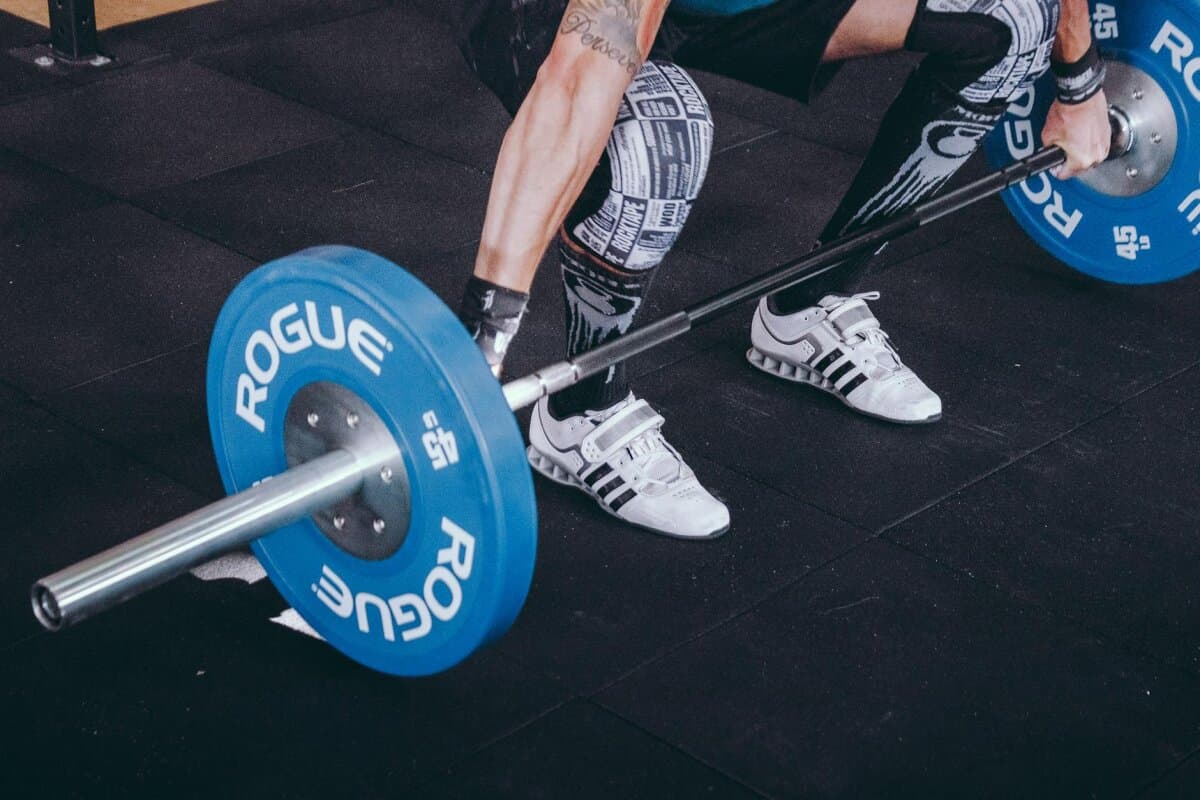
Accommodating Resistance for Squat, Bench, and Deadlift
You’ve probably seen it. Thick bands stretched from the floor to a barbell. Heavy chains clanking with every rep. Maybe it was in a hardcore powerlifting gym. Or a Westside-style training clip on Instagram. And you thought, That looks intense… but also confusing.
That’s accommodating resistance. And yeah, it can look like overkill if you don’t understand what’s happening. But when it’s used right? It’s one of the most effective tools for building bar speed, explosive strength, and a stronger lockout in the squat, bench press, and deadlift.
The problem is this: a lot of intermediate lifters jump into bands and chains way too fast. Too much tension. Sloppy setup. Ego-driven loading. And then they wonder why their lifts feel unstable or their joints hate them.
So let’s slow it down. In this guide, we’ll break down what accommodating resistance actually is, why it works, and how to use bands and chains safely and effectively on the big three lifts. Practical stuff. Real-world guidance. No fluff.
What Is Accommodating Resistance and How Does It Work?
Accommodating resistance is exactly what it sounds like: resistance that changes through the range of motion to match your strength curve.
With straight barbell weight, the load is constant from bottom to top. But your body isn’t equally strong at every joint angle. You’re weaker in some positions. Stronger in others. Accommodating resistance takes advantage of that.
Bands and chains add resistance as you move into stronger positions, and reduce it where you’re mechanically weaker. The result? You can apply force more aggressively through the entire lift instead of coasting through the easy parts.
Why Barbell Lifts Are Stronger at Some Angles Than Others
Think about the squat. Out of the hole, hips and knees are deeply flexed. Leverage is terrible. That’s where most people miss reps.
But as you stand up, joint angles open. Muscles produce more force. The lift gets easier. Same story with bench and deadlift.
Traditional loading doesn’t account for this. You’re forced to use a weight you can survive at your weakest point, even though you’re capable of much more near lockout.
That’s the gap accommodating resistance fills.
Bands vs. Chains: Key Mechanical Differences
Chains add weight gradually as more links lift off the floor. Bands increase tension the farther they’re stretched.
Chains feel smoother. More forgiving. They’re great for learning how to push hard without the bar getting yanked around.
Bands? They’re aggressive. They actively pull the bar down and demand constant acceleration. Miss your groove and they’ll let you know. Immediately.
Neither is “better.” They’re just different tools. And trust me, how they feel matters more than how cool they look.
Benefits of Accommodating Resistance for Strength and Power
When bands and chains are programmed correctly, they solve a few big problems that intermediate lifters often run into.
Plateaus. Slow bar speed. Weak lockouts. That frustrating feeling where you grind through the hardest part, then basically coast to the finish.
Accommodating resistance flips that script.
Bar Speed, Explosiveness, and Force Production
Bands and chains force you to accelerate the bar the entire time. You can’t relax near the top. If you do, the bar slows down or even stalls.
This trains rate of force development how quickly you can produce force. That’s huge for powerlifting, athletics, and even general strength carryover.
You learn to push hard. Every rep. From start to finish.
Why It Works So Well for Intermediate Lifters
Beginners just need to get stronger. Straight weight does that fine.
But intermediates? They’ve already built a base. Now weaknesses show up. Slow benches. Squats that die halfway up. Deadlifts that move fast… then stall.
Accommodating resistance lets you overload stronger positions without frying your joints at the bottom. It’s targeted. Efficient. And honestly, pretty fun once you get the hang of it.
Using Bands and Chains for Squat, Bench Press, and Deadlift
Each lift responds a little differently to accommodating resistance. The goal is the same more force where you’re strong but the setup and feel change.
Squat With Bands or Chains
The squat is where many lifters first experiment with accommodating resistance.
With chains, the bottom stays manageable while the top gets brutally heavy. Perfect for building confidence and power out of the hole.
Bands ramp things up even more. They pull you down fast and demand a violent drive upward. Great for developing explosive hips.
Most lifters pair bands or chains with a Barbell Full Squat or box squat variation. The resistance increases as you stand, matching your improving leverage.
Expect your upper back and core to work overtime. And yes, you’ll feel it the next day.
Bench Press With Bands or Chains
The bench press often stalls a few inches off the chest or near lockout. Accommodating resistance shines here.
Chains load the triceps heavily at the top without destroying your shoulders at the bottom. Bands teach you to press fast and stay tight.
Bar path becomes non-negotiable. If you drift, the bands will pull you out of position.
This is why so many powerlifters swear by banded or chained Barbell Bench Press variations for building lockout strength.
Deadlift With Bands or Chains
The deadlift already gets easier as the bar rises. Bands and chains exaggerate that effect in a good way.
Chains overload the top without changing the start position much. Bands increase tension fast and force you to stay aggressive through hip extension.
Most lifters use lighter bar weight with bands on the Barbell Deadlift, focusing on speed off the floor and finishing hard.
One warning: banded deadlifts are unforgiving. If your setup is sloppy, they’ll expose it fast.
How to Set Up Bands and Chains Safely and Correctly
This is where things usually go wrong. Not because bands and chains are dangerous, but because people rush the setup.
Don’t be that lifter.
General Setup Rules for Accommodating Resistance
- Symmetry matters. Bands and chains must be evenly loaded on both sides.
- Stable anchors. Bands should be secured to pegs, heavy dumbbells, or band pegs designed for racks.
- Deload at the bottom. Chains should mostly rest on the floor in the weakest position.
- Smooth bar path. If the bar is swinging or snapping, something’s off.
Take the extra minute to check your setup. Your joints will thank you.
Choosing Band Tension and Chain Weight
Less is more. Especially at first.
A common guideline is having bands or chains contribute about 15 25% of the load at lockout. That’s it.
If you slap on monster bands and can’t control the eccentric, you’re not training power you’re training survival.
Start conservative. Add tension slowly. You’ll still get the benefits.
Programming Accommodating Resistance Into Your Training
Bands and chains aren’t meant for every session. They’re tools. Powerful ones. But still tools.
Where they shine is strategic use.
Dynamic Effort Days and Bar Speed Training
Dynamic effort work uses lighter bar weight combined with bands or chains to train speed.
Think fast triples. Short rest. Explosive intent.
The bar should move like it’s angry. If it’s slow, the load is too heavy.
This style of training teaches you to apply force quickly something straight-weight maxing often neglects.
Top-End Overload and Peaking Strategies
Accommodating resistance also works well in short peaking blocks.
Chains on squats to overload standing strength. Bands on bench to hammer lockout. Deadlifts with light bands to reinforce speed.
Used sparingly, this builds confidence under heavy loads without crushing recovery.
Common Mistakes and Safety Considerations
Let’s call these out clearly.
- Using too much tension too soon
- Uneven band or chain setup
- Ignoring technique breakdown
- Using bands every week, forever
If you’re new to lifting, or coming back from injury, accommodating resistance should wait. Build your base first.
And if something feels sketchy? Stop. Adjust. There’s no prize for grinding bad reps with bands.
Final Thoughts on Training With Bands and Chains
Accommodating resistance isn’t a gimmick. It’s been used for decades by some of the strongest lifters on the planet.
But it’s not magic either.
When bands and chains are set up correctly, programmed intelligently, and used with restraint, they can unlock new levels of speed, power, and lockout strength.
Start small. Pay attention to how the bar moves. Respect the learning curve.
Bands and chains won’t replace hard training. But used wisely? They’ll make it a whole lot more effective.
Frequently Asked Questions
Related Articles
How to Optimize Lifting Technique With Biomechanics
Biomechanics offers a smarter way to improve lifting technique by understanding how your body moves under load. By applying principles like leverage, balance, and joint alignment, lifters can build strength more efficiently while reducing injury risk. This guide shows how to use biomechanics to refine form in major compound lifts.
Repetition Effort Method Explained for Hypertrophy and Strength
The repetition effort method is a proven training approach that uses moderate weights and high reps taken close to failure to stimulate muscle growth. Popular in both bodybuilding and strength training systems, it builds size, work capacity, and long-term strength. Learn how to program it effectively for hypertrophy-focused results.
Velocity Based Training: Auto-Regulate Like a Pro
Velocity based training is a data-driven approach that uses bar speed to auto-regulate load, volume, and intensity. Instead of guessing based on percentages, VBT helps lifters train according to real-time performance. Learn how to apply velocity metrics to build strength, manage fatigue, and progress smarter.
Neural Drive Enhancement for Explosive Strength Training
Explosive strength is driven as much by the nervous system as by muscle size. This article explains how neural drive influences power output and how targeted training methods can improve explosive performance. Learn how to program heavy lifts, speed work, and recovery for long-term strength gains.