Advanced Mobility Protocols for Heavy Lifters

Advanced Mobility Protocols for Heavy Lifters
You don’t really notice mobility until it’s gone. One day your squat feels smooth and powerful. A few training cycles later? Hips feel glued shut. Wrists hate the rack position. Your shoulders fight you every time you unrack a heavy bench.
This is the reality for experienced lifters. Heavy loading builds strength, no doubt. But it also builds stiffness, protective tension, and movement habits that can quietly limit performance over time. And no, this isn’t just about injury prevention. Mobility, when done right, becomes a performance multiplier. Better positions. Cleaner bar paths. More usable strength.
Let’s break down what advanced mobility really means for heavy lifters and how to use it without killing your numbers.
What Advanced Mobility Really Means for Heavy Lifters
Mobility gets a bad rap in strength circles. Probably because it’s often presented as endless stretching, foam rolling marathons, or yoga flows that leave you feeling loose… and weak.
That’s not what we’re talking about here.
Mobility vs. Flexibility: A Strength Athlete’s Perspective
Flexibility is passive range of motion. How far a joint can go when you’re relaxed or assisted.
Mobility is active, controlled range of motion. How far a joint can go under tension. Big difference.
For heavy lifters, flexibility without control is basically useless. You don’t squat, pull, or press passively. You do it under load, braced, and usually close to your limit. That means you need strength at end ranges, not just access to them.
This is why advanced mobility focuses on:
- Strength in deep positions
- Joint control, not joint looseness
- Ranges of motion that actually show up in your lifts
Think of mobility as expanding your usable strength envelope. Not turning yourself into a contortionist.
Why Passive Stretching Alone Fails Heavy Lifters
Long static stretches before lifting? Usually a bad idea. Especially for stable joints like hips and shoulders that already take a beating from heavy loading.
Passive stretching can temporarily reduce neural drive. Translation: your muscles don’t fire as hard. That’s the opposite of what you want before a heavy Barbell Low-Bar Squat or Barbell Deadlift.
That doesn’t mean static stretching is useless. It just needs to be placed strategically usually after training or on separate mobility-focused days.
Advanced mobility earns its name because it respects strength demands. It builds range you can actually own.
Joint-Specific Mobility Demands in Heavy Lifting
Not all joints are created equal. And not all mobility limitations matter the same.
If you want carryover to big lifts, you have to think joint by joint.
Hip and Ankle Mobility for Squats and Pulls
Deep squats and strong pulls live and die at the hips and ankles.
Limited ankle dorsiflexion often forces lifters to:
- Pitch forward excessively
- Lose balance at the bottom
- Cut depth short
Instead of endless calf stretching, loaded ankle work and controlled knee-over-toe positions tend to stick better. Pair that with hip rotation drills especially internal rotation and squat mechanics usually clean up fast.
If your hips feel strong but “blocked,” drills like 90/90 hip rotations (unloaded or lightly loaded) can restore options without destabilizing you.
Shoulder, Thoracic Spine, and Wrist Mobility for Pressing
Heavy benching and overhead work demand a weird combo: shoulder stability and mobility.
Most issues aren’t pure shoulder problems. They’re upper-back problems.
A stiff thoracic spine limits your ability to:
- Set a solid bench arch
- Keep the bar stacked over joints
- Stabilize overhead loads
Simple drills like thoracic extensions over a foam roller, combined with controlled shoulder rotations, go a long way. Wrist prep matters too, especially if you front squat or Olympic lift.
Ever notice how a solid warm-up makes your bench feel lighter before you even touch working weight? That’s mobility doing its job.
Spinal Control and Segmental Mobility Under Load
This one’s controversial. And misunderstood.
Heavy lifters don’t need floppy spines. They need controlled spinal movement.
Exercises like light Jefferson curls used carefully can teach segment-by-segment control and tolerance. Not max loading. Not fatigue. Just awareness and strength in ranges you normally brace through.
Pair that with core control drills like Bird Dog or Dead Bug, and spinal resilience improves without compromising bracing ability.
Active vs. Passive Mobility Techniques: When and Why to Use Each
Here’s where advanced lifters separate themselves from the crowd.
You don’t throw every mobility tool into every session. You choose based on timing, intent, and recovery.
Loaded Mobility and Controlled Articular Rotations (CARs)
Loaded mobility builds strength at end range. That’s gold for heavy lifting.
Think:
- Slow, controlled joint rotations
- Isometric holds in deep positions
- Light external load to create tension
Banded shoulder CARs, tempo split squats, and paused deep squat holds all fall into this category.
The key? Low fatigue. High intent. You should leave these drills feeling more connected, not smoked.
Static Stretching: Strategic Use Without Performance Loss
Static stretching still has a place. Just not right before max effort.
Best times to use it:
- After heavy sessions
- On rest days
- During deload weeks
Post-training stretching helps downshift the nervous system and restore resting muscle length. Think hamstrings after pulls, pecs after benching, lats after heavy vertical pulling like Pull-Ups.
Keep it calm. Breathe. No forcing.
Timing Mobility Protocols Around Heavy Training
When you do mobility matters just as much as what you do.
Pre-Lift Activation and Intra-Workout Mobility
Before heavy sessions, mobility should:
- Increase joint readiness
- Improve positions
- Enhance neural drive
This is where dynamic drills, light CARs, and movement-specific prep shine. A few minutes goes a long way.
Between sets, micro-mobility can help too. Gentle hip openers between squat sets. Thoracic extensions between bench sets. Nothing aggressive. Just reminders.
Post-Training Decompression and Weekly Mobility Sessions
After training is where you restore.
Light stretching, breathing drills, and unloaded movements help reduce stiffness and speed up recovery. This is also the best time to address problem areas that don’t need to be fresh.
Many advanced lifters benefit from one dedicated weekly mobility session. No barbell. No ego. Just focused work on joints that limit performance.
Think of it as maintenance for a high-performance machine.
Common Mobility Mistakes and How Advanced Lifters Should Progress
Even experienced lifters mess this up.
The biggest mistakes?
- Over-stretching already stable joints
- Ignoring left-right differences
- Chasing extreme ranges without strength
Mobility should make your lifts feel better. If it doesn’t, something’s off.
Assessing Mobility Progress and Transfer to Heavy Lifts
Don’t just measure mobility with stretches.
Ask better questions:
- Does my squat feel smoother?
- Is my setup more consistent?
- Can I hit depth without fighting myself?
Performance carryover is the real metric.
Using Video Analysis and Movement Screens Effectively
Video doesn’t lie. Film your lifts.
Look for:
- Loss of position under load
- Asymmetrical shifts
- Sticking points tied to range
Then target mobility where it actually matters. Not where it looks cool on Instagram.
Building Long-Term Strength Through Intelligent Mobility
Here’s the truth: strong joints move well. And joints that move well last longer.
Advanced mobility isn’t about doing more. It’s about doing what works for your body and your lifts.
If you’re serious about longevity, consistent PRs, and staying under the bar for years, mobility isn’t optional. It’s part of the program.
Build strength in every range you use. Respect recovery. And remember mobility is a performance tool. Treat it like one.
Frequently Asked Questions
Related Articles
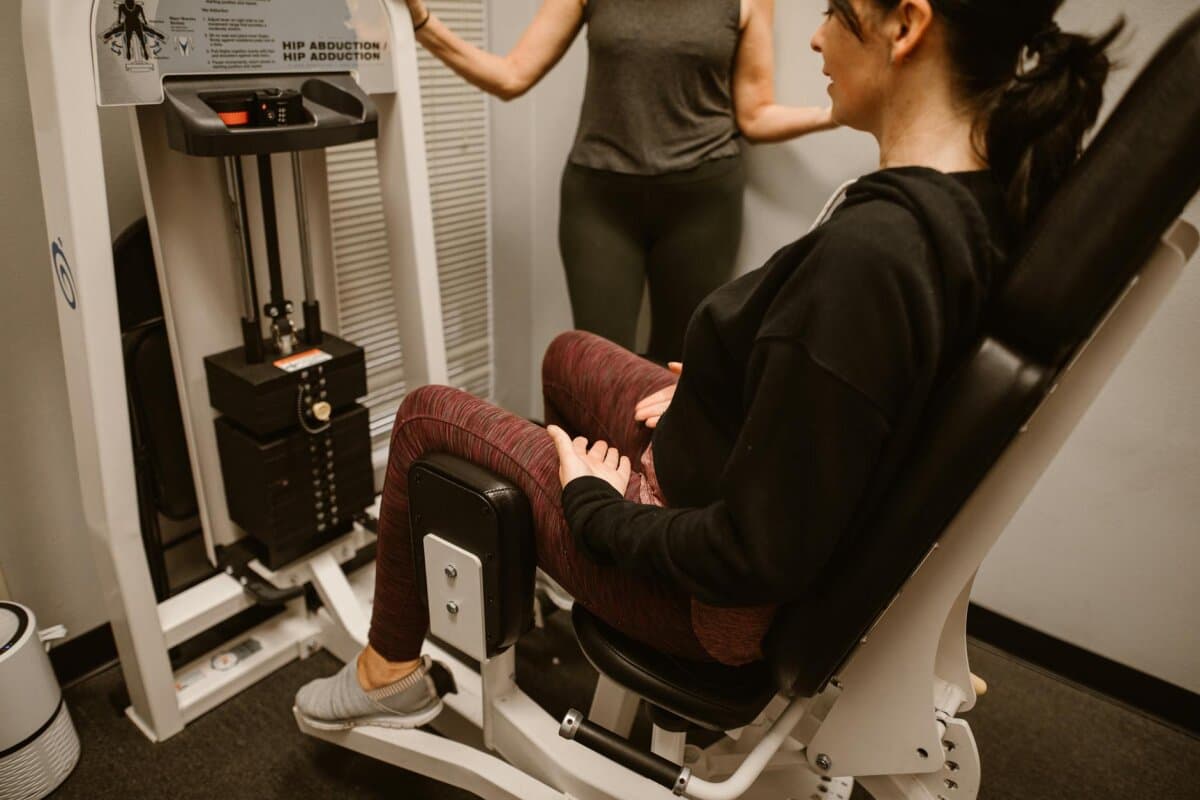
How to Optimize Lifting Technique With Biomechanics
Biomechanics offers a smarter way to improve lifting technique by understanding how your body moves under load. By applying principles like leverage, balance, and joint alignment, lifters can build strength more efficiently while reducing injury risk. This guide shows how to use biomechanics to refine form in major compound lifts.
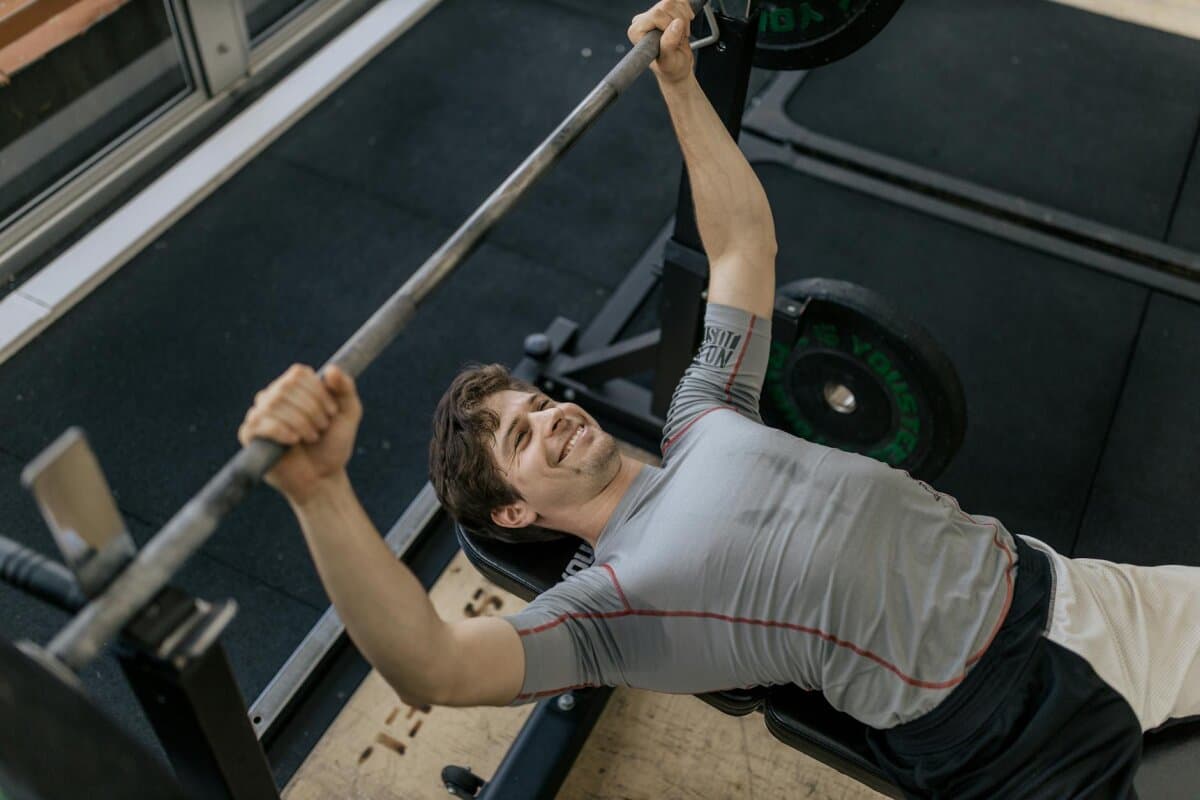
Repetition Effort Method Explained for Hypertrophy and Strength
The repetition effort method is a proven training approach that uses moderate weights and high reps taken close to failure to stimulate muscle growth. Popular in both bodybuilding and strength training systems, it builds size, work capacity, and long-term strength. Learn how to program it effectively for hypertrophy-focused results.
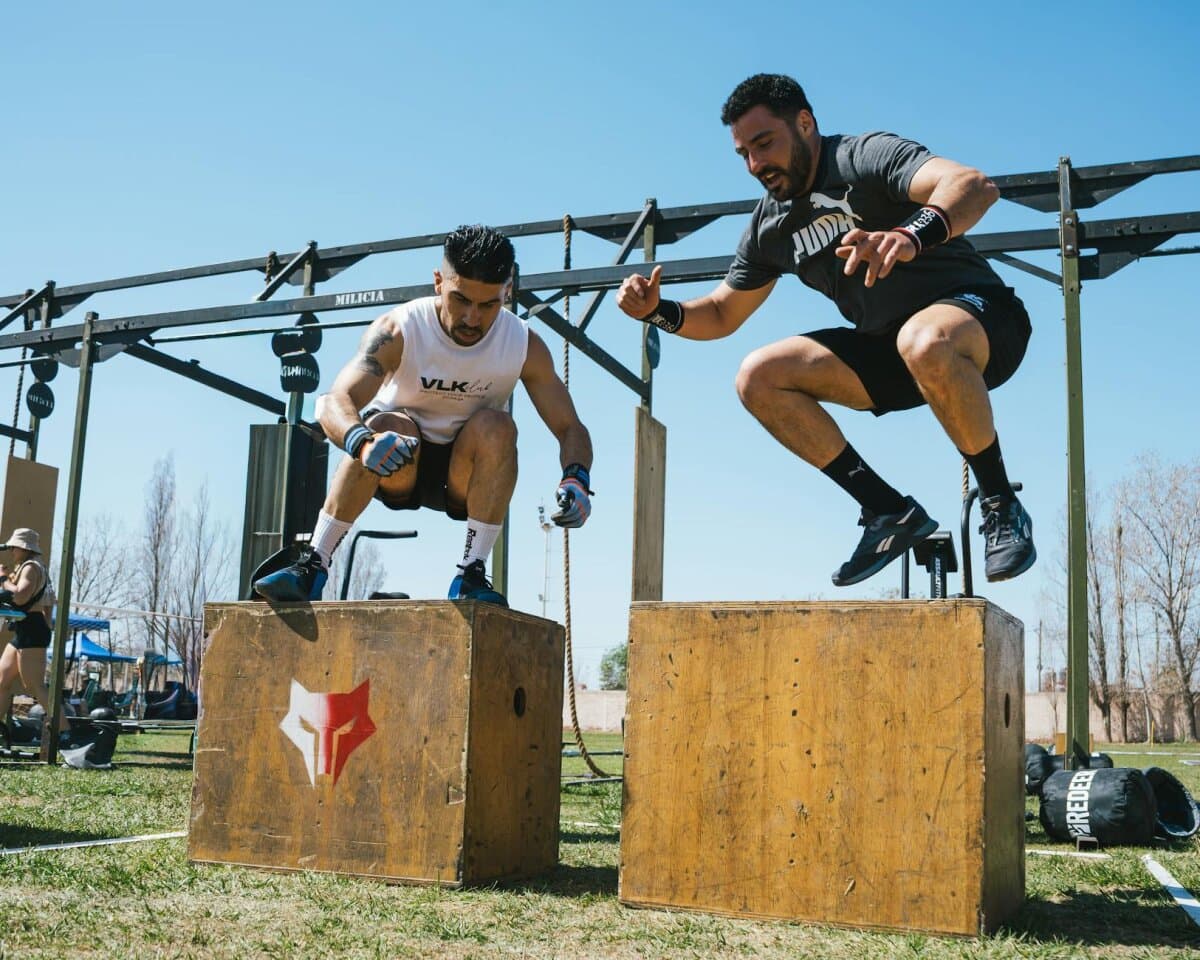
Velocity Based Training: Auto-Regulate Like a Pro
Velocity based training is a data-driven approach that uses bar speed to auto-regulate load, volume, and intensity. Instead of guessing based on percentages, VBT helps lifters train according to real-time performance. Learn how to apply velocity metrics to build strength, manage fatigue, and progress smarter.
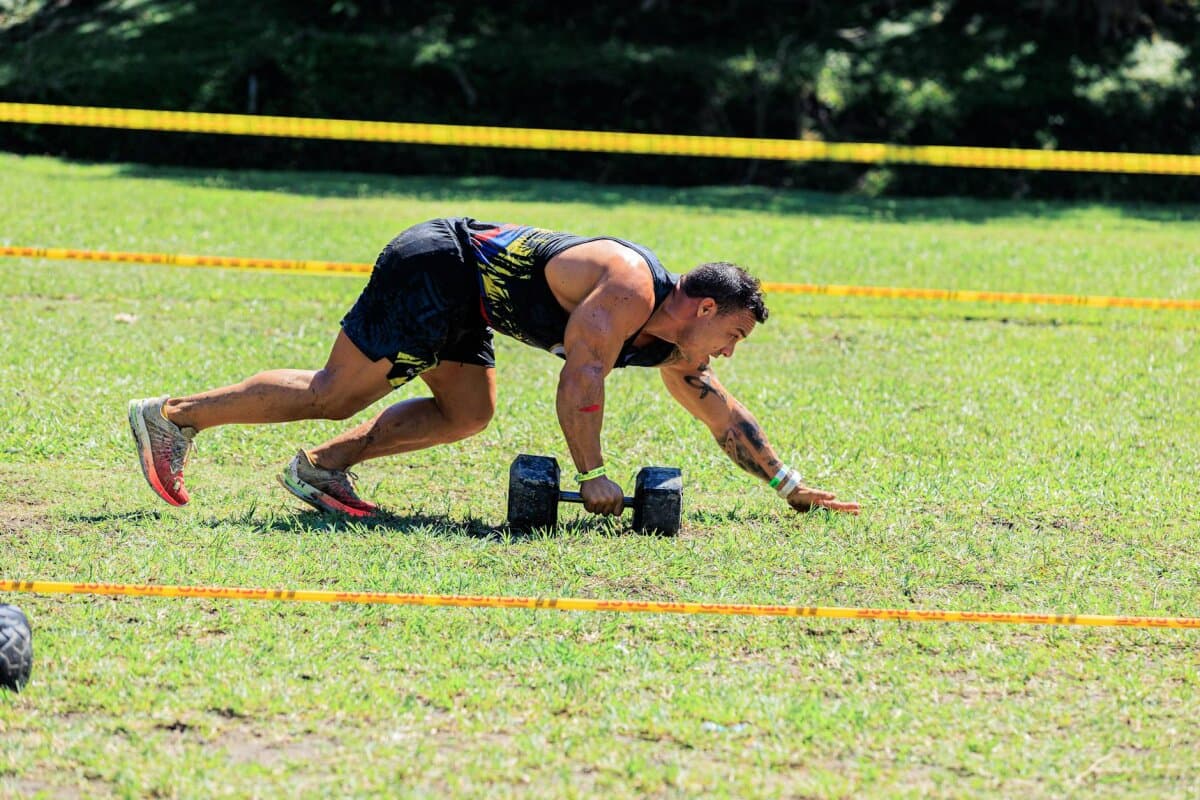
Neural Drive Enhancement for Explosive Strength Training
Explosive strength is driven as much by the nervous system as by muscle size. This article explains how neural drive influences power output and how targeted training methods can improve explosive performance. Learn how to program heavy lifts, speed work, and recovery for long-term strength gains.