Best Supplements for Fat Loss Beginners: Simple & Safe Guide

Best Supplements for Fat Loss Beginners: Simple & Safe Guide
Walk into any supplement store or scroll fitness social media for five minutes and you’ll feel it. Confusion. Bright labels screaming “SHRED,” influencers promising instant abs, and about a hundred different powders all claiming to be the missing piece.
If you’re new to fat loss, that noise can be overwhelming. And honestly? A little intimidating.
Here’s the truth most beginners need to hear early: supplements don’t cause fat loss. Your habits do. Supplements can help, sure. They can make the process easier, smoother, maybe even more enjoyable. But they don’t replace eating well, moving your body, and sticking with it when motivation dips.
This guide cuts through the hype. No extreme protocols. No sketchy shortcuts. Just evidence-based, beginner-friendly supplements that actually make sense when you’re starting out. Trust me on this keeping things simple is usually what works best.
What Fat Loss Supplements Really Do (and Don’t Do)
Let’s set expectations right away.
Fat loss supplements are products designed to support your fat loss efforts. That support usually comes in a few forms: helping you feel full, giving you more energy to train, improving workout performance, or making it easier to stick to a calorie deficit.
What they don’t do? Burn fat on their own while you eat whatever you want and skip workouts. If that existed, we’d all be using it already.
The Calorie Deficit Explained for Beginners
Fat loss happens when you consistently eat fewer calories than your body uses. That’s it. No magic. No secret formula.
Think of calories like money. If you spend more than you earn, your savings go down. When your body “spends” more energy than it gets from food, it pulls from stored body fat.
Supplements can’t override this. You can take the strongest fat burner on the shelf, but if you’re eating in a calorie surplus, fat loss won’t happen. Simple. Not easy but simple.
Why Supplements Are Only a Support Tool
Good supplements help you adhere to the basics. They don’t replace them.
Protein helps you stay full and keep muscle. Caffeine gives you energy for workouts. Fiber keeps hunger under control. Notice a pattern? They all make the process more manageable.
Consistency beats everything. And supplements only matter if they help you stay consistent.
Protein Powder: The Best First Supplement for Fat Loss
If there’s one supplement almost every fat loss beginner can benefit from, it’s protein powder. No contest.
When calories drop, your body doesn’t just lose fat. It can also lose muscle. That’s bad news. Muscle keeps your metabolism higher, helps you look “toned,” and makes everyday life easier.
Protein is your insurance policy.
How Protein Helps You Lose Fat Without Losing Muscle
Protein does three big things during fat loss:
- Preserves muscle mass while you’re eating fewer calories
- Increases fullness, so you’re not constantly thinking about food
- Supports recovery from strength training and cardio
Ever notice how a protein shake actually keeps you full, while a sugary snack just makes you hungrier later? That’s not in your head.
Pair adequate protein intake with beginner-friendly strength work think push-ups, squats, rows and you give your body a reason to hold onto muscle while shedding fat. A simple movement like the Push-Up becomes far more effective when recovery and nutrition are dialed in.
Choosing the Right Protein Powder
You don’t need anything fancy here.
- Whey protein: Fast-digesting, affordable, great post-workout
- Plant-based protein: Solid option if you’re dairy-free
- Casein: Slower digestion, good before bed if nighttime hunger is an issue
Look for a powder with around 20 25 grams of protein per scoop and minimal added sugar. That’s it. No need for a label that reads like a chemistry exam.
One to two scoops per day, used to supplement real food not replace it is plenty for most beginners.
Caffeine, Pre-Workouts, and Fat Burners: What Beginners Should Know
Caffeine is the most widely used performance-enhancing substance in the world. And yes, it can help with fat loss when used correctly.
Caffeine increases alertness, reduces perceived effort, and slightly boosts calorie burn. More importantly, it helps you train harder and move more.
That morning walk? Feels easier. That workout after work? Suddenly doable.
Do Fat Burners Actually Work?
Here’s the honest answer: most fat burners are just caffeine with marketing.
They may increase energy expenditure a little, suppress appetite a bit, or improve focus. But the effect is modest. If your nutrition and training aren’t in place, they won’t do much.
For beginners, coffee or a basic pre-workout often makes more sense than a complex fat burner formula. A caffeinated walk whether outdoors or on a treadmill paired with consistency goes a long way. Something as simple as Treadmill Running or brisk walking becomes easier when energy is higher.
Safe Caffeine Use for Beginners
This part matters.
- Start low. 100 150 mg is enough for many people
- Avoid taking caffeine late in the day it wrecks sleep
- Pay attention to jitters, anxiety, or crashes
More isn’t better. And stacking multiple caffeinated supplements is where beginners often run into trouble.
If coffee works for you, great. If you prefer pre-workout, keep it simple and transparent.
Fiber Supplements for Appetite Control and Fat Loss
Hunger is usually the biggest enemy during fat loss. Not lack of motivation. Hunger.
That’s where fiber comes in.
Fiber slows digestion, helps stabilize blood sugar, and increases feelings of fullness. All things that make eating fewer calories more sustainable.
Why Feeling Full Matters in a Calorie Deficit
When you’re constantly hungry, willpower eventually breaks. That’s just human.
Fiber helps by physically adding bulk to meals and slowing how fast food leaves your stomach. Less grazing. Fewer late-night snack attacks.
Psyllium husk is one of the most common fiber supplements. Start with a small dose, drink plenty of water, and increase gradually. Your digestion will thank you.
Fiber isn’t glamorous. But it’s effective. And that’s what beginners actually need.
Supporting Supplements That Indirectly Help Fat Loss
Some supplements don’t burn fat directly but still deserve attention because of how they improve training quality and recovery.
Two stand out.
Creatine: Not Just for Bulking
Creatine is one of the most researched supplements on the planet. And no, it’s not just for bodybuilders.
Creatine helps you perform better during strength training more reps, more power, better quality work. Over time, that leads to better muscle retention during fat loss.
Does creatine cause weight gain? Sometimes, a small increase due to water stored in muscle. That’s not fat. And it often evens out.
For beginners lifting weights or doing resistance training, creatine can be a smart, safe addition.
Omega-3 fatty acids also deserve mention. They support recovery, joint health, and overall metabolic health. While they don’t directly cause fat loss, they support the habits that do.
Supplements to Avoid and How to Stay Safe
This might be the most important section.
Many “hardcore” fat loss supplements rely on massive stimulant doses, questionable ingredients, or proprietary blends that hide what you’re actually taking.
Beginners don’t need extremes. Ever.
Red Flags on Supplement Labels
- Proprietary blends with no exact dosages
- Claims like “melts fat instantly” or “no diet required”
- Very high stimulant content without clear labeling
Read labels. Start with lower doses. And if you have medical conditions or take medication, talk to a professional first. That’s not weakness it’s smart.
Final Thoughts: Keep Fat Loss Simple and Sustainable
Fat loss doesn’t have to be complicated. And it definitely doesn’t have to be miserable.
Supplements are tools. Useful ones, sometimes. But tools only work when the foundation is solid.
For most beginners, protein powder, sensible caffeine use, and adequate fiber cover the basics. Add consistent training, daily movement, and patience and you’re already ahead of the crowd.
Progress won’t be perfect. Some weeks will feel slow. That’s normal.
Stick with it. Keep it simple. And remember you’re building habits, not chasing shortcuts.
Frequently Asked Questions
Related Articles
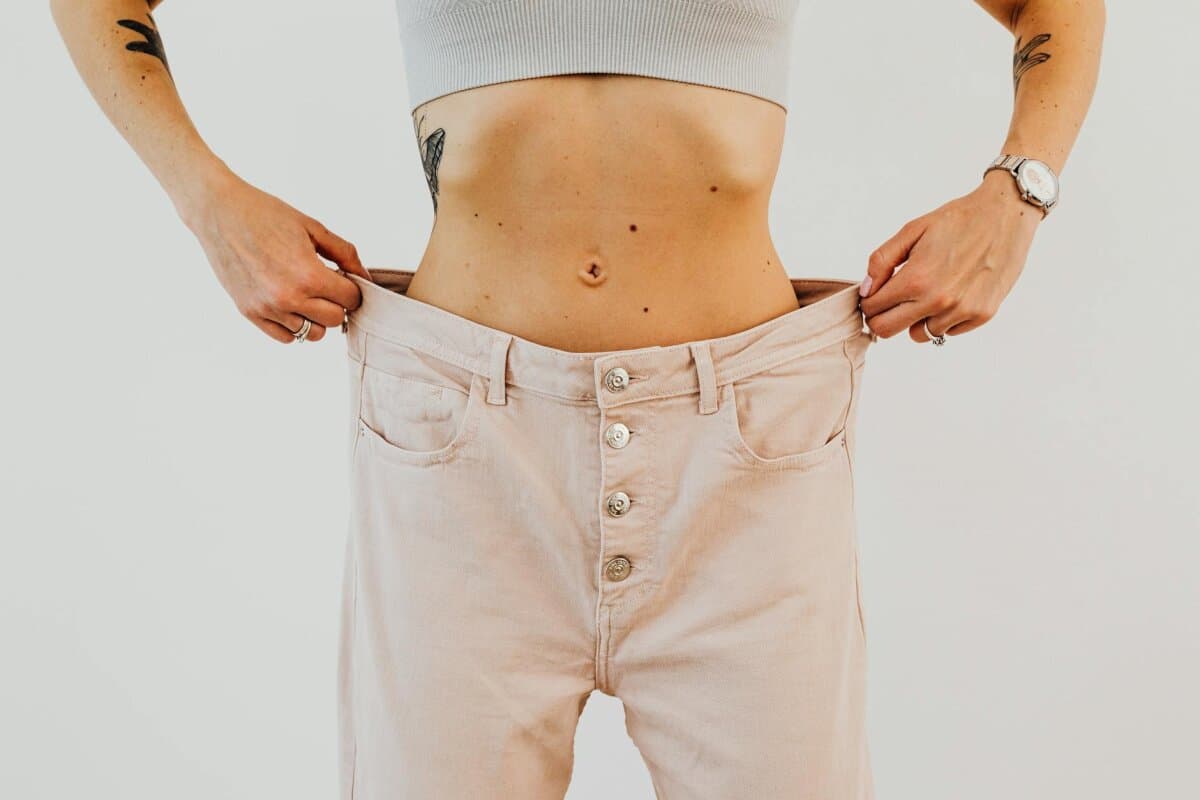
Why You’re Losing Weight but Not Fat (And How to Fix It)
If the scale is dropping but your body doesn’t look leaner, you’re not alone. Weight loss doesn’t always equal fat loss, and the scale often hides what’s really happening. This article breaks down why it happens and how to fix it with smarter training, nutrition, and recovery strategies.

How Sodium Intake Impacts Fat Loss and Water Weight
Sodium is often blamed for weight gain, but its real impact is on water balance not body fat. Understanding how sodium affects scale weight, performance, and hydration can help you diet more effectively. Learn why consistent sodium intake supports better training and more reliable fat loss progress.

High-Volume Foods That Make Fat Loss Easier
High-volume foods make fat loss easier by allowing you to eat larger portions while consuming fewer calories. By focusing on foods rich in water, fiber, and lean protein, you can control hunger, improve satiety, and stay consistent with your fat-loss goals. This approach supports sustainable results without constant deprivation.

How Hydration Impacts Fat Loss and Workout Performance
Hydration is a powerful but often overlooked factor in fat loss and workout performance. From metabolism and fat burning to strength, endurance, and recovery, proper fluid and electrolyte intake can dramatically influence results. Treating hydration as a performance tool can help unlock better body composition and training outcomes.