Concurrent Training Without Killing Strength Gains
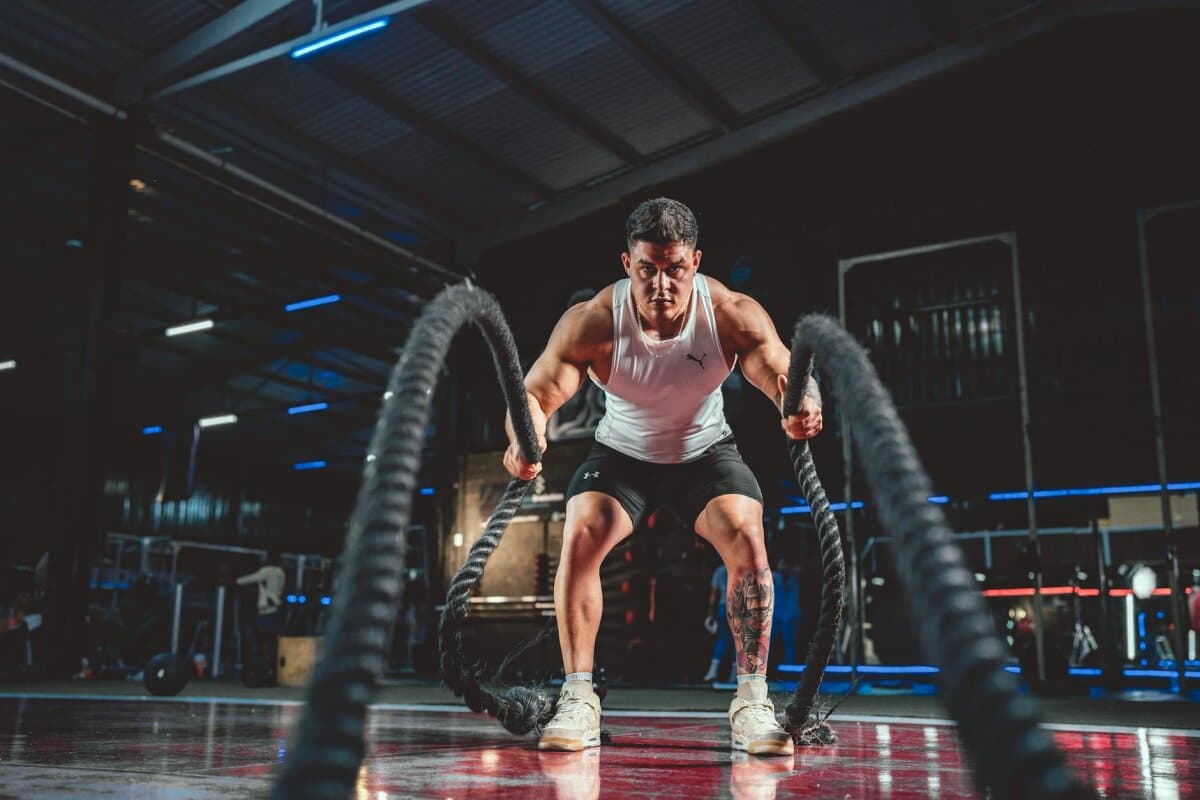
You like lifting heavy. You also like being able to breathe after walking up a flight of stairs. Fair enough.
That’s the spot a lot of lifters find themselves in. You want strength. Real strength. But you also want conditioning, endurance, maybe a bit of fat loss, and the ability to move well outside the gym. And then the fear creeps in. “If I add cardio, am I going to lose muscle? Is this going to wreck my squat?”
This is where concurrent training comes in. Done right, it lets you build strength and conditioning together. Done wrong… yeah, it can absolutely stall your progress.
The good news? You don’t have to choose between being strong or fit. You just need to understand the interference effect and learn how to program around it. That’s exactly what we’re digging into here. Practical strategies. Real-world examples. No dogma.
What Is Concurrent Training?
Concurrent training simply means training for strength (or muscle) and endurance at the same time, within the same overall program.
Think lifting weights while also running a few days per week. Or heavy barbell work mixed with cycling, rowing, or CrossFit-style conditioning. If your week includes both resistance training and cardio with some kind of structure, you’re doing concurrent training. Whether you call it that or not.
This is different from tossing in a random 10-minute jog after leg day because you feel guilty. Casual movement is one thing. Structured endurance training planned sessions with volume, intensity, and progression is another animal entirely.
Concurrent training has become the norm in modern fitness culture. People want to look good, lift heavy, play recreational sports, stay healthy, and not gas out during weekend activities. Makes sense.
The challenge is that strength and endurance push your body to adapt in different ways. Sometimes those adaptations clash. That’s where smart programming matters.
Who Typically Uses Concurrent Training?
You’ll see concurrent training everywhere once you know what to look for.
- Lifters who add cardio for fat loss or heart health
- Runners who lift to stay strong and injury-resistant
- CrossFit-style athletes chasing strength and work capacity
- Recreational athletes who want to be generally capable
If you’re not training for a single extreme (like elite powerlifting or marathon running), concurrent training is probably relevant to you.
The Interference Effect Explained
The interference effect is the idea that endurance training can blunt strength and muscle gains when both are trained together. This concept has been around in exercise science for decades, and yes, it’s real.
But it’s also misunderstood.
Strength training pushes your body toward neural adaptations, muscle fiber growth, and higher force production. Endurance training pushes adaptations related to efficiency, fatigue resistance, and energy use. At the cellular level, those signals don’t always play nicely together.
Add too much endurance work or place it poorly and your body struggles to fully commit to getting stronger. Recovery takes a hit. Heavy lifts feel slower. Progress stalls.
Lower-body strength tends to suffer the most, mainly because so much endurance work is leg-dominant. Running, cycling, sleds, intervals. Your legs rarely get a break.
But here’s the key point. The interference effect is dose-dependent. A little cardio won’t ruin your gains. Poorly planned cardio might.
How Cardio Can Affect Squats and Deadlifts
Ever tried to hit heavy squats after a week of hard running? Yeah. Not fun.
Lifts like the Barbell Low-Bar Squat and the Barbell Deadlift demand high neural output and fresh legs. Long or intense endurance sessions can leave lingering fatigue, even if you don’t feel sore.
The result? Slower bar speed. Missed reps. Technique breakdown. And over time, reduced strength progression.
This doesn’t mean you can’t squat and do cardio. It just means your legs don’t have unlimited recovery capacity. Spend it wisely.
Choosing Cardio That Won’t Kill Your Strength
Here’s where a lot of people mess up. They treat all cardio as the same.
It’s not.
The type of cardio you choose has a massive impact on how much it interferes with strength gains. High-impact, high-volume endurance work creates more muscle damage and recovery demand. Low-impact options tend to play nicer with heavy lifting.
Running long distances multiple times per week? That’s rough on the legs. Especially if you’re squatting and pulling heavy.
On the flip side, modalities like cycling or incline walking create less eccentric stress. Less muscle damage. Easier recovery. That matters.
The goal isn’t to avoid hard work. It’s to choose conditioning that supports your goals instead of competing with them.
Best Cardio Options for Lifters
If strength is a priority, start here.
- Incline treadmill walking Low impact, steady-state, and easy to recover from. Using Treadmill Running at a brisk incline is a favorite for a reason.
- Stationary cycling Minimal muscle damage and very joint-friendly. Great for intervals or longer sessions.
- Rowing ergometer Distributes work across upper and lower body, reducing leg-specific fatigue.
- Short conditioning circuits Done intelligently and not to failure, these can build work capacity without wrecking recovery.
What to be careful with? High-volume running, frequent all-out intervals, and anything that leaves your legs feeling trashed for days.
Programming and Timing Strength and Cardio Sessions
Timing matters. A lot.
If strength is your main goal, lifting should usually come first. Cardio before heavy lifting can reduce force output and technical quality. You want to be fresh when the bar is loaded.
When possible, separate strength and cardio sessions by several hours. Six to twenty-four hours is a solid range. This gives your body time to recover and reduces competing adaptation signals.
Same-day training can work. But order matters. Lift first. Then cardio.
Another option? Different days entirely. Heavy lower-body lifting on one day, conditioning on another. This works especially well for people with flexible schedules.
Zoom out and think weekly, not just daily. Recovery accumulates over time.
Post-Lift Cardio vs Separate Conditioning Days
Post-lift cardio is popular because it’s convenient. Finish your squats, then hit 15 25 minutes of easy conditioning. For many lifters, this works just fine.
Separate conditioning days allow higher-quality endurance work without interfering with lifting sessions. This is often better if you care about both performance and recovery.
Which is better? Depends on your schedule, recovery ability, and priorities. The worst option is cramming hard cardio before heavy lifts and wondering why your numbers stall.
Managing Volume, Intensity, and Recovery
Volume is the silent killer of concurrent training.
A little cardio goes a long way. You don’t need marathon-level endurance to be fit and healthy. Excessive endurance volume is one of the fastest ways to blunt strength gains.
For strength-focused athletes, cardio should feel challenging but controlled. You should finish most sessions feeling worked, not destroyed.
Avoid failure-based conditioning whenever possible. Redlining every session taxes recovery and piles stress on already-fatigued muscles.
Watch for warning signs.
- Strength numbers stalling or dropping
- Persistent leg fatigue
- Poor sleep or elevated resting heart rate
- Dreading sessions you usually enjoy
Those aren’t badges of honor. They’re feedback.
Nutrition, Sleep, and Energy Balance
You can’t out-program poor recovery. Trust me on this.
Concurrent training increases energy demands. If you’re lifting and doing cardio, you need to eat enough to support both. Chronic calorie deficits plus high training volume is a recipe for stalled progress.
Protein intake matters too. Aim for consistency, not perfection.
And sleep? Non-negotiable. Seven to nine hours isn’t a luxury. It’s part of the program.
Deloads help. Planned reductions in volume or intensity allow adaptations to catch up. Strong athletes aren’t the ones who train hardest every week. They’re the ones who recover best.
Who Benefits Most From Concurrent Training?
Concurrent training shines when performance is broader than one lift or one event.
Athletes and recreational sports players need strength and conditioning. Runners benefit from lifting to improve durability and power. General fitness enthusiasts chasing long-term health need both muscle and cardiovascular capacity.
This approach also suits people who care about longevity. Muscle mass, strength, and aerobic fitness all matter as you age.
When might concurrent training not be ideal? During short, highly specialized phases. If you’re peaking for a powerlifting meet or training exclusively for an endurance event, focus matters. You can always reintroduce balance later.
Final Thoughts: Building Strength and Conditioning Together
Concurrent training doesn’t have to kill your strength gains. It just needs respect.
Prioritize heavy lifting. Choose cardio that supports recovery. Pay attention to timing, volume, and how your body responds.
You don’t need extremes to be effective. You need consistency, smart decisions, and patience.
Being strong and conditioned isn’t a contradiction. It’s a skill. Train it well.
Frequently Asked Questions
Related Articles
How to Optimize Lifting Technique With Biomechanics
Biomechanics offers a smarter way to improve lifting technique by understanding how your body moves under load. By applying principles like leverage, balance, and joint alignment, lifters can build strength more efficiently while reducing injury risk. This guide shows how to use biomechanics to refine form in major compound lifts.
Repetition Effort Method Explained for Hypertrophy and Strength
The repetition effort method is a proven training approach that uses moderate weights and high reps taken close to failure to stimulate muscle growth. Popular in both bodybuilding and strength training systems, it builds size, work capacity, and long-term strength. Learn how to program it effectively for hypertrophy-focused results.
Velocity Based Training: Auto-Regulate Like a Pro
Velocity based training is a data-driven approach that uses bar speed to auto-regulate load, volume, and intensity. Instead of guessing based on percentages, VBT helps lifters train according to real-time performance. Learn how to apply velocity metrics to build strength, manage fatigue, and progress smarter.
Neural Drive Enhancement for Explosive Strength Training
Explosive strength is driven as much by the nervous system as by muscle size. This article explains how neural drive influences power output and how targeted training methods can improve explosive performance. Learn how to program heavy lifts, speed work, and recovery for long-term strength gains.