The Conjugate Method Simplified for Everyday Lifters
The Conjugate Method Simplified for Everyday Lifters
You’ve probably heard of the Conjugate Method. Maybe from Westside Barbell clips. Maybe from that one guy at your gym who swears bands and chains are the secret to everything. And honestly? It can sound intimidating. Complicated. Like it’s only meant for geared powerlifters chasing world records.
But here’s the thing most people miss. The Conjugate Method isn’t a list of hardcore rules. It’s a framework. A way to train different qualities strength, muscle, power without burning out or stalling every few months.
And no, you don’t need to compete. You don’t need specialty bars. You don’t need to max out every week and wreck your joints.
This article is about making conjugate training practical. Gym-friendly. Something that works if your goals are getting stronger, building muscle, staying athletic, and still feeling good when you walk up the stairs the next day. Trust me, that matters.
What the Conjugate Method Really Means (Without the Jargon)
At its core, the Conjugate Method is pretty simple.
Instead of doing the same lifts, the same reps, and the same weights week after week, you rotate exercises and train multiple strength qualities at the same time.
That’s it.
Most traditional programs are linear. You add weight every week until you stall. Then you deload. Then you start over. Bodybuilding splits often focus on muscle but ignore speed, power, or heavy strength work.
Conjugate flips that idea. You might train a heavy lift early in the week. Then move fast and explosive later. Then hammer higher reps and accessories for muscle and joint health.
And because the main lift changes every 1 3 weeks, your body doesn’t get bored. Your joints don’t get beat up. Plateaus show up less often.
For non-powerlifters, this means variety with purpose. Not random workouts. Not chaos. Just smarter rotation.
The Four Key Pieces of Conjugate Training Simplified
You’ll often hear conjugate talked about in four buckets. Don’t overthink them. Each one serves a different role.
Max Effort Without Max Stress
Max effort doesn’t mean testing a true one-rep max every week. Especially if you’re not competing.
For everyday lifters, it means working up to a heavy set of 3 5 reps on a main lift variation. Something challenging. Something that demands focus. But not something that leaves you limping.
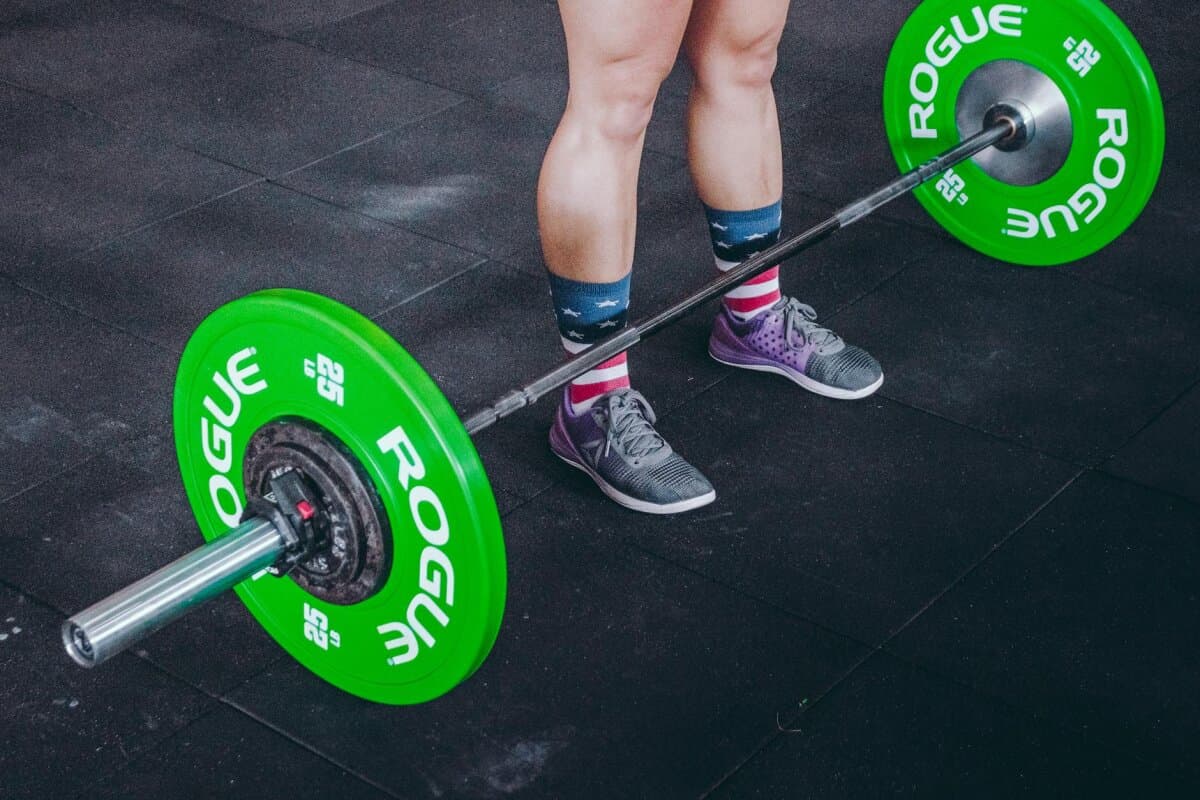
A heavy Barbell Deadlift variation, a squat pattern, or even a tough unilateral move can all work here.
The goal? Build real strength. Teach your body to strain a bit. Then move on.
Dynamic Effort for Power, Speed, and Conditioning
This is the part most people skip and honestly, that’s a mistake.
Dynamic effort is about moving lighter loads fast. Speed. Intent. Explosiveness.
Think jumps, sprints, lighter squats done with crisp technique, or even conditioning-style movements like Burpees when programmed smartly.
This kind of work builds power, keeps training fun, and helps athleticism carry over outside the gym. Plus, it’s sneaky good for fat loss.
Repetition Effort and Accessories for Muscle and Joint Health
This is where hypertrophy lives.
Higher reps. Controlled tempo. Feeling the muscle work. Accessories support weak points, build size, and keep joints happy.
Rows, presses, lunges, core work, single-leg movements. This is where you earn your pump and protect your body long term.
For example, the Bulgarian Split Squat is brutal in the best way. Strength, balance, muscle. All in one.
Exercise Swaps That Make Conjugate Training Gym-Friendly
Here’s a big relief for most people.
You don’t need competition lifts.
Non-powerlifters benefit more from exercises that are joint-friendly, easy to set up, and repeatable week after week without pain.
Lower-Body Max Effort Alternatives
Instead of chasing a competition squat every week, rotate movements.
Heavy squat variations, controlled tempo squats, or even deadlift-focused days using a Barbell Full Squat pattern all get the job done.
The goal isn’t specificity. It’s overload without abuse.
Upper-Body Pressing Without Shoulder Pain
Shoulders beat up? You’re not alone.
Rotate pressing angles. Mix in dumbbells, push-ups, and machines. A classic Push-Up can be a legit max or repetition effort movement when loaded or slowed down.
Your shoulders will thank you. Seriously.
Dynamic and Accessory Movements Anyone Can Use
You don’t need bands, chains, or fancy setups.
Jumps, medicine ball throws, fast bodyweight movements, sleds if you have them. Even Treadmill Running intervals can fit as dynamic effort when programmed intentionally.
Accessories? Pulling movements like Pull-Ups, rows, core work, and single-leg training cover most needs.
How to Structure a Simplified Conjugate Week
This is where people freeze up. Don’t.
Pick a schedule that fits your life. Then apply the ideas.
4-Day Upper/Lower Conjugate-Inspired Split
Day 1: Lower Max Effort + accessories
Day 2: Upper Max Effort + accessories
Day 3: Lower Dynamic Effort + unilateral work
Day 4: Upper Dynamic/Repetition Effort
Rotate the main lift every 1 2 weeks. Accessories stay fairly consistent.
3-Day Simplified Conjugate Program
Day 1: Full-body heavy emphasis
Day 2: Dynamic effort + conditioning
Day 3: Hypertrophy and accessories
This works great if you train after work and don’t want marathon sessions.
Athletic Conjugate Hybrid Option
Blend strength days with speed, jumps, and conditioning.
One heavy day. One dynamic day. One higher-rep athletic day.
Simple. Effective. Sustainable.
Why Conjugate Training Works for Muscle, Fat Loss, and Longevity
Let’s kill a myth.
Conjugate training isn’t just about max strength.
The repetition and accessory work drives hypertrophy. Dynamic effort boosts conditioning and calorie burn. Rotating exercises reduces overuse injuries.
And mentally? It keeps training fresh. That matters more than most people admit.
This style of training shines for people who want to lift for decades, not just a summer.
Practical Tips for Getting Started Without Overcomplicating It
Rotate main lifts every 1 3 weeks. Push hard, but leave one rep in the tank.
If recovery feels off, pull back. Sleep, food, and stress matter.
And here’s the biggest sign it’s working your numbers slowly climb, your joints feel better, and you actually enjoy training.
That’s not flashy. But it’s real.
Conjugate Training Made Practical
The Conjugate Method doesn’t belong only to elite powerlifters.
It’s a flexible system that adapts to real lives, real gyms, and real goals.
Use it to build strength. Use it to gain muscle. Use it to stay athletic and pain-free.
Forget perfection. Train consistently. Rotate smart. And keep showing up.
That’s how progress actually happens.
Frequently Asked Questions
Related Articles
How to Optimize Lifting Technique With Biomechanics
Biomechanics offers a smarter way to improve lifting technique by understanding how your body moves under load. By applying principles like leverage, balance, and joint alignment, lifters can build strength more efficiently while reducing injury risk. This guide shows how to use biomechanics to refine form in major compound lifts.
Repetition Effort Method Explained for Hypertrophy and Strength
The repetition effort method is a proven training approach that uses moderate weights and high reps taken close to failure to stimulate muscle growth. Popular in both bodybuilding and strength training systems, it builds size, work capacity, and long-term strength. Learn how to program it effectively for hypertrophy-focused results.
Velocity Based Training: Auto-Regulate Like a Pro
Velocity based training is a data-driven approach that uses bar speed to auto-regulate load, volume, and intensity. Instead of guessing based on percentages, VBT helps lifters train according to real-time performance. Learn how to apply velocity metrics to build strength, manage fatigue, and progress smarter.
Neural Drive Enhancement for Explosive Strength Training
Explosive strength is driven as much by the nervous system as by muscle size. This article explains how neural drive influences power output and how targeted training methods can improve explosive performance. Learn how to program heavy lifts, speed work, and recovery for long-term strength gains.