Diet Break Protocols: When and How to Use Them for Fat Loss
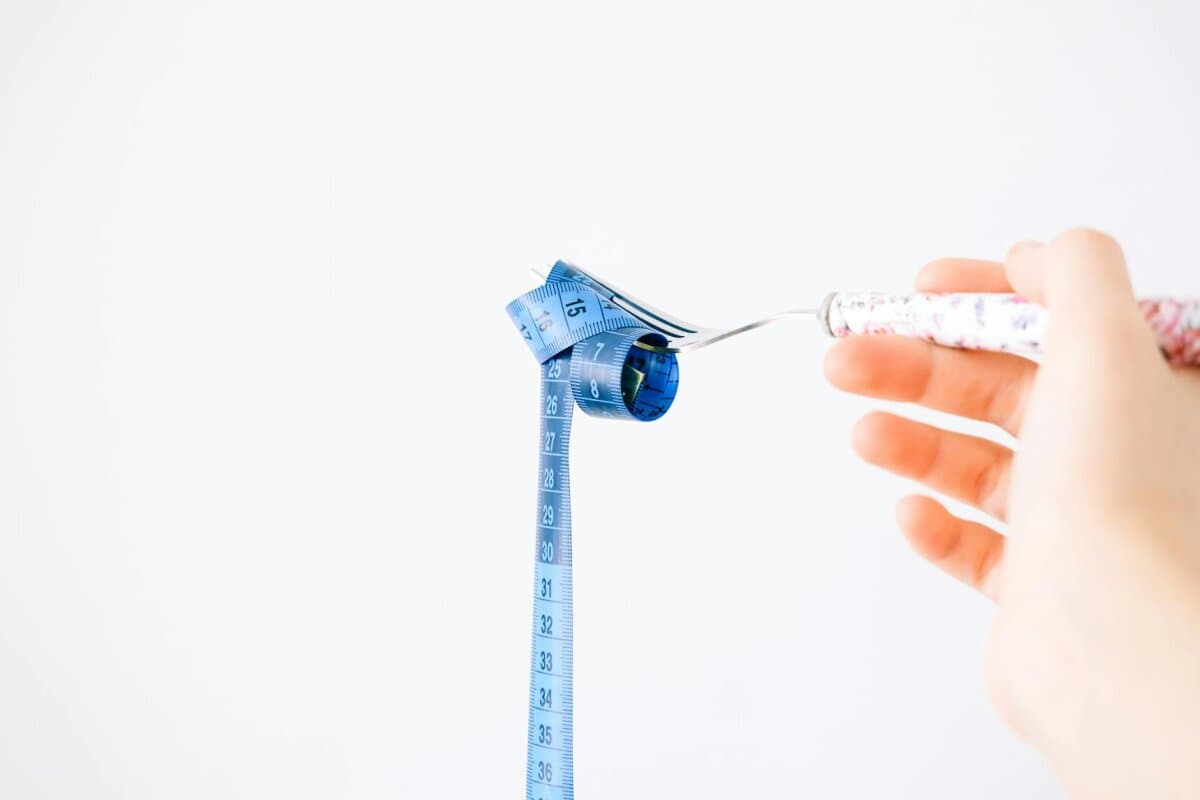
Diet Break Protocols: When and How to Use Them for Fat Loss
Let’s be honest. Fat-loss diets sound simple on paper eat less, move more but anyone who’s actually been there knows the grind is real. Weeks turn into months. Hunger creeps up. Training feels flat. Motivation? Hanging on by a thread.
That’s where diet breaks come in. Not as a bailout. Not as a cheat. But as a smart, planned tool that helps you keep going when a calorie deficit starts pushing back.
If you’re a lifter, physique-focused athlete, or just someone who’s tired of white-knuckling every cut, this article is for you. We’ll break down exactly what a diet break is, why it works, when to use it, and how to do it without sabotaging your progress. No fluff. Just practical guidance you can actually use.
What Is a Diet Break?
A diet break is a planned, temporary return to maintenance calories during a fat-loss phase. That’s it. You’re not binging. You’re not “seeing what happens.” You’re deliberately eating enough to maintain your body weight for a short window usually one to two weeks.
The goal isn’t fat loss. And it’s definitely not fat gain. The goal is recovery. Physical and mental.
Think of it like letting your foot off the gas before the engine overheats. You’re still on the same road. You’re just pacing the trip better.
Diet Break vs. Refeed: Key Differences
This is where people get tripped up.
A refeed is typically short one day, maybe two and often focused on bumping carbs while staying close to a deficit or slight surplus. It’s tactical. Useful. But limited.
A diet break lasts longer. Multiple days. Sometimes a full two weeks. Long enough to actually restore training performance, reduce diet fatigue, and normalize how you feel day to day.
And no, a cheat day isn’t either of these. That’s just unstructured eating with a nicer name.
Why Maintenance Calories Matter
Maintenance calories are the intake level where your body weight stays relatively stable. No loss. No gain.
During a diet break, hitting maintenance matters because it sends a clear signal: food is available again. Energy stress drops. Recovery improves. Hormonal signals that took a hit during the deficit start to rebound.
Miss that mark especially by overshooting and you’re no longer taking a break. You’re just adding unnecessary body fat.
Why Diet Breaks Work: Physiology and Psychology
Diet breaks aren’t magic. But they work because they address the two biggest problems with long-term fat loss: diet fatigue and adaptation.
Stay in a calorie deficit long enough and your body pushes back. Hard. Hunger ramps up. Energy drops. Training performance slides. That’s not weakness that’s biology.
Metabolic Adaptation and Energy Availability
As you diet, your body becomes more efficient. You burn fewer calories at rest and during movement. Hormones like leptin drop, thyroid output can decline, and overall energy availability shrinks.
A properly executed diet break helps reverse some of that. Not overnight. But enough to matter.
With more calories especially carbohydrates muscle glycogen refills. Training feels better. Heavy compounds like the Barbell Full Squat or Barbell Deadlift stop feeling like absolute survival events.
Strength stabilizes. Sometimes it even climbs a bit. And that’s huge for preserving muscle during a long cut.
Psychological Relief and Adherence
This part gets underrated. Way underrated.
Dieting is mentally exhausting. Tracking. Restricting. Saying no. Over and over.
A diet break gives you breathing room. Meals feel normal again. Hunger chills out. Social situations stop being stressful.
And here’s the kicker when you know a break is coming, it’s easier to stay disciplined before it. Structure beats willpower every time. Trust me on this.
When Should You Use a Diet Break?
Not every plateau means you need a diet break. But there are clear signs when one makes sense.
If you’re noticing several of these at once, pay attention:
- Persistent hunger that doesn’t improve week to week
- Training performance dropping across multiple lifts
- Poor sleep and recovery
- Low motivation or growing resentment toward the diet
- Fat loss stalling despite solid adherence
Longer diets amplify all of this. The deeper you go, the more strategic you need to be.
Diet Length, Body Fat Levels, and Individual Response
The leaner you are, the harder dieting becomes. Simple as that.
Someone starting at a higher body fat percentage can often push a deficit longer without issues. A leaner lifter chasing visible abs? Different story.
High training volume also matters. If you’re pushing hard in the gym heavy presses like the Barbell Bench Press, lots of volume, bodyweight work like Pull-Ups your recovery demands are higher.
That’s when diet breaks really earn their keep.
How Long Should a Diet Break Last?
Most diet breaks fall into the 7 14 day range. That’s the sweet spot for most people.
Shorter than a week? You may not get the full physiological or psychological benefits. Longer than two weeks? You risk losing momentum unless it’s clearly planned.
Your diet history matters here. A short, aggressive cut might only need a week. A long, drawn-out fat-loss phase? Two weeks can be a game-changer.
Short vs. Longer Diet Breaks: Pros and Cons
Short breaks (7 days) are easier to reintegrate and maintain focus afterward. Great for recreational lifters.
Longer breaks (10 14 days) allow deeper recovery and better training output, especially for physique athletes.
What you don’t want? Frequent breaks every couple of weeks. That just slows progress and turns structure into noise.
How to Structure Calories and Macros During a Diet Break
Structure is everything here. Lose it, and the diet break loses its purpose.
First, estimate your true maintenance calories. Use recent body weight trends, not some random calculator. If weight has been stable at a certain intake before, start there.
Protein stays high. Always. Around 0.8 1g per pound of lean body mass is a solid range.
Carbs get priority. This is where most of the extra calories should come from. They restore glycogen, support training, and make workouts feel alive again.
Fats can rise naturally, but don’t let them run wild. Remember, maintenance not surplus.
Training Performance and Recovery Benefits
With more carbs on board, pumps come back. Strength stabilizes. Sessions feel productive instead of draining.
This is a great time to push quality volume or simply enjoy training again. Heavy sets don’t feel like punishment. And recovery between sessions improves noticeably.
Some lifters pair diet breaks with lighter weeks or deloads. Others take advantage of the extra fuel and train hard. Both can work it depends on where you’re at.
Common Mistakes and Who Benefits Most
The biggest mistake? Treating a diet break like an uncontrolled cheat week.
Overshooting calories. Dropping tracking completely. Turning structure into chaos.
Another issue is using diet breaks too often. If every stall triggers a break, fat loss crawls.
Plan them. Don’t react emotionally.
Diet Breaks for Bodybuilders and Recreational Lifters
Leaner individuals, chronic dieters, and physique athletes benefit the most. Prep-style diets without breaks are brutal and often unnecessary.
Recreational lifters benefit too especially those balancing training with real life. Diet breaks make fat loss sustainable, not miserable.
They’re not a shortcut. They’re a strategy.
Final Thoughts on Diet Break Protocols
Diet breaks aren’t about doing less work. They’re about doing smarter work.
When used intentionally, they improve adherence, training performance, and long-term results. They help you stay in the game instead of burning out halfway through.
Plan them proactively. Respect maintenance calories. Keep structure.
Fat loss isn’t a sprint. It’s a long process. And sometimes, the best way forward is knowing when to pause briefly so you can keep pushing later.
Frequently Asked Questions
Related Articles

Caloric Zigzag Method: Break Fat Loss Plateaus Effectively
Hitting a fat loss plateau can be frustrating, even with consistent training and calorie tracking. The caloric zigzag method offers a structured way to cycle calories, support performance, and overcome metabolic adaptation. Learn how to use calorie cycling strategically to restart fat loss without burning out.

Micronutrient Optimization for Athletes on a Cut
Cutting calories helps reduce body fat, but it also increases the risk of micronutrient deficiencies for athletes. This guide explains why vitamins and minerals matter more during a cut and how optimizing micronutrient intake supports performance, recovery, hormones, and lean muscle retention.

Pre-Contest Carb Depletion: Science and Application
Pre-contest carb depletion is a traditional peak week strategy used to manipulate muscle glycogen and physique appearance. This article breaks down the science behind glycogen storage, hormonal responses, and water balance. Learn how to apply carb depletion strategically, understand the risks, and set up an effective carb load based on physiology rather than guesswork.

How to Prevent Metabolic Adaptation During Long Fat Loss
Metabolic adaptation is a normal response during long fat loss phases, but it doesn’t have to stall your progress. By managing calorie deficits, training intelligently, and supporting recovery, you can minimize plateaus and protect your metabolism. This guide breaks down the science and practical strategies for sustainable, long-term fat loss.