Diet Plan for Fat Loss Without Muscle Loss
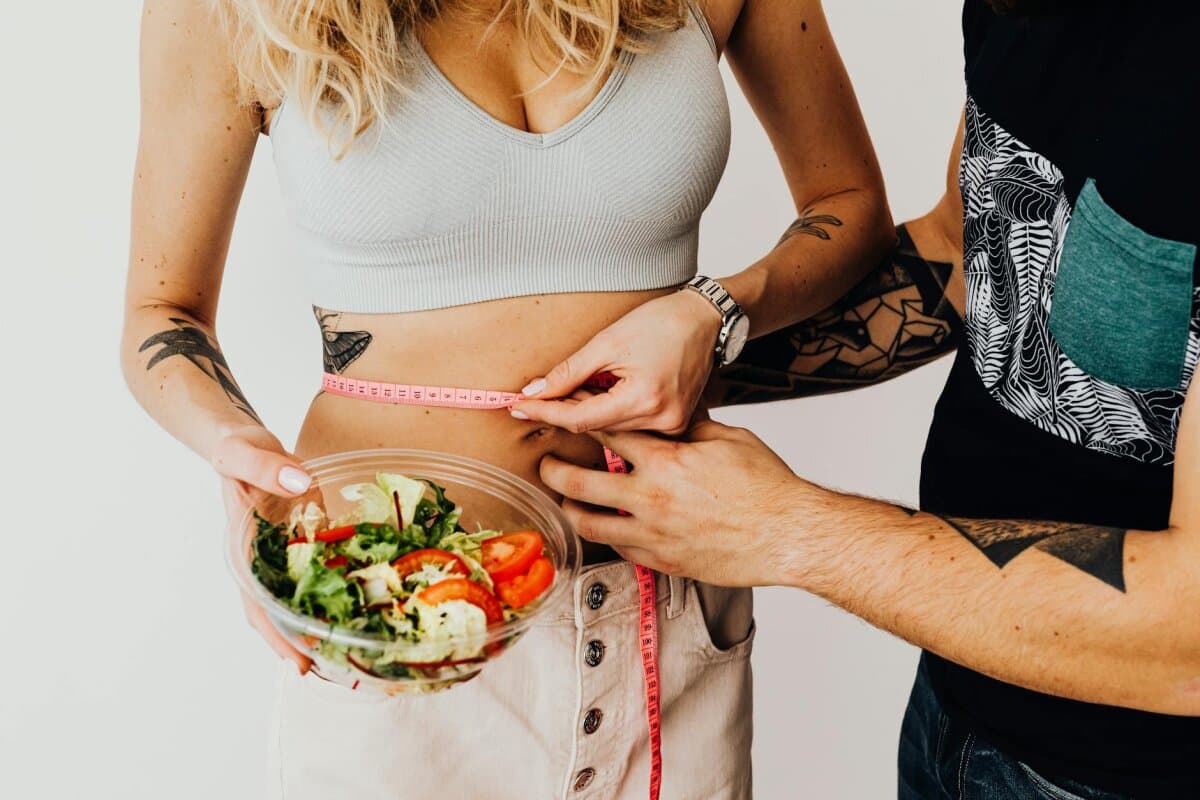
Diet Plan for Fat Loss Without Muscle Loss
You’ve probably seen it happen. Someone decides it’s time to get lean, slashes calories hard, lives on salads and coffee… and a few weeks later they’re smaller. But not in a good way. Strength is down. Muscles look flat. Motivation? Gone.
Fat loss doesn’t have to work like that. And honestly, it shouldn’t.
If you’re a recreational lifter or regular gym-goer, your goal isn’t just to see a lower number on the scale. You want to look athletic. Strong. Like you actually train. That means losing body fat without sacrificing the muscle you worked so hard to build. Trust me on this it’s more about strategy than suffering.
How to Create a Calorie Deficit Without Losing Muscle
Let’s get the big concept out of the way. Fat loss requires a calorie deficit. Period. If you’re not eating fewer calories than you burn, body fat isn’t going anywhere.
But here’s where people mess it up. They assume a bigger deficit equals faster results. And while that’s technically true on paper, your body isn’t a spreadsheet.
When calories drop too low, your body looks for fuel wherever it can find it. That includes muscle tissue. Especially if protein is low and training performance tanks.
Why Crash Diets Cause Muscle Loss
Crash dieting sends a loud signal: “Food is scarce.” In response, your body adapts by lowering energy expenditure and breaking down muscle to survive. Strength drops. Workouts feel awful. Recovery suffers.
And once muscle is gone, metabolism slows with it. That’s why aggressive cuts often lead to rebounds. You’re leaner for five minutes… then heavier than before.
Finding Your Maintenance Calories
Start with maintenance. You can estimate it using an online calculator, but don’t treat that number like gospel. Track your intake and bodyweight for 7 10 days. If weight is stable, you’ve found your baseline.
From there, aim for a 10 20% calorie deficit. For most lifters, that’s enough to drive fat loss while still supporting training and recovery.
And don’t obsess over daily scale changes. Look at weekly averages, progress photos, and how your lifts feel. Those tell the real story.
Protein Intake and Macro Setup for Preserving Lean Mass
If there’s one nutrition lever that matters most during a cut, it’s protein. No contest.
Protein drives muscle protein synthesis, helps repair tissue from training, and keeps hunger in check. When calories are lower, its role becomes even more important.
How Much Protein Do You Really Need When Cutting?
A solid range for most lifters is 0.8 1.0 grams of protein per pound of lean bodyweight. If you’re not sure about lean mass, using total bodyweight works fine for simplicity.
So a 180-pound lifter might aim for 150 180 grams per day. That’s not extreme. It’s realistic. And yes, it helps protect muscle when fat loss is the goal.
Protein also has a high thermic effect, meaning you burn more calories digesting it. Nice bonus.
Setting Your Macros: Protein First Approach
Here’s how I like to set macros during a cut:
- Protein: Set this first. Don’t negotiate with it.
- Fats: Keep them moderate for hormone health and joint comfort.
- Carbs: Fill in the rest based on training demands.
Macros aren’t magic numbers. They’re tools. If higher carbs help you train harder, great. If you prefer more fats and fewer carbs, that can work too as long as protein and calories are on point.
Carbs vs. Fats: Fueling Training While Losing Fat
Carbs get blamed for everything. Fat gain. Water retention. Bad cuts. You’ve heard it all.
But completely removing carbs is one of the fastest ways to wreck gym performance.
Why Carbs Matter for Strength Retention
Carbohydrates fuel high-intensity training. Heavy sets. Volume work. The stuff that tells your body, “Hey, we still need this muscle.”
If your lifts are built around compound movements like the Barbell Full Squat, Barbell Bench Press, and Barbell Deadlift, carbs become even more valuable.
Dietary fats matter too. They support hormone production, joint health, and overall satiety. Cutting fats too low for too long? Not a great idea.
The sweet spot is balance. Adjust carbs up on hard training days. Pull them back slightly on rest days if needed. Simple.
Meal Timing and Frequency During a Fat Loss Phase
Meal timing isn’t as important as total calories and protein. But it still matters, especially when performance is a priority.
Eating around your workouts can help you train harder and recover faster. And when calories are lower, every advantage counts.
Pre- and Post-Workout Nutrition for Muscle Retention
Before training, aim for a meal with protein and carbs. Nothing fancy. Chicken and rice. Greek yogurt and fruit. Whatever sits well.
After training, another protein-rich meal helps kickstart recovery. Spread protein evenly across the day instead of cramming it all into dinner.
As for meal frequency? Three meals, four meals, six meals it’s your call. Pick what you can stick to. Consistency beats perfection.
Training and Cardio Strategies That Protect Muscle
Here’s the hard truth. You can’t diet your way to muscle retention. You have to train for it.
Strength training is non-negotiable during fat loss. Lifting heavy tells your body that muscle is still required.
Why Lifting Heavy Signals Your Body to Keep Muscle
Compound lifts recruit a lot of muscle mass and create a strong stimulus. Movements like Pull-Ups, squats, presses, and deadlifts should stay in your program even if volume drops slightly.
You don’t need to set PRs every week. But you should be fighting to maintain strength.
As for cardio, more isn’t better. Excessive cardio plus low calories is a fast track to burnout. Low-intensity work like walking is incredibly effective for increasing calorie expenditure without wrecking recovery.
Popular cutting splits Upper/Lower, Push Pull Legs, or full-body routines all work. Choose the one that fits your schedule and recovery.
Recovery, Sleep, and Common Dieting Mistakes
This part gets ignored way too often. Recovery matters more during a cut than during a bulk.
Sleep regulates hunger hormones, supports testosterone levels, and improves workout performance. Consistently getting less than six hours? That’s working against you.
Mistakes That Sabotage Muscle During Fat Loss
- Eating too little for too long
- Doing endless cardio sessions
- Eliminating entire food groups
- Chasing scale weight instead of performance
Fat loss is a long game. Extreme approaches usually backfire.
Final Thoughts: Losing Fat While Keeping Your Hard-Earned Muscle
Fat loss without muscle loss isn’t a myth. It just requires patience and a plan.
A moderate calorie deficit. High protein intake. Smart training built around compound lifts. Enough sleep to actually recover. That’s the formula.
Focus on how you look, how you perform, and how you feel not just what the scale says. If strength is mostly holding steady and body fat is trending down, you’re doing it right.
Build habits you can sustain. Because the best cut is the one that doesn’t undo months of hard work.
Frequently Asked Questions
Related Articles

Why You’re Losing Weight but Not Fat (And How to Fix It)
If the scale is dropping but your body doesn’t look leaner, you’re not alone. Weight loss doesn’t always equal fat loss, and the scale often hides what’s really happening. This article breaks down why it happens and how to fix it with smarter training, nutrition, and recovery strategies.

How Sodium Intake Impacts Fat Loss and Water Weight
Sodium is often blamed for weight gain, but its real impact is on water balance not body fat. Understanding how sodium affects scale weight, performance, and hydration can help you diet more effectively. Learn why consistent sodium intake supports better training and more reliable fat loss progress.

High-Volume Foods That Make Fat Loss Easier
High-volume foods make fat loss easier by allowing you to eat larger portions while consuming fewer calories. By focusing on foods rich in water, fiber, and lean protein, you can control hunger, improve satiety, and stay consistent with your fat-loss goals. This approach supports sustainable results without constant deprivation.

How Hydration Impacts Fat Loss and Workout Performance
Hydration is a powerful but often overlooked factor in fat loss and workout performance. From metabolism and fat burning to strength, endurance, and recovery, proper fluid and electrolyte intake can dramatically influence results. Treating hydration as a performance tool can help unlock better body composition and training outcomes.