Eccentric Overload Training: Build More Muscle Safely

Eccentric Overload Training: Build More Muscle Safely
You’ve probably noticed it. The conversation in gyms has shifted.
Less obsession with one-rep maxes. More talk about longevity, joint health, and actually feeling your muscles work. And somewhere in that conversation, eccentric overload training keeps popping up.
For good reason.
Eccentric overload isn’t some flashy new trend. It’s a smarter way to build muscle by leaning into the part of each lift where your body is naturally strongest the lowering phase. Done right, it delivers serious hypertrophy without beating up your joints or frying your nervous system. Trust me on this. If you’ve been chasing size but your elbows, knees, or shoulders are starting to complain, this approach deserves your attention.
What Is Eccentric Overload Training?
Let’s clear up the terminology first. No jargon. No fluff.
Every resistance exercise has three basic muscle actions:
- Concentric: the muscle shortens. Think pressing the bar up in a bench press.
- Eccentric: the muscle lengthens under load. Lowering the bar back to your chest.
- Isometric: the muscle holds tension without moving. Pausing mid-rep.
Eccentric overload training focuses on that second phase the controlled lowering using either more time, more load, or both.
And no, this isn’t just “slow reps.” True eccentric overload means you’re deliberately challenging the muscle beyond what it normally experiences during standard lifting. That might mean a 5-second descent. Or using assistance to lift the weight so you can lower something heavier than your usual max.
Subtle difference. Big payoff.
Why Muscles Are Stronger During Eccentric Actions
Here’s the wild part: your muscles can handle significantly more load during eccentrics than concentrics often 20 40% more.
Why? Because eccentric contractions rely less on metabolic energy and more on the passive elastic components of muscle fibers. In plain English, your body is better at resisting force than producing it.
That’s why lowering a heavy barbell feels controlled… until it doesn’t. And why eccentric overload has so much untapped potential for growth.
Why Eccentric Overload Is So Effective for Muscle Growth
If hypertrophy had a holy trinity, eccentric overload would check all three boxes.
Mechanical tension. High muscle fiber recruitment. And yes, a manageable amount of muscle damage.
During eccentrics, muscle fibers experience higher tension for longer periods of time. That tension is the primary signal your body uses to grow. Not the pump. Not the sweat. Tension.
Another underrated benefit? You get this stimulus with a lower metabolic cost. That means less overall fatigue for the same or better hypertrophy signal. Especially helpful if you’re training hard multiple days per week.
And then there’s muscle damage. Controlled damage. The kind that, when dosed properly, kicks off remodeling and growth rather than crippling soreness.
That’s the key phrase. When managed properly.
Eccentric Hypertrophy vs Traditional Training
Traditional training emphasizes lifting more weight or doing more reps. Eccentric-focused training shifts the goal slightly.
Instead of asking, “How heavy can I lift?” you start asking, “How much tension can I control?”
For example, lowering a barbell for five seconds on a Barbell Bench Press creates far more chest and triceps tension than bouncing through fast reps even if the load is lighter.
Over time, that controlled tension adds up. And your joints usually thank you for it.
Eccentric Training, Joint Health, and Injury Prevention
This is where eccentric overload really shines.
Eccentric contractions place high stress on muscles and tendons, which sounds scary… until you realize that tendons adapt best to slow, heavy loading.
That’s why eccentrics are everywhere in physical therapy. Patellar tendon issues. Achilles rehab. Hamstring strains. The common thread? Slow, controlled lengthening under load.
For lifters, this means stronger connective tissue, better joint stability, and improved long-term resilience. Especially when compared to constantly grinding heavy concentric reps.
But and this matters volume control is non-negotiable. Too much eccentric work too often is a fast track to feeling wrecked.
DOMS, Recovery, and Managing Fatigue
If you’ve ever done slow negatives and struggled to walk downstairs two days later, you already know eccentrics can cause serious DOMS.
That doesn’t mean they’re bad. It means they’re powerful.
Keep eccentric-focused sets limited. Prioritize sleep, protein, and lighter sessions between heavy eccentric days. And don’t stack maximal eccentrics back-to-back for the same muscle group. Your recovery capacity matters more than your ambition.
Safe and Effective Ways to Apply Eccentric Overload
You don’t need fancy equipment to start using eccentrics. But you do need intention.
The simplest method? Slow tempo reps.
Lower the weight for 3 6 seconds. Pause briefly. Lift under control. That alone increases time under tension dramatically.
Another option is accentuated eccentrics. This can mean using assistance on the concentric phase like jumping to the top of a pull-up and lowering slowly. Or using machines that help lift but resist on the way down.
Advanced lifters sometimes use weight releasers or spotter-assisted negatives. Effective, yes. But only if technique is rock solid.
Best Exercises for Eccentric Overload Training
Some movements just work better for eccentrics.
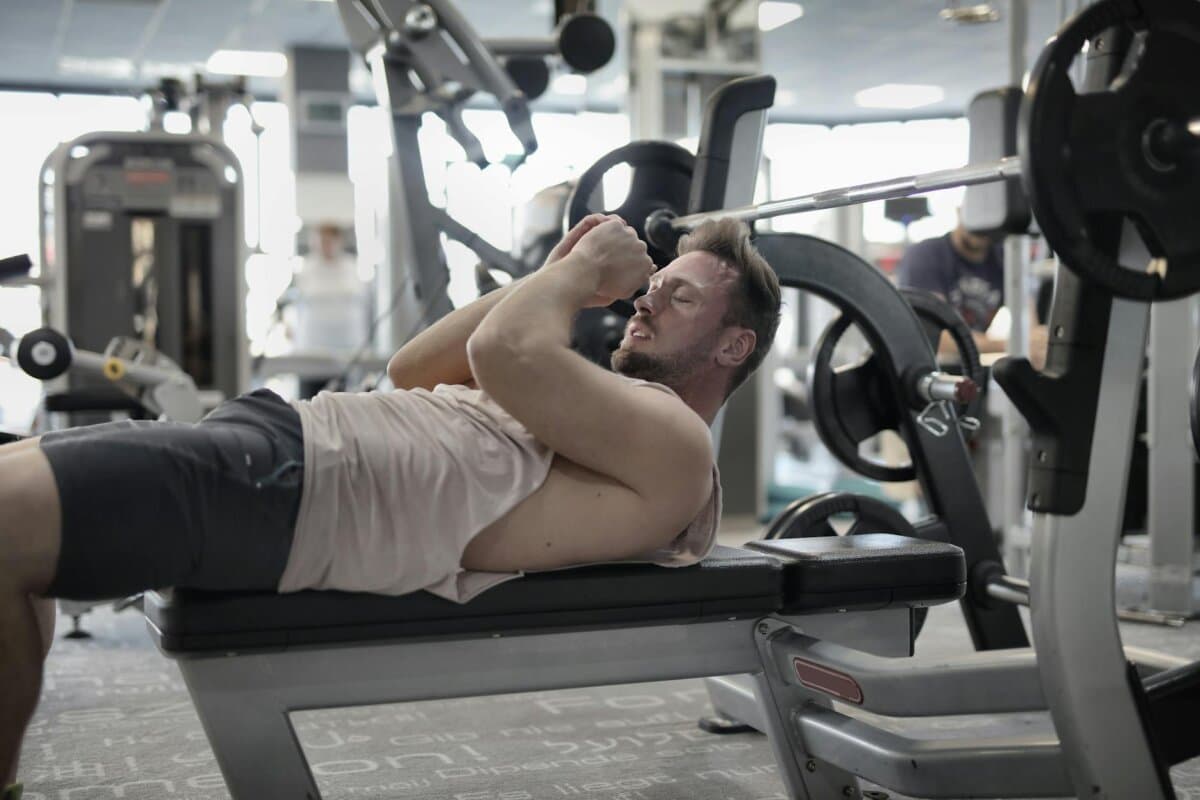
- Pressing: Slow eccentrics on the Barbell Bench Press or Smith machine variations reduce shoulder strain while maximizing chest tension.
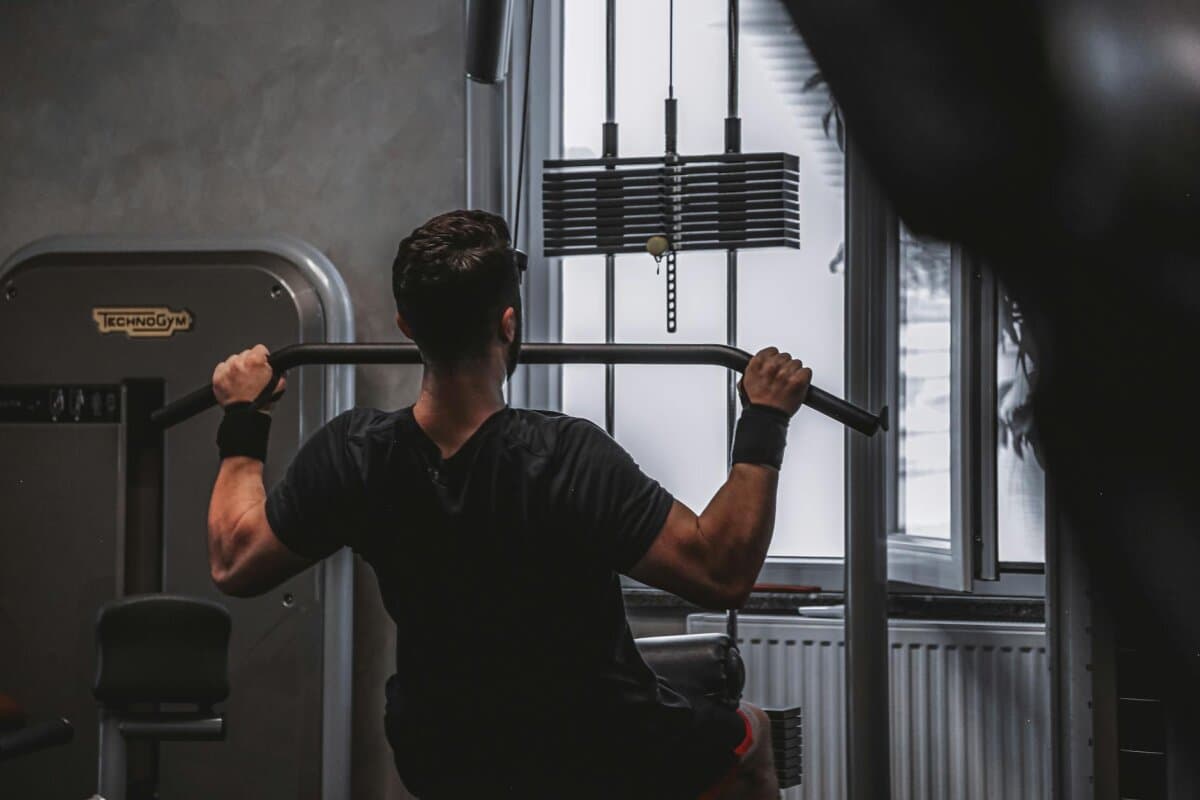
- Pulling: Negative reps on the Pull-Up are gold for back and arm development even if full reps are still a challenge.
- Lower body: Slow eccentric squats like the Barbell Full Squat light up the quads and glutes while reinforcing knee control.
- Posterior chain: Controlled lowering on a Barbell Deadlift variation builds hamstrings and glutes without rushing the lift.
Nordic hamstring curls and eccentric Romanian deadlifts are also fantastic tools just respect the soreness they bring.
How to Program Eccentric Overload for Hypertrophy
This is where most people mess it up. They do too much, too soon.
Start with tempo. A 3 4 second eccentric is plenty for most lifts. Push to 5 6 seconds on machines or isolation work where joint stress is lower.
Frequency? One to two eccentric-focused sessions per muscle group per week is enough. Remember, recovery drives growth.
Volume should be conservative. Think 2 4 sets per exercise where eccentrics are emphasized. Not every set. Not every workout.
Eccentric overload shines during lean bulk phases when calories and recovery resources are higher. It’s also effective in short microcycles 2 to 3 weeks used to break plateaus before returning to more traditional training.
Sample Eccentric-Focused Training Splits
A simple upper/lower split works well.
- Upper body: Slow eccentrics on presses and rows, normal tempo accessories.
- Lower body: Eccentric squats and hamstring-focused lifts, reduced volume elsewhere.
Keep it boring. Keep it controlled. Progress comes from consistency, not complexity.
Who Should (and Should Not) Use Eccentric Overload Training
Eccentric overload is ideal for intermediate and advanced lifters who already own their technique.
Athletes use it to build resilience. Rehab settings use it to rebuild strength safely. Bodybuilders use it to squeeze more growth out of fewer sets.
Beginners? Not yet.
If you’re still learning how to squat, hinge, or press correctly, master the basics first. Eccentrics magnify both good and bad movement patterns. Earn the right to use them.
Final Thoughts on Building Muscle With Eccentric Overload
Eccentric overload training isn’t magic. But it is powerful.
When used strategically, it delivers high mechanical tension, smarter hypertrophy, and better joint health all without constantly chasing heavier weights.
The lifters who get the most out of it aren’t reckless. They’re patient. They respect recovery. And they understand that building muscle is a long game.
Slow down your reps. Control the load. And let eccentrics do what they do best build muscle safely.
Frequently Asked Questions
Related Articles
Rest-Pause Training: Build More Muscle in Less Time
Rest-pause training is a powerful hypertrophy technique designed for lifters who want more muscle growth in less time. By combining heavy loads with short rest intervals, it increases training density without marathon workouts. Learn how it works, who it’s best for, and how to use it safely for long-term gains.
Training Frequency and Muscle Protein Synthesis Explained
Muscle protein synthesis is the foundation of muscle growth, but it doesn’t stay elevated forever. This article breaks down how training frequency influences MPS, why volume still matters most, and how often you should train each muscle for optimal hypertrophy. Learn how to apply science-backed principles to real-world gym programs.

Myofibrillar vs Sarcoplasmic Hypertrophy Explained
Myofibrillar and sarcoplasmic hypertrophy are two key muscle adaptations that influence strength and size. Understanding how each works can help you train more effectively based on your goals. This guide breaks down the science and shows you how to program your workouts for smarter, long-term results.

Mechanical Tension vs Metabolic Stress for Hypertrophy
Mechanical tension and metabolic stress are the two most debated drivers of muscle hypertrophy. This evidence-based guide breaks down how each mechanism works, which matters most, and why combining heavy loading with pump-focused training leads to smarter, long-term muscle growth.