Fascia Stretching: Does It Really Improve Performance?

Fascia Stretching: Does It Really Improve Performance?
Walk into almost any gym right now and you’ll see it. Someone rolling around on a foam roller, another person flowing through slow stretches between sets, maybe a coach talking about “hydrating the fascia.” Sounds familiar?
Fascia has become one of those buzzwords in fitness. And with it came big promises. Better mobility. Fewer injuries. More strength. Even improved athletic performance. But does fascia stretching actually deliver on any of that? Or is it just another trend dressed up in science-y language?
Let’s slow this down. No hype. No miracle claims. Just what fascia is, how fascia-focused work might affect performance, and where the research actually lands. Some good news, some reality checks. Trust me on this you’ll walk away knowing exactly how (and if) to use this stuff in your own training.
What Is Fascia and Why Does It Matter?
At its simplest, fascia is connective tissue. Think of it as a web that wraps around and weaves through your muscles, bones, nerves, and organs. It’s everywhere. Literally everywhere.
Unlike muscle fibers that contract or tendons that anchor muscle to bone, fascia’s job is more about connection and communication. It helps transmit force, supports movement efficiency, and plays a role in how your body senses position and tension.
When you squat, sprint, or press a bar overhead, you’re not just using isolated muscles. You’re loading an entire system of tissues working together. Fascia is part of that system.
And yes, fascia can get stiff. Or at least feel stiff. Long hours sitting, repetitive training patterns, lack of movement variety all of that can change how this tissue behaves.
Types of Fascia in the Body
Not all fascia is the same, which matters when people talk about “stretching” it.
- Superficial fascia sits just under the skin and helps with temperature regulation and movement between layers.
- Deep fascia surrounds muscles and muscle groups, helping coordinate force and movement.
- Visceral fascia supports your organs and keeps everything where it should be.
Most fitness conversations focus on deep fascia. That’s the stuff interacting with muscles during training and movement.
How Is Fascia Stretching Supposed to Work?
This is where things get interesting. And a little misunderstood.
One popular idea is hydration. Fascia contains a lot of fluid. When you move, load, and stretch tissues, that fluid shifts. Some researchers believe slow, varied movement can improve how easily layers of fascia glide against each other.
Another concept is stiffness versus elasticity. Fascia responds to load over time. Regular movement may help maintain tissue resilience, while complete inactivity can increase stiffness. But here’s the key this happens over weeks and months, not a single stretch session.
Then there’s the nervous system. A big piece of what people feel as “tightness” isn’t mechanical at all. It’s neural. Fascia is rich in sensory receptors, so pressure and movement can change how your brain perceives tension or threat.
That’s why you might feel looser after rolling or stretching, even though the tissue itself hasn’t physically changed much.
Mechanical vs Neurological Effects
Short-term improvements? Mostly neurological. Reduced muscle tone. Altered pain perception. Increased stretch tolerance.
Long-term adaptations? Those come from consistent loading, strength training, and varied movement. Fascia adapts when your whole system adapts. Not because you mashed it with a roller once.
Fascia Stretching vs Traditional Stretching and Mobility Work
Here’s an honest truth that doesn’t get said enough. You can’t really isolate fascia the way people claim.
When you stretch a muscle, you’re also loading fascia. When you do mobility drills, same thing. Dynamic movement? Yep. Fascia is involved.
Traditional static stretching focuses on holding positions to increase range of motion. Fascia-focused methods usually emphasize longer chains of movement, multi-joint positions, and gentle oscillation.
Dynamic stretching and mobility drills overlap heavily with these ideas. Think lunges with rotation, controlled leg swings, or crawling patterns. You’re loading connective tissue without shutting down power output.
The real difference isn’t what tissue you’re targeting. It’s when and how you apply the work.
What Does the Research Say About Performance?
This is where we separate what feels good from what actually improves output.
Research on myofascial release and fascia stretching shows some consistent themes. Improved short-term flexibility. Temporary reductions in perceived stiffness or soreness. Minimal negative effects on strength when done properly.
But dramatic performance boosts? Not so much.
Short-Term Performance Effects
Foam rolling and similar techniques can increase range of motion without reducing strength or power especially compared to long static stretching before lifting.
That’s useful. Being able to hit depth in a squat or maintain position during a Pull-Up matters. But don’t expect your one-rep max to magically jump.
Long-Term Training Adaptations
Long-term performance changes come from progressive overload, skill practice, and recovery. Fascia-focused work may support recovery and movement quality, which indirectly helps training consistency.
Injury risk reduction? Mixed evidence. Some athletes report fewer aches. Others see no difference. It’s likely highly individual.
And that’s an important point. Research here is limited. Sample sizes are small. Methods vary. Anyone claiming certainty is overselling.
Common Fascia Stretching and Myofascial Techniques
Let’s get practical. These are the tools people usually mean when they talk about fascia stretching.
Foam Rolling and Myofascial Release Explained
Foam rolling applies pressure to soft tissue. The goal isn’t to “break up” fascia that’s a myth. The pressure likely changes neural input and fluid dynamics.
Used before training, it can help you move more freely. Used after, it may reduce soreness perception. Just don’t treat it like punishment. If you’re gritting your teeth, you’re doing too much.
Dynamic stretching drills come next. Controlled movement through range. Think bodyweight squats, arm circles, light lunges. These prepare fascia and muscle together.
Yoga flow sequences often emphasize long, connected chains of movement. Great for recovery days. Not ideal right before max-effort lifting.
Active isolated stretching uses short, repeated stretches with muscle activation. It respects connective tissue without long passive holds.
Myths, Misconceptions, and Limitations of Fascia Stretching
Let’s clear the air.
Myth: Fascia can be permanently lengthened through stretching alone. Reality? Structural changes require long-term loading, not just stretching.
Myth: Fascia stretching builds strength. No. Strength comes from training load and adaptation.
Myth: Less soreness equals better performance. Sometimes soreness drops because pain perception changes, not because tissue healed.
Fascia work is supportive. Helpful. But it doesn’t replace smart programming, sleep, or recovery.
How to Use Fascia-Focused Work in Your Training
So where does this fit?
Use gentle fascia-focused work in warm-ups if it helps you move better. Keep it short. Follow with dynamic movement.
Post-workout? Slow stretching or rolling can help you relax and downshift.
Recovery days are perfect for longer sessions. Pair breathing with movement. Try exercises like Bird Dog or Dead Bug to reinforce control.
Most importantly, pay attention to how you respond. Some people love this stuff. Others don’t feel much difference. Both are fine.
So, Does Fascia Stretching Improve Performance?
Here’s the honest answer. Fascia stretching doesn’t directly boost strength or power. It won’t replace hard training.
But it can improve how you move, how you feel, and how consistently you train. And that matters.
Think of fascia-focused work as a tool. Not magic. Not useless either. Use it to support your training, not distract from it.
Move often. Lift with intent. Recover intelligently. That’s still the real secret.
Frequently Asked Questions
Related Articles
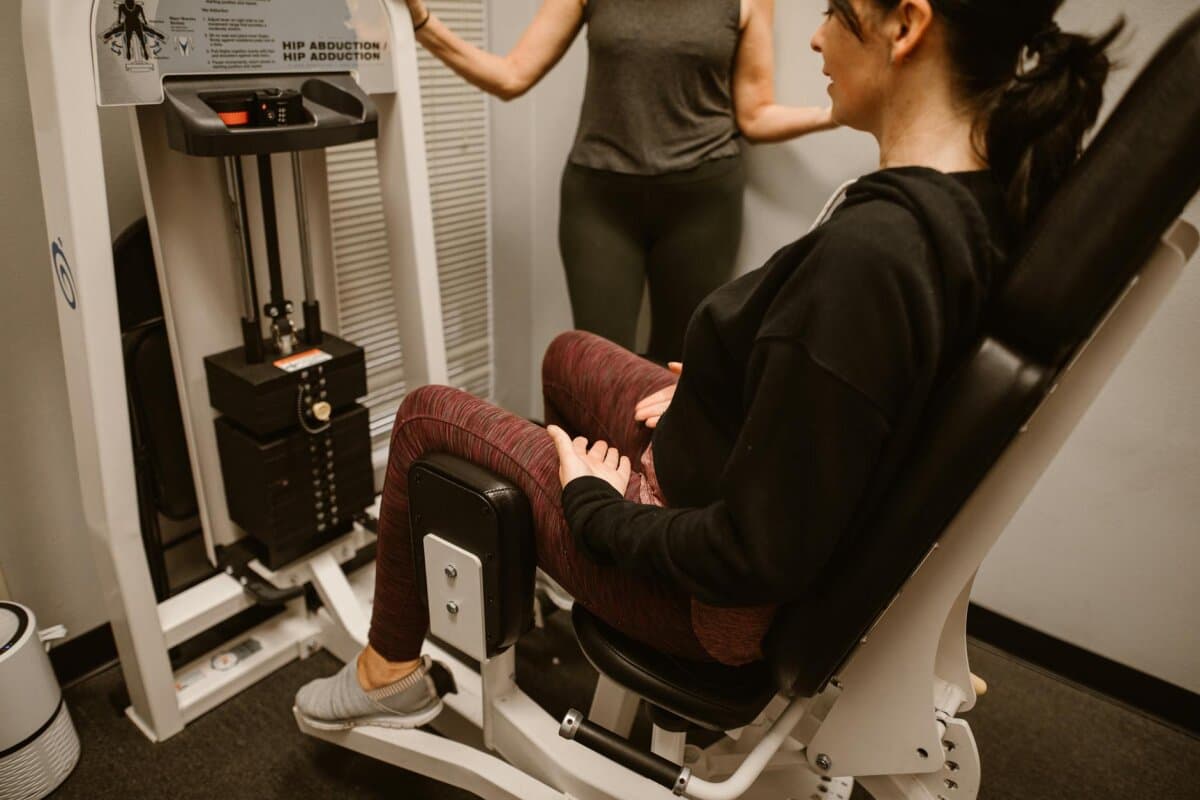
How to Optimize Lifting Technique With Biomechanics
Biomechanics offers a smarter way to improve lifting technique by understanding how your body moves under load. By applying principles like leverage, balance, and joint alignment, lifters can build strength more efficiently while reducing injury risk. This guide shows how to use biomechanics to refine form in major compound lifts.
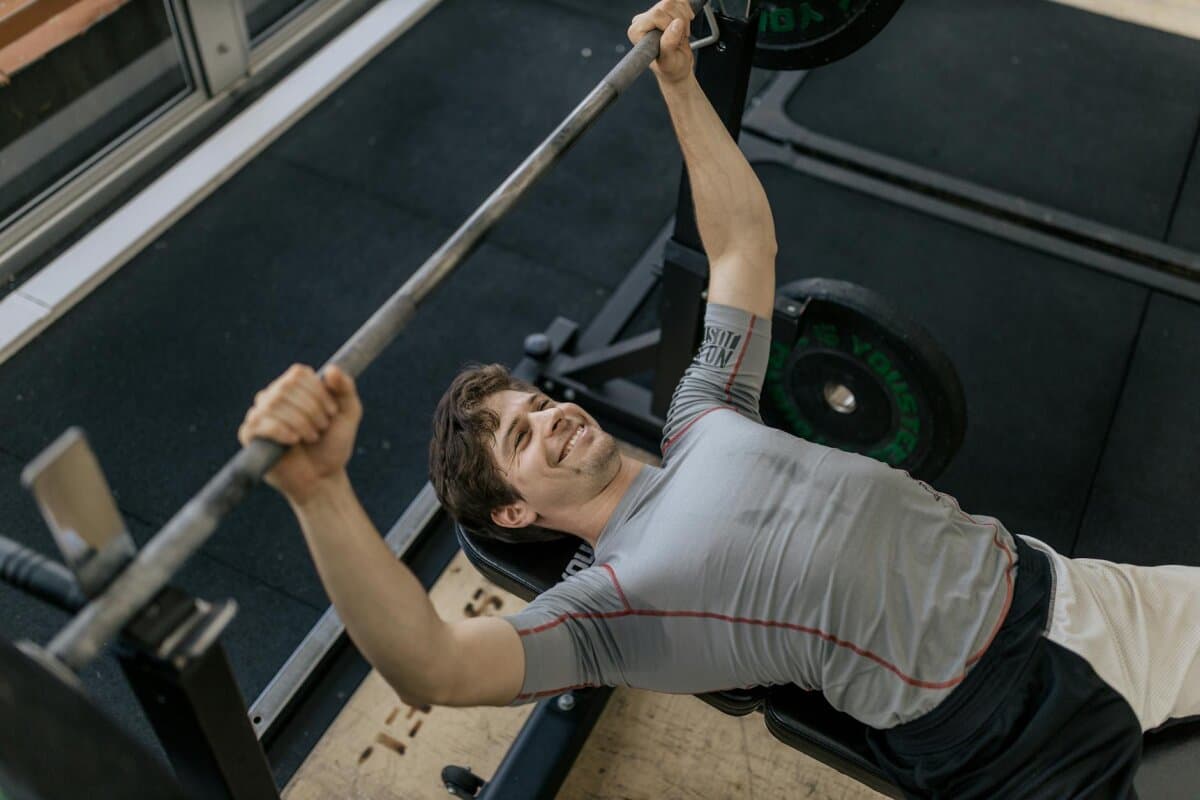
Repetition Effort Method Explained for Hypertrophy and Strength
The repetition effort method is a proven training approach that uses moderate weights and high reps taken close to failure to stimulate muscle growth. Popular in both bodybuilding and strength training systems, it builds size, work capacity, and long-term strength. Learn how to program it effectively for hypertrophy-focused results.
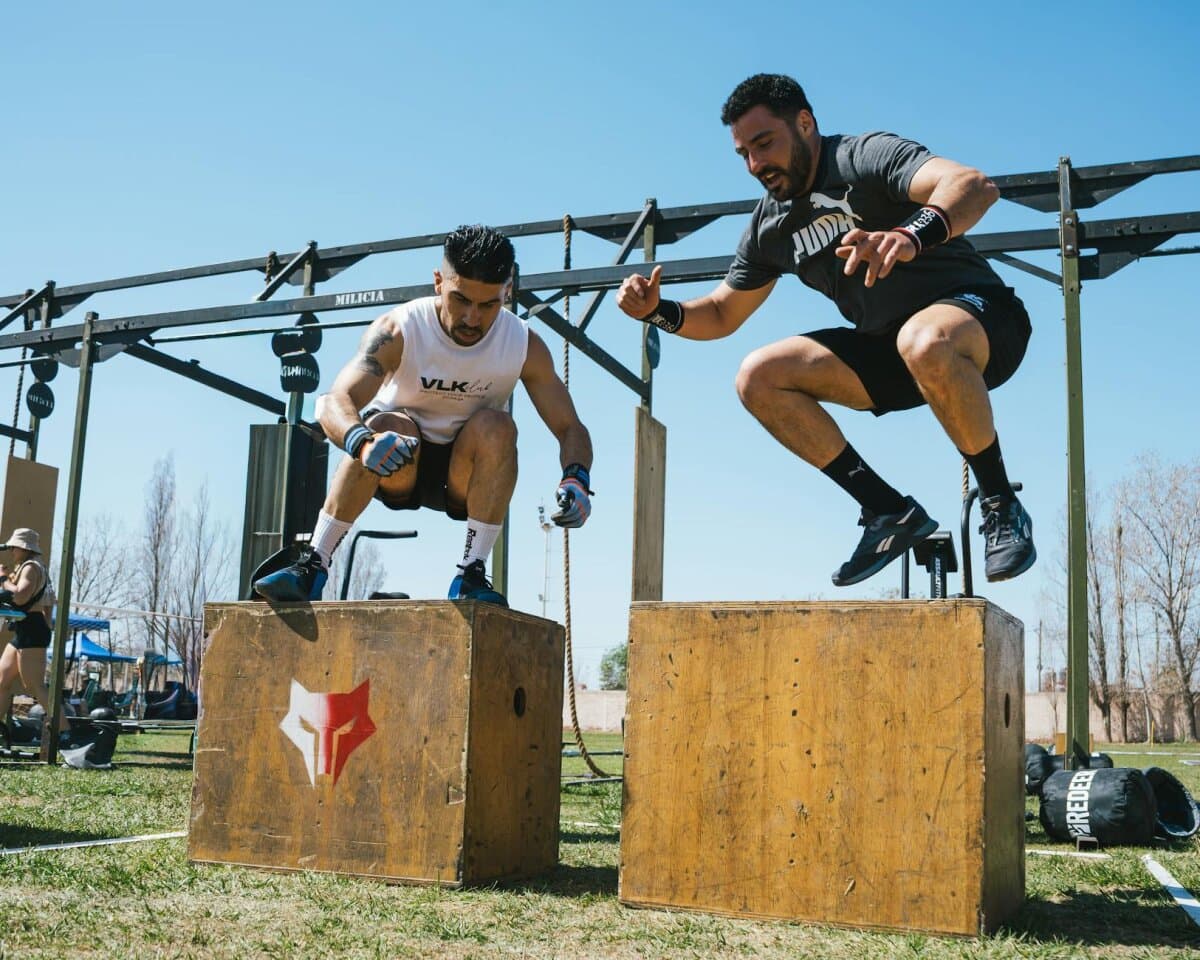
Velocity Based Training: Auto-Regulate Like a Pro
Velocity based training is a data-driven approach that uses bar speed to auto-regulate load, volume, and intensity. Instead of guessing based on percentages, VBT helps lifters train according to real-time performance. Learn how to apply velocity metrics to build strength, manage fatigue, and progress smarter.
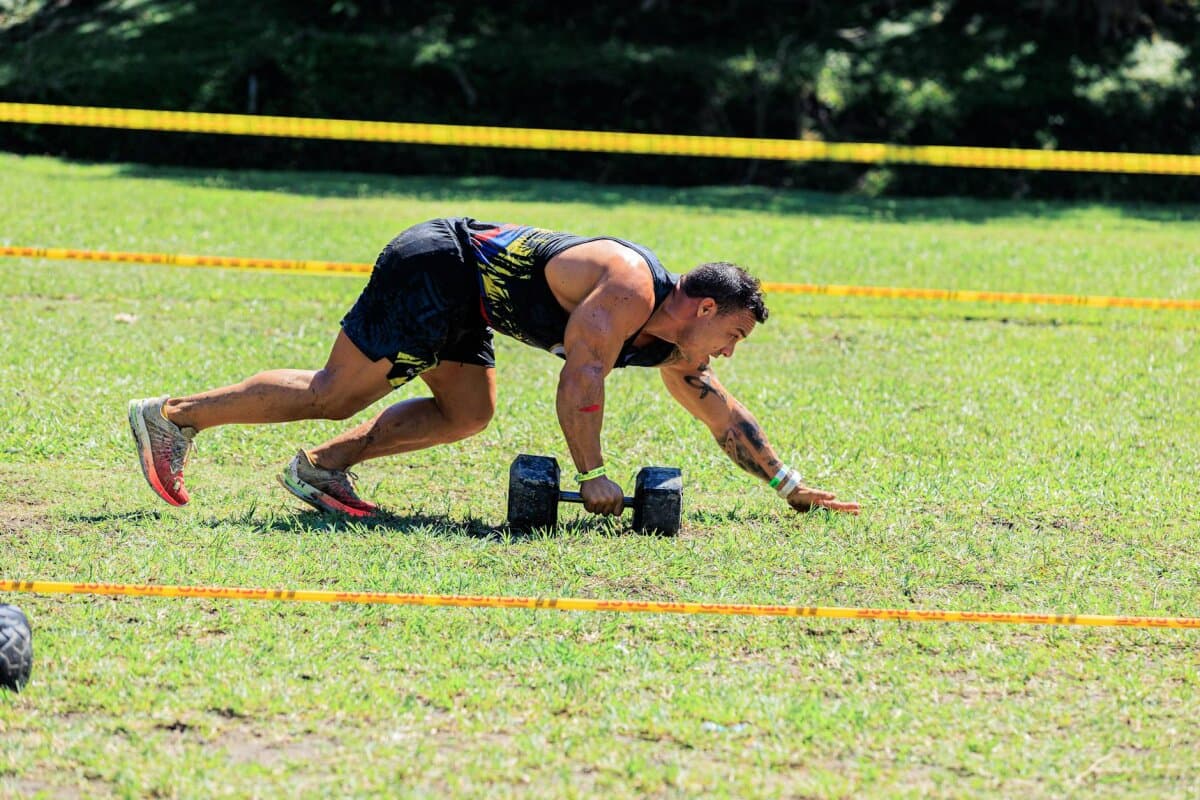
Neural Drive Enhancement for Explosive Strength Training
Explosive strength is driven as much by the nervous system as by muscle size. This article explains how neural drive influences power output and how targeted training methods can improve explosive performance. Learn how to program heavy lifts, speed work, and recovery for long-term strength gains.