Gym Etiquette 101: Unwritten Rules Every Beginner Should Know

Gym Etiquette 101: Unwritten Rules Every Beginner Should Know
Walking into a gym for the first time can feel… weird. Loud music. Clanking weights. People who look like they know exactly what they’re doing. And then there’s the part no one really talks about the unspoken rules. You know, the stuff that isn’t written on a sign but everyone somehow expects you to know.
Here’s the good news. Gym etiquette isn’t about being perfect or acting like a pro. It’s about basic respect, safety, and awareness. That’s it. Once you understand a few simple principles, the gym becomes way less intimidating. And honestly? You’ll feel more confident almost immediately. Trust me on this.
What Gym Etiquette Is and Why It Matters
Gym etiquette isn’t a list of official rules posted on the wall. It’s more like a shared agreement between people who use the same space, equipment, and time slots. No one hands you a manual when you sign up, but these norms keep the gym running smoothly.
Gyms as Shared Community Spaces
A gym is basically a community living room… with barbells. Everyone is there for their own goals, but no one trains in a vacuum. Machines are shared. Floors are shared. Even the mirrors are shared. Because of that, small actions like where you stand or how long you rest can affect the people around you.
When beginners understand this early, everything clicks faster. You stop feeling like you’re “in the way” and start feeling like you belong. Because you do.
How Etiquette Improves Everyone’s Workout
Good etiquette makes workouts safer. It makes sessions more efficient. And it reduces tension, especially during busy hours. Ever seen someone annoyed because a machine is occupied by a phone-scroller for 20 minutes? Yeah. That’s etiquette in action or lack of it.
For beginners, following these unwritten rules is one of the fastest ways to earn quiet respect. No flexing required.
Cleanliness Rules Every Gym Beginner Should Follow
This one’s big. And non-negotiable.
Why Wiping Down Equipment Is Non-Negotiable
If you sweat on it, wipe it down. Simple as that. Benches, machines, mats anything your body touches. Most gyms provide spray bottles and paper towels or disinfectant wipes. Use them.
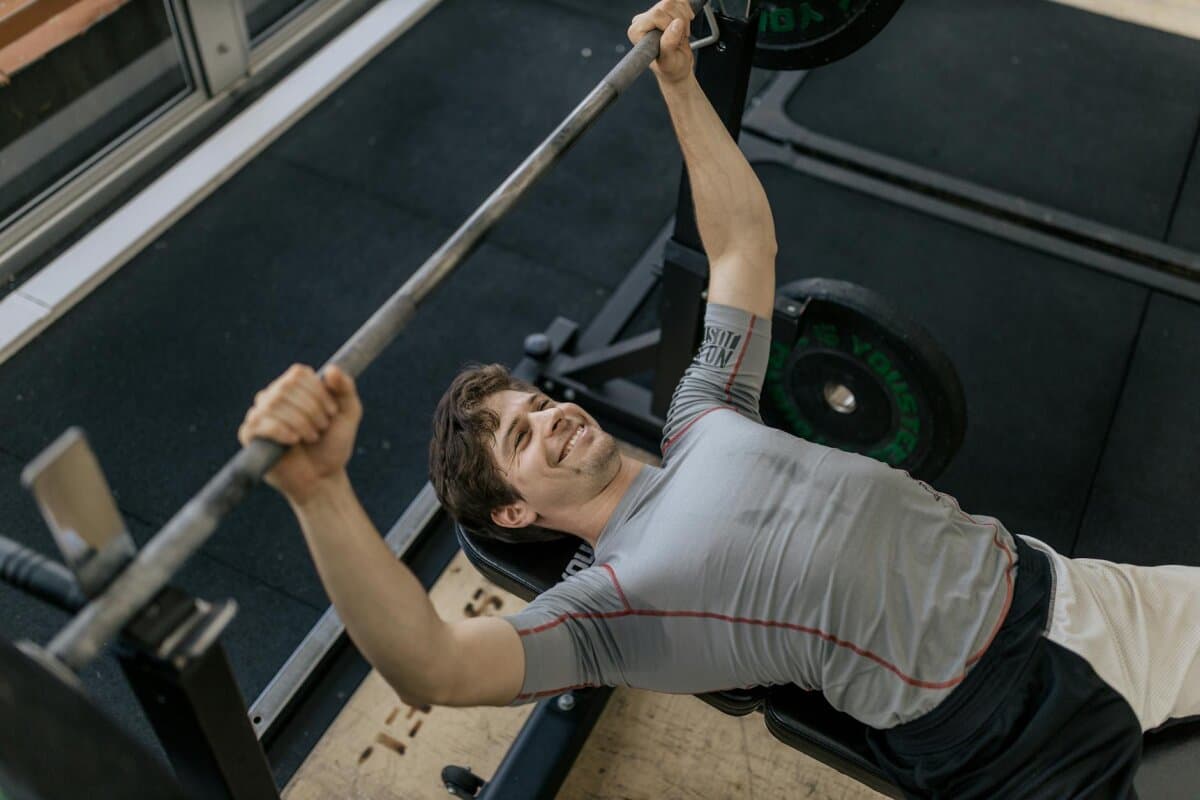
No one wants to lie down on a bench that’s still warm and damp from the previous person. Especially after a heavy set of Barbell Bench Press. It’s not just about comfort either. It’s hygiene.
Sweat, Towels, and Personal Hygiene Basics
Bring a towel. Even a small one. Drape it over benches, wipe your face, keep sweat under control. It’s a small habit that makes a huge difference.
And let’s talk personal hygiene for a second. Clean clothes. Deodorant. Fresh shoes. This isn’t about judgment it’s about shared air. Heavy training already pushes the limits. No need to make it harder on everyone else.
As for attire? Wear what lets you move comfortably and safely. Shirts on. Shorts that stay put. Shoes that make sense for what you’re doing. You don’t need fancy gear. Just practical.
Equipment Etiquette: Sharing Machines and Weights the Right Way
Most gym frustration comes from equipment misuse. The fix? Awareness.
Machine Use and Time Awareness
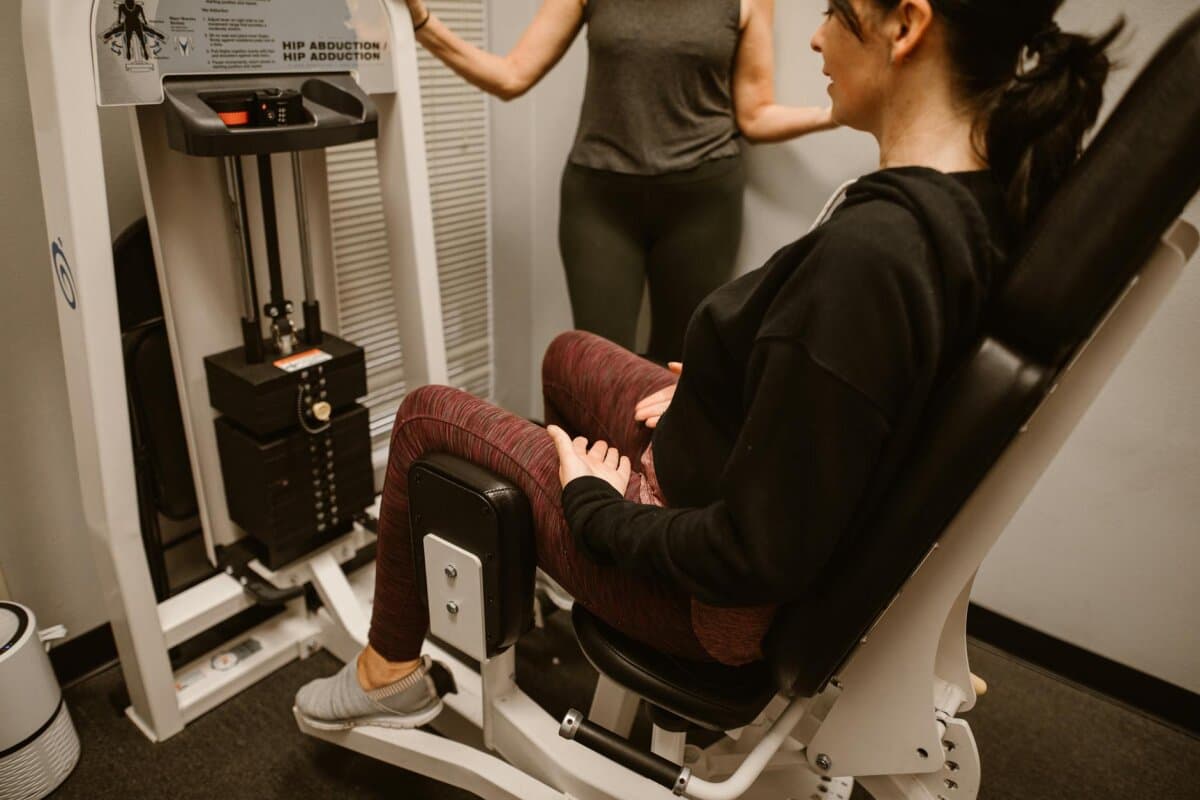
During peak hours usually before work and after you’ll need to be mindful of time. Resting is part of training, sure. But camping on a machine while scrolling your phone? Not cool.
If someone asks, “How many sets do you have left?” they’re not rushing you. They’re planning their workout. Answer honestly. And if you’ve got five sets with long rests, consider letting them work in.
Free Weight Etiquette: Racks, Plates, and Dumbbells
Free weights come with more responsibility. Always re-rack your plates when you’re done. Always. Leaving loaded bars after Barbell Full Squat sessions is a classic beginner mistake and one that gets noticed.
Dumbbells go back where they belong. Not “close enough.” The right slot. This keeps walkways clear and saves everyone time.
And if you’re using multiple pairs for supersets? Be extra aware during busy times. Sometimes it’s better to simplify.
Real Examples: Squat Racks, Bench Presses, and Dumbbells
Squat racks are prime real estate. Use them for squats, presses, and heavy barbell work not curls. Bench stations are shared spaces, especially for pressing movements. And dumbbells? Keep them off the floor when possible. Tripping hazards are real.
Respecting Personal Space and Staying Aware
This is the stuff no one teaches but everyone feels.
Understanding Workout Zones and Safe Distances
People need room to move. Especially with free weights. Standing too close during someone’s set isn’t just awkward it can be dangerous.
Give lifters space. Avoid walking directly in front of mirrors someone is using to check form. And don’t step over bars or bodies mid-set. Ever.
Awareness During Free Weights and Cardio Areas
In cardio zones, be aware of machine spacing and time limits. On busy days, hogging a treadmill for an hour of slow walking can raise eyebrows.
If you’re new, starting with something like Treadmill Running or walking is totally fine. Just stay alert. Don’t wander into someone else’s stride path. Sounds obvious. Happens all the time.
Phone Use, Noise, and General Behavior Norms
Yes, phones are part of modern gym life. But there’s a line.
Smartphone Etiquette on the Gym Floor
Quick checks between sets? Fine. Long texts while sitting on a machine? Nope. Step away if you need time.
And filming this is important. Never record others without permission. Even if they’re in the background. Many gyms have strict policies about this for a reason.
Noise Control and Respectful Behavior
Grunting happens. Heavy lifts are intense. That’s normal. Screaming across the gym? Not so much.
Control your weights too. Dropping dumbbells unnecessarily or slamming stacks draws attention for the wrong reasons. Headphones help, but remember you’re not alone in the room.
Social Interaction and Communication at the Gym
Gyms are social spaces… with boundaries.
Offering Help, Advice, and Spotting the Right Way
Here’s a golden rule: unless someone asks, don’t coach. Even if you mean well. Unsolicited advice often feels intrusive, especially to beginners.
Spotting is different. If someone is about to attempt a heavy set like a tough bench press and looks unsure, offering a spot is appropriate. But ask first. Always.
Simple Communication That Prevents Awkward Situations
A simple “Mind if I work in?” goes a long way. So does “Are you using this?” Clear, polite communication prevents misunderstandings before they start.
Most people at the gym are friendlier than they look. Headphones don’t mean hostility. They mean focus.
Final Thoughts: Confidence Comes From Courtesy
Gym etiquette isn’t about being flawless. It’s about effort. Awareness. Respect.
You’ll mess up sometimes. Everyone does. What matters is that you learn, adjust, and keep showing up. Over time, these unwritten rules become second nature. And the gym starts to feel less like a test and more like a place you belong.
Courtesy builds confidence. And confidence? That’s what keeps you coming back.
Frequently Asked Questions
Related Articles
How to Optimize Lifting Technique With Biomechanics
Biomechanics offers a smarter way to improve lifting technique by understanding how your body moves under load. By applying principles like leverage, balance, and joint alignment, lifters can build strength more efficiently while reducing injury risk. This guide shows how to use biomechanics to refine form in major compound lifts.
Repetition Effort Method Explained for Hypertrophy and Strength
The repetition effort method is a proven training approach that uses moderate weights and high reps taken close to failure to stimulate muscle growth. Popular in both bodybuilding and strength training systems, it builds size, work capacity, and long-term strength. Learn how to program it effectively for hypertrophy-focused results.
Velocity Based Training: Auto-Regulate Like a Pro
Velocity based training is a data-driven approach that uses bar speed to auto-regulate load, volume, and intensity. Instead of guessing based on percentages, VBT helps lifters train according to real-time performance. Learn how to apply velocity metrics to build strength, manage fatigue, and progress smarter.
Neural Drive Enhancement for Explosive Strength Training
Explosive strength is driven as much by the nervous system as by muscle size. This article explains how neural drive influences power output and how targeted training methods can improve explosive performance. Learn how to program heavy lifts, speed work, and recovery for long-term strength gains.