Late-Night Eating and Fat Loss: Does It Really Matter?

Late-Night Eating and Fat Loss: Does It Really Matter?
You’ve probably heard it. Maybe from a friend. Maybe from an old-school trainer at your gym. Or maybe it’s that little voice in your head every time you open the fridge after 9 p.m.
“Don’t eat now. It’ll go straight to fat.”
Sounds familiar, right?
For a lot of people, late-night eating is a real source of stress. Busy workdays push workouts into the evening. Dinner happens late. And somehow, hunger always shows up right when you’re trying to relax on the couch. Add fat-loss goals to the mix, and suddenly every nighttime snack feels like sabotage.
But here’s the thing. The human body isn’t that fragile. And fat loss? It’s way less about the clock than most people think.
So let’s slow this down. Take a breath. And actually separate fat-loss myths from what matters in real life.
Calories vs. Meal Timing: What Actually Drives Fat Loss
If you strip fat loss down to its foundation, it always comes back to one thing: energy balance.
You lose fat when you consistently burn more calories than you consume. Over days. Over weeks. Not because you ate a chicken breast at 10:30 p.m.
Why Total Daily Calories Matter More Than the Clock
Your body is burning calories 24/7. While you’re lifting. While you’re walking the dog. And yes, while you’re sleeping.
There’s no magical cutoff where your metabolism shuts down for the night and suddenly stores everything as fat. That idea comes from a very outdated understanding of how metabolism works.
If you eat 2,200 calories per day and maintain your weight, dropping to 1,800 calories will create fat loss. It doesn’t matter if those calories are spread across six meals or packed into three, as long as you’re consistent.
This is why someone can eat late, even right before bed, and still lose fat. The body looks at the bigger picture. Always.
Where the Late-Night Fat Gain Myth Came From
So where did this fear come from?
Part of it is observational. People who eat a lot at night often snack on high-calorie, low-protein foods. Chips. Ice cream. Sugary drinks. That adds up fast.
Another part comes from shift-work studies, where disrupted sleep patterns and irregular eating schedules are linked to weight gain. But that’s about sleep and lifestyle chaos, not the act of eating at night itself.
Eating late didn’t cause the fat gain. The overall habits did.
How Late-Night Eating Can Indirectly Affect Fat Loss
Now, here’s where nuance matters.
Late-night eating doesn’t automatically stop fat loss. But it can make it harder if you’re not paying attention.
Snacking, Portion Control, and Calorie Creep
Nighttime eating often happens on autopilot.
You’re tired. The TV’s on. You’re not measuring portions or thinking about protein intake. You’re just grabbing handfuls. And those handfuls add up.
This is what coaches call “calorie creep.” A few hundred extra calories every night that don’t feel like much in the moment, but quietly erase your calorie deficit.
Not because it’s night. But because awareness is lower.
Sleep, Hunger Hormones, and Fat Loss Progress
Sleep is one of the most underrated fat-loss tools out there. And heavy, greasy, or sugar-loaded meals right before bed can mess with it.
Poor sleep disrupts hunger hormones like ghrelin and leptin. Translation? You feel hungrier the next day and less satisfied by food.
One rough night won’t ruin anything. But repeated poor sleep can absolutely slow fat loss. Indirectly. Sneaky, but real.
Late-Night Eating for People Who Train in the Evening
Let’s talk about the people this debate affects the most.
If you train after work, you’re not alone. Evening workouts are the norm for a huge chunk of recreational lifters. And telling those people to “just not eat after training” is honestly bad advice.
Post-Workout Nutrition After Evening Workouts
When you lift weights or do intense conditioning, your body needs nutrients to recover. Especially protein.
Skipping food after a late workout can backfire. You’re more likely to wake up starving, overeat the next day, or feel flat and under-recovered in the gym.
A balanced post-workout meal at night supports muscle retention while cutting. That matters. A lot.
This applies whether your training looks like classic resistance work or something more conditioning-based, like a tough circuit or even a hard run on the treadmill.
Balancing Recovery and Calorie Control at Night
The goal isn’t to eat everything in sight. It’s to eat intentionally.
Protein first. Moderate carbs if you trained hard. Lower fat if digestion or sleep is an issue. Simple.
Many people find they actually stick to their calorie targets better when they plan a nighttime meal instead of trying to white-knuckle through hunger.
Trust me on this. Sustainability beats suffering.
Protein Before Bed: Helpful or Harmful for Fat Loss?
This one gets a lot of unnecessary hate.
Protein before bed doesn’t magically turn into fat. In fact, it often does the opposite of what people fear.
Protein improves satiety. It keeps hunger under control. And it supports overnight muscle protein synthesis, which is huge when you’re in a calorie deficit.
Preserving lean mass helps maintain metabolic rate and keeps your physique looking athletic as the fat comes off.
Best Protein Choices for Late-Night Meals
You don’t need anything fancy here.
- Greek yogurt or cottage cheese
- Protein shakes with water or almond milk
- Eggs or egg whites
- Lean meats with simple sides
These digest well, keep calories controlled, and don’t usually interfere with sleep. And yes, they absolutely can fit into a cutting diet.
Practical Strategies for Managing Late-Night Hunger While Cutting
Alright. Let’s get practical.
Because knowing the science is great, but you still have to live your life.
Smart Late-Night Snack Ideas That Fit a Fat-Loss Diet
Planning is your best friend here.
Instead of fighting nighttime hunger, budget for it. Shift a few calories from earlier meals and use them where hunger actually hits.
Some solid late-night options:
- Protein yogurt with berries
- A small protein shake and a piece of fruit
- Egg whites with veggies
- Air-popped popcorn with a protein side
Low calorie. High volume. High protein. That combo makes fat loss feel a lot less miserable.
Using Evening Walks and Low-Impact Cardio to Control Appetite
Movement doesn’t always have to be intense.
An easy evening walk can lower stress, improve digestion, and blunt appetite. It also bumps up daily calorie expenditure without wrecking recovery.
This is where something simple like Running at a relaxed pace or even treadmill walking shines. It clears your head and reduces the urge to snack out of boredom.
Sometimes hunger isn’t hunger. It’s just your brain wanting a break.
So, Does Late-Night Eating Matter for Fat Loss?
Here’s the honest answer.
Late-night eating doesn’t matter nearly as much as people think. What matters is total calorie intake, food quality, sleep, and consistency over time.
Eating at night only becomes a problem if it leads to chronic overeating or wrecks your sleep. If neither of those is happening, you’re fine.
Fat loss isn’t about rigid rules or arbitrary cutoffs. It’s about building habits you can actually maintain.
So if eating a planned, protein-focused meal at night helps you stay on track? Do it. Guilt-free.
Because the best fat-loss diet isn’t the one that looks perfect on paper. It’s the one you can stick to.
Frequently Asked Questions
Related Articles
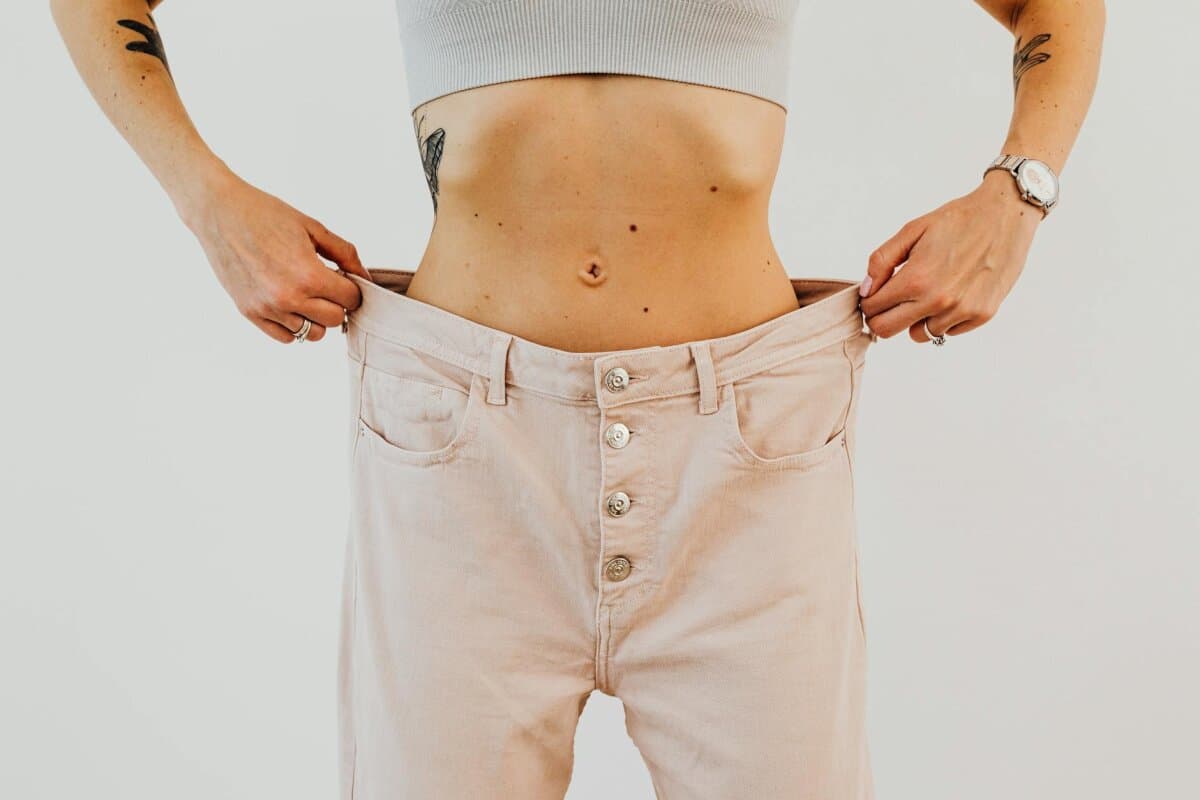
Why You’re Losing Weight but Not Fat (And How to Fix It)
If the scale is dropping but your body doesn’t look leaner, you’re not alone. Weight loss doesn’t always equal fat loss, and the scale often hides what’s really happening. This article breaks down why it happens and how to fix it with smarter training, nutrition, and recovery strategies.

How Sodium Intake Impacts Fat Loss and Water Weight
Sodium is often blamed for weight gain, but its real impact is on water balance not body fat. Understanding how sodium affects scale weight, performance, and hydration can help you diet more effectively. Learn why consistent sodium intake supports better training and more reliable fat loss progress.

High-Volume Foods That Make Fat Loss Easier
High-volume foods make fat loss easier by allowing you to eat larger portions while consuming fewer calories. By focusing on foods rich in water, fiber, and lean protein, you can control hunger, improve satiety, and stay consistent with your fat-loss goals. This approach supports sustainable results without constant deprivation.

How Hydration Impacts Fat Loss and Workout Performance
Hydration is a powerful but often overlooked factor in fat loss and workout performance. From metabolism and fat burning to strength, endurance, and recovery, proper fluid and electrolyte intake can dramatically influence results. Treating hydration as a performance tool can help unlock better body composition and training outcomes.