Max Effort Method: How to Build Limit Strength Safely
Max Effort Method: How to Build Limit Strength Safely
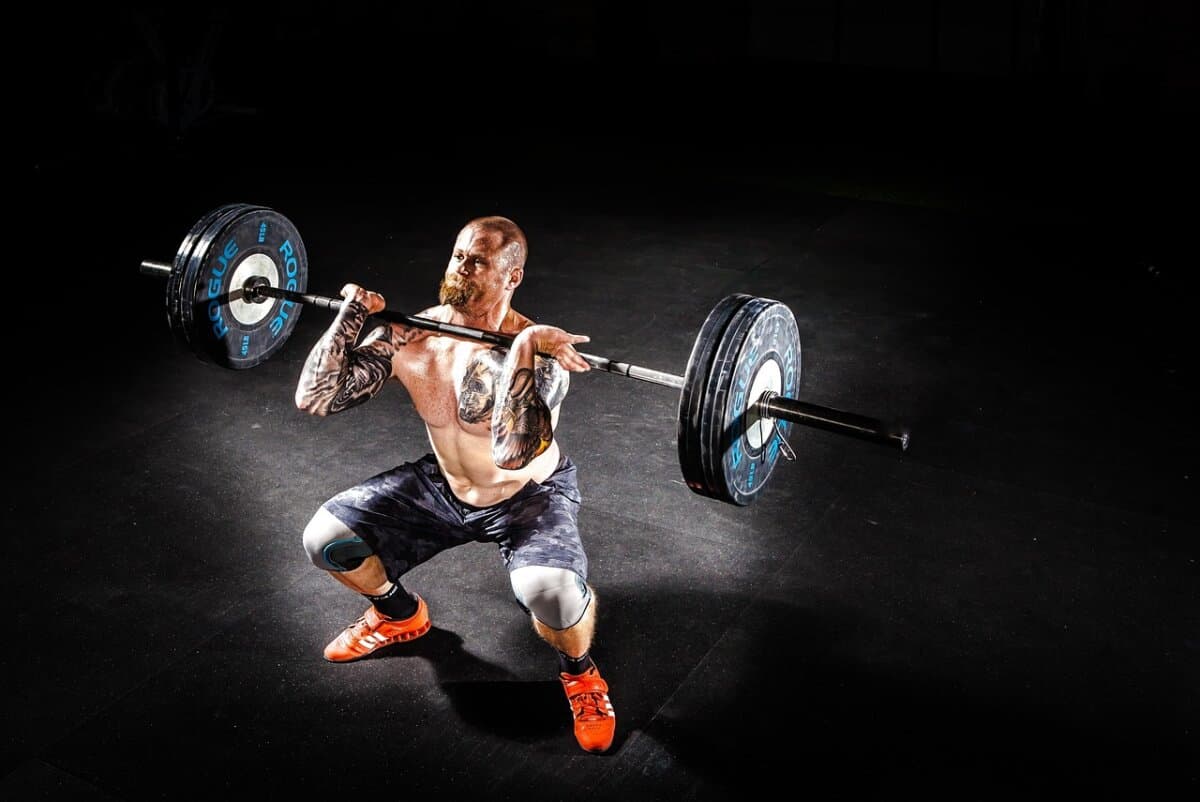
There’s something magnetic about heavy weights. The plates clanking. The bar bending just a little. And that moment before you unrack it, when you’re asking yourself, Do I really have this today?
Lifting near your max is exciting. But it’s also intimidating. A lot of lifters want to get stronger real strength, not just better pump or higher reps yet they’re worried about stalled progress, fried joints, or ending up sidelined with an injury.
That’s where the Max Effort Method comes in. It’s a proven approach for building limit strength, rooted in powerlifting culture and backed by decades under the bar. But it’s also widely misunderstood. Done right, it’s one of the most effective tools you can use. Done wrong? Yeah… it can beat you up fast.
Let’s break it down. No hype. No ego lifting. Just how to use the Max Effort Method to get brutally strong and stay healthy doing it.
What Is the Max Effort Method?
At its core, the Max Effort Method is exactly what it sounds like: training with very heavy loads to improve your ability to produce maximal force.
Practically speaking, that means working with weights at or above roughly 90% of your one-rep max (1RM). Reps stay low usually singles, doubles, or triples. The goal isn’t volume. It’s intensity.
You’re teaching your body how to strain. How to recruit every available muscle fiber. How to stay tight and focused when the bar feels glued to the floor or your chest.
This method is best suited for:
- Intermediate to advanced lifters with solid technique
- Powerlifters and strength athletes
- Recreational gym-goers who already have a base of strength and control
If you’re brand new to lifting? This isn’t your starting point. Build movement quality first. Trust me on that.
Origins in Powerlifting and Westside Barbell
The Max Effort Method became widely known through Louie Simmons and the Westside Barbell system. Louie didn’t invent heavy lifting, obviously. But he systematized it.
At Westside, lifters didn’t max out on the same competition lifts week after week. Instead, they rotated variations different bars, stances, ranges of motion while still pushing to a near-max effort. The nervous system got the heavy stimulus without grinding the same joints into dust.
That idea? Game-changing. And it’s why the Max Effort Method is still talked about in gyms all over the world.
How Max Effort Training Builds Limit Strength
Here’s the part a lot of people miss: maximal strength isn’t just about muscle size.
You can have plenty of muscle and still struggle with heavy singles. Why? Because limit strength is heavily driven by your nervous system.
Max effort training improves:
- Motor unit recruitment accessing high-threshold muscle fibers
- Rate coding firing those fibers faster and harder
- Intermuscular coordination muscles working together efficiently under load
When you strain against a near-max weight, your body learns how to produce force as a unified system. Not just legs. Not just chest. Everything.
Why Strength Is More Than Muscle Size
Ever seen a lifter who looks jacked but gets stapled by a heavy squat? Or a smaller lifter who moves huge weight like it’s nothing?
That’s neural efficiency at work.
The Max Effort Method sharpens that skill. It teaches you to stay tight, brace hard, and apply force exactly where it’s needed. Over time, that translates to heavier lifts even without dramatic changes in bodyweight.
Max Effort vs Other Strength Training Methods
The Max Effort Method doesn’t exist in a vacuum. It’s one piece of a bigger puzzle.
Dynamic Effort Method focuses on moving submaximal weights fast. Think speed squats or speed bench. The goal there is rate of force development.
Repetition Method uses moderate loads and higher reps to build muscle size, work capacity, and technical consistency.
So what makes max effort work different?
Simple. It’s the only method that consistently exposes you to near-limit loads. And if you want to raise your ceiling your true max you have to spend some time close to it.
How These Methods Work Together in Smart Programming
Here’s the mistake: treating max effort training as the only thing that matters.
Smart programs rotate stress. Heavy days teach you to strain. Speed days keep you explosive. Repetition work builds the muscle and resilience that make heavy lifting sustainable.
The Max Effort Method is powerful. But it shines brightest when it’s part of a balanced system.
How to Apply the Max Effort Method Safely
Let’s get practical. This is where most lifters either make progress or run into trouble.
Warm-ups matter. Not just five minutes on a bike, but specific ramping sets that prepare your joints, muscles, and nervous system.
A typical max effort warm-up might look like:
- General movement to raise body temperature
- Mobility or activation for the main lift
- Multiple gradual jumps in weight before your top set
Once you’re warm, you work up to a heavy top set of 1 3 reps. Not a sloppy grinder. A technically sound, high-effort lift.
Rest periods are long. Three to five minutes. Sometimes more. This isn’t conditioning work.
Classic max effort lifts include movements like the Barbell Bench Press, heavy squats, and deadlift variations such as the Barbell Deadlift.
Exercise Rotation to Protect Joints and Progress
This is where the method really gets smart.
Instead of maxing out on the same lift every week, rotate variations every 1 3 weeks. Change the stance. Change the bar. Change the range of motion.
For lower body work, rotating in movements like the Barbell Full Squat alongside other squat or hinge patterns can keep progress moving without overloading the same tissues.
The nervous system still gets the heavy stimulus. Your joints get a break. Everybody wins.
Common Max Effort Training Mistakes
Let’s call these out, because they’re everywhere.
First mistake: maxing out every week just to chase a PR. That’s not training. That’s testing. And constant testing burns people out fast.
Second: poor exercise selection. Just because a lift looks hardcore doesn’t mean it’s right for your structure, mobility, or injury history.
Third: ignoring technique breakdown. Heavy lifting exposes weak links. If your form falls apart, that’s feedback not something to push through blindly.
Why Consistency Beats Constant Testing
The strongest lifters aren’t the ones who hit lifetime PRs every week.
They’re the ones who stack solid sessions for months. Sometimes years. Small improvements add up when you stay healthy enough to keep training.
Progress isn’t always loud. Sometimes it’s boring. And that’s okay.
Managing Fatigue, Recovery, and Injury Risk
Max effort training taxes the central nervous system. You might feel it as poor sleep, low motivation, or that “flat” feeling under the bar.
This is where autoregulation comes in.
If the weight feels unusually heavy during warm-ups? Back off. Take a strong but submaximal top set instead of forcing a daily max.
Use spotters when needed. Brace properly. And plan deloads intentional periods of reduced intensity to let your system recover.
Integrating Max Effort Work Into Long-Term Training
The Max Effort Method isn’t meant to be abused.
Use it strategically. Cycle it. Pair it with lighter phases and technical work. Think in months, not days.
That’s how lifters stay strong into their 30s, 40s, and beyond.
Final Thoughts on Building Limit Strength Safely
The Max Effort Method is a powerful tool. There’s no denying that. It teaches you how to strain, how to focus, and how to produce force when it matters most.
But power comes with responsibility.
Respect the method. Respect your recovery. Rotate exercises. And remember strength is a long game.
Lift heavy. Lift smart. And make sure you’re still enjoying the process when the numbers finally climb.
Frequently Asked Questions
Related Articles
How to Optimize Lifting Technique With Biomechanics
Biomechanics offers a smarter way to improve lifting technique by understanding how your body moves under load. By applying principles like leverage, balance, and joint alignment, lifters can build strength more efficiently while reducing injury risk. This guide shows how to use biomechanics to refine form in major compound lifts.

Repetition Effort Method Explained for Hypertrophy and Strength
The repetition effort method is a proven training approach that uses moderate weights and high reps taken close to failure to stimulate muscle growth. Popular in both bodybuilding and strength training systems, it builds size, work capacity, and long-term strength. Learn how to program it effectively for hypertrophy-focused results.
Velocity Based Training: Auto-Regulate Like a Pro
Velocity based training is a data-driven approach that uses bar speed to auto-regulate load, volume, and intensity. Instead of guessing based on percentages, VBT helps lifters train according to real-time performance. Learn how to apply velocity metrics to build strength, manage fatigue, and progress smarter.
Neural Drive Enhancement for Explosive Strength Training
Explosive strength is driven as much by the nervous system as by muscle size. This article explains how neural drive influences power output and how targeted training methods can improve explosive performance. Learn how to program heavy lifts, speed work, and recovery for long-term strength gains.