Muscle Imbalance Correction Without Lowering Your Weights
Muscle Imbalance Correction Without Lowering Your Weights
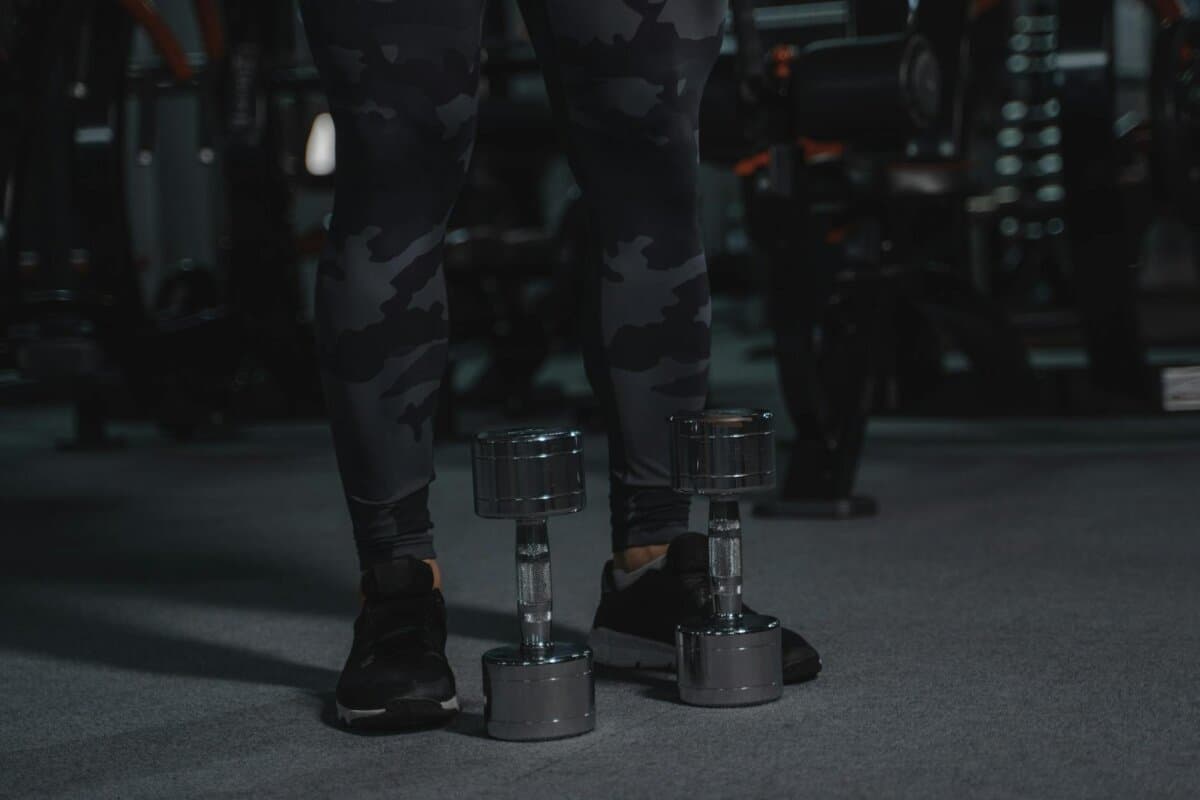
You notice it in the mirror first. One pec fuller than the other. One quad that pops, while its partner looks… sleepy. Or maybe it shows up under the bar, when one side always seems to take over. And yeah, the usual advice comes fast: “Just lower the weight.”
But let’s be honest. If you’ve been training consistently, pushing progressive overload, and actually care about your numbers, that advice feels like a step backward. You didn’t grind for years to suddenly baby the bar.
Here’s the good news. Muscle imbalances are incredibly common among intermediate lifters. And no, fixing them doesn’t mean sacrificing strength, size, or momentum. It means training smarter. Subtler. With intention. Trust me on this done right, imbalance correction can make you stronger, not weaker.
Understanding the Different Types of Muscle Imbalances
Before you start throwing unilateral exercises at the problem, you need clarity. Not all imbalances are the same. And treating them like they are? That’s how people spin their wheels for months.
Strength vs. Size vs. Motor Control Imbalances
Strength imbalances are exactly what they sound like. One side can produce more force than the other. You’ll feel this when one arm fails early on presses or one leg dominates squats and deadlifts.
Hypertrophy (size) imbalances are visual. One muscle is clearly more developed, even if both sides can handle similar loads. This often comes from years of subtle compensation patterns and exercise selection bias.
Then there’s the sneaky one: motor control imbalances. Here, the muscle isn’t necessarily weaker or smaller it just doesn’t fire as efficiently. Your dominant side jumps in faster, harder, and steals the work.
Most lifters have a mix of all three. Which is why blanket solutions fall flat.
Why Each Type Requires a Different Approach
If it’s a pure strength imbalance, you need targeted loading. If it’s size-related, volume distribution matters more. And if motor control is the issue? Execution, tempo, and awareness become everything.
Misidentify the imbalance, and you’ll either overcorrect, under-stimulate, or just reinforce the problem. Diagnosis first. Strategy second.
Why Lowering the Weight Isn’t the Only or Best Solution
Lowering the load is often prescribed because it’s simple. Not because it’s superior.
The Problem With Blanket Load Reduction
For beginners, sure lighter weights clean up technique fast. But intermediate lifters usually have solid mechanics already. Dropping intensity across the board can stall hypertrophy, kill motivation, and honestly? Make you dread training.
Strength is neurological as much as muscular. Remove heavy loading entirely, and you lose valuable adaptations that actually help stabilize joints and reinforce balanced movement.
Maintaining Progressive Overload While Fixing Imbalances
Here’s the reframe: imbalance correction isn’t about avoiding load. It’s about managing it.
You can keep your heavy bilateral lifts. Squats, presses, pulls. Those stay. The correction happens in how you support them through smart accessories, tempo changes, and volume tweaks that bring the weaker side up without dragging the stronger side down.
That’s how you protect joints, preserve momentum, and still move forward.
Using Unilateral Training to Correct Imbalances Without Losing Intensity
If there’s one tool that deserves more respect in serious programs, it’s unilateral training. Done right, it’s not “light” or “rehab-style.” It’s brutally honest work.
Upper-Body Unilateral Exercises That Actually Build Strength
Single-arm pressing and pulling instantly expose compensation. Your stronger side can’t hide anymore.
Single-arm dumbbell bench presses, one-arm rows, and single-arm lat pulldowns (even on machines) let you load each side independently while still pushing challenging weights. Start every set with the weaker side. Always. And match reps, not effort.
That rule alone fixes a lot.
Lower-Body Unilateral Staples for Strength Balance
For legs, unilateral work is non-negotiable. And no, it doesn’t have to be high-rep fluff.
The Bulgarian Split Squat is a prime example. Heavy. Stable. Humbling. It allows serious loading while forcing each leg to pull its own weight literally.
Single-leg RDLs, step-ups, and split squats all reinforce symmetrical strength without touching your barbell numbers.
How to Program Unilateral Work Without Overdoing It
You don’t need to turn every session into a unilateral circus.
- Keep bilateral compounds first
- Add 1 3 unilateral movements as accessories
- Prioritize quality over volume
Think support, not replacement.
Tempo, Pauses, and Volume Redistribution: Advanced Correction Tools
This is where most lifters leave gains on the table. Tempo and volume tweaks can shift stimulus dramatically without touching the load.
Using Tempo and Pauses to Force the Weak Side to Work
Slowing down the eccentric. Adding a pause at the hardest point. These techniques reduce momentum and expose weaknesses fast.
Paused dumbbell presses, slow-controlled rows, and tempo-focused squats increase time under tension where the weak side usually bails. Suddenly, it can’t hide behind elastic rebound or dominant-side assistance.
And yes it burns. In a good way.
Smart Volume Redistribution Without Overtraining
Instead of adding volume everywhere, bias it.
Add one extra set. Or a few extra reps. Only for the weaker side. That’s it.
This asymmetrical volume gives the lagging muscle more growth stimulus while letting the stronger side maintain. Simple. Effective. Sustainable.
Practical Examples Using Dumbbells and Machines
Dumbbells naturally reduce dominance patterns. Machines, when used unilaterally, add stability so the target muscle does the work. Both are tools not crutches.
Use them intentionally, and they’ll clean up imbalances faster than endless form tweaks.
Mind-Muscle Connection and Dominant Side Compensation
This part gets eye-rolls. Until it works.
Why the Stronger Side Always Wants to Take Over
Your nervous system is efficient. It prefers the path of least resistance. That usually means the dominant side firing first and harder.
Over time, that efficiency becomes imbalance.
Cues and Execution Strategies That Actually Work
Internal cues like focusing on the target muscle shortening can reduce compensation immediately. Slow the setup. Own the first rep. Match intent, not just movement.
This matters most in accessory work. That’s where you re-educate movement patterns that carry over to heavy lifts.
Common Muscle Imbalance Correction Mistakes to Avoid
Functional Imbalance vs. Natural Asymmetry
No one is perfectly symmetrical. Some asymmetry is structural. Bone length, joint orientation, history. Don’t chase visual perfection at the expense of function.
If strength is improving and pain is absent, you’re probably fine.
Why More Is Not Always Better
Overcorrecting creates new problems. So does impatience.
Imbalances correct gradually over weeks, not workouts. Stay consistent. Stay observant. And resist the urge to nuke your program every time you notice a difference.
Final Thoughts: Balance Strength Without Sacrificing Progress
You don’t have to choose between strength and balance. That’s a false trade-off.
Unilateral work, tempo control, smart volume biasing, and better execution let you fix muscle imbalances while keeping your hard-earned numbers intact.
Stay patient. Stay consistent. Think long-term.
Because the strongest lifters in the room? They’re not just moving weight. They’re moving it well.
Frequently Asked Questions
Related Articles
How to Optimize Lifting Technique With Biomechanics
Biomechanics offers a smarter way to improve lifting technique by understanding how your body moves under load. By applying principles like leverage, balance, and joint alignment, lifters can build strength more efficiently while reducing injury risk. This guide shows how to use biomechanics to refine form in major compound lifts.

Repetition Effort Method Explained for Hypertrophy and Strength
The repetition effort method is a proven training approach that uses moderate weights and high reps taken close to failure to stimulate muscle growth. Popular in both bodybuilding and strength training systems, it builds size, work capacity, and long-term strength. Learn how to program it effectively for hypertrophy-focused results.

Velocity Based Training: Auto-Regulate Like a Pro
Velocity based training is a data-driven approach that uses bar speed to auto-regulate load, volume, and intensity. Instead of guessing based on percentages, VBT helps lifters train according to real-time performance. Learn how to apply velocity metrics to build strength, manage fatigue, and progress smarter.
Neural Drive Enhancement for Explosive Strength Training
Explosive strength is driven as much by the nervous system as by muscle size. This article explains how neural drive influences power output and how targeted training methods can improve explosive performance. Learn how to program heavy lifts, speed work, and recovery for long-term strength gains.