How to Optimize Lifting Technique With Biomechanics
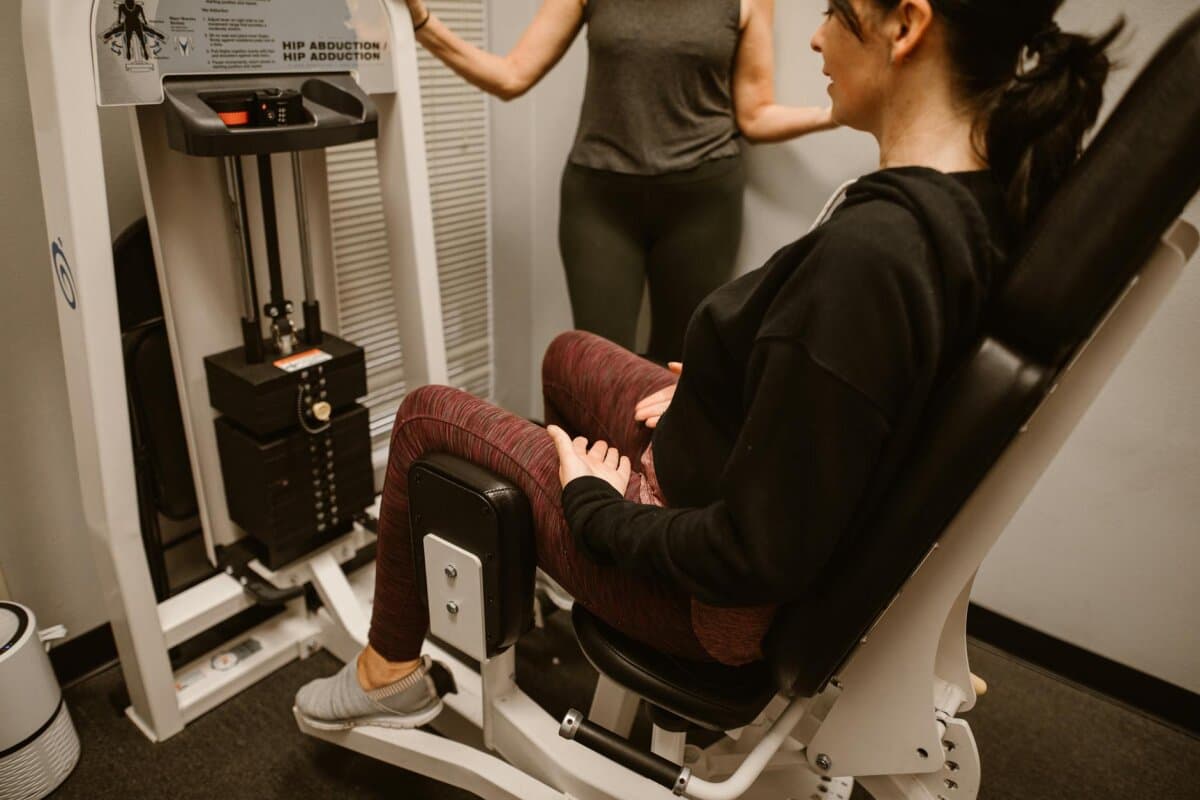
How to Optimize Lifting Technique With Biomechanics
You train consistently. You watch form videos. You warm up. And yet… progress stalls. Or something starts to ache. Sound familiar?
This is where a lot of lifters get frustrated. They’re doing the “right” things, but their technique still feels off. Heavy weights feel harder than they should. Certain lifts just never click.
That’s usually not a motivation problem. Or a strength issue. It’s a biomechanics problem.
Biomechanics is the missing layer between generic cues and truly personalized lifting technique. Once you understand how your body moves how forces travel through joints, how leverage works, and why certain positions feel stronger you stop guessing. And you start lifting smarter. Trust me on this.
What Biomechanics Means in Strength Training
At its core, biomechanics is the study of how the body moves under load. In the gym, that means understanding how bones, joints, muscles, and external forces (like a barbell) interact during a lift.
Every rep you do creates forces. Gravity pulls the weight down. Your muscles produce force to move it up. Your joints experience torque depending on angles and distances. Biomechanics helps explain why some positions feel strong and stable while others feel awkward or risky.
This goes way beyond cues like “keep your back straight” or “push through your heels.” Those cues aren’t wrong but they’re incomplete. Biomechanics gives you the reasoning behind them.
Biomechanics vs. Traditional Technique Cues
Traditional cues are shortcuts. They’re designed to get most people into a safer position quickly. And they work… to a point.
But biomechanics asks deeper questions:
- Where is the bar relative to your midfoot?
- Which joints are taking the most load right now?
- Are your muscles working efficiently, or fighting bad leverage?
Two lifters can follow the same cue and end up in very different positions. One feels solid. The other feels like the lift is a grind from start to finish. Biomechanics explains why.
Why Optimal Lifting Technique Is Individual
Here’s a hard truth that took many lifters (and coaches) years to accept: there is no single “perfect” technique that works for everyone.
Your bone structure matters. Your limb lengths matter. Even how your hips are shaped matters. And no, you can’t mobility-drill your way out of all of it.
This is why copying someone else’s form especially a lifter with a completely different build often backfires. What looks smooth and powerful for them might feel unstable or painful for you.
Anthropometrics and Their Impact on Form
Anthropometrics is just a fancy word for body measurements. In lifting, it usually refers to things like:
- Femur length relative to torso length
- Arm length
- Hip and shoulder structure
Long femurs? Your squat will likely involve more forward torso lean. Long arms? Deadlifts may feel like your strongest lift. Short arms? Pressing might come more naturally.
None of these are advantages or disadvantages on their own. They just change the mechanics. When you respect those differences instead of fighting them, technique suddenly makes more sense.
Key Biomechanics Concepts Every Lifter Should Know
You don’t need a physics degree to apply biomechanics. But a few core concepts go a long way.
Moment Arms and Torque (Without the Headache)
A moment arm is the distance between a joint and the line of force acting on it. The longer that distance, the more torque the joint experiences.
In plain English? The farther the weight drifts from your joints, the harder your muscles have to work to control it.
This is why bar path matters so much. A bar that stays close to your center of mass creates shorter moment arms. Less wasted effort. More strength where you want it.
Center of Mass and Balance
Every system has a center of mass including you plus the barbell. When that combined center of mass stays over your base of support (usually midfoot), lifts feel balanced and repeatable.
When it drifts forward or backward? You compensate. Hips shoot up. Heels lift. Lower back takes over. Not ideal.
Force Vectors and Direction
Your muscles don’t just produce force they produce it in a direction. Efficient lifting means aligning your force production with the direction the bar needs to travel.
When force vectors are aligned, the lift feels smooth. When they’re not, it feels like you’re fighting the weight the whole way up.
How These Concepts Show Up in the Gym
Ever notice how a small setup tweak suddenly makes a lift feel easier? That’s biomechanics in action.
Same weight. Same effort. Better leverage.
Applying Biomechanics to Major Compound Lifts
This is where theory turns into results. Let’s break down how biomechanics applies to the lifts most people care about.
Squat and Deadlift Biomechanics
In squatting movements like the Barbell Full Squat or the Barbell Low-Bar Squat, the goal is to keep the barbell over midfoot while allowing your hips and knees to share the load.
Longer femurs often mean more forward torso angle. That’s not a flaw it’s a mechanical necessity. Forcing an upright position can actually increase stress on the lower back.
Deadlifts tell a similar story. In the Barbell Deadlift, efficient setup means minimizing the distance between the bar and your hips and shoulders. The closer the bar stays to your body, the shorter the moment arms acting on your spine.
When the bar drifts forward? Torque spikes. The lift feels slow off the floor. That’s not weakness it’s poor leverage.
Pressing and Pulling Movements
In pressing exercises like the Barbell Bench Press, biomechanics is all about shoulder position, elbow angle, and bar path.
A slightly tucked elbow reduces shoulder torque. A bar path that moves from lower chest toward the shoulders aligns force production with joint mechanics. That’s why the strongest presses rarely move in a straight line.
Vertical pressing (like overhead presses) depends heavily on joint stacking. Wrists over elbows. Elbows under shoulders. Bar over midfoot. When everything lines up, the load transfers efficiently through the skeleton instead of stressing soft tissue.
Pulling movements like the Pull-Up highlight scapular mechanics. Shoulder blades that move freely allow better force transfer and reduce strain on the elbows and shoulders. Grip width changes torque. So does torso angle. Small changes matter.
How Biomechanics Improves Strength and Reduces Injury Risk
Here’s the part most lifters care about: biomechanics doesn’t just make lifts look better. It makes them stronger and safer.
Efficient mechanics mean more of your effort goes into moving the weight instead of stabilizing bad positions. Over time, that leads to better strength gains with less wear and tear.
Injury risk drops not because you’re lifting “perfectly,” but because joints are loaded in positions they’re built to handle.
Joint Stacking and Load Distribution
Joint stacking means aligning joints so that load passes through bone rather than being resisted by muscle and connective tissue alone.
Think wrists over elbows in presses. Hips and knees sharing load in squats. Shoulders and hips rising together in deadlifts.
When joints are stacked, stability improves almost automatically. And stable lifts are repeatable lifts the kind you can train for years without chronic issues.
Common Technique Mistakes and Biomechanics-Based Fixes
Most technique mistakes aren’t caused by laziness. They’re caused by misunderstanding.
Take “neutral spine.” Many lifters over-brace and lock themselves into an unnatural position, thinking that’s safer. In reality, a neutral spine is a range, not a frozen shape.
Another big one? Forcing vertical bar paths where angled paths make more sense. Bodies aren’t perfectly symmetrical machines. Bar paths reflect that.
The fix starts with awareness. Film your lifts. Look at bar path. Notice where things feel hardest. Then make small adjustments stance width, grip, setup not wholesale changes.
Lifting Smarter With Biomechanics
Biomechanics doesn’t replace hard work. It makes hard work pay off.
When you understand why a lift works, technique becomes a skill you refine not a rigid rule you follow. You stop chasing someone else’s form and start owning your own.
So next time a lift feels off, don’t just add more cues or more weight. Ask better questions. How is force moving through your body? Where is leverage helping or hurting you?
That mindset shift alone can change how you train. And how long you stay strong.
Frequently Asked Questions
Related Articles
Repetition Effort Method Explained for Hypertrophy and Strength
The repetition effort method is a proven training approach that uses moderate weights and high reps taken close to failure to stimulate muscle growth. Popular in both bodybuilding and strength training systems, it builds size, work capacity, and long-term strength. Learn how to program it effectively for hypertrophy-focused results.
Velocity Based Training: Auto-Regulate Like a Pro
Velocity based training is a data-driven approach that uses bar speed to auto-regulate load, volume, and intensity. Instead of guessing based on percentages, VBT helps lifters train according to real-time performance. Learn how to apply velocity metrics to build strength, manage fatigue, and progress smarter.
Neural Drive Enhancement for Explosive Strength Training
Explosive strength is driven as much by the nervous system as by muscle size. This article explains how neural drive influences power output and how targeted training methods can improve explosive performance. Learn how to program heavy lifts, speed work, and recovery for long-term strength gains.

Fascia Stretching: Does It Really Improve Performance?
Fascia stretching has become a popular topic in fitness, often promoted as a way to boost performance and prevent injuries. This article breaks down what fascia is, how fascia-focused methods actually work, and what the research says about their real impact on strength, mobility, and recovery. Learn how to use fascia stretching as a smart addition to your training without falling for the hype.