Overtraining Symptoms Most Lifters Ignore Until It’s Too Late

You know the culture. Grind harder. No days off. Push through it.
In today’s gym world especially if you lift seriously fatigue is almost worn like a badge of honor. Sore? Good. Exhausted? Even better. But here’s the uncomfortable truth most lifters learn the hard way: not all fatigue is productive. And not all soreness means progress.
Overtraining doesn’t usually show up overnight. It creeps in. Quietly. Most lifters ignore the early signs because they look a lot like dedication… until performance tanks, motivation disappears, and injuries start stacking up.
Let’s talk about the symptoms that get brushed off way too often. And why waiting until it’s “really bad” is exactly how progress gets derailed.
Overtraining vs. Normal Fatigue: What Lifters Get Wrong
First things first feeling tired after hard training is normal. Feeling sore after a tough leg day? Expected. That’s not overtraining.
Overtraining is what happens when training stress consistently exceeds your ability to recover. Not just for a few days. For weeks. Sometimes months.
Here’s where lifters get tripped up: when progress stalls, the instinct is almost always to do more. More sets. More days. More intensity. But if recovery is already maxed out, pushing harder just digs the hole deeper.
Functional Overreaching vs. True Overtraining Syndrome
Functional overreaching is planned. You push volume or intensity for a short phase, performance dips slightly, then rebounds higher after proper recovery. That’s smart programming.
Non-functional overreaching is where things start going sideways. Performance drops and doesn’t come back after rest. You feel beat up, but still force sessions.
Overtraining syndrome is the long-term version. Chronic fatigue. Hormonal disruption. Mood changes. And recovery that takes months, not days.
The scary part? Most lifters don’t realize which stage they’re in until they’re already past the point where a simple deload would’ve fixed things.
Physical Overtraining Symptoms Most Lifters Dismiss
This is where denial kicks in.
Because a lot of these signs feel… normal. Or at least normal enough to ignore.
- Persistent muscle soreness that doesn’t fade even after rest days
- Joint pain that shows up early in workouts instead of the last set
- Strength regression or stalled numbers across multiple lifts
- Elevated resting heart rate or feeling winded unusually fast
- Small injuries that keep popping up tweaks, strains, nagging aches
One bad workout? No big deal. A bad week? Happens. But when these patterns stick around, that’s your body waving a red flag.
When Big Lifts Start Feeling Heavier Than They Should
You feel it most on compound lifts.
The bar speed slows. Warm-up weights feel oddly heavy. Sets that used to be automatic now require serious mental effort.
If your Barbell Full Squat feels glued to the floor or your Barbell Deadlift turns into a grind fest at weights you’ve owned for months, that’s not laziness.
Same story with pressing. A sudden drop in performance or shoulder discomfort during the Barbell Bench Press is often an early sign your recovery capacity is tapped out.
Trust me strength doesn’t just disappear for no reason.
Mental and Emotional Warning Signs of Overtraining
This part gets ignored even more than the physical stuff.
Because lifters like to believe motivation is purely mental. That if you just “want it enough,” you’ll show up fired up.
But overtraining messes with your brain just as much as your muscles.
- Loss of excitement for training even workouts you usually love
- Feeling irritable, on edge, or unusually anxious
- Poor focus during sessions and in everyday tasks
- Trouble sleeping, or waking up exhausted after a full night
You might still go to the gym out of habit. But the spark? Gone.
Why Burnout Is Not a Motivation Problem
If you’ve been consistent for years and suddenly don’t care about training… that’s not a character flaw.
It’s often a nervous system issue.
Chronic training stress elevates cortisol, disrupts sleep, and keeps your body in fight-or-flight mode. Over time, your brain pulls the emergency brake. Motivation drops as a protective mechanism.
Pushing harder at this point doesn’t build discipline. It builds resentment toward training.
The Hormonal and Physiological Cost of Chronic Overtraining
This is where the damage becomes less visible but more serious.
When recovery is consistently insufficient, your body shifts into survival mode.
- Cortisol stays elevated, increasing fat storage and muscle breakdown
- Testosterone and anabolic signaling drop, slowing muscle repair
- Immune function weakens, leading to frequent colds or illness
- CNS fatigue reduces coordination, power output, and strength
This is why heavy lifts feel neurologically exhausting even before your muscles are tired.
Why Your Body Stops Responding to Training
Adaptation only happens when stress is followed by recovery.
Without that recovery window, your body stops adapting. Volume that once built muscle now just creates inflammation. Intensity that once built strength now just drains you.
This is especially noticeable with heavy pulls, squats, and explosive movements where nervous system output matters most.
At this point, no supplement or pre-workout is going to save you.
Training Styles That Increase Overtraining Risk
Some programs aren’t bad by default. They just get abused.
Overtraining usually comes from good intentions paired with poor recovery planning.
- High-volume bodybuilding splits run for months without deloads
- Push Pull Legs performed six days a week at max effort
- Daily HIIT, CrossFit, or conditioning-heavy sessions
- Long “marathon” workouts that stack lifting and intense cardio
Add movements like frequent Burpees on top of heavy lifting, and systemic fatigue builds fast.
When More Work Stops Producing Better Results
More volume only works if you can recover from it.
If sleep is short, calories are low, and life stress is high, even a well-designed program can turn toxic.
This is where lifters confuse effort with effectiveness. They train harder but get weaker, flatter, and more exhausted.
Sound familiar?
How to Prevent and Recover From Overtraining
Good news. You don’t need to train less forever.
You just need to train smarter.
- Plan deload weeks every 4 8 weeks depending on intensity
- Manage volume before cranking intensity higher
- Track recovery markers sleep, mood, bar speed, motivation
- Eat enough, especially carbohydrates during hard phases
- Respect life stress work, family, and poor sleep all count
A deload doesn’t mean doing nothing. It means reducing load or volume enough for your body to catch up.
Smarter Programming for Long-Term Progress
The strongest, most consistent lifters aren’t the ones who train hardest every session.
They’re the ones who know when to push and when to pull back.
Auto-regulation, planned recovery, and honest self-assessment beat grind mentality every time.
If you want to lift for decades, not just a few burned-out years, recovery has to be part of the plan.
Train Hard, Recover Smarter
Overtraining symptoms don’t show up all at once.
They start as whispers slower bar speed, poor sleep, low motivation. Ignore them, and they turn into injuries, stalled progress, and full-blown burnout.
Listening to your body isn’t weakness. It’s experience.
If you care about long-term strength, muscle, and health, recovery isn’t optional. It’s the other half of training.
Train hard. Absolutely. But recover like it matters because it does.
Frequently Asked Questions
Related Articles
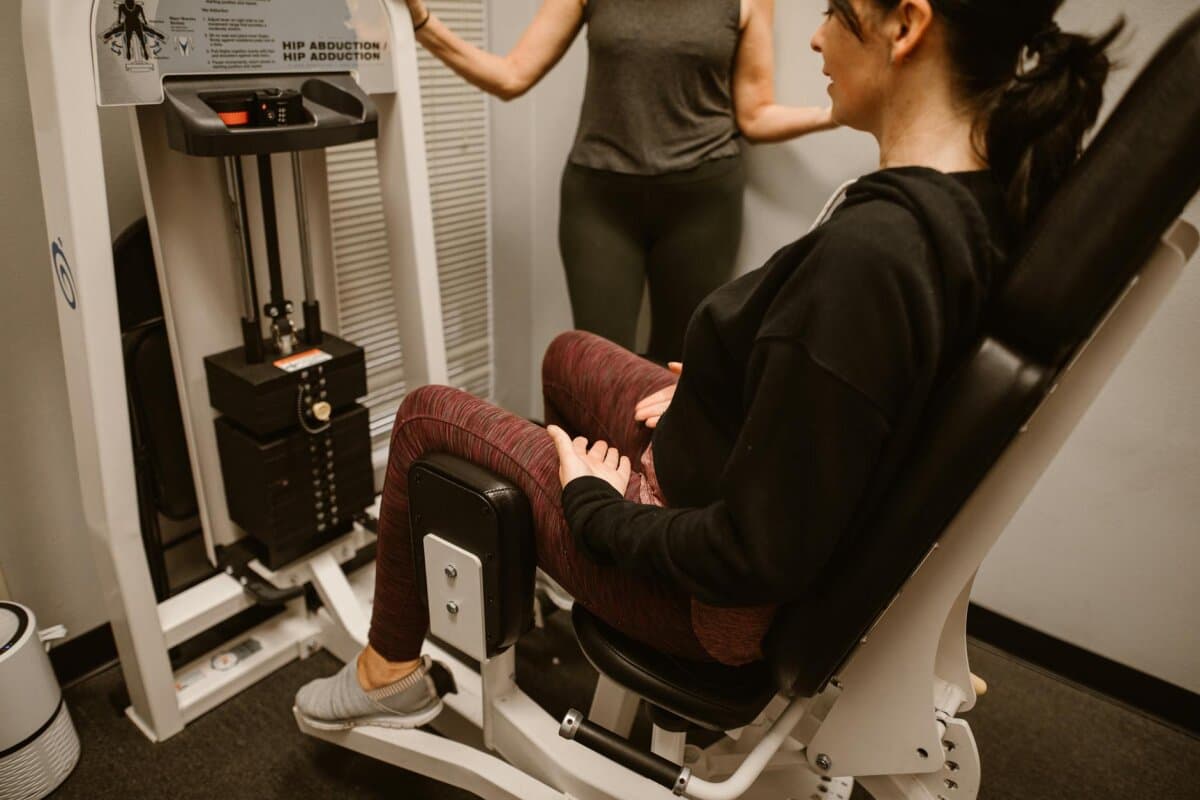
How to Optimize Lifting Technique With Biomechanics
Biomechanics offers a smarter way to improve lifting technique by understanding how your body moves under load. By applying principles like leverage, balance, and joint alignment, lifters can build strength more efficiently while reducing injury risk. This guide shows how to use biomechanics to refine form in major compound lifts.

Repetition Effort Method Explained for Hypertrophy and Strength
The repetition effort method is a proven training approach that uses moderate weights and high reps taken close to failure to stimulate muscle growth. Popular in both bodybuilding and strength training systems, it builds size, work capacity, and long-term strength. Learn how to program it effectively for hypertrophy-focused results.
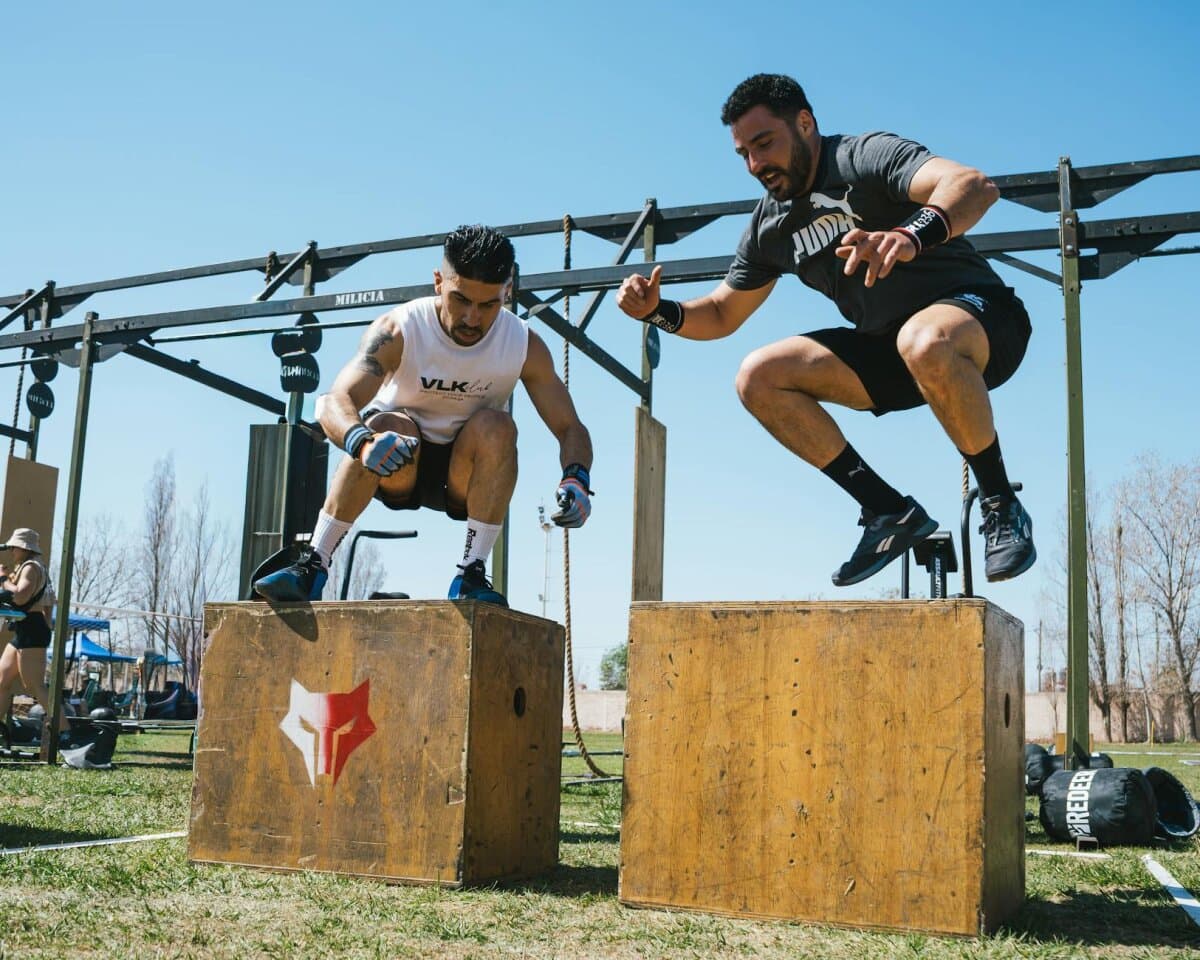
Velocity Based Training: Auto-Regulate Like a Pro
Velocity based training is a data-driven approach that uses bar speed to auto-regulate load, volume, and intensity. Instead of guessing based on percentages, VBT helps lifters train according to real-time performance. Learn how to apply velocity metrics to build strength, manage fatigue, and progress smarter.
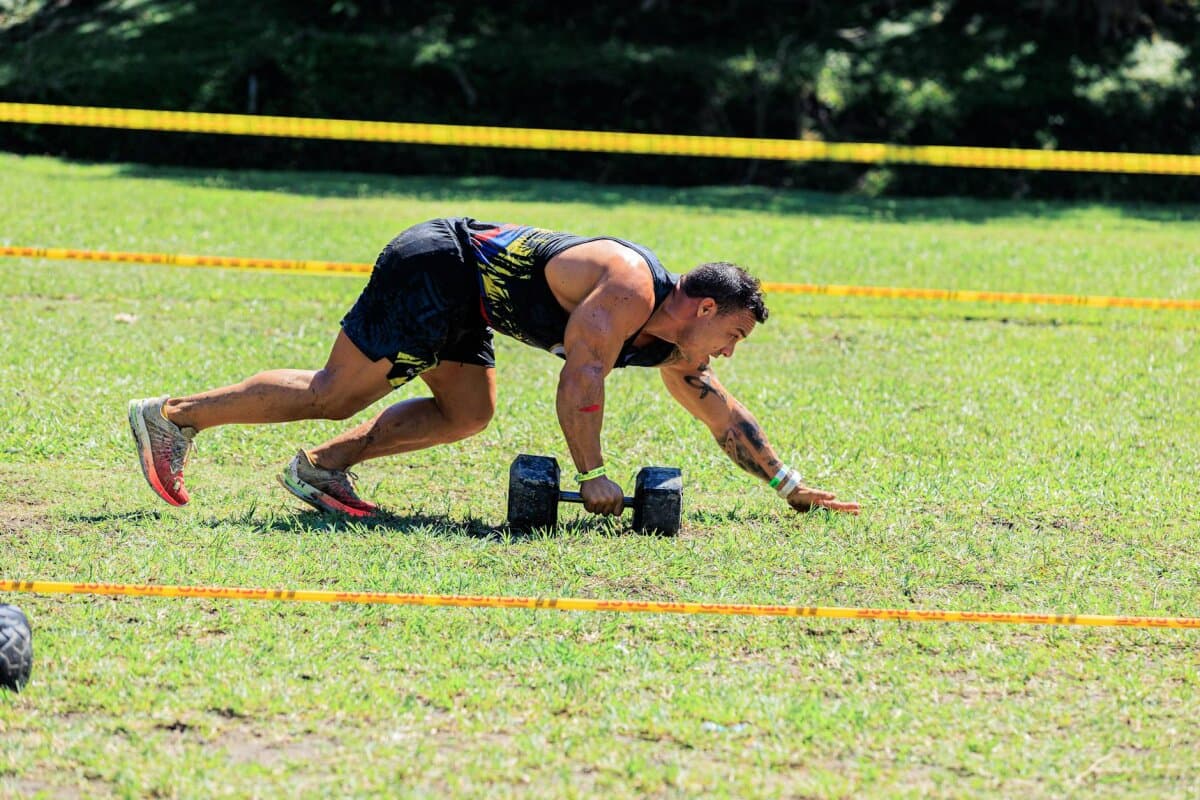
Neural Drive Enhancement for Explosive Strength Training
Explosive strength is driven as much by the nervous system as by muscle size. This article explains how neural drive influences power output and how targeted training methods can improve explosive performance. Learn how to program heavy lifts, speed work, and recovery for long-term strength gains.