Post-Activation Potentiation: Lift Heavy, Move Faster
Post-Activation Potentiation: Lift Heavy, Move Faster
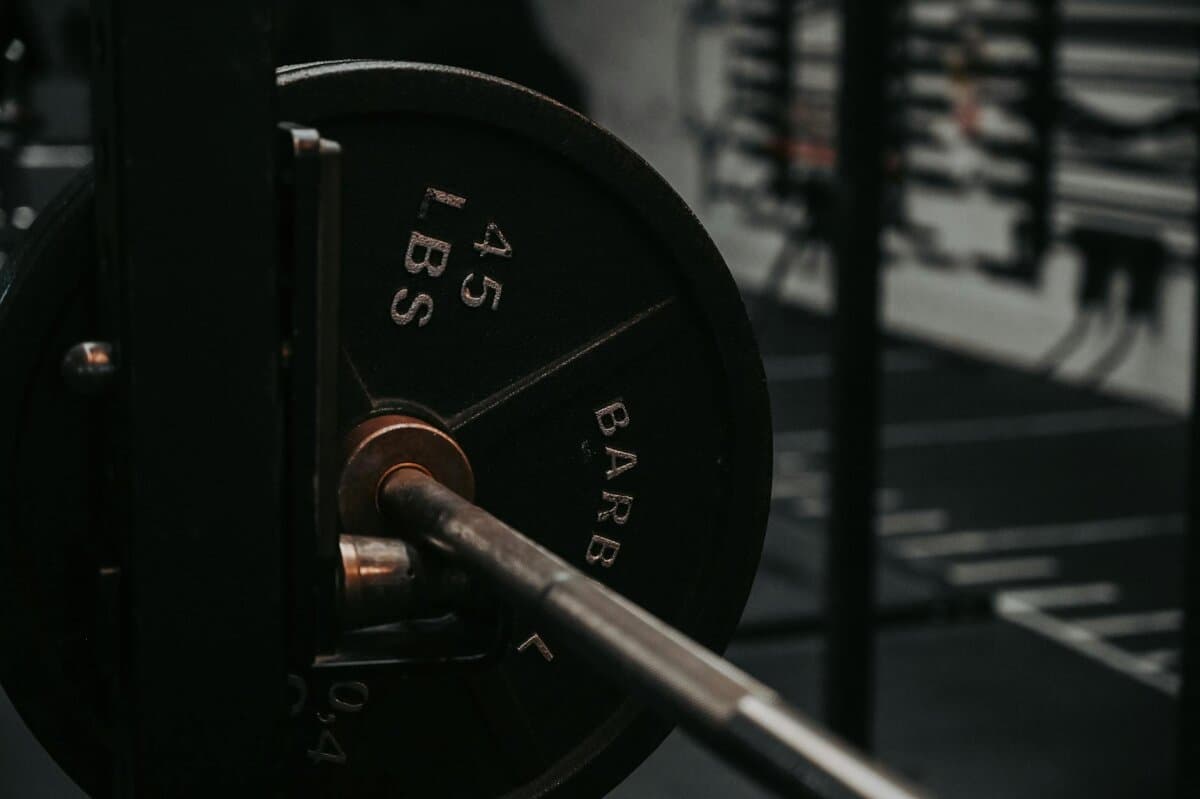
Ever notice how everything feels snappier after you unrack a heavy weight? Your jumps feel springier. Your throws pop harder. Even sprinting suddenly feels… sharper. That’s not hype. That’s your nervous system waking up.
This idea lifting something heavy to move faster right afterward isn’t new. Olympic lifters, sprinters, football players, and strength coaches have been using it for decades. These days, it goes by a fancy name: Post-Activation Potentiation, or PAP. And yes, it’s backed by real science.
But let’s be clear. This isn’t a beginner trick. PAP rewards lifters who already know how to move well and generate force. If that’s you, stick around. This might be the missing piece between “strong” and explosive.
What Is Post-Activation Potentiation (PAP)?
At its core, PAP is simple. You perform a heavy resistance exercise. Then after a carefully timed rest you perform an explosive movement using the same muscles. If everything lines up, your power output goes up.
Not permanently. Not magically. Just for a short window. But that window? It’s enough to jump higher, sprint faster, or move a lighter load with more speed.
PAP Explained in Plain English
Think of heavy lifting as flipping a switch. When you lift something near your max, your nervous system gets loud. It recruits more muscle fibers, fires them faster, and tells your body, “Hey, we need everything right now.”
Rest just long enough for fatigue to fade but not so long that the switch turns off and then move explosively. That’s PAP. Lift heavy. Wait. Explode.
Why PAP Matters for Speed and Power
Speed and power aren’t just about muscle size. They’re about how fast you can use what you already have. PAP temporarily improves that ability.
That’s why you’ll see athletes pairing heavy squats with jumps, or heavy presses with throws. When it works, the difference is obvious. The floor feels spring-loaded. The bar moves like it’s lost weight.
The Science Behind PAP: How Heavy Lifts Prime Power
Let’s zoom in for a second. Because PAP isn’t magic it’s physiology doing its thing.
Neural Drive and Motor Unit Recruitment
Your muscles are controlled by motor units. Each one includes a nerve and the muscle fibers it activates. Heavy lifting forces your body to recruit more of them, especially the big, high-threshold units responsible for force and speed.
After a heavy set, those motor units stay “on high alert.” Signals from your brain travel faster and more efficiently. The result? Increased neural drive. More muscle fibers firing. Better coordination. More power.
This is why heavy compound lifts like the Barbell Full Squat or Barbell Bench Press are commonly used as PAP triggers. They light up a lot of muscle, all at once.
Muscle-Level Changes That Increase Force
There’s also stuff happening inside the muscle itself. One key mechanism is the phosphorylation of myosin light chains. Sounds complicated, right? Here’s the short version.
This process makes muscle fibers more sensitive to calcium, which plays a huge role in muscle contraction. When sensitivity goes up, your muscles can produce more force from the same neural signal.
Put it together: better nerve signaling and more responsive muscle fibers. That’s the PAP effect in action.
PAP vs. PAPE: Understanding Modern Terminology
If you’ve read newer research or listened to performance coaches lately, you might’ve heard a different term: Post-Activation Performance Enhancement, or PAPE.
So… are these the same thing? Mostly. But there’s a reason the language shifted.
Traditionally, PAP referred to very short-term changes measured in lab settings sometimes seconds after a maximal contraction. Real-world training, however, doesn’t work like that.
Why the Terminology Shift Matters
PAPE acknowledges what coaches actually see in the gym: performance often improves several minutes after heavy lifting, once fatigue drops and potentiation remains.
That improvement may come not just from neural mechanisms, but also from increased muscle temperature, improved muscle-tendon stiffness, and heightened readiness.
In practice, lifters still say “PAP.” Coaches might say “PAPE.” Either way, the idea is the same. Use heavy strength work to enhance explosive performance right now.
Fatigue vs. Potentiation: Timing Is Everything
This is where PAP succeeds or completely falls apart.
Heavy lifting does two things at once. It creates potentiation. And it creates fatigue. If fatigue wins, your explosive movement gets worse, not better.
The secret? Rest.
Finding the Optimal Rest Window
Most research and coaching experience land in the same place: rest somewhere between 2 and 8 minutes after the heavy lift.
Shorter rest favors endurance and conditioning, but PAP needs breathing room. You want your legs to feel ready not shaky. Alert, not fried.
And yes, this rest window is individual. Some athletes pop after two minutes. Others need six or seven. Trust me on this experiment.
Why Stronger Athletes Potentiate Better
Stronger lifters tend to benefit more from PAP. Why? Because relative fatigue is lower, and their nervous systems are better trained to handle heavy loads.
A beginner squatting heavy is just trying to survive the set. An experienced lifter squatting heavy is sending a clear, efficient signal to their muscles.
That’s why PAP isn’t ideal for novices. Strength first. Then speed.
Real-World PAP Pairings and Contrast Training Examples
PAP is usually applied through contrast training. You pair a heavy lift with a biomechanically similar explosive movement.
Simple. Brutal. Effective.
Lower-Body PAP Pairings
- Heavy Barbell Full Squat → Box Jumps
- Heavy Barbell Deadlift → Broad Jumps
- Heavy split squat → Sprint starts
The goal isn’t to exhaust yourself. It’s to feel explosive. If your jump height drops, stop.
Upper-Body PAP Pairings
- Heavy Barbell Bench Press → Medicine Ball Chest Pass
- Heavy overhead press → Plyometric push-ups
- Weighted pull-ups → Explosive rows
Upper-body PAP is subtler, but when it clicks, you’ll feel it immediately.
Who Should Use PAP and How to Program It
PAP works best for intermediate to advanced lifters. If you already squat, hinge, and press with solid technique, you’re a good candidate.
Programming basics:
- Load: 80 95% of 1RM for the heavy lift
- Reps: 1 3 reps per heavy set
- Sets: 2 4 contrast pairs
- Frequency: 1 2 times per week
Place PAP work early in the session, right after your warm-up. Freshness matters.
Using PAP to Lift Heavy and Move Faster
Post-Activation Potentiation isn’t a gimmick. It’s a precision tool. When applied correctly, it bridges the gap between strength and speed.
But it demands respect. Too little rest, and fatigue wins. Too much volume, and the effect disappears. Dial it in.
If your goal is to jump higher, sprint faster, or turn raw strength into real-world power, PAP deserves a spot in your training toolbox. Lift heavy. Wait patiently. Then move like you mean it.
Frequently Asked Questions
Related Articles
How to Optimize Lifting Technique With Biomechanics
Biomechanics offers a smarter way to improve lifting technique by understanding how your body moves under load. By applying principles like leverage, balance, and joint alignment, lifters can build strength more efficiently while reducing injury risk. This guide shows how to use biomechanics to refine form in major compound lifts.
Repetition Effort Method Explained for Hypertrophy and Strength
The repetition effort method is a proven training approach that uses moderate weights and high reps taken close to failure to stimulate muscle growth. Popular in both bodybuilding and strength training systems, it builds size, work capacity, and long-term strength. Learn how to program it effectively for hypertrophy-focused results.
Velocity Based Training: Auto-Regulate Like a Pro
Velocity based training is a data-driven approach that uses bar speed to auto-regulate load, volume, and intensity. Instead of guessing based on percentages, VBT helps lifters train according to real-time performance. Learn how to apply velocity metrics to build strength, manage fatigue, and progress smarter.
Neural Drive Enhancement for Explosive Strength Training
Explosive strength is driven as much by the nervous system as by muscle size. This article explains how neural drive influences power output and how targeted training methods can improve explosive performance. Learn how to program heavy lifts, speed work, and recovery for long-term strength gains.