Powerlifting Peaking: 6 Weeks to Max Strength
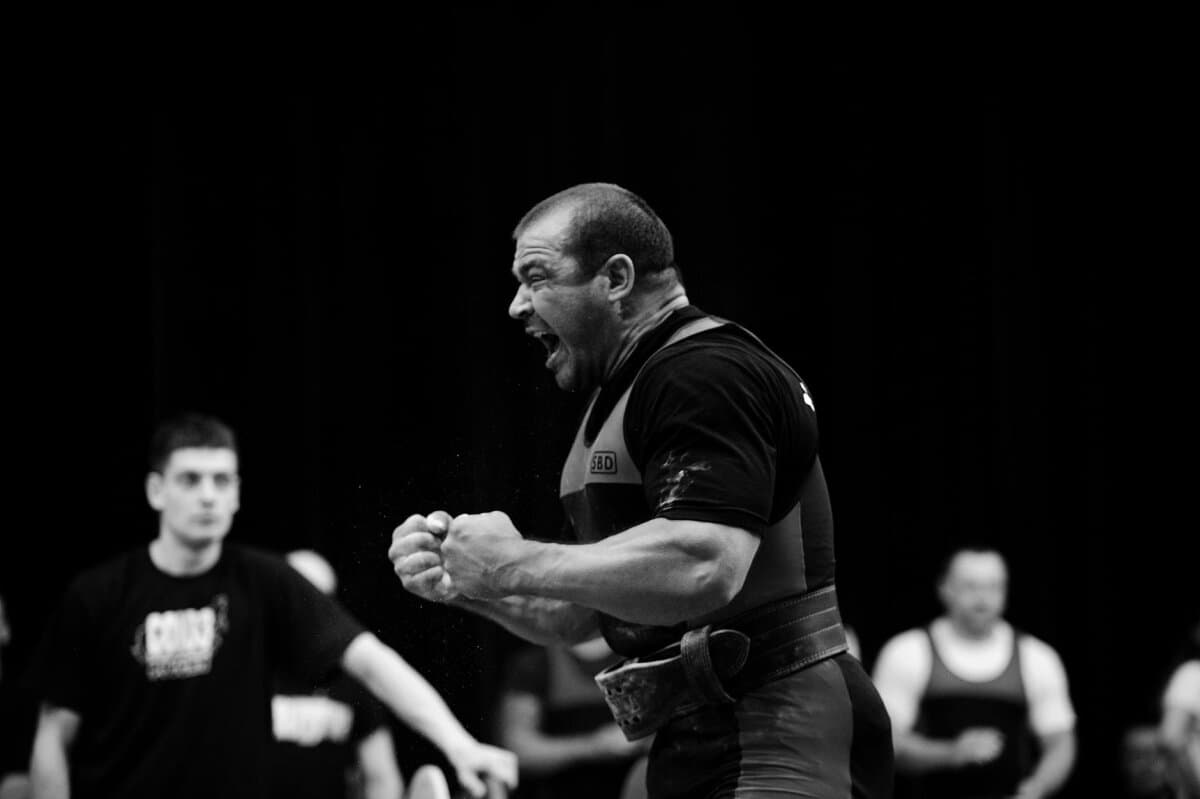
You’ve built the base. Months of volume, accessories, missed reps, good reps, and those days where the bar felt glued to the floor. Now comes the fun part. Peaking.
In powerlifting, a peak isn’t about getting stronger week to week. It’s about showing the strength you already have. Big difference. Over the next six weeks, the goal is simple: reduce fatigue, sharpen technique, and line everything up so your squat, bench press, and deadlift hit when it counts.
This article is for intermediate lifters who want a realistic, science-backed approach. Not theory. Not hype. Just how peaking actually works in the real world busy schedules, cranky joints, and all.
What Is Peaking in Powerlifting?
Peaking is a short-term training phase designed to maximize strength expression. You’re not building new muscle here. You’re uncovering what’s already there by managing fatigue while keeping your nervous system ready to fire.
Think of strength as two overlapping curves: fitness and fatigue. Hard training drives both up. Peaking slowly lets fatigue drop while fitness stays high. When those lines separate just right? That’s peak performance.
During a peak, intensity stays high or even increases, while volume steadily comes down. You practice competition-style lifts, refine timing and bracing, and stop wasting energy on junk volume. The weights feel heavier. But somehow… you feel better.
Peaking vs. Regular Strength Training
Regular strength blocks are about accumulation. More sets, more reps, more variations. You’re chasing adaptation. A peak flips that mindset.
Instead of asking, “What will make me stronger long term?” you’re asking, “What helps me lift the most right now?” That means fewer accessories, fewer reps taken close to failure, and a lot more focus on singles, doubles, and perfect execution.
And yeah, it can feel weird at first. Less work. More rest. Trust me on this it’s supposed to feel that way.
Who Should Use a Peaking Phase?
Peaking makes sense if you already have a strength base and a clear testing date. A meet. A mock meet. Even a planned gym max-out.
If you’re brand new to powerlifting or still adding weight every week with basic programming, you probably don’t need a formal peak yet. But if progress has slowed and max strength is the goal? This is your phase.
The 6-Week Powerlifting Peaking Timeline
Six weeks is a sweet spot for most lifters. Long enough to reduce fatigue without detuning technique. Short enough to stay focused and motivated.
Across these six weeks, volume trends down, intensity trends up, and specificity increases. By the end, training almost mirrors competition demands. Heavy. Focused. Efficient.
Weeks 1 2: Transition From Volume to Intensity
The first two weeks bridge the gap between hard training and peaking. Volume drops slightly, but not aggressively. Intensity creeps up.
You’ll still see some sets of 4 6, but fewer of them. Accessories are trimmed, not eliminated. Variations like tempo or paused work may stay in, but loads get heavier.
This phase sets the table. You’re easing out of fatigue, not slamming the brakes.
Weeks 3 4: Heavy Specificity and Reduced Volume
Now we’re peaking for real. Most main lifts live in the 80 90% range. Singles and doubles become common.
Volume drops again. Accessories are minimal and very targeted. Every rep should look like a competition rep same setup, same walkout, same commands in your head.
If bar speed is improving and recovery feels manageable, you’re on track.
Weeks 5 6: Taper, Deload, and Max Readiness
The final stretch is about freshness. Week five often includes your heaviest singles nothing grindy, but heavy enough to build confidence.
Week six is the taper. Very low volume. Plenty of rest. Just enough intensity to stay sharp.
You should feel almost impatient by the end. Strong. Rested. A little edgy. Perfect.
How to Peak the Squat, Bench Press, and Deadlift
Each lift responds differently to fatigue. Treating them the same during a peak is a mistake a lot of lifters make. Let’s break it down.
Squat: Managing Fatigue While Staying Heavy
The squat creates a lot of systemic fatigue. Heavy squats tax your legs, back, and nervous system all at once.
During a peak, squat volume comes down steadily, but intensity stays high. One to two squat sessions per week is common, centered around competition-style reps like the Barbell Low-Bar Squat.
Heavy singles at RPE 7 9 work well. Enough load to feel serious, but not enough to wreck you for days.
Bench Press: Higher Frequency and Technique Consistency
The bench press recovers fast for most lifters. That’s a gift use it.
Many successful peaks keep bench frequency relatively high, sometimes 2 4 times per week. Volume still drops, but frequent exposure helps groove bar path and timing.
Stick close to your competition lift, like the Barbell Bench Press, and keep reps crisp. Sloppy reps here show up fast on max attempts.
Deadlift: Early Volume Reduction and Smart Exposure
The deadlift is brutally effective and brutally fatiguing.
Most lifters benefit from cutting deadlift volume earlier than squat or bench. Heavy pulls stay in, but total reps drop quickly.
One focused deadlift day per week is often enough during a peak, centered around the Barbell Deadlift. Quality over quantity. Always.
Accessory Work, Technique, and Bar Speed During a Peak
Accessories don’t disappear during peaking. They just change jobs.
Instead of chasing muscle soreness or PRs, accessories support positioning, joint health, and confidence. That’s it.
Choosing the Right Accessories (Paused Squats, Spoto Press)
Early in the peak, accessories like paused squats or Spoto presses can reinforce tightness without needing maximal loads.
As the weeks go on, accessories get lighter, simpler, and fewer. If an accessory leaves you sore for days, it probably doesn’t belong late in a peak.
Monitoring Bar Speed and Daily Readiness
You don’t need fancy tech, but you do need awareness.
If weights at 80% suddenly move like molasses, something’s off. Fatigue, sleep, stress listen to it. Adjust load slightly instead of forcing bad reps.
Peaking rewards restraint more than ego.
Peaking for a Powerlifting Meet vs. a Gym Max Test
Not all peaks are the same. A meet peak and a gym test peak overlap, but priorities shift.
Attempt Selection and Rules vs. Gym Freedom
Meet prep demands consistency. Commands. Equipment. Attempt selection that builds totals, not Instagram clips.
Gym max tests allow more flexibility. You can chase a true one-rep max without worrying about depth calls or press commands. That freedom changes stress and expectations.
Psychological Differences in Competition Peaking
Meets bring adrenaline. Crowds. Pressure.
Some lifters lift more on the platform. Others freeze up. Your peak should reflect that reality. Confidence matters as much as programming here.
Recovery, Nutrition, and Common Peaking Mistakes
As volume drops, recovery becomes more not less important. You’re asking your body to perform at its highest level.
Nutrition and Sleep for Max Strength Expression
Calories matter during a peak. Being under-fueled is one of the fastest ways to sabotage strength.
Sleep is non-negotiable. Seven to nine hours if you can manage it. Even small improvements here pay off big when loads get heavy.
Common Peaking Mistakes to Avoid
- Cutting volume too aggressively too early
- Testing maxes every week “just to check”
- Adding new accessories late in the peak
- Ignoring nagging pain instead of managing it
If something feels off, adjust. A perfect plan on paper means nothing if your body disagrees.
Final Thoughts: Executing a Successful Powerlifting Peak
A good 6-week peak isn’t flashy. It’s patient. Controlled. Almost boring.
You manage fatigue, practice heavy lifts with intent, and give recovery the respect it deserves. Then, when it’s time to lift? You let it rip.
Individualize where needed, but respect the principles. Stay confident. And remember you don’t get strong during a peak. You show it.
Frequently Asked Questions
Related Articles
How to Optimize Lifting Technique With Biomechanics
Biomechanics offers a smarter way to improve lifting technique by understanding how your body moves under load. By applying principles like leverage, balance, and joint alignment, lifters can build strength more efficiently while reducing injury risk. This guide shows how to use biomechanics to refine form in major compound lifts.
Repetition Effort Method Explained for Hypertrophy and Strength
The repetition effort method is a proven training approach that uses moderate weights and high reps taken close to failure to stimulate muscle growth. Popular in both bodybuilding and strength training systems, it builds size, work capacity, and long-term strength. Learn how to program it effectively for hypertrophy-focused results.
Velocity Based Training: Auto-Regulate Like a Pro
Velocity based training is a data-driven approach that uses bar speed to auto-regulate load, volume, and intensity. Instead of guessing based on percentages, VBT helps lifters train according to real-time performance. Learn how to apply velocity metrics to build strength, manage fatigue, and progress smarter.
Neural Drive Enhancement for Explosive Strength Training
Explosive strength is driven as much by the nervous system as by muscle size. This article explains how neural drive influences power output and how targeted training methods can improve explosive performance. Learn how to program heavy lifts, speed work, and recovery for long-term strength gains.