Triphasic Training: Build Strength Through All Phases
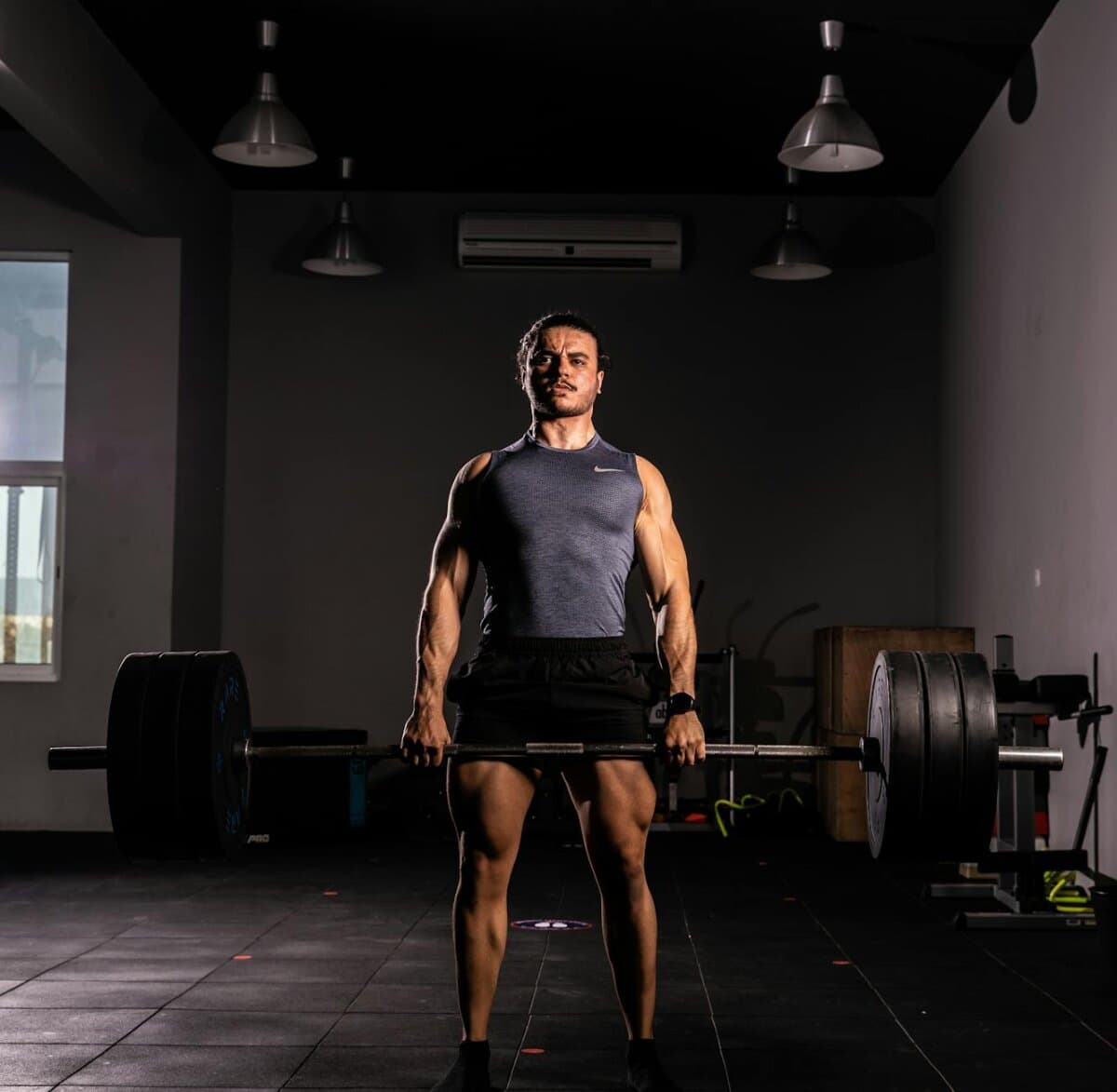
Triphasic Training: Build Strength Through All Phases
You’ve been there. Grinding reps. Adding weight when you can. And somehow… progress slows to a crawl. The numbers stall. Bar speed drops. Things just feel harder than they should.
That’s where triphasic training sneaks in and flips the script. Instead of obsessing over how much weight you lift, it asks a better question: how well do you control the weight through every phase of the lift?
This method has been a staple in high-level strength and conditioning for years, especially with athletes who need more than just big numbers. They need power. Control. Durability. And if you’re an intermediate lifter chasing real performance not just pump it might be exactly what your training’s been missing.
What Is Triphasic Training?
Triphasic training is a phase-based strength method that intentionally overloads each muscle action involved in a lift: the eccentric, the isometric, and the concentric.
Most traditional programs treat reps like checkboxes. Lower the weight, lift it back up, repeat. Tempo is whatever happens naturally. And sure, that works until it doesn’t.
Triphasic training slows things down. Literally. It forces you to own every inch of the movement by manipulating tempo, pauses, and intent. The goal isn’t fatigue for its own sake. It’s teaching your nervous system how to produce and absorb force more efficiently.
This approach gained traction in North American strength circles through collegiate athletics and elite performance settings. Why? Because athletes don’t fail lifts randomly. They fail at specific phases. The bottom of a squat. Off the floor in a deadlift. Mid-press on a bench.
Triphasic training identifies those weak links and attacks them head-on. Smart. Targeted. And brutally effective when done right.
The Three Muscle Actions Explained
Every strength movement whether you realize it or not has three distinct muscle actions. Miss one, and you leave strength on the table. Let’s break them down.
Eccentric Phase: Controlling the Load
The eccentric is the lowering portion of a lift. Think sitting down into a squat or lowering the bar to your chest on a bench press.
This phase is where your muscles absorb force. And interestingly, it’s where you’re actually strongest. You can handle more load eccentrically than concentrically, which is why slow eccentrics build serious strength and tissue resilience.
In triphasic training, eccentrics are often exaggerated five, six, even eight seconds down. It burns. Your legs shake. And yes, it’s supposed to.
That controlled descent improves motor control, reinforces proper positions, and builds the kind of strength that protects joints under heavy load. Trust me on this your knees and hips will thank you later.
Isometric Phase: Owning the Position
The isometric phase is the pause. No movement. Just tension.
Pausing at the bottom of a squat or holding a bench press just above the chest removes momentum completely. You’re forced to rely purely on muscular strength and stability.
This is where a lot of lifters realize how unstable they actually are. Hips shift. Core collapses. Bar path wobbles. All things momentum usually hides.
Isometric work teaches you to stay tight under pressure. It improves joint stability, positional awareness, and confidence in tough spots. And when you return to normal reps? Everything feels snappier.
Concentric Phase: Expressing Power
The concentric phase is the lifting portion. Standing up. Pressing away. Pulling from the floor.
Triphasic training treats this phase as an opportunity to express force fast. Once you’ve built control eccentrically and stability isometrically, the concentric becomes explosive.
Intent matters here. Even if the bar moves slowly, you’re trying to move it fast. That intent improves rate of force development huge for athletes and anyone who wants their strength to actually translate outside the gym.
This is where heavy lifts start to feel athletic again. Powerful. Aggressive. Fun.
How Triphasic Training Is Structured
Triphasic training usually runs in blocks, each emphasizing one muscle action while maintaining the others. Think of it as layering strength qualities instead of chasing everything at once.
Eccentric Emphasis Block
This phase typically lasts 2 3 weeks. The focus? Slow negatives.
You’ll see tempos like 5 0 X (five seconds down, no pause, explosive up). Loads are moderate to heavy, but ego lifting dies quickly when you’re lowering a barbell for that long.
Volume stays reasonable because eccentric work is demanding. Recovery matters here sleep, food, mobility. Skip those and you’ll feel it.
Isometric Emphasis Block
Next comes the pause phase. Another 2 3 weeks.
Here, you’ll pause in the most mechanically challenging position of the lift. Bottom of the squat. Just off the chest on presses. Right before the bar leaves the floor.
Tempos might look like 3 3 X. The weight often drops slightly, but the difficulty? Still very real.
Concentric and Reactive Block
This is where things get spicy.
After weeks of control and tension, you shift toward explosive intent. Lighter loads. Faster reps. Often paired with plyometrics or contrast work.
For example: a heavy squat followed by box jumps. Or a deadlift paired with broad jumps. The nervous system learns to apply all that strength fast.
This block brings everything together. Strength with speed. Control with aggression.
Best Exercises for Triphasic Training
Not every movement fits triphasic methods well. Compound lifts shine here because they involve multiple joints and demand coordination.
Barbell Lifts: Squat, Bench Press, and Deadlift
The backbone of triphasic training is heavy barbell work.
- Barbell Full Squat: Perfect for slow eccentrics and paused work that builds lower-body control.
- Barbell Bench Press: Pauses expose weak pressing positions and improve shoulder stability.
- Barbell Deadlift: Great for developing concentric strength off the floor and reinforcing tension.
These lifts respond incredibly well to tempo manipulation. And when you return to normal reps? PRs often follow.
Unilateral and Explosive Movements
Single-leg work adds another layer of challenge.
- Bulgarian Split Squat: Brutal in the best way. Exposes imbalances fast.
Explosive movements like box jumps (written intentionally without a link) are often paired during concentric phases to reinforce power output.
The key is intent. Control where needed. Explode when it counts.
Benefits of Triphasic Training for Strength and Performance
When applied correctly, triphasic training delivers benefits that go well beyond just adding weight to the bar.
- Improved strength: Better control through all phases leads to more usable strength.
- Explosiveness: Faster force production carries over to sport and dynamic movement.
- Injury resilience: Stronger eccentrics and isometrics protect joints and connective tissue.
- Technique consistency: Slower tempos expose flaws and clean them up.
You also gain awareness. You feel where you’re strong and where you’re not. That feedback is gold.
Common Mistakes and Who Should Use Triphasic Training
Triphasic training isn’t magic. And it’s easy to mess up.
The biggest mistake? Going too heavy. Slow tempos with maximal loads destroy technique and recovery. Another issue is sloppy timing cutting pauses short or rushing eccentrics because they’re uncomfortable.
Recovery is another blind spot. These phases stress the nervous system and tissues differently. If sleep and nutrition aren’t dialed in, fatigue piles up fast.
So who should use it?
Great fit: Intermediate to advanced lifters, athletes, CrossFitters, powerlifters chasing plateaus.
Not ideal (yet): Beginners who still need basic movement proficiency and linear strength gains.
Build the base first. Then layer complexity.
Final Thoughts on Triphasic Training
Triphasic training isn’t about doing fancy tempos just to suffer. It’s about understanding how strength is built and respecting every phase of movement.
When you control the eccentric, own the isometric, and attack the concentric, strength stops being fragile. It becomes athletic. Transferable. Durable.
Don’t rush it. Start with one lift. One phase. Learn what your body’s telling you.
Because real strength isn’t just lifting the weight. It’s mastering the entire rep.
Frequently Asked Questions
Related Articles
How to Optimize Lifting Technique With Biomechanics
Biomechanics offers a smarter way to improve lifting technique by understanding how your body moves under load. By applying principles like leverage, balance, and joint alignment, lifters can build strength more efficiently while reducing injury risk. This guide shows how to use biomechanics to refine form in major compound lifts.
Repetition Effort Method Explained for Hypertrophy and Strength
The repetition effort method is a proven training approach that uses moderate weights and high reps taken close to failure to stimulate muscle growth. Popular in both bodybuilding and strength training systems, it builds size, work capacity, and long-term strength. Learn how to program it effectively for hypertrophy-focused results.
Velocity Based Training: Auto-Regulate Like a Pro
Velocity based training is a data-driven approach that uses bar speed to auto-regulate load, volume, and intensity. Instead of guessing based on percentages, VBT helps lifters train according to real-time performance. Learn how to apply velocity metrics to build strength, manage fatigue, and progress smarter.
Neural Drive Enhancement for Explosive Strength Training
Explosive strength is driven as much by the nervous system as by muscle size. This article explains how neural drive influences power output and how targeted training methods can improve explosive performance. Learn how to program heavy lifts, speed work, and recovery for long-term strength gains.