Can You Build Muscle After 30? What Changes and What Doesn’t

Can You Build Muscle After 30? What Changes and What Doesn’t
You hit your 30s and suddenly everything feels… different. Recovery takes longer. Random aches show up. And somewhere along the way, you probably heard the myth: “Building muscle is for younger people.” Sounds familiar?
Here’s the truth. You absolutely can build muscle after 30. Plenty of people do it in their 40s, 50s, and beyond. But and this matters the way you train, eat, and recover has to evolve. What worked when you were 22 and sleeping five hours a night? Yeah, not so much anymore.
This isn’t bad news. It’s just different rules. Smarter rules. And once you understand them, lifting in your 30s can actually be more rewarding than your 20s. More focused. More intentional. Less ego, more results.
Can You Really Build Muscle After 30?
Short answer? Yes. Long answer? Yes but it’s less forgiving.
Muscle growth doesn’t have an expiration date. Your body doesn’t suddenly lose the ability to build lean tissue the moment you blow out 30 candles. What does change is how sensitive your body is to mistakes. Miss sleep? You feel it. Eat poorly for a week? Your workouts suffer. Skip warm-ups? Hello, cranky shoulder.
The biggest shift isn’t biology it’s consistency. After 30, long-term habits beat short-term intensity every time. No more “all gas, no brakes” cycles followed by burnout.
Muscle Growth vs. Muscle Maintenance
In your 30s, you’re often playing two games at once: building muscle and fighting age-related muscle loss. That loss called sarcopenia can start earlier than most people realize. But here’s the good part: resistance training doesn’t just slow it down. It can reverse it.
That means your workouts aren’t just about looking better. They’re about staying strong, capable, and resilient as the years stack up.
Why Many People Actually See Better Results After 30
This might surprise you. Many lifters make their best progress after 30. Why? Better discipline. Better patience. Better understanding of their bodies.
You’re not chasing random programs anymore. You show up with a plan. And that trust me on this counts for a lot.
What Changes in Your Body After 30
Okay, let’s talk physiology. Nothing scary. Just the stuff that actually matters.
After 30, changes happen slowly. Year by year, not overnight. But they do add up, especially if training, nutrition, and recovery aren’t dialed in.
Hormones, Recovery, and Muscle Protein Synthesis
Testosterone and growth hormone gradually decline with age more noticeably for men, but women feel it too. These hormones play a role in muscle protein synthesis, recovery, and training adaptation.
The result? You can still build muscle, but it takes a stronger stimulus and better recovery support. Sloppy training won’t cut it anymore.
Understanding Sarcopenia and Why It’s Not Inevitable
Sarcopenia is the age-related loss of muscle mass and strength. It can begin as early as your 30s if you’re sedentary. That’s the key word: sedentary.
Lift weights consistently and sarcopenia loses its grip. Your body adapts to demand. Always has. Always will.
How Training Needs to Change After 30
You don’t need lighter weights. You need smarter structure.
Progressive overload still matters. You still need to challenge your muscles. But you apply it more strategically, with recovery in mind.
Intensity vs. Volume: Finding the Right Balance
In your 20s, you could survive high volume and high intensity. After 30? Pick your battles.
Many lifters thrive on moderate volume, solid intensity, and fewer junk sets. Train hard. Not endlessly.
Best Exercises for Building Muscle After 30
Compound lifts still rule. They give you the biggest return for your effort and support long-term strength.
- Barbell Full Squat Total lower-body strength and hormonal response
- Barbell Deadlift Full-body power and bone density support
- Barbell Bench Press Pressing strength that carries over for decades
- Pull-Up Upper-back strength and posture insurance
These movements aren’t just about muscle. They’re about staying capable.
Nutrition, Sleep, and Recovery: The Real Game Changers
This is where most people over 30 either win or completely stall out.
You can’t out-train poor recovery anymore. Period.
Protein Needs and Calorie Balance for Adults Over 30
Protein becomes non-negotiable. Aim for roughly 0.7 1 gram per pound of lean body weight, spread across the day.
And calories matter. Chronic under-eating kills progress fast. If muscle growth is your goal, your body needs fuel.
Sleep, Stress, and Why Recovery Is Slower
Sleep isn’t optional recovery. It’s where muscle repair actually happens.
Stress work, family, life also competes with recovery. Manage it or it manages your progress. Simple as that.
Effective Training Splits for Lifters Over 30
The best routine is the one you can recover from and stick to.
Upper/Lower and Full-Body Routines Explained
Upper/lower splits and full-body programs balance frequency and recovery beautifully. They stimulate muscles often without burying you in fatigue.
Why Modified Push/Pull/Legs Can Still Work
Push/pull/legs isn’t off-limits it just needs fewer sets and more rest days. Modify the volume and it works just fine.
Injury Prevention and Longevity in the Gym
Here’s the deal. Injuries aren’t inevitable but ignoring warm-ups and technique makes them way more likely.
Smarter Warm-Ups and Mobility for Aging Lifters
Five to ten minutes of focused warm-up work can save you months of setbacks. Mobilize what’s tight. Activate what’s sleepy. Then lift.
Building Muscle After 30: The Long Game
Building muscle after 30 isn’t about chasing your younger self. It’s about playing the long game.
Train hard, but intelligently. Eat enough protein. Sleep like it matters because it does. Stay consistent.
Do that, and strength training becomes one of the best investments you’ll ever make in your health. Not just for today. For decades.
Frequently Asked Questions
Related Articles
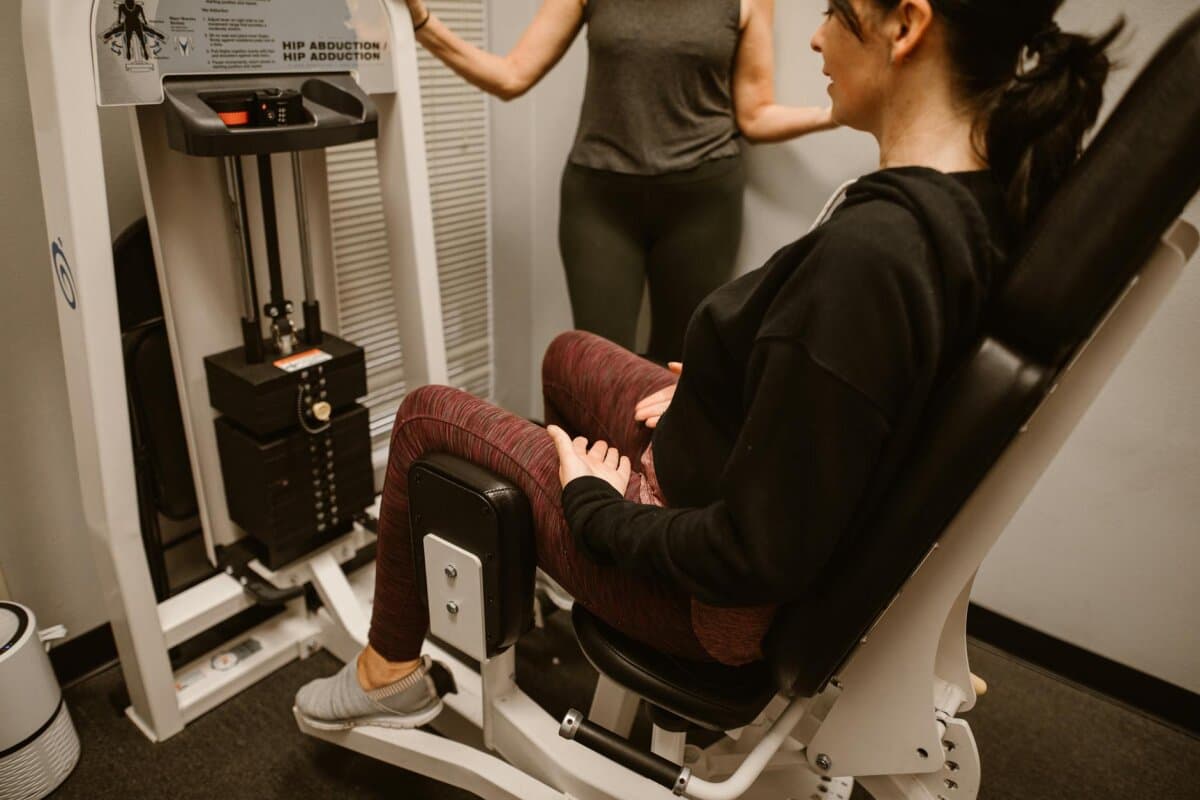
How to Optimize Lifting Technique With Biomechanics
Biomechanics offers a smarter way to improve lifting technique by understanding how your body moves under load. By applying principles like leverage, balance, and joint alignment, lifters can build strength more efficiently while reducing injury risk. This guide shows how to use biomechanics to refine form in major compound lifts.
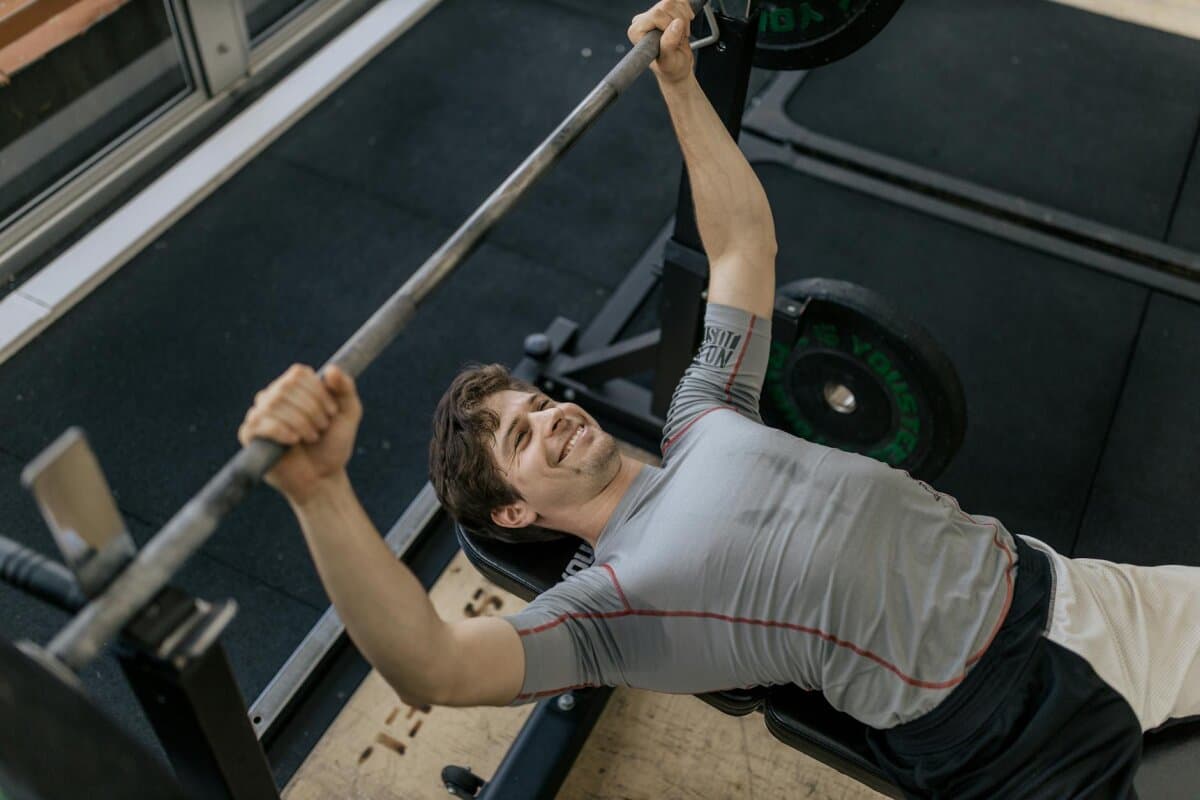
Repetition Effort Method Explained for Hypertrophy and Strength
The repetition effort method is a proven training approach that uses moderate weights and high reps taken close to failure to stimulate muscle growth. Popular in both bodybuilding and strength training systems, it builds size, work capacity, and long-term strength. Learn how to program it effectively for hypertrophy-focused results.
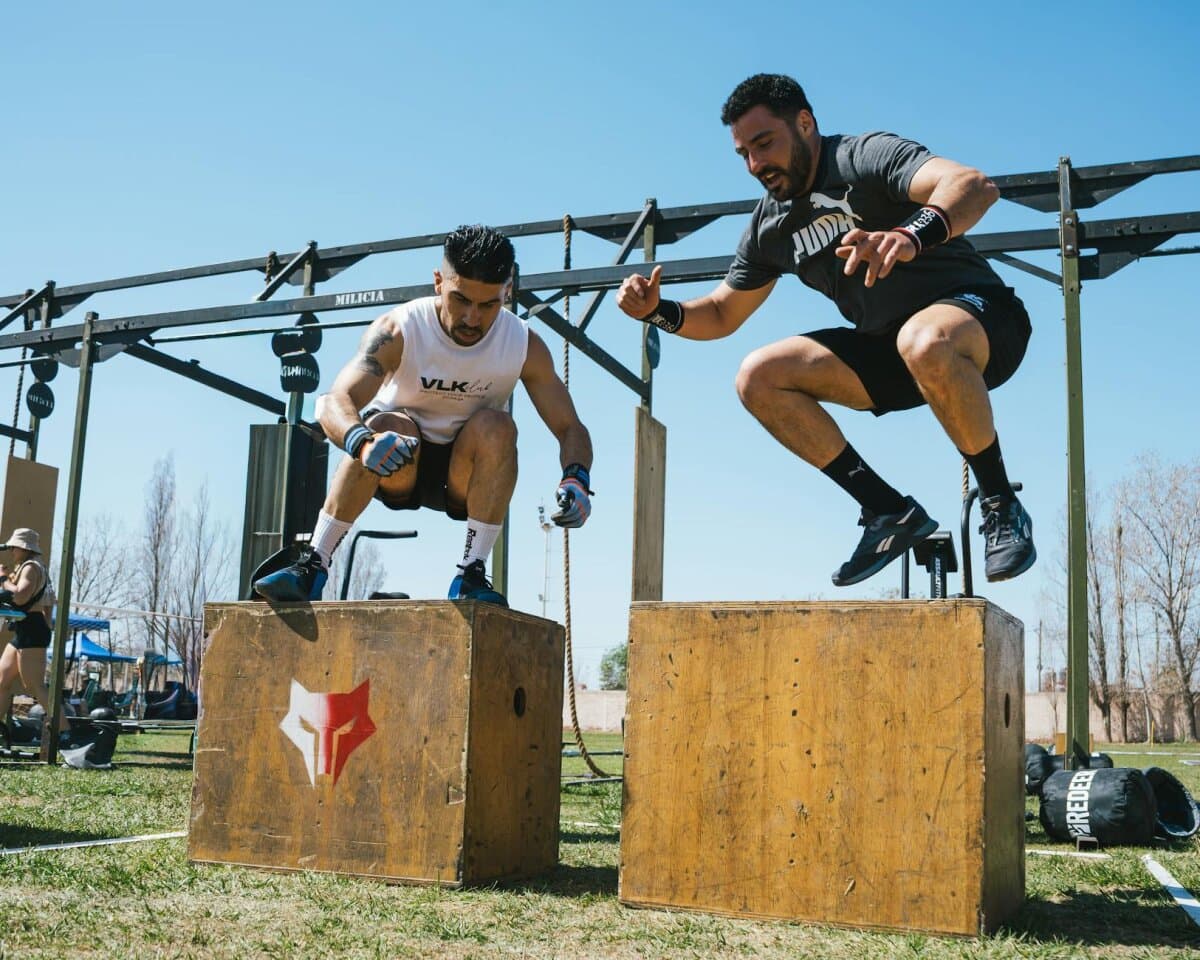
Velocity Based Training: Auto-Regulate Like a Pro
Velocity based training is a data-driven approach that uses bar speed to auto-regulate load, volume, and intensity. Instead of guessing based on percentages, VBT helps lifters train according to real-time performance. Learn how to apply velocity metrics to build strength, manage fatigue, and progress smarter.
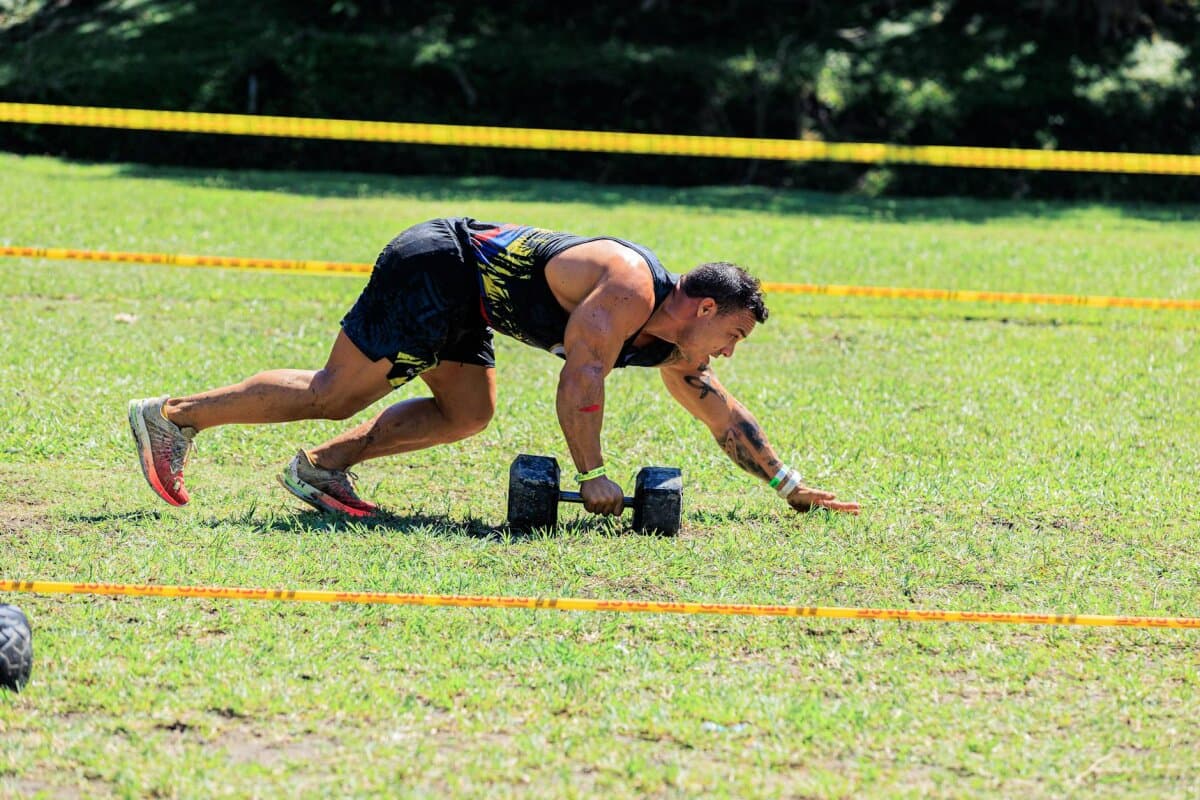
Neural Drive Enhancement for Explosive Strength Training
Explosive strength is driven as much by the nervous system as by muscle size. This article explains how neural drive influences power output and how targeted training methods can improve explosive performance. Learn how to program heavy lifts, speed work, and recovery for long-term strength gains.