Fitness Myths Beginners Still Believe in 2026 (Debunked)

Fitness Myths Beginners Still Believe in 2026 (Debunked)
Scroll TikTok for five minutes and you’ll see it. One creator swears you need two-a-day workouts. Another says cardio is useless. Someone else is selling a supplement stack that “changed everything.” And honestly? It’s exhausting.
In 2026, fitness misinformation spreads faster than ever. Short-form videos, recycled gym lore, even AI-generated advice that sounds smart but misses the basics. Beginners are especially vulnerable. When you’re new, you don’t have context yet. You just want results. Fast.
So let’s slow this down. No hype. No extremes. Just clear, science-backed answers explained like a real coach would. Because the truth is, getting fit isn’t complicated but believing the wrong myths can make it feel that way.
Myth #1: You Need to Work Out Every Day to See Results
This one refuses to die. Somewhere along the line, “more” became “better,” and beginners started thinking that if they’re not training every single day, they’re slacking.
But your body doesn’t work like that. Especially when you’re new.
Why Rest Days Help You Grow Stronger
Here’s the part social media skips. Muscles don’t grow during workouts. They grow after, when you rest.
Training stresses your muscles, nervous system, and connective tissue. Rest days are when your body repairs that damage and comes back stronger. Skip recovery too often and you’re not “dedicated.” You’re just under-recovering.
And no, soreness isn’t proof you need to push harder. Sometimes it’s a sign you need to back off. Trust me on this.
How Beginner Full-Body Training Supports Recovery
For most beginners, training 3 4 times per week works beautifully. Full-body sessions spread the workload, give muscles time to recover, and fit real life better.
You can lift, rest, come back fresh, and actually enjoy the process. Funny how that helps consistency.
Myth #2: Lifting Weights Will Make Beginners Bulky
This myth still scares people away from the weight room especially women. Somewhere along the way, “strength training” became associated with instantly getting huge.
Reality check? Muscle growth is slow. Painfully slow sometimes.
How Muscle Actually Builds Over Time
Building noticeable muscle takes months of progressive training, adequate calories, enough protein, and good sleep. Even then, it’s gradual.
You don’t wake up bulky by accident. It doesn’t happen from lifting weights a few times a week. Genetics, hormones, and long-term training all play a role.
What does happen? Better posture. More definition. Clothes fitting better. Feeling strong.
Beginner-Friendly Strength Exercises That Build Confidence
You don’t need fancy moves. Start simple.
- Push-Up variations to build upper-body strength
- Barbell Bench Press with light, controlled weight
- Bulgarian Split Squat for leg strength and balance
These teach coordination, control, and confidence. No bulk required.
Myth #3: Cardio Is the Best Way to Lose Fat
Cardio has great PR. Sweat equals fat loss, right?
Not exactly.
Fat loss comes down to calorie balance over time. Cardio can help but it’s not the whole picture.
Why Strength Training Changes Your Metabolism
Strength training builds muscle. Muscle is metabolically active tissue, meaning it helps you burn more calories at rest.
That doesn’t mean lifting turns you into a calorie-burning machine overnight. But combined with daily movement, it makes fat loss more sustainable.
Endless cardio without strength training often leads to burnout, muscle loss, and plateaus. Been there? Yeah.
How to Balance Cardio and Weights as a Beginner
You don’t need extremes. A smart mix works best.
- Strength train 2 4 times per week
- Add moderate cardio like Running or Treadmill Running
- Walk more. Seriously. It counts.
Simple. Effective. Sustainable.
Myth #4: Soreness Means You Had a Good Workout
DOMS Delayed Onset Muscle Soreness has become a weird badge of honor.
“If I’m not sore, it didn’t work.” That mindset causes more problems than progress.
What DOMS Really Means for Beginners
Soreness usually comes from new movements, higher volume, or unfamiliar stress. It doesn’t measure muscle growth or fat loss.
You can make great progress with minimal soreness. And you can be incredibly sore from a workout that doesn’t move the needle at all.
Chasing soreness often leads to poor recovery and inconsistent training.
Better Ways to Measure Workout Progress
Want real indicators?
- More reps with the same weight
- Better technique and control
- Improved endurance
- Consistency week after week
Progress feels boring sometimes. That’s normal.
Myth #5: You Need a Perfect Diet and Supplements to See Results
This one makes beginners feel like they’re failing before they start. Perfect macros. Zero sugar. Six supplements a day.
Deep breath.
Why Sustainable Nutrition Beats Extreme Meal Plans
The best diet is the one you can stick to. Not for 10 days. For months.
Whole foods. Enough protein. Fruits, veggies, carbs you enjoy. Flexibility for social life. That’s what actually works.
Perfection leads to burnout. Consistency leads to results.
What Supplements Are (and Aren’t) Worth It for Beginners
Most supplements are optional. Period.
If anything, focus on basics: food, sleep, hydration. A simple protein powder can help. Creatine? Useful, but not mandatory.
You don’t need a cabinet full of tubs to make progress.
Myth #6: Beginners Should Avoid Heavy Weights
“Stick to light weights until you’re advanced.” Sounds safe. Often isn’t.
Staying too light can actually prevent proper form and progress.
How Progressive Overload Works for Beginners
Progressive overload just means gradually increasing stress over time. A little more weight. More reps. Better control.
Beginners respond incredibly well to this. You don’t need max lifts. You need challenging-but-manageable resistance.
Heavy is relative. What’s heavy for you matters.
Examples of Safe, Effective Beginner Strength Exercises
- Barbell Deadlift with proper coaching
- Barbell Full Squat using comfortable depth
- Jack Plank for core strength without spinal stress
Learn the movement. Add load gradually. Confidence follows.
Final Thoughts: Smarter Training Starts With Better Information
Fitness success isn’t about hacks or trends. It’s about understanding fundamentals and applying them consistently.
When you drop the myths, training becomes simpler. Safer. More enjoyable. And yes more effective.
You don’t need perfection. You don’t need extremes. You just need good information and a plan you can stick to.
And now? You’ve got that.
Frequently Asked Questions
Related Articles
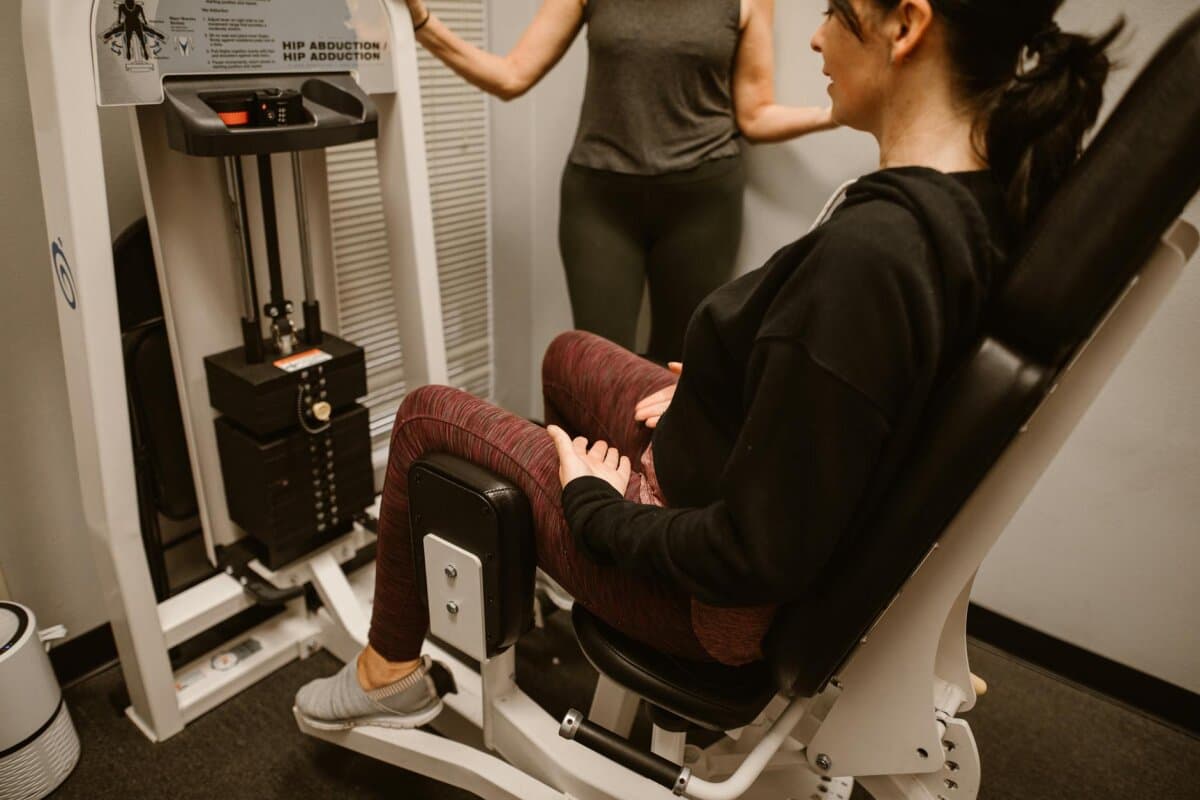
How to Optimize Lifting Technique With Biomechanics
Biomechanics offers a smarter way to improve lifting technique by understanding how your body moves under load. By applying principles like leverage, balance, and joint alignment, lifters can build strength more efficiently while reducing injury risk. This guide shows how to use biomechanics to refine form in major compound lifts.
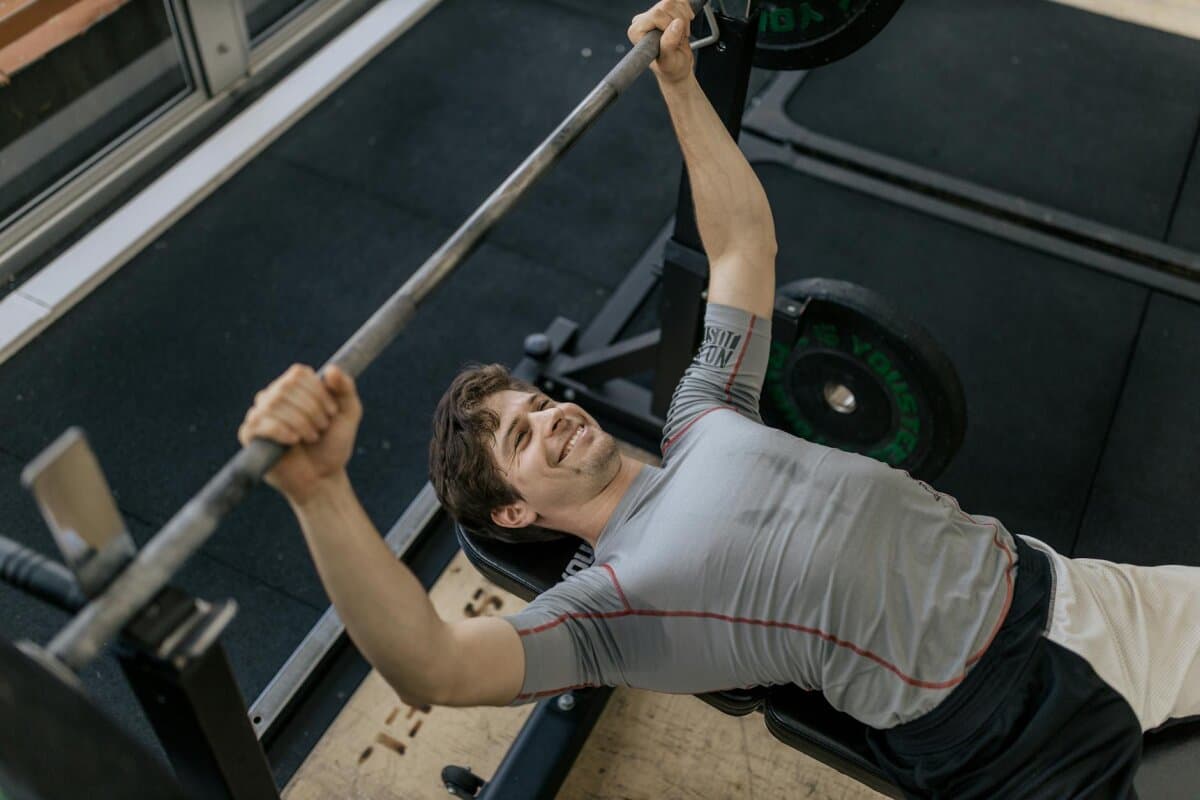
Repetition Effort Method Explained for Hypertrophy and Strength
The repetition effort method is a proven training approach that uses moderate weights and high reps taken close to failure to stimulate muscle growth. Popular in both bodybuilding and strength training systems, it builds size, work capacity, and long-term strength. Learn how to program it effectively for hypertrophy-focused results.
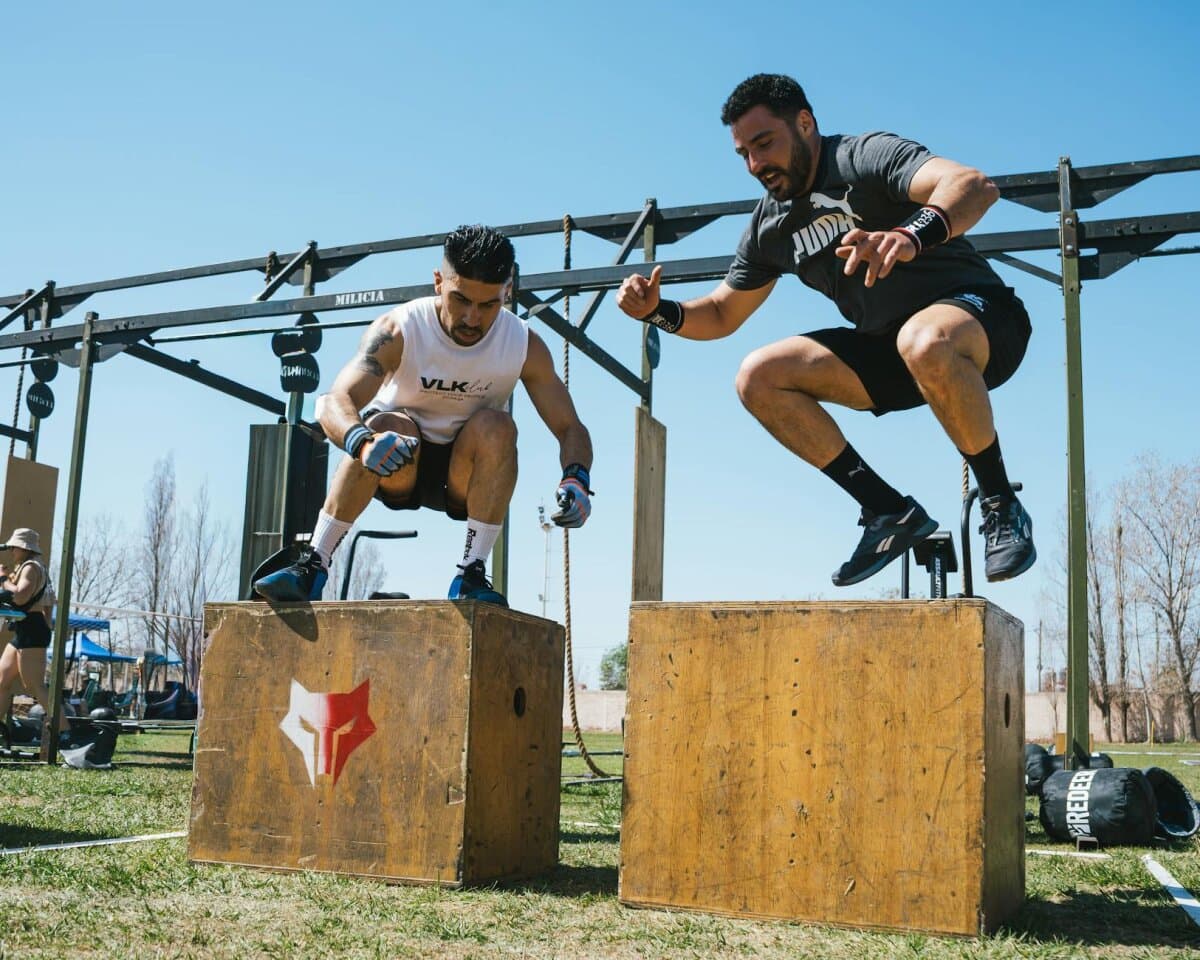
Velocity Based Training: Auto-Regulate Like a Pro
Velocity based training is a data-driven approach that uses bar speed to auto-regulate load, volume, and intensity. Instead of guessing based on percentages, VBT helps lifters train according to real-time performance. Learn how to apply velocity metrics to build strength, manage fatigue, and progress smarter.
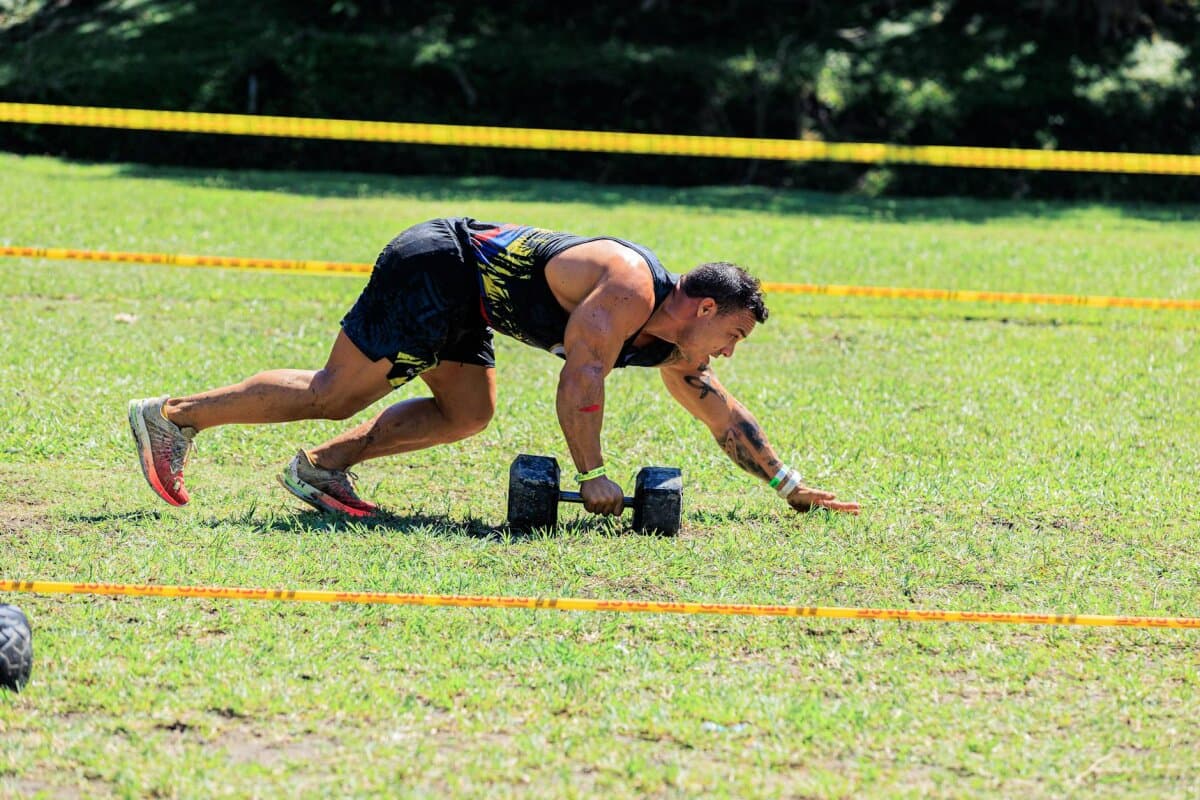
Neural Drive Enhancement for Explosive Strength Training
Explosive strength is driven as much by the nervous system as by muscle size. This article explains how neural drive influences power output and how targeted training methods can improve explosive performance. Learn how to program heavy lifts, speed work, and recovery for long-term strength gains.