How to Start Working Out When You Have Zero Experience

How to Start Working Out When You Have Zero Experience
Let’s be honest for a second. Starting to work out from absolute zero can feel… a lot. Gyms look intimidating. Social media makes it seem like everyone else already knows what they’re doing. And maybe you’re thinking, “I should’ve started years ago.”
Good news. None of that matters.
You don’t need a gym membership, fancy clothes, or an athletic background to begin. You don’t even need motivation right now. What you need is a simple, realistic way to start without hurting yourself or burning out in two weeks. That’s exactly what this guide is about. Step by step. No fluff. No yelling. Just real-world advice for real beginners.
What “Working Out” Actually Means for Beginners
One of the biggest beginner mistakes? Thinking that “working out” means lifting heavy weights, running until you’re gasping for air, or following some extreme program you saw online.
That’s not it. Not even close.
At its core, working out just means intentionally moving your body to make it a little stronger, healthier, and more capable than it was yesterday. Especially at the beginning.
Strength Training, Cardio, and Mobility Explained Simply
For beginners, workouts usually fall into a few basic buckets:
- Strength training: Using your bodyweight, dumbbells, machines, or bands to build muscle and joint strength. Think squats, push-ups, rows.
- Cardio: Anything that gets your heart rate up. Walking, cycling, swimming, light jogging. Yes, walking counts. Big time.
- Mobility and flexibility: Movements and stretches that keep your joints healthy and help you move better.
- General movement: Taking the stairs, playing with your kids, doing yard work. It all adds up, especially early on.
You don’t need to “master” all of these. You just need to start including them.
Why Beginners Don’t Need Extreme or Complicated Workouts
Your body adapts fast when you’re new. That’s a good thing. Simple workouts done consistently will produce results way faster than complicated routines you can’t stick to.
Trust me on this. Doing a few basic movements well beats copying advanced programs every single time.
How to Set Realistic Goals When You’re Just Starting
Most beginners quit not because workouts don’t work but because their goals are wildly unrealistic.
“Lose 30 pounds in a month.”
“Get ripped by summer.”
“Never miss a workout.”
That’s a fast track to frustration.
Good Beginner Goals vs. Unrealistic Expectations
Strong beginner goals focus on behavior, not appearance.
Good beginner goals sound like:
- Working out 2 3 times per week for a month
- Having more energy during the day
- Learning how to do basic exercises with confidence
- Feeling less stiff when you wake up
Unrealistic goals? They usually focus on how you look, and they expect fast results. Your body needs time. And consistency always beats intensity here.
How Often Should a Beginner Work Out?
For most beginners, 2 3 workouts per week is perfect.
That’s enough to make progress without overwhelming your body or your schedule. On off days, light movement like walking or stretching is more than enough.
How to Start Working Out Step by Step
Let’s make this practical. No theory. Just decisions you can actually make today.
Choosing Where to Work Out: Gym vs. Home
Home workouts are great if you’re intimidated, short on time, or just want privacy. You can build strength with bodyweight alone in the beginning.
Gym workouts give you more equipment and structure, but yes, they can feel awkward at first. Here’s the secret: no one is watching you. Everyone’s focused on their own workout. Really.
Choose the environment that makes it easiest for you to show up. That’s the right choice.
Beginner-Friendly Exercises to Start With
You don’t need dozens of exercises. A few basics will take you far:
- Squat variations (using just your bodyweight)
- Push-Up variations (wall, incline, or knees)
- Rowing movements (bands or machines)
- Core exercises like planks or dead bugs
- Low-impact cardio like walking
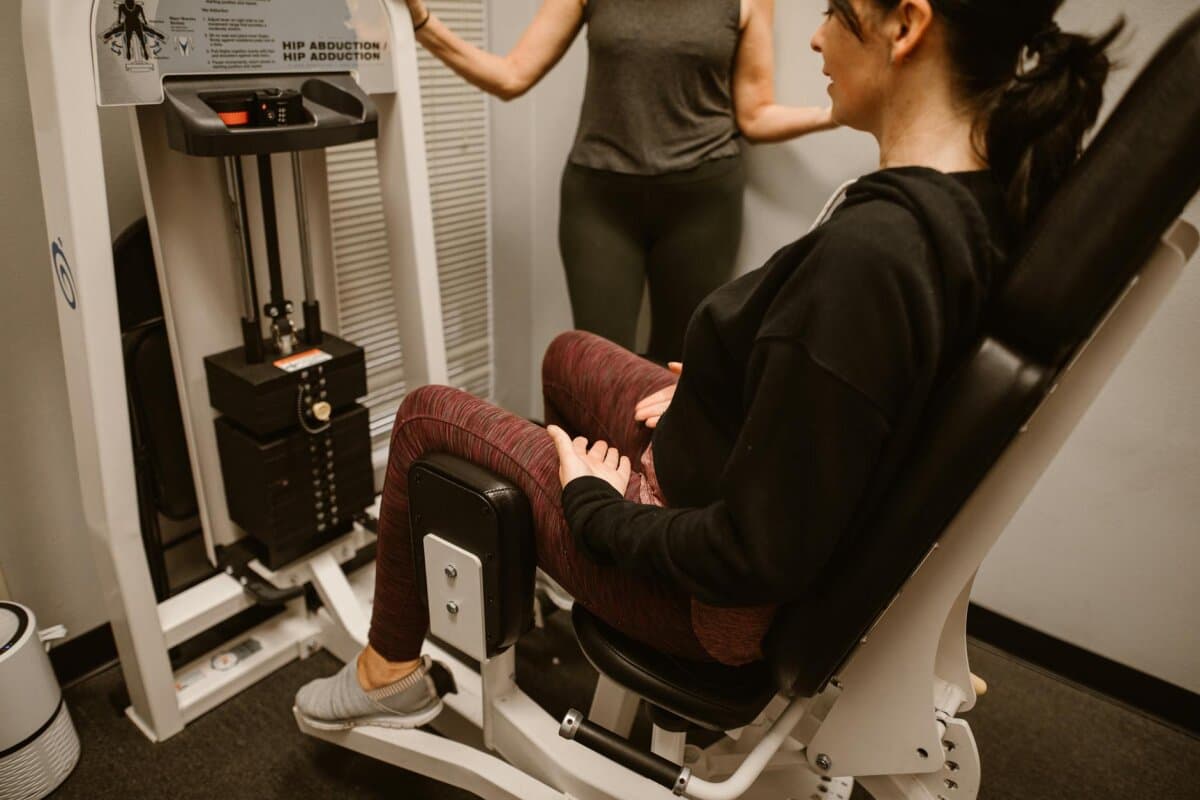
If you’re in a gym, machines can actually be helpful early on. They guide your movement and reduce injury risk while you’re learning.
Simple Equipment You Might Need (or Not)
Honestly? You can start with nothing.
Later on, useful beginner tools include:
- Comfortable shoes
- Resistance bands
- Light dumbbells
No need to buy everything at once. Add things only when you actually need them.
Basic Fitness Concepts Every Beginner Should Know
This part scares people, but it shouldn’t. These concepts are way simpler than they sound.
Reps, Sets, and Rest Made Simple
Reps are how many times you do a movement in a row. Ten squats? That’s ten reps.
Sets are groups of reps. Three sets of ten squats means you do ten squats, rest, then repeat two more times.
Rest is the break between sets. Beginners usually need 60 90 seconds. More if you’re breathing hard. That’s fine.
There’s no prize for rushing.
Warm-Ups, Cool-Downs, and Injury Prevention
A warm-up prepares your body to move. Five minutes of light cardio and gentle movement is enough.
A cool-down helps your body relax afterward. Slow walking and light stretching work great.
And here’s a big one: discomfort is normal, pain is not. If something hurts sharply or feels wrong, stop. Adjust. Learn.
Common Beginner Fears and How to Overcome Them
If you’re nervous, you’re normal.
Feeling Intimidated at the Gym
Everyone was a beginner once. Even the strongest person in the room.
If it helps, start with machines or quieter hours. Wear headphones. Follow a simple plan. Confidence comes from repetition, not perfection.
Soreness, Motivation, and Self-Doubt
Soreness usually shows up 24 48 hours after new workouts. It feels stiff and achy, not sharp. That’s your body adapting.
Motivation will come and go. Don’t rely on it. Build a routine instead. Show up even when you don’t feel like it especially then.
How to Build a Sustainable Workout Habit
This is where success actually happens.
Simple Beginner Workout Routines That Work
Short workouts done consistently beat long workouts done occasionally.
A simple full-body routine, 2 3 times per week, is more than enough at the start. Track basic things: workouts completed, exercises learned, how you feel.
Not every session will feel amazing. That’s normal. Progress isn’t linear.
Final Thoughts: Starting Is the Hardest Part
Everyone you admire in fitness started exactly where you are now. Unsure. Inexperienced. Probably a little uncomfortable.
You don’t need to be confident to start. You get confident by starting.
So take the first small step. Today. A walk. A short workout. One decision in the right direction. Then repeat tomorrow.
That’s how fitness actually begins.
Frequently Asked Questions
Related Articles
How to Optimize Lifting Technique With Biomechanics
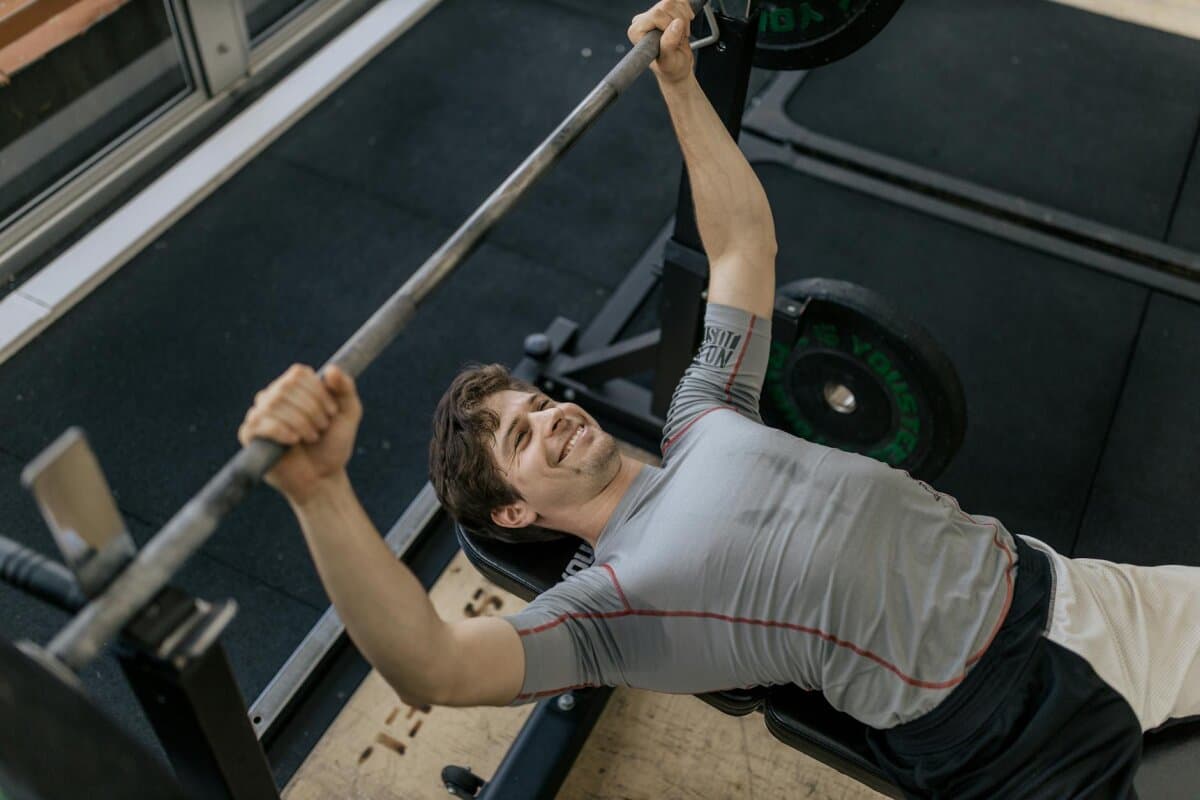
Biomechanics offers a smarter way to improve lifting technique by understanding how your body moves under load. By applying principles like leverage, balance, and joint alignment, lifters can build strength more efficiently while reducing injury risk. This guide shows how to use biomechanics to refine form in major compound lifts.
Repetition Effort Method Explained for Hypertrophy and Strength
The repetition effort method is a proven training approach that uses moderate weights and high reps taken close to failure to stimulate muscle growth. Popular in both bodybuilding and strength training systems, it builds size, work capacity, and long-term strength. Learn how to program it effectively for hypertrophy-focused results.
Velocity Based Training: Auto-Regulate Like a Pro
Velocity based training is a data-driven approach that uses bar speed to auto-regulate load, volume, and intensity. Instead of guessing based on percentages, VBT helps lifters train according to real-time performance. Learn how to apply velocity metrics to build strength, manage fatigue, and progress smarter.
Neural Drive Enhancement for Explosive Strength Training
Explosive strength is driven as much by the nervous system as by muscle size. This article explains how neural drive influences power output and how targeted training methods can improve explosive performance. Learn how to program heavy lifts, speed work, and recovery for long-term strength gains.