Sleep and Lean Bulking: How Recovery Drives Muscle Gain

Sleep and Lean Bulking: How Recovery Drives Muscle Gain
You’re hitting your macros. Training hard. Progressively overloading like you’re supposed to. And yet… results feel slower than they should. Sound familiar?
Here’s the uncomfortable truth most lifters don’t want to hear: if your sleep sucks, your bulk probably does too. Not completely. But enough to matter.
Sleep isn’t just “rest.” It’s the phase where your body actually turns hard training into new muscle tissue, balances hormones, and decides whether extra calories build muscle or slide straight into fat storage. Ignore it, and lean bulking becomes an uphill battle.
Let’s break down why sleep is the missing piece for so many lifters and how dialing it in can completely change the way your body grows.
Why Sleep Is When Muscle Growth Actually Happens
Training doesn’t build muscle. That usually surprises people the first time they hear it. Lifting weights breaks muscle down. Growth happens later. Mostly when you’re asleep.
Muscle Damage vs. Muscle Repair
Every hard set whether it’s heavy Barbell Full Squats or grinding out your last reps on the bench creates micro-damage in muscle fibers. That damage is necessary. It’s the signal.
But without enough recovery, that signal goes unanswered.
During sleep, especially after demanding sessions, your body ramps up muscle protein synthesis. Amino acids get shuttled into damaged tissue. Fibers rebuild thicker, stronger, and more resilient. Miss out on sleep, and this repair process gets cut short. Not stopped. Just… underwhelming.
That’s when progress stalls and soreness lingers longer than it should.
Deep Sleep and Tissue Regeneration
Not all sleep is equal. Deep sleep the slow-wave stages is where the real magic happens. This is when blood flow to muscles increases, inflammation drops, and growth-related hormones surge.
Ever notice how a solid night of sleep makes soreness feel manageable, while a short night leaves you stiff and beat up? That’s deep sleep doing its job. And when you’re consistently short on it, your body simply can’t keep up with the demands of training.
Trust me on this: no supplement replaces deep, uninterrupted sleep.
Sleep, Hormones, and Lean Bulking Success
If lean bulking were only about calories, everyone would succeed. But hormones decide where those calories go. And sleep controls a huge part of that equation.
Testosterone and Growth Hormone During Sleep
Testosterone and growth hormone aren’t just buzzwords. They’re major drivers of strength, recovery, and muscle gain. Both peak during sleep especially during longer, consistent nights.
Cut your sleep to five or six hours, and testosterone levels can drop fast. Not in a dramatic overnight crash, but enough to affect performance and recovery week after week.
Growth hormone is even more sleep-dependent. It’s released in pulses during deep sleep, helping repair tissue, mobilize fat, and support lean mass gains. Shorten sleep, and those pulses shrink.
So yes, you can bulk on low sleep. But it’s rarely clean.
Cortisol, Stress, and Muscle Breakdown
Now let’s talk about cortisol the stress hormone lifters love to hate.
Cortisol isn’t evil. It helps regulate energy and inflammation. But chronically high cortisol? That’s bad news for muscle.
Poor sleep drives cortisol up. Elevated cortisol increases muscle protein breakdown, interferes with recovery, and makes fat storage more likely. And during a calorie surplus, that’s exactly what you don’t want.
This is where many “hard gainers” get stuck. They eat more, train harder, sleep less… and spin their wheels.
How Poor Sleep Increases Fat Gain During a Bulk
Ever notice how some bulks turn sloppy fast? Same calories, same training but body fat climbs quicker than expected. Sleep often gets the blame. And rightly so.
Insulin Sensitivity and Nutrient Partitioning
Sleep loss reduces insulin sensitivity. That means your body becomes worse at directing carbs and calories toward muscle cells.
When insulin sensitivity drops, nutrients are more likely to be stored as fat instead of being used for repair and growth. Even if your calorie surplus is modest.
Good sleep improves nutrient partitioning basically helping your body send calories where you want them to go. Muscle first. Fat later. Or not at all.
Why Sleep-Deprived Bulks Often Get Sloppy
Lack of sleep doesn’t just affect physiology. It messes with behavior.
Appetite regulation goes out the window. Cravings spike. Food choices get impulsive. Training effort drops. Suddenly your “lean bulk” looks more like a dirty one.
And once fat gain accelerates, it’s hard to reverse without cutting back calories. Which defeats the point of bulking in the first place.
Sleep’s Impact on Strength, Performance, and Injury Risk
If you care about lifting heavier weights and you should sleep matters more than most pre-workout stacks.
Sleep and Performance in Heavy Compound Lifts
Compound lifts demand a lot from your nervous system. Think heavy Barbell Bench Press, grinding deadlifts, or hard sets of Pull-Ups.
Sleep deprivation reduces force output, reaction time, and coordination. Bar speed slows. Technique slips. Sets feel heavier than they should.
Over time, this kills progressive overload. You’re still showing up, but performance plateaus. Or worse, regresses.
Motivation, Coordination, and Training Consistency
Ever walk into the gym exhausted and mentally checked out? That’s not a motivation issue. It’s recovery.
Poor sleep increases perceived effort. A weight that should feel challenging suddenly feels crushing. That mental fatigue leads to skipped sets, shorter sessions, and inconsistent training weeks.
And fatigue raises injury risk. Sloppy reps under heavy load especially on movements like the Barbell Deadlift are where strains happen.
Strong lifters protect their sleep for a reason.
Sleep Quality Factors That Affect Muscle Recovery
It’s not just about how long you sleep. Quality matters. A lot.
Caffeine, Alcohol, and Late-Night Screen Use
Caffeine has a long half-life. That late-afternoon energy drink? It might still be messing with deep sleep hours later.
Alcohol is even trickier. It can make you feel sleepy, but it fragments sleep cycles and suppresses growth hormone release. One or two drinks occasionally won’t kill gains but regular late-night drinking adds up.
And screens? Blue light delays melatonin release. Scrolling in bed feels harmless, but it keeps your brain wired when it should be powering down.
Optimizing Your Sleep Environment
Small changes here go a long way.
- Keep your room cool and dark
- Stick to a consistent sleep and wake time
- Use your bed for sleep not doom-scrolling
A calm pre-bed routine signals your body it’s time to recover. And recovery is where gains live.
Aligning Sleep With High-Volume Training Programs
The harder and more frequently you train, the more sleep becomes non-negotiable.
Sleep Needs for Push/Pull/Legs and Upper/Lower Splits
High-frequency splits like Push/Pull/Legs or Upper/Lower work because they balance volume across the week. But that only works if recovery keeps pace.
Shorting sleep while training five or six days a week is a fast track to accumulated fatigue. Strength stalls. Joints ache. Motivation dips.
Seven to nine hours isn’t a luxury here it’s part of the program.
Recovery Considerations for Hypertrophy-Focused Programs
Hypertrophy training creates more muscle damage than low-volume strength work. More sets. More time under tension. More soreness.
That means sleep debt shows up faster. If you’re chasing size, sleep consistency is often more important than adding extra sets.
Sometimes the smartest growth strategy is going to bed earlier.
Conclusion: Sleep Is the Missing Piece of Lean Bulking
Training provides the stimulus. Nutrition supplies the building blocks. But sleep? Sleep decides the outcome.
Quality sleep improves hormone balance, training performance, nutrient partitioning, and recovery. It helps calories build muscle instead of fat. And it keeps you progressing without burning out.
If your goal is lean, sustainable muscle gain, stop treating sleep like an afterthought. Protect it like you protect your workouts.
Because the truth is simple: you don’t grow in the gym. You grow when you recover.
Frequently Asked Questions
Related Articles
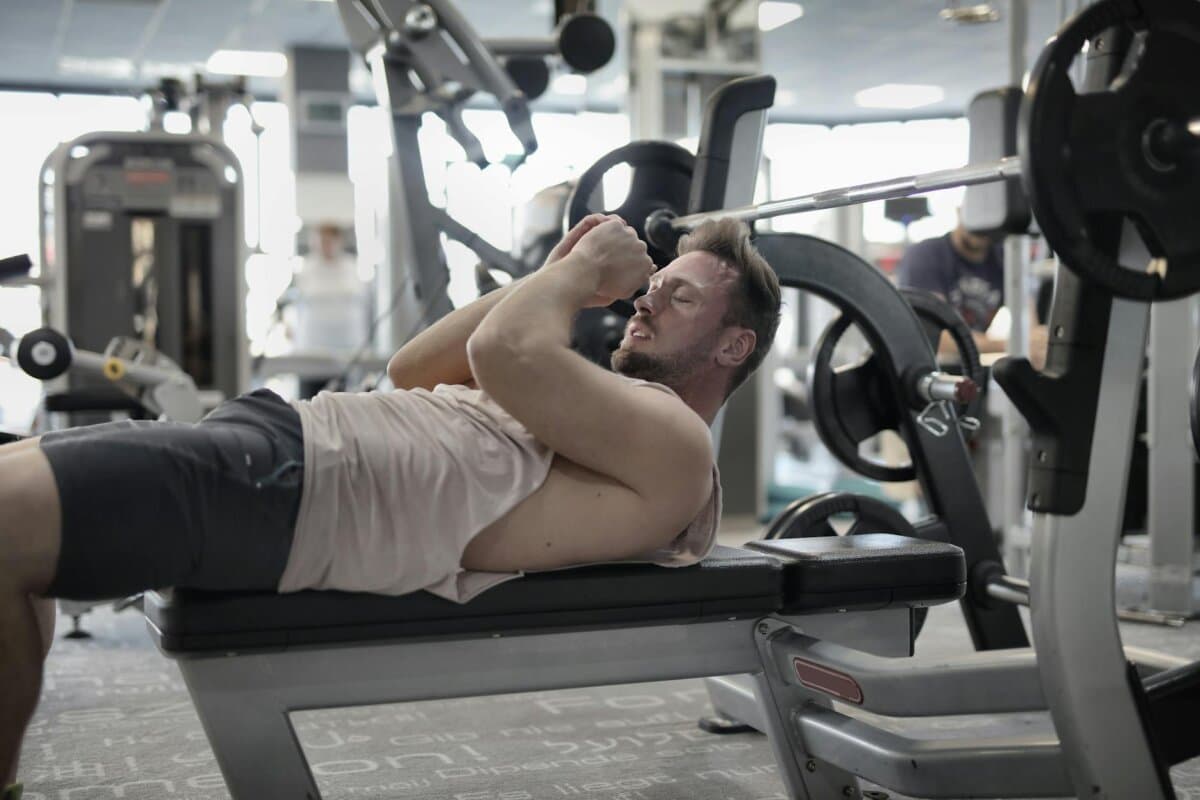
Rest-Pause Training: Build More Muscle in Less Time
Rest-pause training is a powerful hypertrophy technique designed for lifters who want more muscle growth in less time. By combining heavy loads with short rest intervals, it increases training density without marathon workouts. Learn how it works, who it’s best for, and how to use it safely for long-term gains.
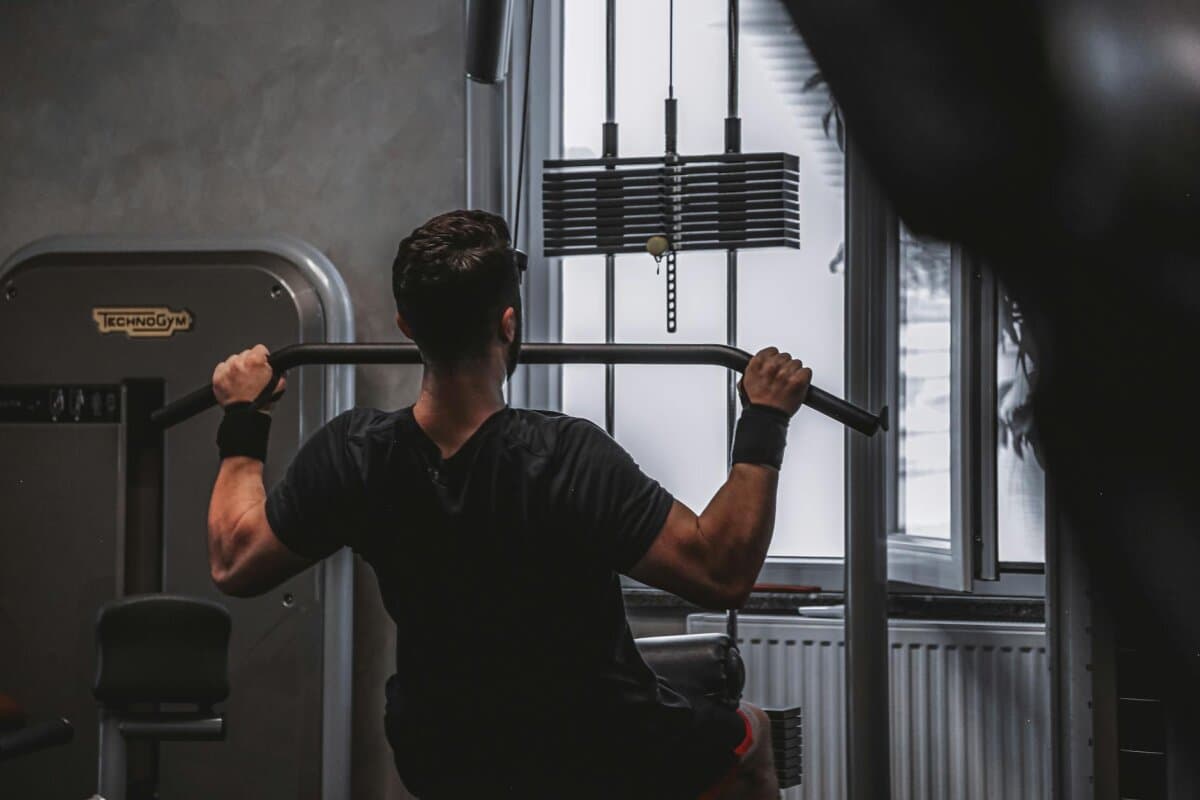
Training Frequency and Muscle Protein Synthesis Explained
Muscle protein synthesis is the foundation of muscle growth, but it doesn’t stay elevated forever. This article breaks down how training frequency influences MPS, why volume still matters most, and how often you should train each muscle for optimal hypertrophy. Learn how to apply science-backed principles to real-world gym programs.

Myofibrillar vs Sarcoplasmic Hypertrophy Explained
Myofibrillar and sarcoplasmic hypertrophy are two key muscle adaptations that influence strength and size. Understanding how each works can help you train more effectively based on your goals. This guide breaks down the science and shows you how to program your workouts for smarter, long-term results.

Mechanical Tension vs Metabolic Stress for Hypertrophy
Mechanical tension and metabolic stress are the two most debated drivers of muscle hypertrophy. This evidence-based guide breaks down how each mechanism works, which matters most, and why combining heavy loading with pump-focused training leads to smarter, long-term muscle growth.