Why You Look Softer at the Same Weight (And What It Means)
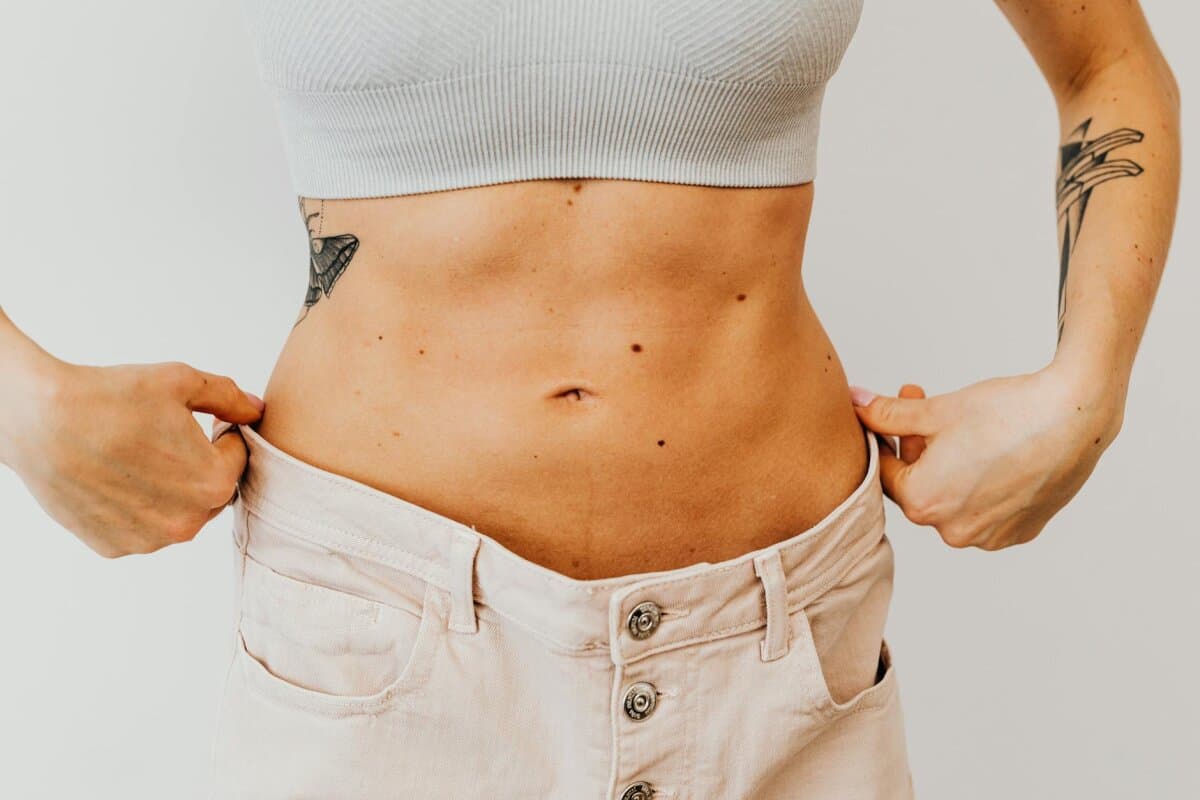
Why You Look Softer at the Same Weight (And What It Means)
You step on the scale. Same number as last month. Cool, right?
Then you catch your reflection. And… yeah. Something’s off. Less sharp. Less tight. Softer around the edges, even though your body weight hasn’t budged.
If that sounds familiar, you’re not broken. And you’re definitely not imagining things. This is one of the most common frustrations I hear from lifters who actually train not just people casually chasing weight loss.
The short version? The scale is telling you what you weigh, not what you’re made of. And those are very different stories.
Let’s unpack why you can look softer at the same weight, what’s really happening under the hood, and how to shift your focus toward progress that actually shows up in the mirror.
Same Weight, Different Body: Why the Scale Can Be Misleading
Body Composition vs Scale Weight
Body composition is simply the ratio of lean mass (muscle, bone, organs, water) to fat mass.
The scale? It doesn’t care about any of that. It just adds everything together and gives you one number.
So yes, you can weigh 180 pounds today and 180 pounds a year ago… and look like two completely different people. One version might be leaner, firmer, more athletic. The other? Same weight, higher body fat, less muscle. Softer.
This happens more often than people want to admit, especially during long maintenance phases, stressful life periods, or after backing off serious training.
Why Visual Changes Matter More Than the Number
In U.S. fitness culture, scale weight gets a lot of attention. Weekly weigh-ins. BMI charts. Weight-loss challenges at work. It’s ingrained.
But your mirror, clothes, and training performance are often better indicators of progress especially if body recomposition is your goal.
If your waist feels tighter, your shoulders look capped, and your lifts are moving up, does it really matter if the scale hasn’t changed?
On the flip side, if the scale is stable but your muscles look flatter and your midsection feels softer, that’s valuable feedback too. It’s just not feedback the scale knows how to give.
Muscle vs Fat Density: The Science Behind a Softer Look
How Muscle Density Affects Shape and Firmness
Here’s a key concept that clears up a lot of confusion: muscle is denser than fat.
Pound for pound, muscle takes up less space. Fat is bulkier. Softer. Less structured.
That means if you lose muscle and gain fat while staying at the same body weight your overall volume increases. You literally take up more space. Clothes fit differently. Definition fades.
That “tight” look people associate with being in shape? That’s muscle density showing through, not just low body fat.
Losing Muscle While the Scale Stays the Same
Muscle loss doesn’t always announce itself dramatically. It’s often subtle.
You skip heavy training for a few months. Work gets busy. Sleep suffers. Calories stay about the same. Strength dips slightly. Nothing feels alarming.
But over time, muscle tissue shrinks. Fat creeps in to replace it. The scale stays put. And suddenly you’re wondering why your arms don’t pop and your legs look… softer.
This is why maintaining muscle is such a big deal even when fat loss isn’t the primary goal.
Training Changes That Make Muscles Look Flat and Soft
Reduced Resistance Training and Muscle Atrophy
Muscle is expensive tissue. Your body only keeps it around if you give it a reason.
When training volume drops, intensity falls off, or progressive overload disappears, your body adapts. It says, “Cool, we don’t need all this muscle anymore.”
The result? Gradual atrophy. Less muscle glycogen. Less tone.
You might still be working out but if it’s all light weights, minimal effort, or endless cardio, the stimulus just isn’t there.
Why Compound Lifts Preserve a Harder Look
If you want to keep a firm, athletic appearance, compound lifts are your best friends.
Exercises like the Barbell Full Squat, Barbell Deadlift, Barbell Bench Press, and Pull-Up load a lot of muscle at once. They create tension. They demand adaptation.
Even during maintenance phases, keeping these lifts in your program pushing them with intention helps preserve muscle density and that “solid” look.
Isolation work has its place. But it doesn’t replace heavy, focused training.
Glycogen, Carbs, and Water: Why Muscles Lose Fullness
Muscle Glycogen and Visual Fullness
Ever notice how muscles look fuller after a solid training session or higher-carb day?
That’s glycogen. Muscles store carbohydrates as glycogen, and glycogen pulls water into the muscle cell. More glycogen = fuller, rounder muscles.
When carbs drop too low, training intensity falls, or overall calories decline, glycogen stores shrink. Muscles look flatter. Less firm.
You didn’t suddenly lose muscle overnight. But visually? It can feel that way.
Stress, Water Retention, and a Softer Appearance
Here’s the twist. While muscles may lose water, stress can cause subcutaneous water retention the kind that sits under the skin.
High cortisol, poor sleep, inflammation… all of it can blur definition. You end up looking smoother, even if body fat hasn’t changed much.
That’s why people sometimes look leaner on vacation than during a stressful workweek despite eating more.
Wild, right?
Fat Distribution, Aging, and Metabolic Adaptation
Why Fat Moves to Different Areas Over Time
As you age, fat distribution changes. Hormones shift. Stress tolerance drops. Recovery takes longer.
Fat that once sat evenly might start favoring the midsection, hips, or thighs. For many people, especially men, the lower belly becomes more stubborn. For women, the hips and thighs often hold on tighter.
Same weight. Different look.
This doesn’t mean you’re doing something wrong. It means your body is adapting to a different internal environment.
Metabolic Adaptation and Daily Movement Decline
Another sneaky factor? NEAT non-exercise activity thermogenesis.
All the little movements. Walking. Standing. Fidgeting. They add up.
During prolonged dieting or busy life phases, NEAT often drops without you noticing. Calories burned decrease. Muscle-building signals fade. Fat gain becomes easier even if scale weight stays stable.
The result is subtle recomposition in the wrong direction.
Recovery, Posture, and Lifestyle Factors That Affect Physique
Sleep, Inflammation, and Muscle Tone
Sleep isn’t just about energy. It’s about hormones, recovery, and tissue quality.
Consistently short sleep raises cortisol, reduces insulin sensitivity, and impairs muscle protein synthesis. Translation? Harder to maintain muscle. Easier to look soft.
Chronic inflammation from stress, poor nutrition, or overtraining adds another layer. Muscles don’t recover fully. They lose tone.
Posture and Visual Athleticism
Posture matters more than people realize.
Rounded shoulders, forward head posture, and a collapsed core instantly make a physique look less athletic regardless of body fat percentage.
Stand tall, ribs stacked over pelvis, shoulders back. Same body. Completely different presence.
What to Focus On Instead of the Scale
Looking softer at the same weight isn’t a personal failure. It’s feedback.
It’s your body telling you something about muscle, recovery, stress, training quality, or lifestyle. And that’s actually good news because those things are adjustable.
Instead of obsessing over the scale, track what really reflects body recomposition:
- Strength progression on big lifts
- Waist, hip, and limb measurements
- How clothes fit
- Progress photos taken under consistent conditions
Chase muscle retention. Train with intent. Eat enough to support performance. Sleep like it matters because it does.
The scale will do what it does. Your job is to build a body that feels strong, looks capable, and ages well. Trust me on this that’s the win.
Frequently Asked Questions
Related Articles

Shredding Naturally: How Lean Is Realistically Achievable?
Social media often promotes shredded physiques that aren’t realistic for natural lifters. This article breaks down what “shredded” really means, the natural limits of leanness, and the health trade-offs involved. Learn how lean you can realistically get without drugs and how to set sustainable, evidence-based expectations.
Lean Muscle vs Scale Weight: What Should You Prioritize?
The bathroom scale doesn’t always reflect real fitness progress. This article breaks down the difference between lean muscle and scale weight, explains why the scale can be misleading, and shows you how to choose the right metric based on your goals. Learn how to track progress smarter and stay motivated long term.
Cutting Calories vs Increasing Activity: What Works Better?
The debate between cutting calories and increasing activity is one of the most common questions in fat loss. While both play a role, science shows that a calorie deficit is the foundation of weight loss. This article breaks down the pros and cons of each approach and explains why combining diet and activity leads to the most sustainable results.

Body Transformation Without Scale Obsession: How to Track Real Progress
The scale doesn’t tell the full story of your fitness journey. This guide explains how to track real body transformation using smarter, healthier metrics like strength gains, progress photos, and body recomposition. Learn how to measure success without letting daily weigh-ins control your motivation.