Body Recomposition for Beginners: A Step-by-Step Plan

You want to lose fat. You also want to build muscle. And honestly? You’re probably tired of being told you have to choose one or the other.
Bulk first. Then cut. Eat less. Train more. Or worse do everything at once and hope for the best.
That frustration is exactly why body recomposition has become so popular, especially with beginners. It’s a smarter, more sustainable approach that focuses on changing how your body looks and feels, not just what the scale says.
And here’s the good news. If you’re new to strength training or getting back into it after a long break you’re actually in the best position to succeed with recomposition. No extreme dieting. No endless cardio. Just solid habits, done consistently.
Let’s break it down. Step by step. No fluff.
What Is Body Recomposition?
Body recomposition simply means losing body fat while gaining (or at least preserving) muscle at the same time.
Instead of chasing a lower number on the scale, you’re aiming to improve your body fat percentage. You look leaner. Your clothes fit better. You feel stronger. Even if your weight barely changes.
This is very different from traditional approaches:
- Bulking: Eating in a big calorie surplus to gain muscle, often with noticeable fat gain.
- Cutting: Aggressively reducing calories to lose fat, usually at the expense of muscle and energy.
- Recomposition: Eating around maintenance, training smart, and letting fat loss and muscle gain happen together.
Is recomposition slower than extreme cutting? Yep. But it’s also far more sustainable. And for beginners, it actually works really well.
Why the Scale Can Be Misleading
Here’s a common scenario. You start lifting weights. You clean up your diet. Weeks go by… and the scale doesn’t budge.
Annoying, right?
But under the hood, your body is changing. You might be losing fat while gaining muscle at roughly the same rate. Fat takes up more space than muscle, so even if your weight stays the same, your waist shrinks and definition improves.
Trust me on this photos, measurements, and strength gains tell a much better story than the scale ever will.
Why Beginners Are Perfect Candidates for Body Recomposition
If you’re a beginner, you’ve got a secret weapon: newbie gains.
This is the phase where your body responds ridiculously well to strength training. Your muscles aren’t used to resistance, so they adapt quickly. Strength goes up fast. Muscle builds faster than it ever will again.
At the same time, your body becomes more efficient at using calories and nutrients. Hormones improve. Neural connections get sharper. Basically, everything is working in your favor.
That’s why beginners don’t need extreme calorie deficits or complicated training splits. Simple, consistent effort gets real results.
And no, you don’t need to be perfect. Miss a workout? Life happens. Eat off-plan sometimes? Welcome to being human.
What Results Beginners Can Expect in the First 3 6 Months
Let’s keep expectations realistic.
- Noticeable strength increases within the first few weeks
- Visible muscle tone and firmness by month two or three
- Gradual fat loss, especially around the waist and hips
- Better posture, energy, and confidence
You won’t look like a fitness model overnight. But you’ll look and feel like a stronger version of yourself. And that momentum matters.
How to Eat for Body Recomposition
This is where most beginners either overthink things… or go way too aggressive.
For body recomposition, the goal is to eat at maintenance calories or a very slight deficit. Not a crash diet. Not a starvation plan.
Why? Because muscle growth requires energy. If you slash calories too hard, your body prioritizes survival, not building muscle. Fat loss might happen, but strength stalls and muscle loss creeps in.
A simple way to estimate maintenance is using an online calculator, then adjusting based on real-world results. If your weight stays fairly stable over 2 3 weeks, you’re close.
And remember consistency beats perfection. Every time.
Protein Intake Made Simple
If there’s one nutrition rule you should care about, it’s protein.
A good beginner target is:
0.7 1 gram of protein per pound of goal body weight
So if you’re aiming to be around 160 pounds, shoot for 110 160 grams of protein per day.
That might sound like a lot at first. It gets easier. Lean meats, eggs, Greek yogurt, protein shakes they all help.
Protein supports muscle repair, keeps you full, and helps preserve lean mass while losing fat. Pretty helpful.
Carbs, Fats, and Food Quality
Carbs aren’t the enemy. They fuel your workouts and help recovery. Fats matter too, especially for hormones.
Aim for mostly whole, minimally processed foods. But don’t panic over occasional treats. Sustainability matters more than eating “clean” 100% of the time.
If your plan feels miserable, it won’t last. Period.
Beginner Strength Training for Recomposition
If nutrition sets the stage, strength training is the main driver of body recomposition.
Lifting weights tells your body, “Hey, we need this muscle.” Without that signal, fat loss often comes with muscle loss. Not what you want.
Beginners should focus on compound movements. These exercises train multiple muscle groups at once, burn more calories, and build coordination.
Form comes first. Always. Add weight slowly, only when reps feel solid and controlled. Progressive overload doesn’t mean lifting heavier every week it means gradually doing more over time.
Key Exercises for Beginners
- Barbell Full Squat Builds legs, glutes, and core strength
- Barbell Bench Press Develops chest, shoulders, and triceps
- Barbell Deadlift A total-body strength powerhouse
- Reverse Grip Machine Lat Pulldown Beginner-friendly back training
- Dumbbell Shoulder Press Great for overhead strength and stability
You don’t need dozens of exercises. You need a few good ones, done well.
Sample Full-Body Beginner Workout (3x per Week)
- Squat: 3 sets of 6 10 reps
- Bench Press: 3 sets of 6 10 reps
- Lat Pulldown: 3 sets of 8 12 reps
- Dumbbell Shoulder Press: 2 3 sets of 8 12 reps
- Optional core work or carries
Rest days matter. Recovery is where progress actually happens.
Cardio, Daily Movement, and NEAT
Cardio has a place in body recomposition but it’s not the star of the show.
Think of cardio as a tool for heart health, calorie balance, and stress relief. Not punishment for what you ate.
Low-intensity cardio like walking or Running can be incredibly effective without interfering with recovery.
NEAT non-exercise activity thermogenesis matters more than most people realize. Steps, chores, moving more during the day. It adds up.
How Much Cardio Should Beginners Do?
Aim for 2 3 light to moderate cardio sessions per week, 20 30 minutes each. Or simply focus on hitting 7,000 10,000 steps per day.
If you’re exhausted all the time, you’re doing too much. Back off.
Recovery and Tracking Progress the Right Way
You don’t grow muscle in the gym. You grow it when you recover.
Sleep is non-negotiable. Aim for 7 9 hours per night. Stress management matters too chronic stress makes fat loss harder and recovery slower.
When it comes to tracking progress, look beyond the scale:
- Progress photos every 2 4 weeks
- Waist and hip measurements
- Strength improvements in the gym
- How your clothes fit
If progress stalls for several weeks, make small adjustments. Slight calorie changes. Minor training tweaks. Nothing drastic.
Signs Your Body Recomposition Plan Is Working
- You’re getting stronger
- Your body looks leaner and firmer
- Energy levels are stable
- You don’t feel constantly hungry or burned out
Those are wins. Don’t ignore them.
Final Thoughts: Building Muscle and Losing Fat as a Beginner
Body recomposition isn’t magic. It’s patience, consistency, and smart habits stacked over time.
As a beginner, you don’t need extremes. You need a plan you can stick to. Eat enough. Lift weights. Move your body. Sleep well.
Will progress be slower than a crash diet? Sure. But it’ll last. And you’ll actually enjoy the process.
Start simple. Stay consistent. And give yourself time.
Your future, stronger self will thank you.
Frequently Asked Questions
Related Articles

Shredding Naturally: How Lean Is Realistically Achievable?
Social media often promotes shredded physiques that aren’t realistic for natural lifters. This article breaks down what “shredded” really means, the natural limits of leanness, and the health trade-offs involved. Learn how lean you can realistically get without drugs and how to set sustainable, evidence-based expectations.

Lean Muscle vs Scale Weight: What Should You Prioritize?
The bathroom scale doesn’t always reflect real fitness progress. This article breaks down the difference between lean muscle and scale weight, explains why the scale can be misleading, and shows you how to choose the right metric based on your goals. Learn how to track progress smarter and stay motivated long term.
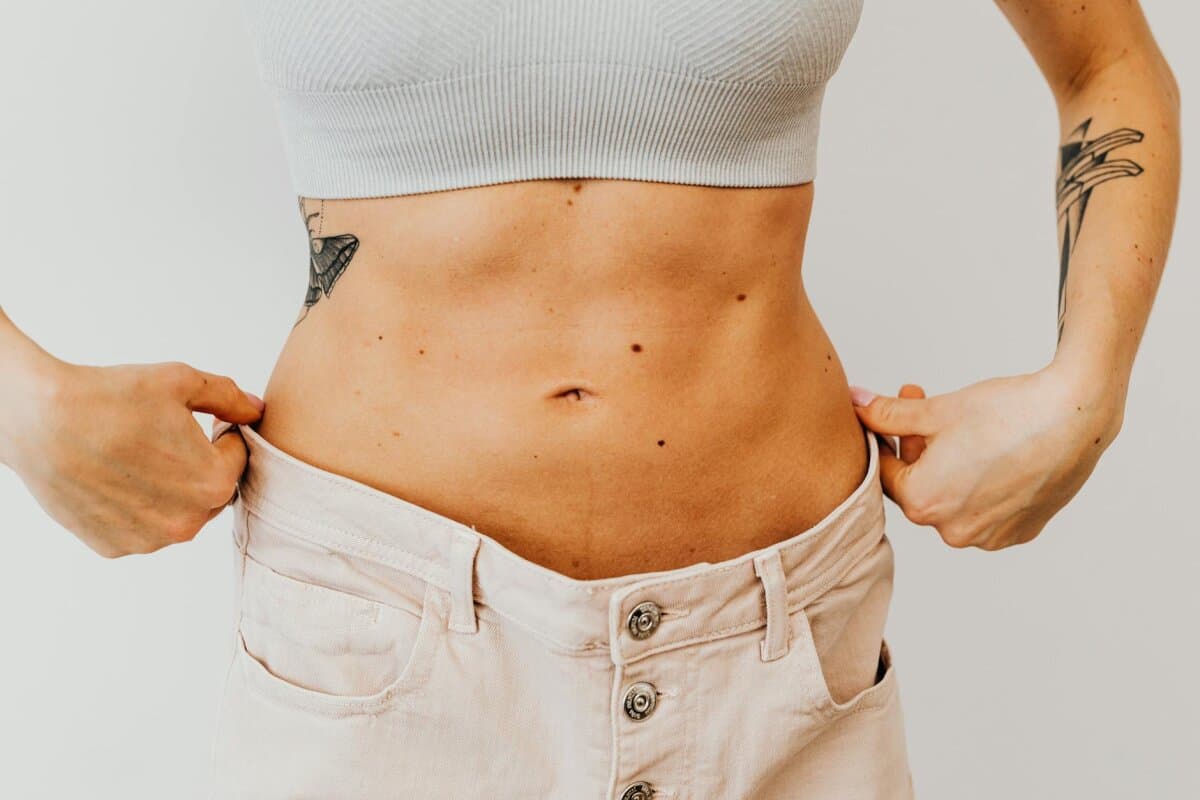
Why You Look Softer at the Same Weight (And What It Means)
If you look softer at the same weight, the scale isn’t telling the full story. Changes in muscle mass, fat distribution, training intensity, and recovery can dramatically affect how your body looks without changing the number you see. This article explains why it happens and what to focus on instead of weight alone.

Cutting Calories vs Increasing Activity: What Works Better?
The debate between cutting calories and increasing activity is one of the most common questions in fat loss. While both play a role, science shows that a calorie deficit is the foundation of weight loss. This article breaks down the pros and cons of each approach and explains why combining diet and activity leads to the most sustainable results.