How to Build an Aesthetic Physique Naturally

How to Build an Aesthetic Physique Naturally
You’ve probably seen it before. That look. Broad shoulders, a tight waist, visible muscle without looking bulky or bloated. Lean, athletic, and put together. And naturally, the big question pops up… How do you actually build an aesthetic physique naturally?
No steroids. No shortcuts. No fake promises.
This is about doing it the real way. The slower way. But also the sustainable way. If you’re willing to train smart, eat with intention, and stay patient when progress feels frustratingly slow trust me on this you’re in the right place.
What Does an Aesthetic Physique Really Mean?
Let’s clear something up right away. An aesthetic physique isn’t about being the biggest person in the gym. It’s about balance.
Think symmetry. Proportion. A body that looks good from every angle not just when you’re flexing in perfect lighting.
Classically, aesthetics come down to a few visual traits:
- Broad shoulders and upper back
- A relatively narrow waist (that V-taper everyone wants)
- Visible muscle separation, not just size
- Legs that actually match your upper body
This idea goes back to classic bodybuilding guys like Steve Reeves but it’s been amplified by modern social media. The difference? Social media often hides reality behind pumps, angles, and filters. Real aesthetics are built when the camera is off.
Aesthetics vs Size and Strength
You can be incredibly strong and still not look aesthetic. Powerlifters are a great example. Massive strength. Less emphasis on symmetry or leanness.
On the flip side, chasing aesthetics means you sometimes leave a bit of strength on the table. And that’s okay. Your goal isn’t a one-rep max it’s how everything fits together visually.
Understanding Natural Muscle-Building Limits
This part matters. A lot.
If you’re training naturally, your body has limits on how fast it can grow muscle and recover. Ignoring that is how people burn out, stall, or quit entirely.
For most natural lifters, realistic muscle gain looks something like this:
- Beginner year: noticeable changes month to month
- Intermediate years: slower, steadier progress
- Advanced stage: gains measured in inches per year, not months
Not exciting. But honest.
Enhanced athletes can train harder, recover faster, and stay leaner year-round. Naturals can’t and trying to copy those routines is a fast track to injury or stagnation.
Why Consistency Beats Short-Term Intensity
Here’s the truth most people don’t want to hear: the lifter who trains at 80% effort for five years will outperform the one who goes all-out for six months.
Consistency compounds. Missed workouts don’t. Simple as that.
Training Principles for a Naturally Aesthetic Body
If aesthetics are the goal, your training needs structure but also flexibility. There’s no magic routine, but there are principles that work.
First and foremost: progressive overload.
You need to gradually do more over time. More reps. More weight. Better control. That’s how muscle grows naturally.
And yes, compound lifts still matter. A lot.
- Barbell Full Squat for leg mass and overall balance
- Barbell Deadlift for thickness and posterior-chain development
- Barbell Bench Press to build the chest, shoulders, and triceps
- Pull-Up for back width and that V-taper
These movements build the foundation. From there, you layer in smarter isolation work things like lateral raises for shoulder width or incline pressing for upper-chest detail.
Best Workout Splits for Aesthetic Goals
Most natural lifters do best training each muscle group about twice per week.
Why? Because it balances stimulus and recovery. Push too hard too often, and progress stalls.
Popular options include upper/lower splits, push pull legs, or even well-structured full-body routines if your schedule’s tight. What matters isn’t the label it’s weekly volume and recovery.
If you leave the gym feeling wrecked every session, that’s a red flag. Slight fatigue is fine. Chronic exhaustion isn’t.
Prioritizing Weak Points for Better Symmetry
Everyone has lagging areas. Maybe your shoulders don’t match your chest. Or your legs look like an afterthought. It happens.
The fix? Don’t just add more exercises randomly.
Bring weak points earlier in the workout. Add a bit more volume. And give them time. Symmetry improves slowly but it does improve.
Nutrition and Body Fat: The Foundation of Aesthetics
You can train perfectly and still look average if your nutrition’s off.
Aesthetics are heavily influenced by body fat levels. Muscle shape only shows when it’s not hidden.
That means understanding calories not obsessing, but being aware.
For most natural lifters, the sweet spot is a small calorie surplus when gaining and a controlled deficit when leaning out. No dirty bulks. No crash diets.
Protein matters too. Aim for roughly 0.7 1 gram per pound of bodyweight. It’s not glamorous, but it works.
Carbs fuel training. Fats support hormones. Both have a place. Anyone telling you to eliminate one entirely? Probably selling something.
Eating for Muscle Without Excess Fat Gain
The goal isn’t to gain weight as fast as possible. It’s to gain quality weight.
Slow bulks feel boring. Progress looks subtle. But six months later, you’ll thank yourself when you don’t have to diet for half a year just to see your abs again.
And yes, enjoying your food matters. If your diet is miserable, you won’t stick to it.
Why Body Fat Percentage Matters More Than Scale Weight
This one trips people up.
You can weigh more and look better or weigh less and look worse. Aesthetic progress isn’t linear with the scale.
Most guys look their best somewhere around the low-to-mid teens for body fat. Women, a bit higher. It’s individual, but the principle stands.
Leaner doesn’t always mean better. But too much fluff hides everything you’ve worked for.
Recovery and Lifestyle Factors Natural Lifters Can’t Ignore
Recovery is training. Say it again.
If you’re sleeping five hours a night, stressed out, and pounding caffeine just to survive workouts your physique will reflect that.
Aim for 7 9 hours of sleep. Manage stress where you can. And don’t be afraid of rest days or deload weeks.
They’re not weakness. They’re strategy.
How Overtraining Hurts Aesthetic Progress
Overtraining doesn’t always feel dramatic. Sometimes it’s subtle. Flat muscles. Lingering soreness. Motivation dropping.
Pull back early, and you’ll move forward faster.
Common Myths and Unrealistic Expectations
You can’t spot-reduce fat. Sorry. Crunches won’t melt belly fat.
And no, most physiques you see online don’t look like that year-round. Lighting, pumps, dehydration it’s all part of the illusion.
Genetics matter, sure. But they’re not a free pass or a death sentence. Most people never come close to their natural potential anyway.
Compare yourself to your past self. That’s the only fair metric.
Building an Aesthetic Physique the Natural Way
Building an aesthetic physique naturally isn’t complicated but it is demanding.
Train with intention. Eat to support your goals. Recover like it matters. Because it does.
Skip the shortcuts. Ignore the noise. Focus on balance, health, and long-term consistency.
Do that, year after year, and the aesthetic look everyone’s chasing? It shows up. Quietly. Then all at once.
Frequently Asked Questions
Related Articles

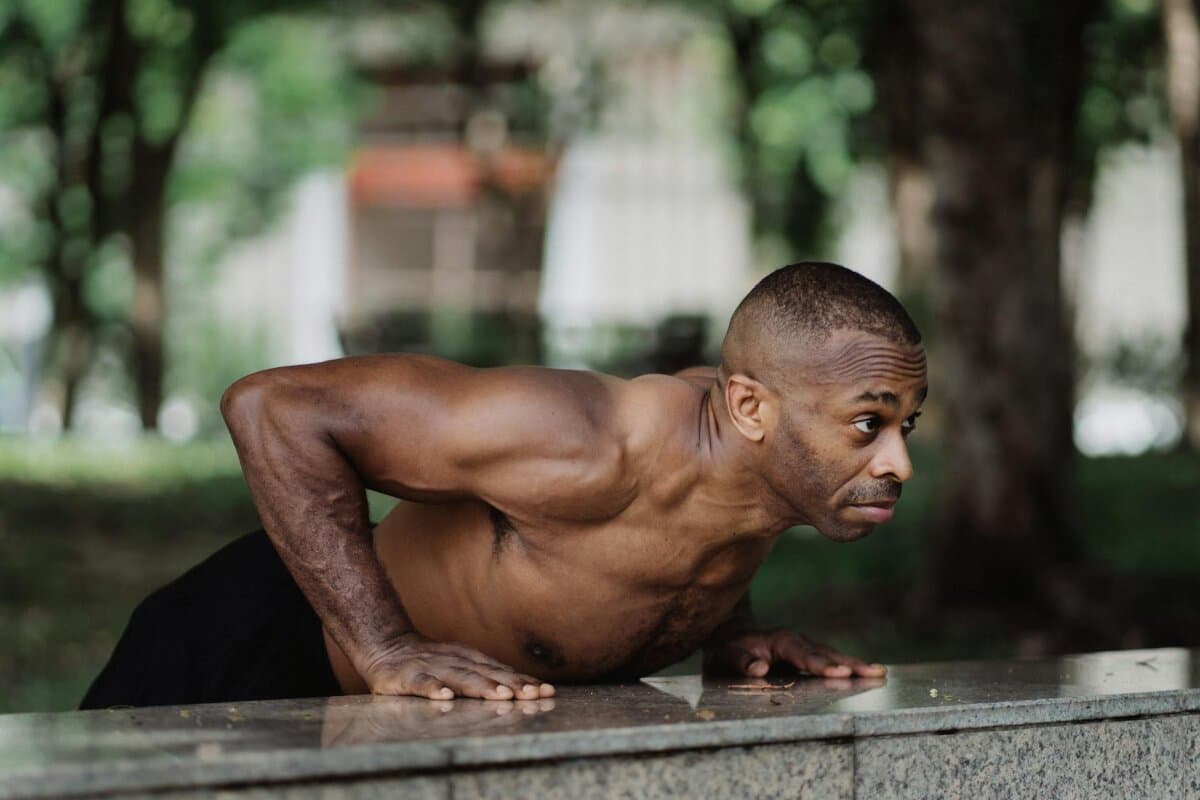
Shredding Naturally: How Lean Is Realistically Achievable?
Social media often promotes shredded physiques that aren’t realistic for natural lifters. This article breaks down what “shredded” really means, the natural limits of leanness, and the health trade-offs involved. Learn how lean you can realistically get without drugs and how to set sustainable, evidence-based expectations.
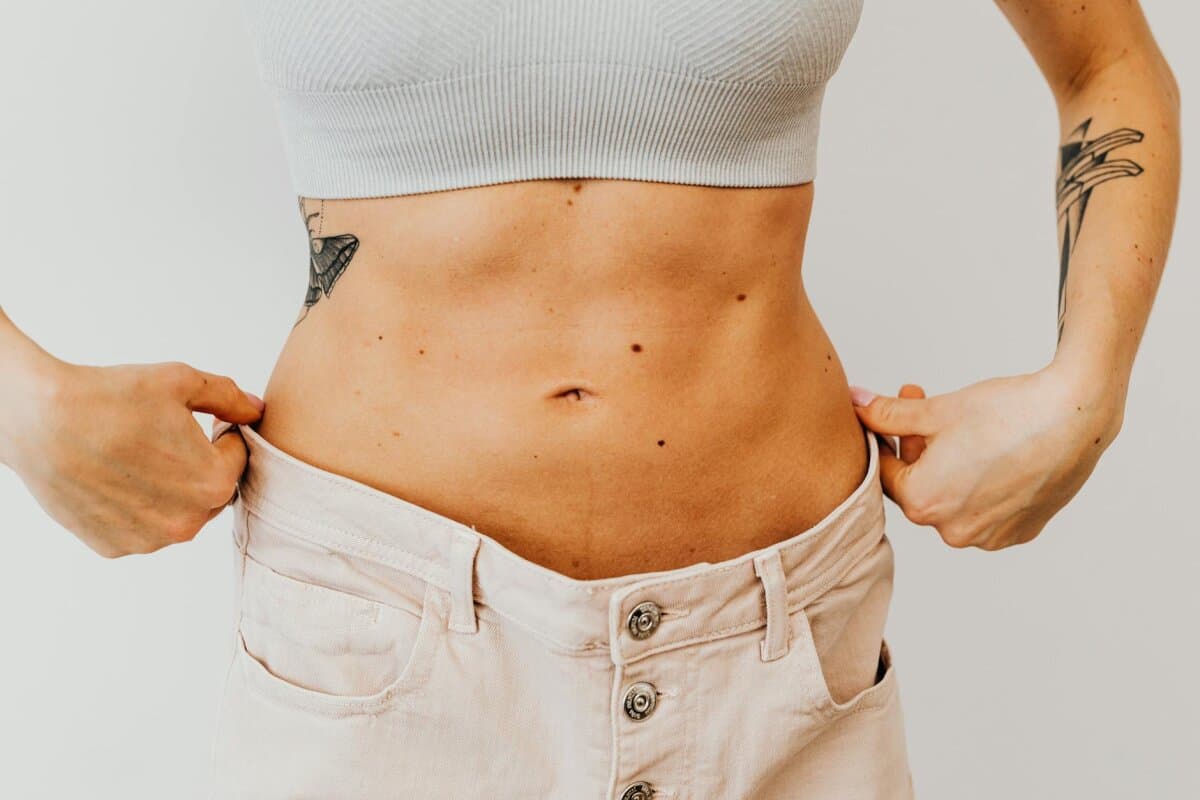
Lean Muscle vs Scale Weight: What Should You Prioritize?
The bathroom scale doesn’t always reflect real fitness progress. This article breaks down the difference between lean muscle and scale weight, explains why the scale can be misleading, and shows you how to choose the right metric based on your goals. Learn how to track progress smarter and stay motivated long term.
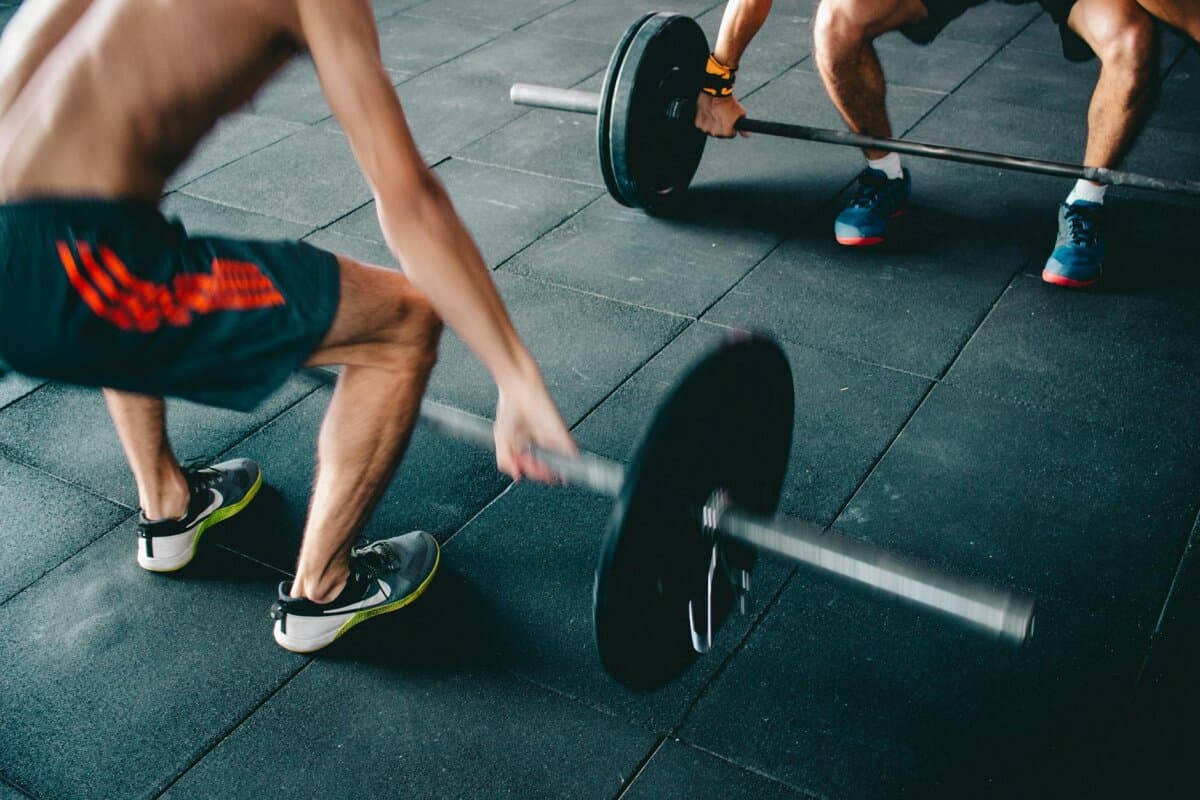
Why You Look Softer at the Same Weight (And What It Means)
If you look softer at the same weight, the scale isn’t telling the full story. Changes in muscle mass, fat distribution, training intensity, and recovery can dramatically affect how your body looks without changing the number you see. This article explains why it happens and what to focus on instead of weight alone.
Cutting Calories vs Increasing Activity: What Works Better?
The debate between cutting calories and increasing activity is one of the most common questions in fat loss. While both play a role, science shows that a calorie deficit is the foundation of weight loss. This article breaks down the pros and cons of each approach and explains why combining diet and activity leads to the most sustainable results.