Fat Loss vs Muscle Definition: Which Should You Focus On?
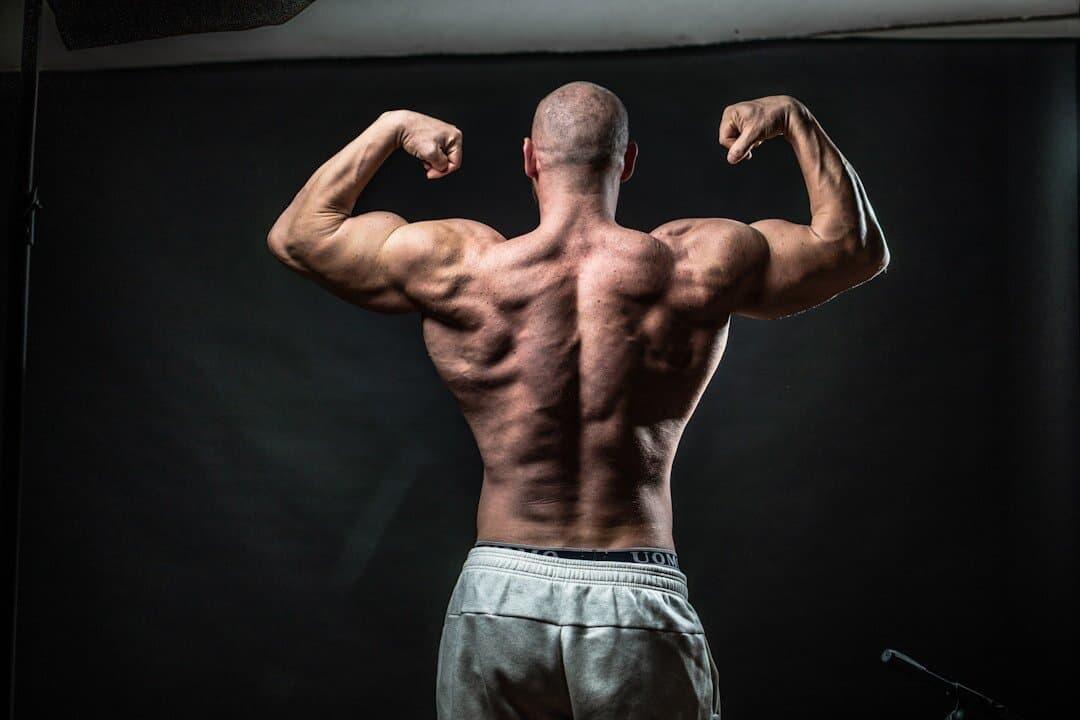
Fat Loss vs Muscle Definition: Which Should You Focus On?
You’ve probably been there. Standing in front of the mirror. Maybe flexing a little. Maybe poking at your stomach and wondering, Should I be trying to lose fat… or build muscle?
And then it gets even messier. Friends talk about “toning.” Instagram promises shredded abs in 30 days. The scale won’t move, but your jeans fit differently. Confusing, right?
Here’s the good news. You’re not broken. You’re just missing the full picture.
Fat loss and muscle definition aren’t opposing goals, but they are different. And knowing which one to prioritize (and when) can save you months of frustration. Trust me on this.
Let’s clear it all up no hype, no magic plans. Just real talk about how bodies actually change.
Fat Loss vs Muscle Definition: What’s the Real Difference?
Let’s start simple.
Fat loss means reducing the amount of body fat you’re carrying. Not just losing weight but specifically lowering your body fat percentage. That usually happens when you’re in a calorie deficit and consistently active.
Muscle definition, on the other hand, is about how visible your muscles are. The lines. The shape. The “oh wow, you lift” look.
And here’s the part most people miss.
You don’t get muscle definition from fat loss alone. And you don’t get it from muscle alone either.
Definition shows up when two things meet in the middle:
- You have enough muscle to create shape
- You’re lean enough for that muscle to be visible
If body fat is too high, the muscle is hidden. If muscle mass is too low, there’s nothing to reveal. Simple. Brutally honest. But simple.
This is why two people at the same weight can look completely different. Same scale number. Totally different body composition.
Why the Scale Can Be Misleading
The scale is… limited. Let’s just say that.
It doesn’t care what you lost. Fat? Muscle? Water? A big dinner? It all looks the same to that little digital screen.
You could lose five pounds by dieting aggressively, but if some of that comes from muscle, your body might actually look softer. Not exactly the goal.
Or you could stay the same weight while losing fat and gaining muscle and suddenly your shoulders pop and your waist looks tighter.
Same weight. Very different result.
Understanding Body Composition (Not Just Body Weight)
This is where body composition comes in. And yeah, it matters more than most people think.
Body composition is the ratio of fat mass to lean mass in your body. Lean mass includes muscle, bones, organs everything that isn’t fat.
When people say they want to “look better,” what they’re really saying is they want better body composition.
That’s why progress photos can be eye-opening. Or measurements around your waist and hips. Or strength gains in the gym.
Those things tell a story the scale can’t.
I’ve seen people swear nothing is working… until they compare photos from eight weeks ago. Then it clicks. Oh. That’s what’s happening.
Common Myths About Weight Loss and Appearance
Let’s bust a few myths that refuse to die.
- “If I lose weight, I’ll look toned.” Not always. Without resistance training, weight loss can come with muscle loss.
- “Lifting weights will make me bulky.” For most people? Nope. That takes years of focused training and eating.
- “Cardio is the best way to get lean.” Helpful, sure. But without strength training, results are limited.
Your appearance changes when fat mass goes down and muscle mass is maintained or built. One without the other is a half-solution.
The Myth of Toning: Why Muscle Definition Works Differently
Ah yes. Toning.
Probably the most overused word in fitness.
Here’s the truth: there is no such thing as a “toning” muscle. Muscles don’t get long and lean. They grow or they shrink.
What people call toning is actually muscle definition. And that comes from building some muscle and losing enough fat to see it.
That’s it. No secret reps. No pink dumbbells required.
Social media doesn’t help, by the way. Programs promise to “tone your arms” or “sculpt your legs,” but what they’re really doing is selling simplicity.
Real change? It’s less flashy. More consistent. And way more effective.
What People Really Mean When They Say They Want to Tone
Usually, it’s this:
- I want to look leaner
- I want some muscle shape
- I don’t want to feel soft
Totally valid goals.
They’re just achieved through smart strength training, enough protein, and either fat loss, muscle gain or a mix of both.
Should You Focus on Fat Loss or Muscle Definition First?
This is the big question. And the answer is… it depends.
Annoying, I know. But stay with me.
If you’re a beginner, carrying a bit of extra body fat, and new to structured training, focusing on fat loss first often makes sense. You’ll feel better, move better, and see noticeable changes relatively quickly.
But if you’re already fairly lean and feel like you look “flat” or under-muscled, chasing more fat loss can backfire. There’s just not much left to lose.
That’s when muscle definition or more accurately, muscle building becomes the priority.
Your training history matters too. Someone returning after a long break has more flexibility than someone who’s been lifting consistently for years.
How Body Recomposition Fits In
Body recomposition is the holy grail everyone talks about losing fat and gaining muscle at the same time.
And yes, it’s possible. Especially if you’re:
- New to resistance training
- Coming back after time off
- Eating enough protein
It’s slower than pure fat loss. Slower than a dedicated muscle-building phase too. But it’s incredibly sustainable.
For a lot of recreational gym-goers, recomposition is actually the sweet spot. Steady progress. Less burnout. Better long-term results.
Training and Nutrition Strategies for Each Goal
Here’s where things get practical.
For fat loss, the priority is consistency and calorie control. That doesn’t mean endless cardio. It means staying active, lifting weights, and creating a small calorie deficit you can actually live with.
For muscle definition, resistance training is non-negotiable. Progressive overload. Challenging sets. Enough volume to stimulate growth.
Nutrition shifts too.
- Fat loss: calorie deficit, high protein, patience
- Muscle focus: maintenance or slight surplus, high protein, recovery
Protein matters in both phases. A lot. It helps preserve muscle during fat loss and supports growth when calories are higher.
Best Exercises and Routines for Body Composition
When it comes to training, compound lifts do the heavy lifting literally.
Moves like the Barbell Full Squat, Barbell Deadlift, and Push-Up train multiple muscle groups at once. More muscle worked. More calories burned. More stimulus for change.
For upper-body shape and posture, pulling movements matter. A lat pulldown variation, like the Lever Lateral Pulldown (Plate-Loaded), can make a huge difference in how your back and waist look as fat comes off.
Core work supports everything. Planks, carries, and anti-rotation exercises help your midsection look tighter when body fat drops even if you’re not chasing six-pack abs.
You don’t need fancy routines. You need progressive training, enough recovery, and a plan you can stick to on busy weeks.
Choosing the Right Focus for Sustainable Results
Fat loss and muscle definition aren’t enemies. They’re teammates.
Sometimes one leads. Sometimes the other takes the spotlight. But they work best when you understand how they connect.
Instead of asking, “What’s faster?” try asking, “What makes sense for my body right now?”
Be realistic. Be patient. And stop chasing perfection.
Consistency beats intensity. Every time.
Choose a focus that fits your lifestyle, train with intent, fuel your body well and let the results build. One rep, one meal, one week at a time.
Frequently Asked Questions
Related Articles

Shredding Naturally: How Lean Is Realistically Achievable?
Social media often promotes shredded physiques that aren’t realistic for natural lifters. This article breaks down what “shredded” really means, the natural limits of leanness, and the health trade-offs involved. Learn how lean you can realistically get without drugs and how to set sustainable, evidence-based expectations.

Lean Muscle vs Scale Weight: What Should You Prioritize?
The bathroom scale doesn’t always reflect real fitness progress. This article breaks down the difference between lean muscle and scale weight, explains why the scale can be misleading, and shows you how to choose the right metric based on your goals. Learn how to track progress smarter and stay motivated long term.
Why You Look Softer at the Same Weight (And What It Means)
If you look softer at the same weight, the scale isn’t telling the full story. Changes in muscle mass, fat distribution, training intensity, and recovery can dramatically affect how your body looks without changing the number you see. This article explains why it happens and what to focus on instead of weight alone.
Cutting Calories vs Increasing Activity: What Works Better?
The debate between cutting calories and increasing activity is one of the most common questions in fat loss. While both play a role, science shows that a calorie deficit is the foundation of weight loss. This article breaks down the pros and cons of each approach and explains why combining diet and activity leads to the most sustainable results.