Shredding Naturally: How Lean Is Realistically Achievable?

Shredding Naturally: How Lean Is Realistically Achievable?
Scroll Instagram for five minutes and you’ll see it. Razor-sharp abs. Veins everywhere. Skin so thin it looks painted on. And the unspoken message? This is normal. This is achievable. This should be your goal.
But here’s the thing. Most of those physiques are either drug-assisted, achieved for a few dehydrated days, or both. And chasing that look as a natural lifter can quietly wreck your hormones, your training, and your relationship with food. Trust me on this I’ve seen it happen more times than I can count.
So let’s clear the fog. What does “shredded” actually mean? How lean can you realistically get without steroids? And more importantly… what level of leanness is worth maintaining?
What Does “Shredded” Actually Mean?
Most people judge leanness by vibes. Visible abs? Shredded. Shoulder striations? Definitely shredded. But visual comparisons are messy. Lighting, angles, pumps, and even camera lenses can turn a perfectly normal lean physique into something that looks freaky.
If you want clarity, you need a more objective yardstick. That’s where body fat percentage comes in. It’s not perfect, but it’s far more honest than comparing yourself to a pumped, filtered photo taken at golden hour.
Body Fat Percentage Ranges Explained
Let’s talk ranges. Not as rigid rules, but as realistic guideposts.
- 18 22%: Average. Healthy, but no visible abs.
- 14 17%: Athletic. Abs may show faintly when flexed.
- 10 13%: Lean. Clear abs, good muscle separation.
- 7 9%: Very lean. Veins, striations, constant hunger.
- Below 6%: Stage-lean. Temporary. Not lifestyle-friendly.
Most natural lifters who look “shredded” year-round? They’re usually sitting somewhere around 10 12%. Not 5%. That last few percent is where things get… expensive.
Why Photos Don’t Tell the Full Story
A single photo can lie in a dozen ways. Dehydration flattens the skin. Carb loading fills muscles with glycogen. Sodium manipulation sharpens definition. Add overhead lighting and a pump? Whole different human.
What you’re seeing online is often a moment. Not a baseline. And definitely not something most people walk around like all year.
Natural Body Fat Limits for Men and Women
Your body doesn’t care about your beach trip. It cares about survival. And body fat plays a huge role in hormone production, temperature regulation, and overall health.
That’s why there are real biological limits to how lean you can get naturally and stay there.
Realistic Natural Body Fat Ranges for Men
For most men, the lowest sustainable body fat range sits around 8 10%. Some genetically gifted guys can hover a bit lower. Others feel awful below 12%. That’s normal.
Drop under ~7% and testosterone often starts to slide. Libido dips. Sleep suffers. Training feels flat. You’re lean, sure. But you’re not thriving.
And no, being miserable doesn’t mean you’re disciplined. It usually means you’re pushing past what your body wants to maintain.
Realistic Natural Body Fat Ranges for Women
Women need more essential body fat. Full stop. Hormones like estrogen depend on it.
For most natural women, 16 20% is lean and athletic. Below ~14%, menstrual irregularities, low energy, and mood changes become more common.
Stage-lean female physiques? Often achieved with extreme dieting and sometimes pharmacological help. Not a health benchmark. Not a failure if you don’t want or can’t live there.
Different Levels of Leanness: From Beach Lean to Stage Lean
Here’s where a lot of confusion lives. Not all “lean” is the same. And lumping it all together sets people up for frustration.
Beach Lean and Year-Round Maintainable Leanness
Beach lean is that sweet spot. You look great in a T-shirt. Abs show without flexing. Energy is solid. Training is productive.
For many natural lifters, this lives around 10 14% for men and 18 22% for women. And yes you can maintain this for months or years without white-knuckling every meal.
This is where strong lifts, regular steps, and consistent eating shine. Heavy compound movements like the Barbell Full Squat, Barbell Deadlift, and Barbell Bench Press help preserve muscle so you don’t just get smaller… you get leaner.
Photoshoot and Stage Leanness: Short-Term Extremes
Photoshoot lean is sharper. Dryer. Veinier. And usually short-lived. Think days, maybe a couple of weeks.
Stage lean? That’s the edge. Below 6 7% for men. Often lower for bodybuilding shows. It’s not meant to be maintained, and even competitors reverse diet quickly after.
If you feel broken trying to live there, that’s not weakness. That’s biology doing its job.
The Physiological Trade-Offs of Getting Extremely Lean
Getting lean isn’t just about willpower. It comes with trade-offs. The leaner you go, the steeper the cost.
Hormones, Energy, and Recovery at Low Body Fat
As calories drop and body fat falls, hormones respond. Testosterone in men. Estrogen in women. Leptin, thyroid hormones, cortisol all shift.
The result? Fatigue that sleep doesn’t fix. Constant cold hands. Low motivation. A short fuse. Sound familiar?
Your body is adapting. And not in a way that supports peak performance.
Why Strength and Performance Often Decline
At very low body fat, recovery slows. Joints feel cranky. Bar speed drops. PRs disappear.
That’s why keeping heavy basics like Pull-Ups and presses in your program matters during a cut. The goal shifts from setting records to holding onto muscle.
Cardio helps, but piling it on aggressively often backfires. More isn’t always better.
How Long Natural Shredding Really Takes
This is where patience gets tested.
A realistic fat loss rate for natural lifters is about 0.5 1% of bodyweight per week. Slower as you get leaner. Faster than that? Muscle loss creeps in. Hormones take a hit. Rebound weight gain becomes likely.
Why Slower Fat Loss Preserves Muscle and Health
Slow cuts keep training quality high. Hunger manageable. Life… livable.
Daily walking (boring but effective), reasonable calories, and progressive strength work beat crash diets every time. You don’t need to suffer to get lean. You need consistency.
Being Lean vs Looking Lean: What Actually Makes the Difference
Here’s a quiet truth: two people at the same body fat can look wildly different.
Why Muscle Preservation Matters More Than the Scale
Muscle gives shape. Round shoulders. Thick legs. A chest that pops even when relaxed.
Lose too much muscle during a cut and you’ll look flat, not shredded. That’s why strength training stays non-negotiable.
Training and Cardio Choices That Support a Lean Look
Lift heavy enough to send a signal. Eat enough protein to recover. Use cardio strategically not as punishment.
And remember, sodium, carbs, and sleep all affect how lean you look day to day. The mirror can lie too.
Setting Realistic Expectations for Natural Leanness
Most people can achieve a lean, athletic physique naturally. One that looks good, feels good, and performs well.
Extreme leanness? That’s a short-term project, not a lifestyle. And it’s okay if you don’t want it.
Play the long game. Build muscle. Cut patiently. And stop measuring your worth against physiques that aren’t meant to be lived in. Consistency beats chasing shredded moments. Every time.
Frequently Asked Questions
Related Articles
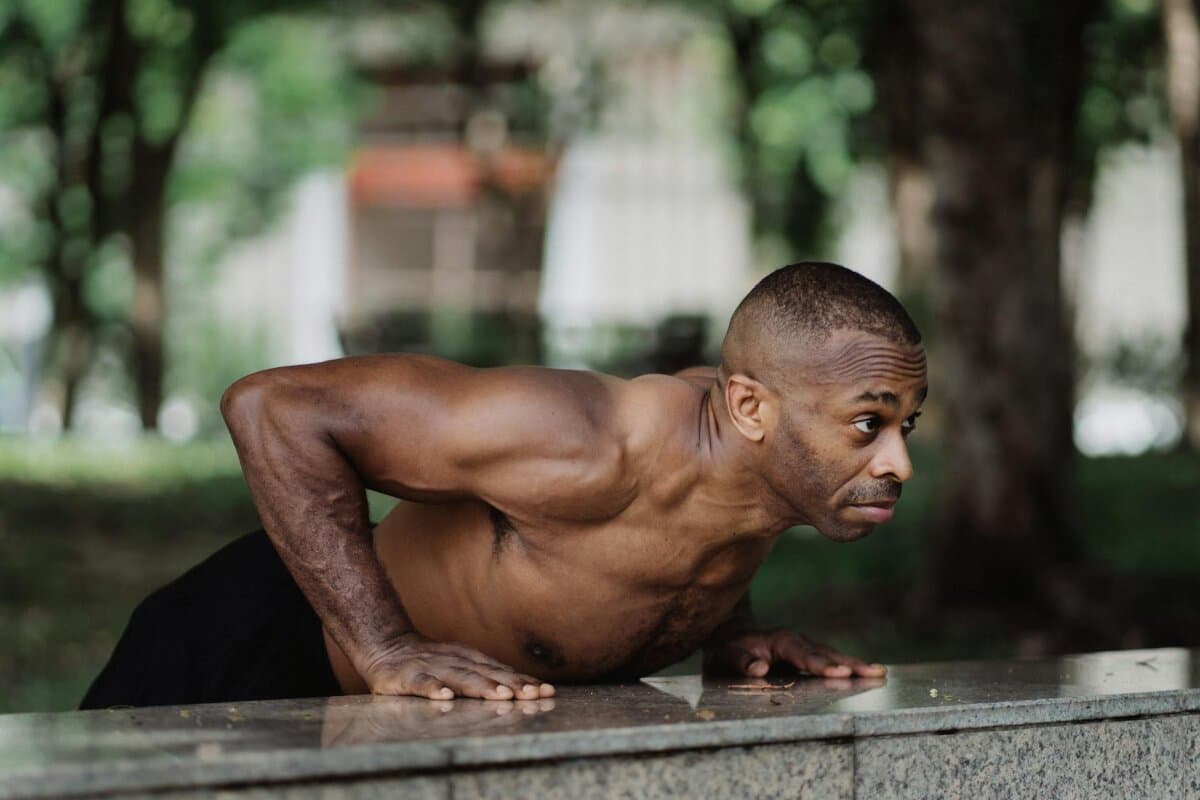
Lean Muscle vs Scale Weight: What Should You Prioritize?
The bathroom scale doesn’t always reflect real fitness progress. This article breaks down the difference between lean muscle and scale weight, explains why the scale can be misleading, and shows you how to choose the right metric based on your goals. Learn how to track progress smarter and stay motivated long term.
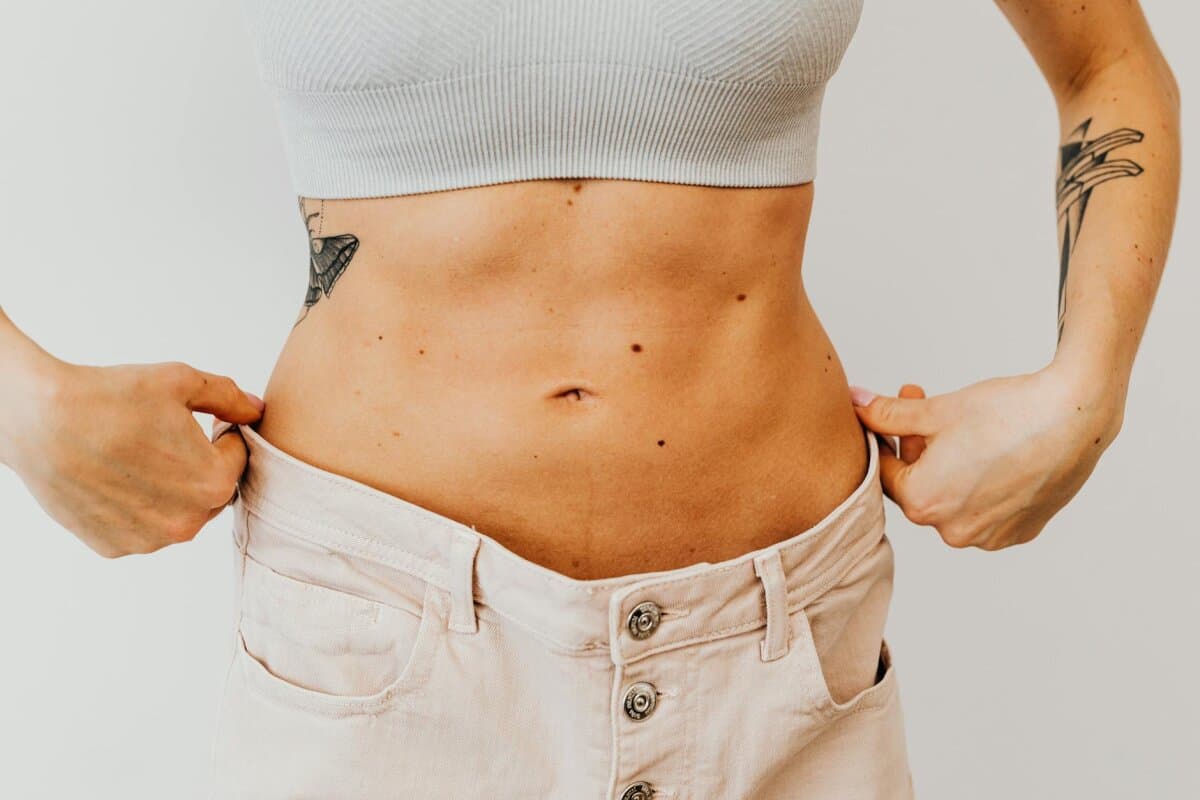
Why You Look Softer at the Same Weight (And What It Means)
If you look softer at the same weight, the scale isn’t telling the full story. Changes in muscle mass, fat distribution, training intensity, and recovery can dramatically affect how your body looks without changing the number you see. This article explains why it happens and what to focus on instead of weight alone.
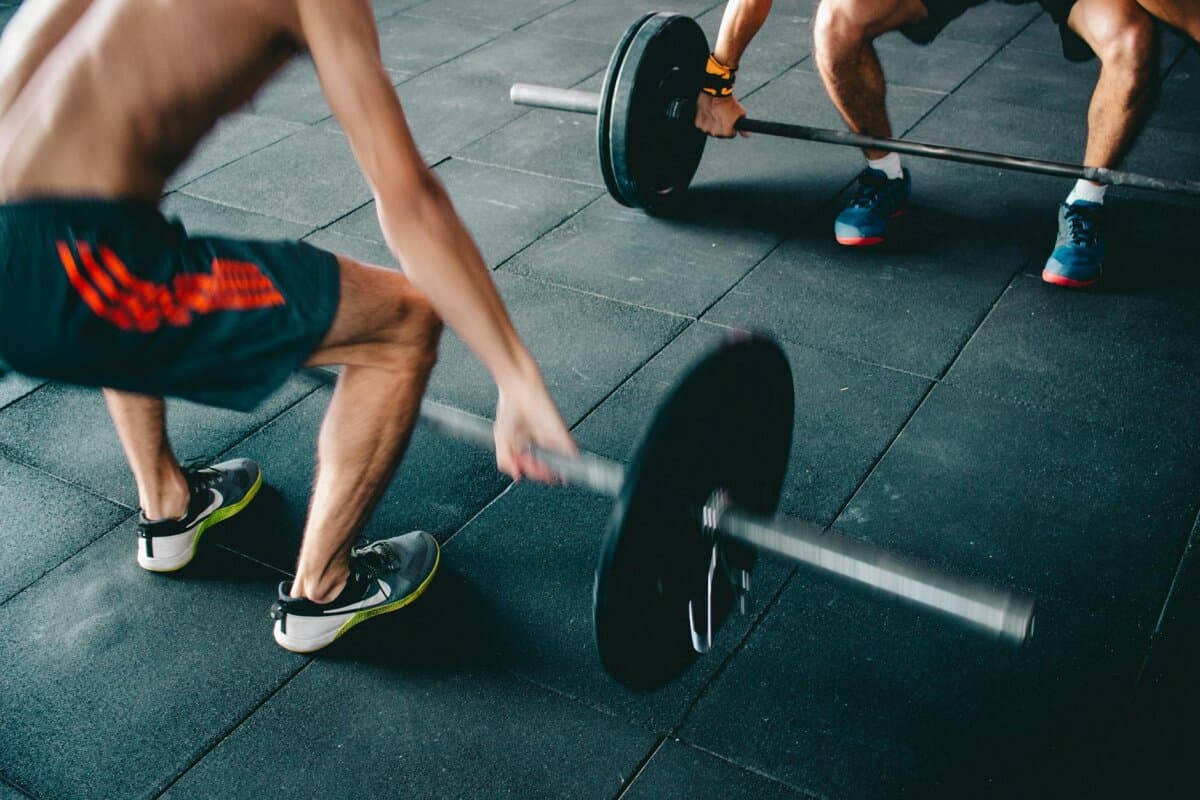
Cutting Calories vs Increasing Activity: What Works Better?
The debate between cutting calories and increasing activity is one of the most common questions in fat loss. While both play a role, science shows that a calorie deficit is the foundation of weight loss. This article breaks down the pros and cons of each approach and explains why combining diet and activity leads to the most sustainable results.

Body Transformation Without Scale Obsession: How to Track Real Progress
The scale doesn’t tell the full story of your fitness journey. This guide explains how to track real body transformation using smarter, healthier metrics like strength gains, progress photos, and body recomposition. Learn how to measure success without letting daily weigh-ins control your motivation.