Progressive Overload for Fat Loss and Lean Muscle Gains
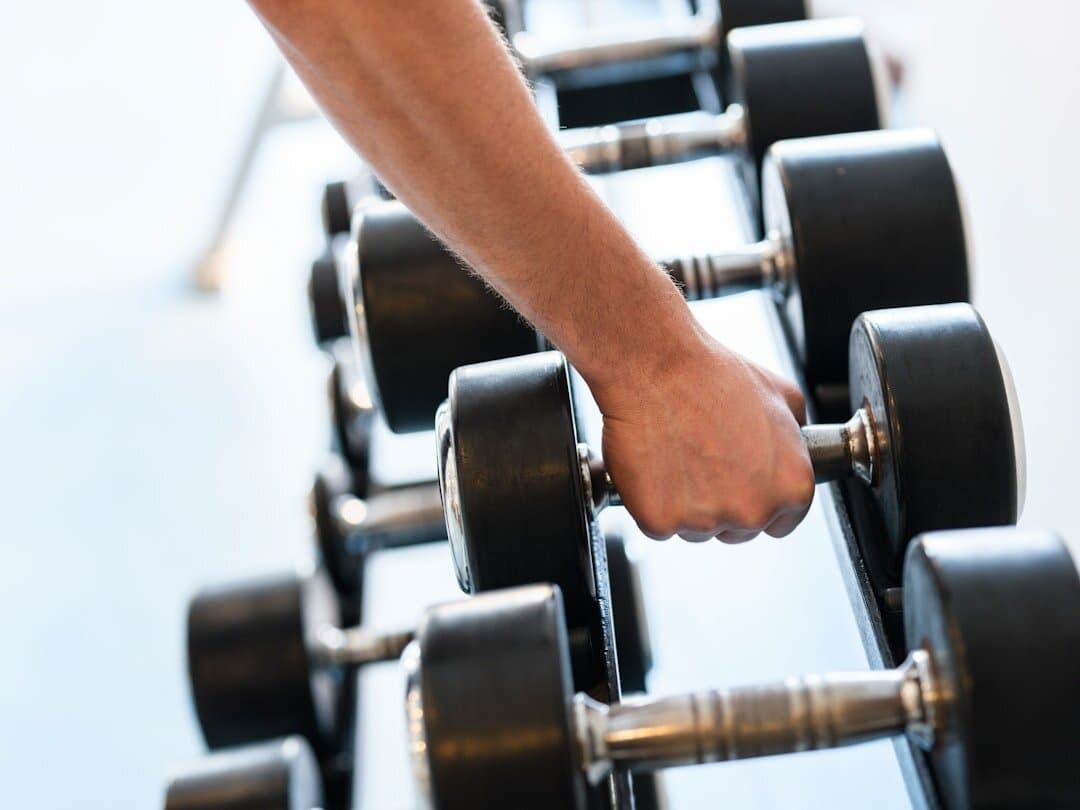
Progressive Overload for Fat Loss and Lean Muscle Gains
You want to lose fat. But you don’t want to look smaller, softer, or feel weaker in the process. Sound familiar? Yeah, you’re not alone. This is the struggle for a lot of gym-goers especially when dieting starts to feel like it’s stealing your hard-earned muscle.
Here’s the good news. You don’t have to choose between fat loss and strength. When done right, progressive overload can help you hold onto lean muscle, improve how your body looks, and even make fat loss easier to sustain. Not flashy. Not complicated. Just effective.
Let’s break down how progressive overload actually works during fat loss and how you can apply it without running yourself into the ground.
What Progressive Overload Really Means
Progressive overload is one of those gym terms that gets tossed around a lot. Sometimes incorrectly. At its core, it means gradually increasing the demands you place on your body during training so it has a reason to adapt.
That adaptation? Stronger muscles. Denser muscle tissue. Better coordination. And yes better body composition.
Overload doesn’t mean maxing out every session or slapping more plates on the bar just to feel tough. That’s how people stall or get hurt. Real progression is slower. Smarter. Sometimes almost boring.
Why Adaptation Drives Strength and Muscle Growth
Your body is efficient. Almost lazy, honestly. If you keep doing the same weight, the same reps, the same tempo, it has zero incentive to change. Progressive overload introduces a new challenge just enough to force adaptation without overwhelming your recovery.
And here’s the part many people miss: during fat loss, maintaining that stimulus is crucial. When calories drop, your body looks for ways to conserve energy. Muscle tissue is expensive to maintain. Progressive overload tells your body, “Hey, we still need this muscle.”
Trust me on this it’s one of the biggest differences between people who look “toned” after dieting and those who just look… smaller.
How Progressive Overload Supports Fat Loss
Let’s clear something up. Fat loss happens through a calorie deficit. Period. Lifting weights doesn’t magically burn fat off your body.
But what strength training with progressive overload does is protect your lean mass while you’re in that deficit. And that changes everything.
Muscle helps keep your metabolic rate higher. It improves insulin sensitivity. It shapes your physique. So even if the scale isn’t moving fast, your mirror pics tell a different story.
Muscle Retention and Metabolic Health During Dieting
Ever dieted hard, lost weight quickly, then gained it all back? That’s often muscle loss combined with aggressive calorie cuts. Less muscle means fewer calories burned at rest. Not great.
Progressive overload sends a strong signal to preserve muscle tissue. Your body adapts by holding onto strength instead of breaking it down for energy.
And there’s another perk. Heavy, challenging resistance training increases post-workout calorie burn sometimes for hours. Not magic. Just physiology.
Ways to Apply Progressive Overload Without Burning Out
Here’s where people overcomplicate things. Progressive overload isn’t just about lifting heavier weights every week. Especially when calories are lower.
You’ve got options. Plenty of them.
- Adding reps with the same weight
- Increasing total sets
- Slowing down tempo for more time under tension
- Reducing rest periods slightly
- Improving range of motion or control
Sometimes progress looks like better form. More stability. Cleaner reps. That still counts.
Load vs. Volume: Choosing the Right Progression Strategy
When you’re eating at maintenance or in a surplus, adding weight to the bar feels great. During fat loss? Not always realistic.
This is where volume shines. Adding one extra rep per set or an additional working set can maintain progression without crushing your nervous system.
For compound lifts like the Barbell Bench Press or Barbell Deadlift, small jumps matter. Five pounds can be plenty.
Exercise Difficulty and Control as Overload Tools
Bodyweight movements are sneaky-good for progressive overload. Take the Pull-Up. You can progress by:
- Adding reps
- Improving tempo
- Reducing momentum
- Eventually adding external weight
Same movement. Higher demand. That’s overload.
Best Exercises for Progressive Overload and Fat Loss
If fat loss and lean muscle are your goals, exercise selection matters. Big movements give you more bang for your buck.
Compound lifts recruit multiple muscle groups, burn more calories, and allow for measurable progression over time. Simple. Effective.
Compound Lifts: Squats, Deadlifts, and Bench Press
The Barbell Full Squat is a classic for a reason. It challenges your legs, glutes, core, and even upper back. Plus, it’s easy to track progression.
Pair that with the Barbell Deadlift, and you’ve got a serious stimulus for strength retention during fat loss.
Add pressing movements like the bench press, and you’re covering a lot of muscle mass efficiently.
Accessory and Unilateral Movements for Balance and Stability
Accessory lifts matter too. Unilateral work like dumbbell lunges or split squats helps correct imbalances and increases overall training volume without excessive load.
These movements also tend to spike heart rate. Ever notice how your breathing ramps up during single-leg work? That’s extra energy expenditure without adding cardio sessions.
Programming Progressive Overload During a Fat Loss Phase
This is where strategy comes in. You can’t train exactly the same way you do when bulking. Recovery is limited. Calories are lower. Energy fluctuates.
So you adapt the plan. Not abandon it.
Most people do well with moderate volume, moderate intensity, and consistent progression. Think 3 5 training days per week.
Sample Training Splits for Body Recomposition
Upper/lower splits work well for intermediates. Full-body routines shine for beginners or anyone short on time.
Cardio? Keep it supportive, not dominant. A few sessions of walking, cycling, or light running can help create a calorie deficit without interfering with strength.
Remember, your lifting sessions are the anchor. Protect them.
Recovery, Nutrition, and Tracking Your Progress
Progressive overload only works if you recover from it. And recovery isn’t just foam rolling and stretching.
Sleep matters. A lot. So does protein intake. Aim for enough protein to support muscle retention especially when calories are tight.
Tracking your workouts is non-negotiable. Write things down. Use an app. Whatever works. If you’re not tracking, you’re guessing.
Avoiding Overtraining While in a Calorie Deficit
More isn’t always better. Especially when dieting.
Watch for warning signs: declining performance, poor sleep, constant soreness, low motivation. These are signals, not weaknesses.
Sometimes the smartest move is holding steady instead of pushing harder. Consistency beats aggression every time.
Using Progressive Overload for Sustainable Results
Progressive overload isn’t just a muscle-building tool. It’s a fat-loss ally when used correctly.
By maintaining strength, protecting lean mass, and training with intent, you set yourself up for long-term success not just a short diet phase.
Skip the quick fixes. Focus on steady progression, solid recovery, and patience. Your future self will thank you.
Frequently Asked Questions
Related Articles

Shredding Naturally: How Lean Is Realistically Achievable?
Social media often promotes shredded physiques that aren’t realistic for natural lifters. This article breaks down what “shredded” really means, the natural limits of leanness, and the health trade-offs involved. Learn how lean you can realistically get without drugs and how to set sustainable, evidence-based expectations.

Lean Muscle vs Scale Weight: What Should You Prioritize?
The bathroom scale doesn’t always reflect real fitness progress. This article breaks down the difference between lean muscle and scale weight, explains why the scale can be misleading, and shows you how to choose the right metric based on your goals. Learn how to track progress smarter and stay motivated long term.

Why You Look Softer at the Same Weight (And What It Means)
If you look softer at the same weight, the scale isn’t telling the full story. Changes in muscle mass, fat distribution, training intensity, and recovery can dramatically affect how your body looks without changing the number you see. This article explains why it happens and what to focus on instead of weight alone.
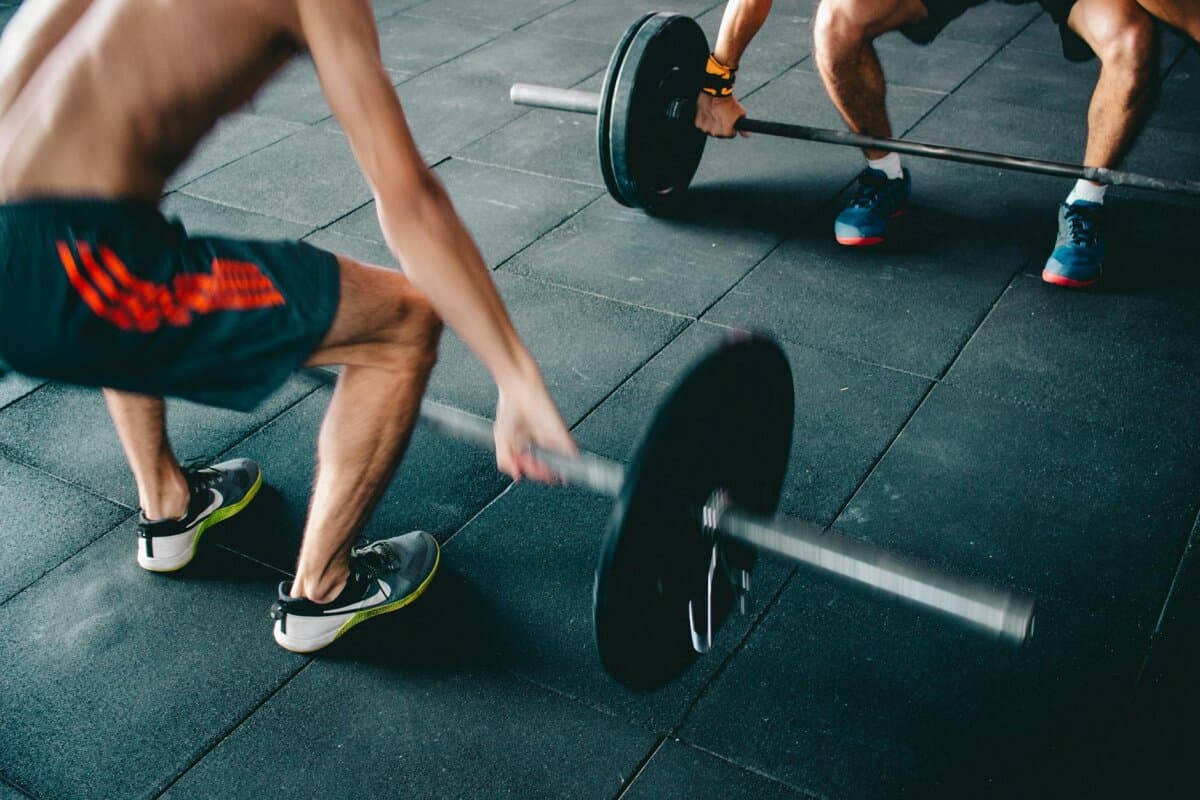
Cutting Calories vs Increasing Activity: What Works Better?
The debate between cutting calories and increasing activity is one of the most common questions in fat loss. While both play a role, science shows that a calorie deficit is the foundation of weight loss. This article breaks down the pros and cons of each approach and explains why combining diet and activity leads to the most sustainable results.