The Truth About Toning: Why Muscle Matters More Than Weight

The Truth About Toning: Why Muscle Matters More Than Weight
You’ve probably said it or at least thought it. “I don’t care about being skinny. I just want to be toned.”
Totally fair goal. And honestly? A smart one.
But here’s where a lot of people get tripped up. They chase that toned look by focusing only on weight loss. Fewer calories. More cardio. Scale checks every morning. And then… frustration. Because the number goes down, but the mirror doesn’t really change. Or worse, you look smaller but softer. Flat. Not quite how you imagined.
So what gives?
The truth is, toning has very little to do with losing weight alone. It has everything to do with muscle, body fat, and how those two work together. And once you get that, everything about your training and mindset starts to click.
What Does “Toned” Really Mean?
Let’s clear this up right away, because the word “toned” gets abused in the fitness world.
Being toned doesn’t mean creating long, lean muscles. It doesn’t mean doing a million light reps. And no, it definitely doesn’t mean spot-reducing fat from your thighs, arms, or stomach. If only it worked that way.
Toning is simply the result of two things happening at the same time:
- Building (or at least maintaining) muscle
- Reducing body fat enough for that muscle to show
That’s it. No magic. No secret rep range.
Muscle gives your body shape. Fat determines how visible that shape is. When people say someone looks “toned,” what they’re really seeing is muscle definition under a lower layer of body fat.
And just to get this out of the way muscle shape is largely genetic. You can’t change where your biceps peak or how your calves insert. But you can make muscles stronger, firmer, and more defined through training. That’s the part you control.
Why the Fitness Industry Misuses the Term “Toning”
Let’s be honest. “Toning” sounds less scary than “building muscle.” Especially for beginners. Especially for women.
So the industry leans into it. Toning workouts. Toning classes. Toning DVDs (yeah, still a thing).
The problem? Many of these programs avoid real resistance training. They rely on endless cardio or super-light weights that never challenge your muscles enough to change them.
And then people wonder why nothing happens.
Muscle doesn’t respond to wishful thinking. It responds to tension. Progressive overload. Real work. Trust me on this.
Weight Loss vs. Fat Loss: Why the Scale Can Be Misleading
This is where things get sneaky.
Weight loss just means the number on the scale goes down. Fat loss means you’re actually losing body fat while keeping (or gaining) muscle.
Those are not the same thing.
You can lose weight by cutting calories aggressively and doing tons of cardio. Sure. But without strength training, a good chunk of that weight often comes from muscle. And when muscle goes? Your body looks softer, not tighter.
Ever heard the term “skinny-fat”? That’s usually the result.
Now flip the script.
If you’re strength training and eating reasonably, you might lose fat and gain muscle at the same time especially as a beginner. The scale might barely move. Or it might even go up slightly.
But your waist gets smaller. Your legs feel firmer. Your shoulders pop a bit more. Clothes fit better.
That’s body recomposition. And it’s exactly what most people mean when they say they want to get toned.
How Body Composition Tells a More Accurate Story
Body composition looks at what your weight is made of muscle, fat, water, bone not just the total number.
Two people can weigh the same and look completely different. One lifts weights. One doesn’t. Guess who looks more defined?
This is why relying only on the scale can mess with your head. It doesn’t see muscle. It doesn’t care how hard you trained this week. It just spits out a number.
You deserve better feedback than that.
Why Muscle Matters More Than Weight for Long-Term Results
Here’s the part that doesn’t get talked about enough.
Muscle isn’t just for looks. It’s metabolically active tissue. Meaning it burns calories just by existing.
The more muscle you have, the more calories your body burns at rest. Not just during workouts. All day. Sitting. Walking. Sleeping.
Is it a massive difference overnight? No. But over weeks, months, years? It adds up.
And more importantly, muscle helps you keep fat off. People with more muscle generally maintain their results more easily. They don’t have to slash calories forever. Their metabolism has some breathing room.
That’s why building muscle is such a big deal for long-term success not just short-term weight loss.
Metabolism, Muscle Mass, and Daily Calorie Burn
Think of muscle like an engine. A bigger engine burns more fuel.
When you diet without strength training, your body tries to conserve energy. It slows things down. It lets muscle go. That’s why plateaus happen. And rebounds.
When you lift weights, you send a different signal: “Hey, this muscle is needed.” So your body holds onto it, even in a calorie deficit.
That’s how you lose fat without wrecking your metabolism. And yeah that’s pretty crucial.
How Strength Training Changes Your Body (Even If Weight Stays the Same)
This is where the magic actually happens.
Strength training reshapes your body. Not overnight. But steadily.
Muscles become firmer. Lines start to show. Your posture improves. You move differently more confidently. There’s a tightness, a density, that cardio alone just doesn’t give.
And the best part? You don’t need fancy exercises or endless variety.
Good old compound movements do the heavy lifting. Literally.
Key Exercises That Support a Toned Physique
These movements hit multiple muscle groups at once, which means more muscle engagement and better overall results.
- Barbell Full Squat Builds your quads, glutes, and core. One of the best bang-for-your-buck exercises out there.
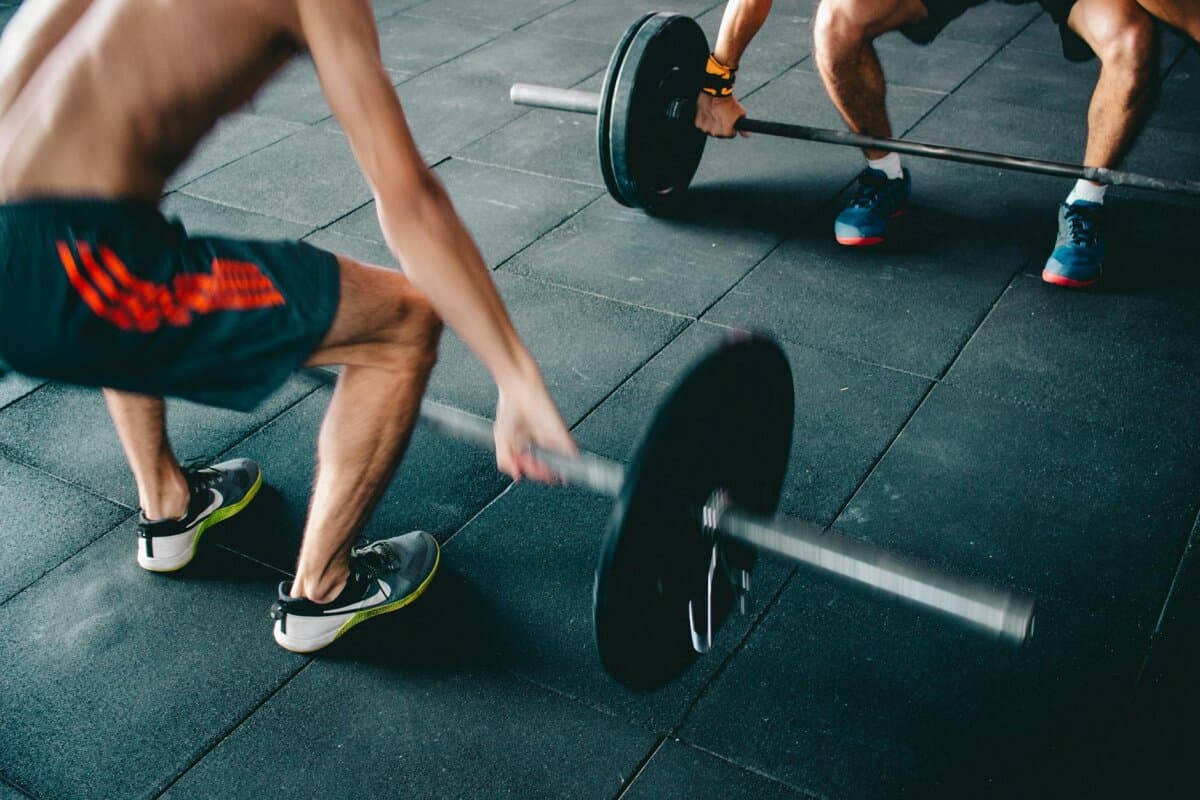
- Barbell Deadlift Works your posterior chain and teaches total-body strength. You’ll feel powerful. In a good way.
- Push-Up Scalable, effective, and humbling. Great for chest, arms, and core.
- Lunges Fantastic for balance, glutes, and leg definition. Plus, they expose imbalances fast.
- Jack Plank Core strength without endless crunches. Your abs will know they’re working.
You don’t need to train every day. Three to four solid strength sessions per week can completely change how your body looks and feels.
Cardio vs. Weights: Why You Need Both (But Not Cardio Alone)
Cardio isn’t the enemy. Let’s make that clear.
Running, cycling, walking they’re great for heart health, endurance, and burning calories in the moment. And they can absolutely support fat loss.
But here’s the catch.
Cardio alone doesn’t do much to preserve or build muscle. And when you rely on it exclusively, especially in a calorie deficit, muscle loss becomes more likely.
That’s why so many people do tons of cardio, lose weight, and still don’t look toned.
The sweet spot? A balance.
Strength training to shape your body. Cardio to support health and help manage calories. Together, they’re way more effective than either one alone.
Smart Program Examples for Body Recomposition
You don’t need anything extreme.
A beginner full-body strength routine paired with a few cardio sessions each week works incredibly well. So does a simple strength-plus-cardio split.
The goal isn’t to annihilate yourself. It’s consistency. Progressive overload. And recovery.
Simple. Not easy. But effective.
The Fear of Getting “Bulky” And Why It’s Mostly a Myth
This fear stops a lot of people from lifting weights. Especially women.
Here’s the reality.
Building large amounts of muscle takes years of heavy training, a calorie surplus, and very specific programming. Often paired with hormone levels that most people simply don’t have.
You don’t accidentally wake up bulky.
For most beginners, strength training leads to a leaner, tighter, more athletic look. Period.
If at some point you feel like you’re getting bigger than you want? You can always adjust volume, intensity, or nutrition. Muscle gain is slow. You’re in control.
So yeah. Lift the weights.
Better Ways to Measure Progress Than the Scale
If the scale messes with your head, you’re not alone.
Luckily, there are better ways to track progress ways that actually reflect toning.
- Body measurements (waist, hips, thighs)
- Progress photos
- Strength gains in the gym
- How your clothes fit
- Posture, energy, confidence
These are real indicators. Meaningful ones.
When you feel stronger, move better, and like what you see in the mirror, that matters. Even if the scale is being stubborn.
Focus on Muscle, Not Just Weight
Toning isn’t about chasing a smaller number on the scale. It’s about building muscle, losing fat, and creating a body that looks and feels strong.
When you shift your focus to body composition, everything changes. Training makes more sense. Plateaus feel less discouraging. Progress becomes visible in ways that actually matter.
So lift the weights. Fuel your body. Use cardio wisely. And stop letting the scale define your success.
Muscle matters. More than you’ve been told.
Frequently Asked Questions
Related Articles

Shredding Naturally: How Lean Is Realistically Achievable?
Social media often promotes shredded physiques that aren’t realistic for natural lifters. This article breaks down what “shredded” really means, the natural limits of leanness, and the health trade-offs involved. Learn how lean you can realistically get without drugs and how to set sustainable, evidence-based expectations.

Lean Muscle vs Scale Weight: What Should You Prioritize?
The bathroom scale doesn’t always reflect real fitness progress. This article breaks down the difference between lean muscle and scale weight, explains why the scale can be misleading, and shows you how to choose the right metric based on your goals. Learn how to track progress smarter and stay motivated long term.

Why You Look Softer at the Same Weight (And What It Means)
If you look softer at the same weight, the scale isn’t telling the full story. Changes in muscle mass, fat distribution, training intensity, and recovery can dramatically affect how your body looks without changing the number you see. This article explains why it happens and what to focus on instead of weight alone.
Cutting Calories vs Increasing Activity: What Works Better?
The debate between cutting calories and increasing activity is one of the most common questions in fat loss. While both play a role, science shows that a calorie deficit is the foundation of weight loss. This article breaks down the pros and cons of each approach and explains why combining diet and activity leads to the most sustainable results.