Body Measurements Guide: What to Measure and How Often

Body Measurements Guide: What to Measure and How Often
Step on the scale. Step off. And now what? If you’ve trained consistently for a few weeks, you already know the frustration. The number barely moves. Or worse, it goes up. But your clothes fit differently. Your workouts feel stronger. Something is happening just not where the scale can see it.
This is where body measurements earn their place. Circumference measurements give you practical, data-driven insight into fat loss, muscle gain, and overall body composition changes. They’re simple, affordable, and surprisingly powerful when used correctly.
For beginners especially, the key isn’t perfection. It’s consistency. Measuring the right areas, using the same method each time, and understanding how often to check progress. Do that, and you’ll have a far clearer picture of what your training and nutrition are actually doing.
Why Body Measurements Matter More Than the Scale
The scale tells you total body weight. That’s it. It doesn’t care whether that weight comes from fat, muscle, water, or a salty dinner the night before. Body measurements, on the other hand, give context. And context changes everything.
Scale Weight vs. Body Composition
Daily body weight can fluctuate by one to five pounds due to hydration status, glycogen storage, sodium intake, hormonal shifts, and digestive content. None of these reflect real changes in body fat.
Circumference measurements especially at the waist, hips, and limbs tend to track changes in fat mass and lean mass more reliably over time. Research consistently shows strong correlations between reductions in waist circumference and decreases in visceral fat, even when scale weight remains stable.
This is why body recomposition often looks like “nothing is happening” on the scale. Fat is lost. Muscle is gained. Weight stays similar. Measurements reveal the truth.
Health and Performance Implications
Measurements aren’t just about aesthetics. Waist circumference and waist-to-hip ratio are well-established predictors of cardiometabolic risk, sometimes outperforming BMI in identifying health concerns.
From a performance perspective, increases in thigh, chest, or arm circumference often align with strength improvements in compound lifts like the Barbell Bench Press or squatting variations. The tape measure becomes another feedback tool quiet, objective, and difficult to argue with.
Key Body Measurements to Track
You don’t need to measure everything. In fact, measuring too many sites often creates confusion rather than clarity. Start with the areas that give the most information for the least effort.
Essential Measurements for Beginners
These core sites provide the most value for general fitness, fat loss, and health tracking:
- Waist: Typically measured at the narrowest point or just above the navel. Strongly linked to fat loss and health outcomes.
- Hips: Measured at the widest point of the glutes. Useful for tracking lower-body fat changes and waist-to-hip ratio.
- Chest: Measured across the fullest part of the chest. Reflects upper-body muscle gain and fat distribution.
If you only track three measurements, make it these. Trust me on this. They tell a clear story over time.
Additional Measurements for Muscle Growth and Detail Tracking
For those focused on hypertrophy or more detailed tracking, limb measurements add valuable nuance:
- Upper arms: Measure mid-biceps with the arm relaxed.
- Thighs: Typically measured midway between the hip and knee.
- Calves: Measured at the widest point.
Progress in thigh and glute measurements often parallels improvements in lower-body training, especially with compound lifts like the Barbell Full Squat. Again, not magic. Just physiology doing its thing.
How to Take Body Measurements Correctly
Measurements are only useful if they’re reliable. And reliability comes from standardization. Same method. Same conditions. Every single time.
Best Practices for Consistent Measurements
- Measure at the same time of day, ideally in the morning after using the restroom.
- Use the same tape measure each time.
- Measure against bare skin or very light clothing.
- Stand relaxed. No flexing. No sucking in.
Small deviations add up. A slightly tighter tape or different posture can create changes that look meaningful but aren’t.
Anatomical Landmarks and Tape Placement
Place the tape horizontally around the body, ensuring it’s level and not twisted. The tape should be snug but not compressing the skin. If it leaves a deep mark, it’s too tight.
For the waist, consistency matters more than finding the “perfect” spot. Choose a landmark and stick with it. For limbs, mark the measurement location with a washable marker if needed, especially during early tracking phases.
And yes write everything down immediately. Memory is unreliable. Data should not be.
How Often You Should Take Body Measurements
More data is not always better. Measuring too frequently is one of the most common mistakes beginners make.
Physiological changes in fat and muscle tissue occur slowly. Day-to-day or even week-to-week measurements are often dominated by noise water retention, inflammation, and normal variability.
Measurement Frequency by Fitness Goal
- General fitness or fat loss: Every 2 4 weeks
- Hypertrophy-focused training: Every 3 4 weeks
- Maintenance phases: Every 4 6 weeks
This cadence aligns with what we see in research and real-world coaching. Long enough to detect meaningful change. Short enough to adjust when needed.
Prioritizing Measurements Based on Your Fitness Goals
Your goals determine what matters most. Measuring everything, all the time, is unnecessary. Strategic focus improves clarity.
Fat Loss and Body Recomposition
For fat loss, waist circumference is king. Reductions here often occur even when scale weight stalls. Hip measurements provide useful secondary context, especially for assessing fat distribution changes.
In body recomposition phases, it’s common to see stable body weight alongside decreasing waist measurements and stable or increasing limb measurements. That’s a win. Even if it doesn’t feel like one in the moment.
Muscle Growth and Strength Training
Hypertrophy-focused trainees should prioritize arms, chest, thighs, and glutes. These areas respond well to progressive overload and are sensitive to training volume.
Strength gains in pressing movements like the Barbell Bench Press or lower-body lifts often coincide with measurable increases in circumference over time. Not weekly. But over months, unmistakably.
Combining Body Measurements With Other Tracking Methods
No single metric tells the whole story. Measurements work best when paired with other tools.
Measurements, Photos, and Performance Data
Progress photos provide visual confirmation of changes that numbers can’t fully capture. Take them under the same lighting, same poses, same distance. Every time.
Performance metrics matter too. Strength increases, improved work capacity, and better movement quality all signal positive adaptation even during periods where measurements change slowly.
Together, measurements, photos, and training logs create a feedback loop that’s far more informative than scale weight alone.
Final Thoughts on Tracking Body Measurements
Body measurements are not about obsession. They’re about clarity. They cut through short-term noise and show you what’s actually changing.
When taken consistently and interpreted patiently, measurements become one of the most reliable progress indicators available especially for beginners navigating fat loss, muscle gain, or body recomposition.
Stick to a simple system. Measure with intention. Review trends, not single data points. Over time, the picture becomes clear. And that clarity makes staying consistent a whole lot easier.
Frequently Asked Questions
Related Articles

Shredding Naturally: How Lean Is Realistically Achievable?
Social media often promotes shredded physiques that aren’t realistic for natural lifters. This article breaks down what “shredded” really means, the natural limits of leanness, and the health trade-offs involved. Learn how lean you can realistically get without drugs and how to set sustainable, evidence-based expectations.

Lean Muscle vs Scale Weight: What Should You Prioritize?
The bathroom scale doesn’t always reflect real fitness progress. This article breaks down the difference between lean muscle and scale weight, explains why the scale can be misleading, and shows you how to choose the right metric based on your goals. Learn how to track progress smarter and stay motivated long term.
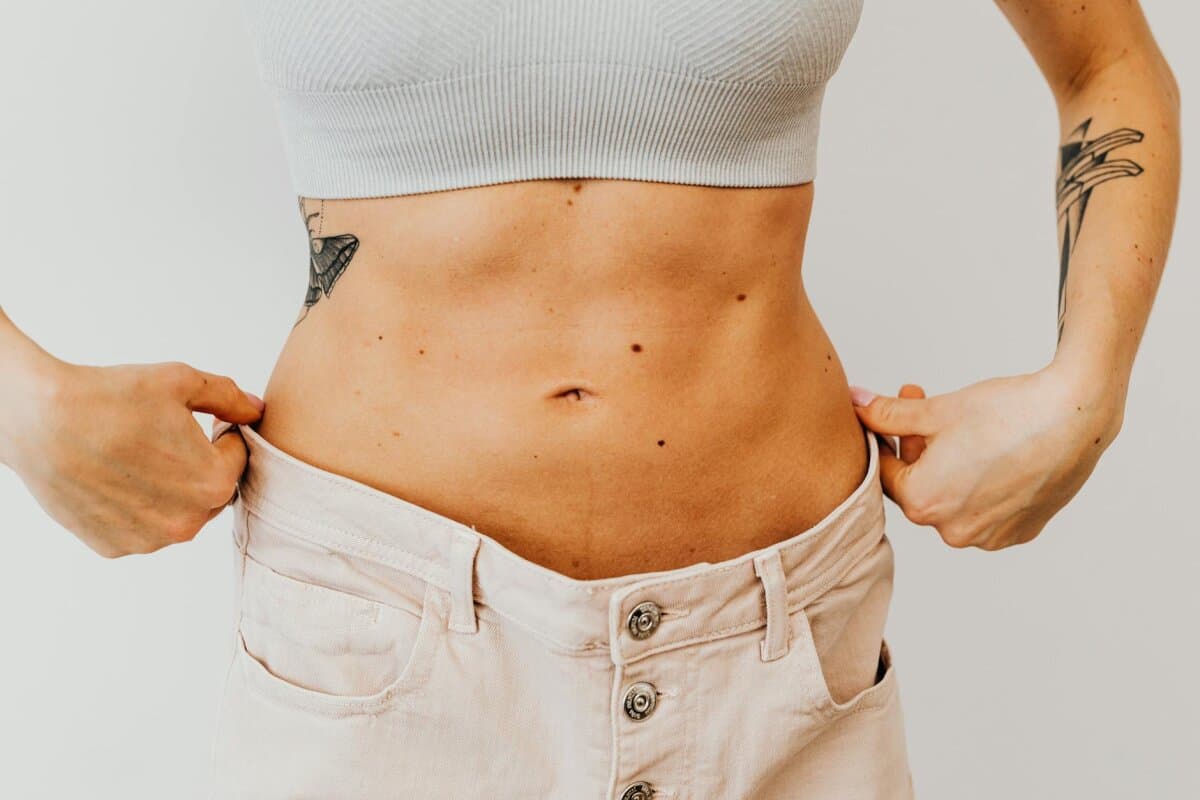
Why You Look Softer at the Same Weight (And What It Means)
If you look softer at the same weight, the scale isn’t telling the full story. Changes in muscle mass, fat distribution, training intensity, and recovery can dramatically affect how your body looks without changing the number you see. This article explains why it happens and what to focus on instead of weight alone.
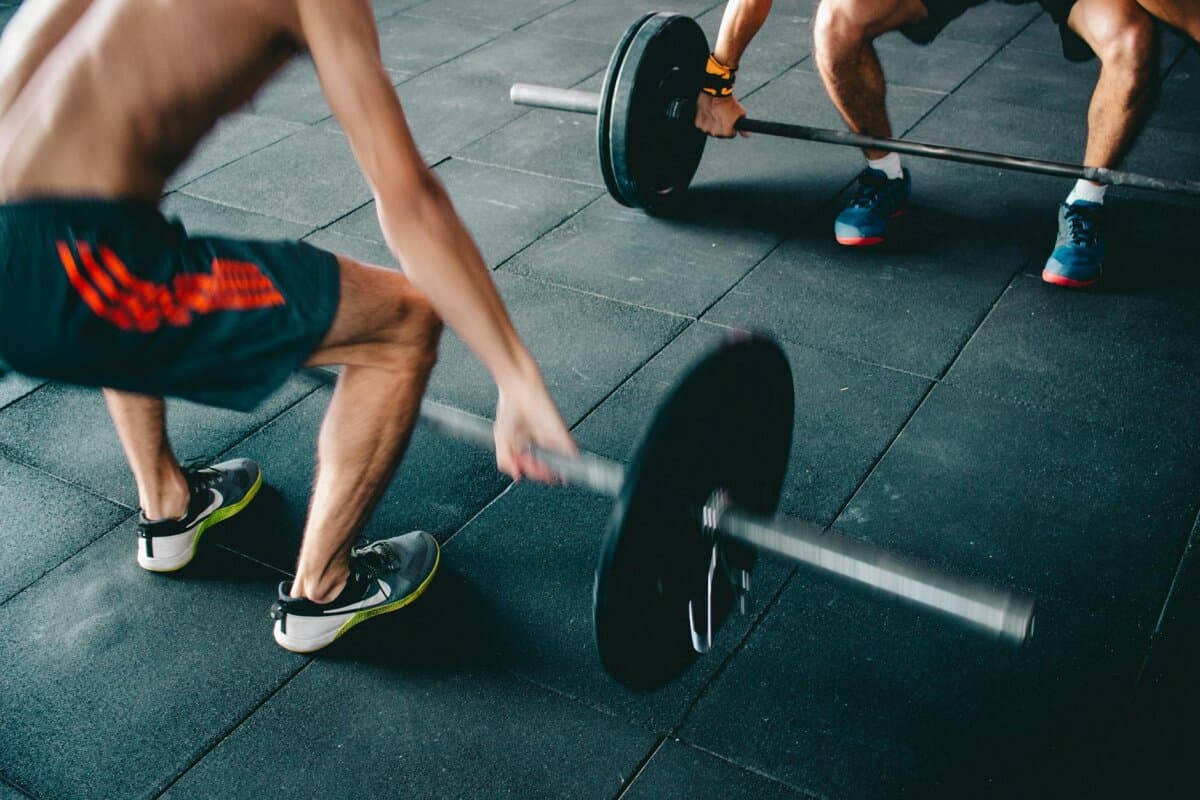
Cutting Calories vs Increasing Activity: What Works Better?
The debate between cutting calories and increasing activity is one of the most common questions in fat loss. While both play a role, science shows that a calorie deficit is the foundation of weight loss. This article breaks down the pros and cons of each approach and explains why combining diet and activity leads to the most sustainable results.