Photos for Progress: How to Track Fitness Changes Accurately

Photos for Progress: How to Track Fitness Changes Accurately
You’re training consistently. Your nutrition is dialed in. But the scale? It barely moves. Sound familiar? This is one of the most common and frustrating moments in a fitness journey. Body weight alone often fails to reflect what’s really happening beneath the surface, especially when fat loss and muscle gain occur at the same time.
That’s where fitness progress photos earn their place. Used correctly, they provide clear, visual evidence of physical changes that numbers can miss. Not hype. Not guesswork. Just data you can actually see.
This guide breaks down how to use progress photos accurately and objectively. From setup and timing to poses, psychology, and pairing photos with real measurements, you’ll learn how to turn simple pictures into one of the most reliable tools in your fitness tracking toolbox.
Why Progress Photos Matter for Fitness Tracking
Progress photos matter because the human body rarely changes in a straight line. Scale weight fluctuates daily due to hydration, sodium intake, glycogen storage, and hormonal shifts. Visual changes, however, tell a different story.
Photos capture changes in body composition fat loss, muscle gain, and even posture improvements that aren’t always reflected by body weight. This is especially relevant during recomposition phases, where lean mass increases while fat mass decreases. The scale stays flat, but your physique does not.
Fitness professionals rely on progress photos for this reason. Personal trainers, strength coaches, and physique specialists routinely use standardized images to evaluate client progress over time. Not for aesthetics alone, but to assess symmetry, muscular development, and fat distribution.
Consider common compound lifts like the Barbell Full Squat or the Barbell Deadlift. Improvements in these movements often lead to visible changes in glute development, leg density, and posterior-chain thickness. Those adaptations show up clearly in side and rear photos long before the scale reacts.
Upper-body training tells a similar story. Consistent pressing and pulling think Barbell Bench Press and Pull-Up variations can reshape the chest, shoulders, and back. Width, depth, and muscular separation are visual markers. Photos capture them. The scale does not.
In short, progress photos provide context. They help you see changes that numbers alone cannot explain.
Standardization: The Foundation of Accurate Progress Photos
Progress photos only work if they are consistent. Without standardization, comparisons become unreliable and misleading. Small variations lighting, camera height, distance can dramatically alter how your physique appears.
Think of each photo session as a controlled experiment. The fewer variables you change, the more confident you can be that visible differences reflect real physical adaptations rather than photography tricks.
Lighting, Camera Setup, and Environment
Lighting is the single most influential variable. Overhead lighting creates shadows that exaggerate muscular definition. Soft, diffused lighting flattens contours. Neither is inherently wrong, but switching between them ruins consistency.
Choose a well-lit room with even lighting and use it every time. Natural light from a window can work if it’s consistent, but time-of-day changes often make artificial lighting more reliable.
Place the camera at chest height, perpendicular to the floor. Avoid angled shots. Distance matters too stand the same number of steps away from the camera each session. Marking the floor with tape sounds excessive, but it eliminates guesswork.
Use a neutral background whenever possible. Busy or cluttered backgrounds distract the eye and make comparisons harder.
Time of Day, Hydration, and Weekly Variability
Take photos at the same time of day, ideally in the morning after using the restroom and before eating. This minimizes the effects of food volume, water retention, and daily swelling.
Hydration status can change how lean or soft you appear, even within 24 hours. Sodium intake, carbohydrate levels, and sleep all play a role. That’s normal physiology. Consistency reduces its impact.
Weekly variability is another reason frequent photos can mislead. One week of poor sleep or higher stress can blur visible progress. Longer intervals smooth out this noise.
Poses and Clothing That Reveal Real Changes
What you wear and how you stand matter more than most people realize. The goal is not to look impressive in a single photo. It’s to reveal change over time.
For accuracy, neutral, relaxed poses outperform flexing. Flexing introduces inconsistency and exaggeration, making objective comparison difficult. Relaxed posture shows true tissue changes.
Front, Side, and Back: What Each Angle Shows
Front view photos highlight chest development, shoulder width, arm size, and abdominal changes. They also reveal left-to-right symmetry, which is valuable for identifying imbalances.
Side view images show posture, spinal alignment, abdominal protrusion, and glute development. Fat loss around the waist and lower back often appears here first.
Back view photos capture lat width, upper-back thickness, and posterior-chain development. For anyone emphasizing pulling movements like rows and pull-ups, this angle is indispensable.
Clothing should be minimal and consistent. For men, fitted shorts without a shirt are common. For women, a sports bra and shorts work well. Loose clothing hides changes. Compression garments exaggerate them. Choose something neutral and repeatable.
How Often to Take Progress Photos
More photos do not equal better data. In fact, they often do the opposite.
Most fitness professionals recommend taking progress photos every two to four weeks. This interval aligns with realistic physiological timelines for fat loss and muscle gain. Changes worth tracking take time.
Daily or weekly photos amplify normal fluctuations and encourage over-analysis. One week of water retention can erase visible definition. The next week, it returns. That cycle tells you nothing about long-term progress.
During fat loss phases, four-week intervals often provide the clearest visual contrast. During hypertrophy-focused phases, where scale weight may increase, two- to three-week intervals can help track muscular development without obsessing.
Patience here is not just psychological. It’s methodological.
Pairing Progress Photos With Objective Measurements
Photos are powerful, but they are still subjective. Pairing them with quantitative measurements improves accuracy and reduces bias.
Visual perception is influenced by expectations, mood, and comparison points. Numbers provide a counterbalance. Together, they create a clearer picture of progress.
Simple At-Home Metrics That Complement Photos
Waist and hip circumference measurements are among the most practical tools available. They are inexpensive, repeatable, and closely correlated with fat loss trends.
Skinfold measurements, when performed consistently by the same person, can add useful context. Bioelectrical impedance scales offer convenience, though individual readings should be interpreted cautiously.
Advanced tools like DEXA scans provide detailed body composition data but are rarely necessary for recreational lifters. When used, they are best applied periodically, not frequently.
Tracking strength performance alongside photos is also valuable. Visible changes paired with improved lifts often confirm meaningful adaptation.
Psychological Considerations and Digital Tracking Tools
Progress photos influence motivation for better or worse. When framed objectively, they reinforce adherence and patience. When used emotionally, they can undermine both.
Psychological research suggests that visual tracking enhances motivation when it highlights trends rather than short-term appearance. This means reviewing photos in sequences, not isolation.
Comparing yourself to others, or even to your own “best” photo, often distorts perception. Photos are feedback, not judgment.
Digital fitness platforms increasingly integrate photo logging with metadata such as date, body weight, training phase, and notes. This context reduces recall bias and supports long-term analysis.
Used well, these tools turn images into data points instead of emotional triggers.
Using Progress Photos the Right Way
Progress photos are one of the most effective tools available for tracking fitness changes when used correctly. They reveal body composition shifts the scale cannot, especially during recomposition and long-term training phases.
Consistency is the foundation. Standardized lighting, poses, timing, and clothing turn simple images into reliable data. Pairing photos with objective measurements adds clarity and reduces bias.
Above all, progress photos work best when viewed patiently and objectively. They are not a verdict on effort or worth. They are information.
Use them as feedback. Let them guide decisions. And give your body the time it needs to change.
Frequently Asked Questions
Related Articles
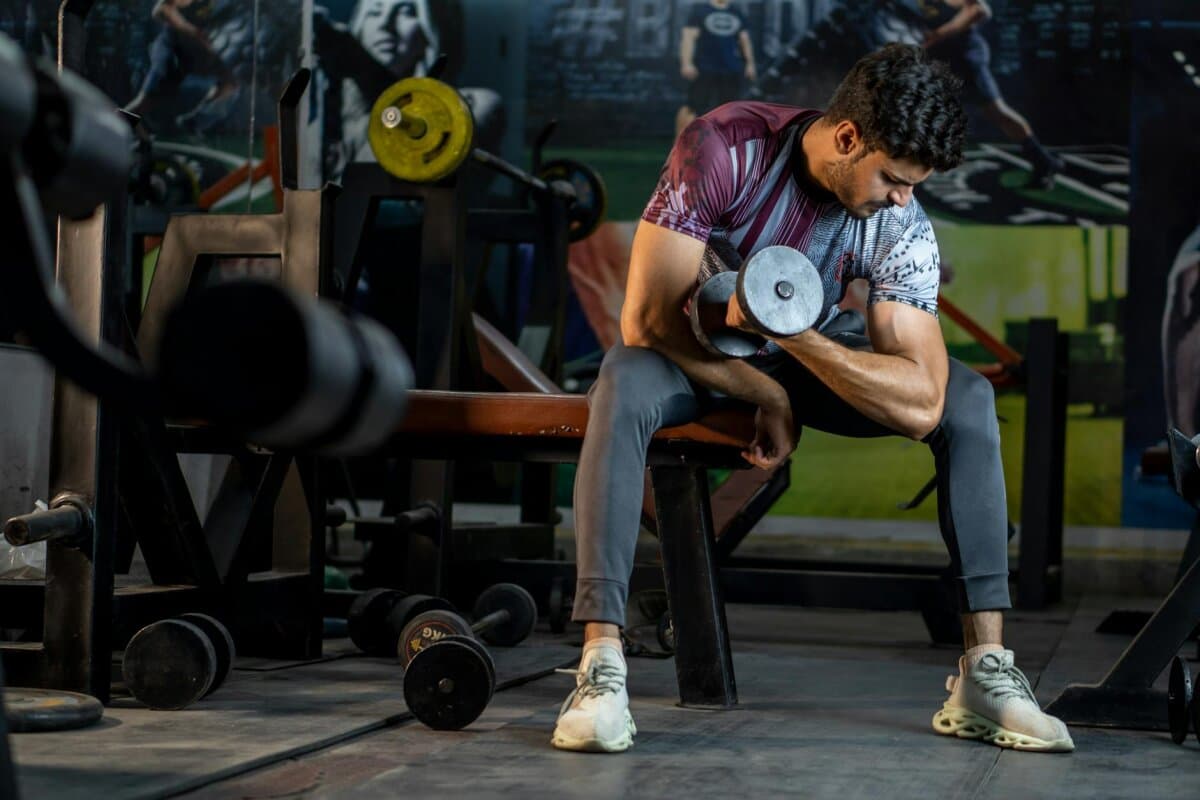
Shredding Naturally: How Lean Is Realistically Achievable?
Social media often promotes shredded physiques that aren’t realistic for natural lifters. This article breaks down what “shredded” really means, the natural limits of leanness, and the health trade-offs involved. Learn how lean you can realistically get without drugs and how to set sustainable, evidence-based expectations.

Lean Muscle vs Scale Weight: What Should You Prioritize?
The bathroom scale doesn’t always reflect real fitness progress. This article breaks down the difference between lean muscle and scale weight, explains why the scale can be misleading, and shows you how to choose the right metric based on your goals. Learn how to track progress smarter and stay motivated long term.
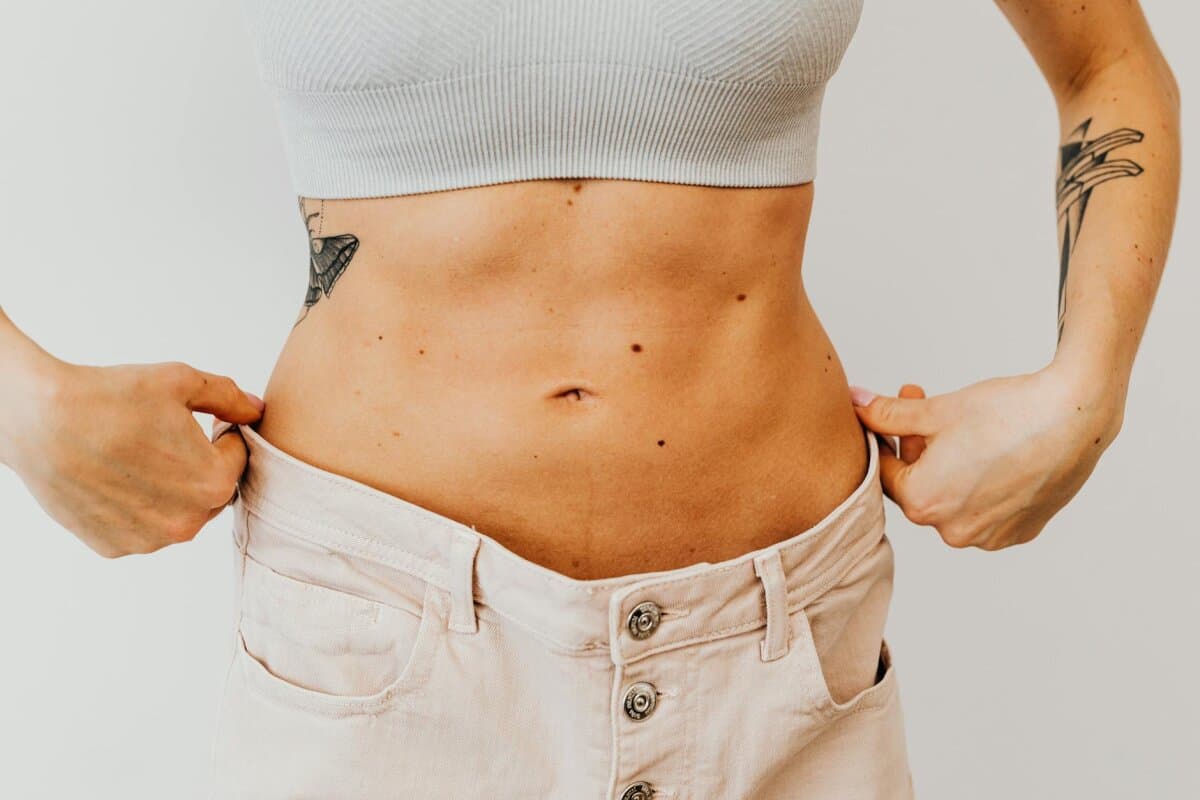
Why You Look Softer at the Same Weight (And What It Means)
If you look softer at the same weight, the scale isn’t telling the full story. Changes in muscle mass, fat distribution, training intensity, and recovery can dramatically affect how your body looks without changing the number you see. This article explains why it happens and what to focus on instead of weight alone.
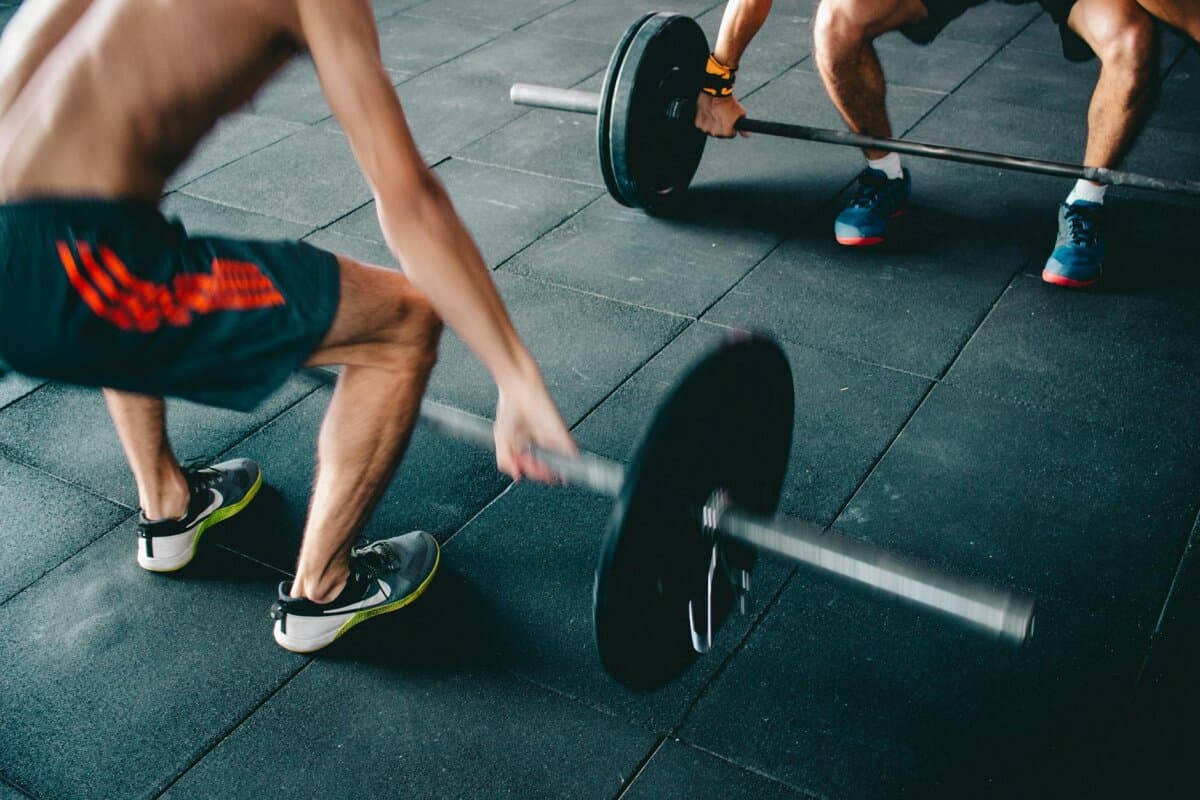
Cutting Calories vs Increasing Activity: What Works Better?
The debate between cutting calories and increasing activity is one of the most common questions in fat loss. While both play a role, science shows that a calorie deficit is the foundation of weight loss. This article breaks down the pros and cons of each approach and explains why combining diet and activity leads to the most sustainable results.