Fish Oil Dosage for Lifters: How Much Omega-3 Do You Need?

Fish oil is one of those supplements almost every lifter has tried at some point. It sits next to protein powder and creatine in gym bags everywhere. But here’s the problem ask five lifters how much fish oil they take, and you’ll probably get five completely different answers. One guy swallows a single capsule and calls it a day. Another downs half a handful because he heard “more is better.”
So what’s actually right? And more importantly, what matters if you lift heavy?
The biggest mistake is focusing on total fish oil milligrams instead of the two omega-3s that actually do the work: EPA and DHA. Once you understand that distinction, dosage suddenly makes a lot more sense.
Let’s clear up the confusion and break down evidence-based omega-3 dosing for recovery, joint comfort, and long-term performance no fluff, no supplement hype.
What Are Omega-3s and Why Lifters Should Care
Omega-3 fatty acids are a type of polyunsaturated fat. You’ll hear about three main ones: ALA (from plants), EPA, and DHA. For lifters, EPA and DHA are the stars of the show. They’re the forms found in fish oil, and they’re the ones linked to inflammation control, joint health, and recovery.
Most modern diets are loaded with omega-6 fats from vegetable oils, processed foods, and restaurant meals. That’s not inherently bad, but when omega-6 intake massively outweighs omega-3s, inflammation tends to run higher. And if you train hard, you already create plenty of inflammation under the bar.
EPA vs DHA: The Active Ingredients That Matter
Here’s where lifters get tripped up. A bottle might say “1,000 mg fish oil” per capsule. Sounds solid, right? But flip the label and you’ll often see something like 180 mg EPA and 120 mg DHA.
That means only 300 mg of that capsule actually counts toward your omega-3 intake. The rest is just carrier fat.
EPA is especially tied to inflammation modulation and joint comfort. DHA plays a bigger role in brain and nervous system function, which matters more than people realize for strength output and coordination. Together, they’re what you should be tracking.
Why Fish Oil Is Popular in Strength Training Circles
Heavy lifting beats you up. There’s no way around it. High-volume squats, heavy pulls, and pressing multiple times per week add up especially if you’re running programs with real intensity.
Lifters turn to fish oil because it’s one of the few supplements that supports recovery without blunting adaptations when used at reasonable doses. And yeah, plenty of people start taking it simply because their elbows or knees are cranky. Been there.
Benefits of Omega-3s for Strength Training and Recovery
Omega-3s don’t work like caffeine or pre-workout. You won’t “feel” them kicking in. Their benefits show up quietly over time less stiffness, smoother recovery, and joints that don’t complain as loudly after hard sessions.
Omega-3s and Joint Stress From Heavy Lifting
Compound lifts like the Barbell Full Squat, Barbell Deadlift, and Barbell Bench Press place massive stress on connective tissue. Tendons and joints don’t recover as fast as muscles, especially as training age climbs.
EPA and DHA help regulate inflammatory pathways tied to joint irritation. That doesn’t mean they erase pain but many lifters notice their joints feel less “grindy” after a few consistent weeks.
Recovery, Soreness, and Training Frequency
Hard training creates microtrauma. That’s the point. Omega-3s may help manage excessive inflammation so recovery stays on track, especially if you train frequently.
If you’re lifting four, five, even six days per week, recovery becomes the limiting factor. Fish oil won’t replace sleep or calories, but it can support the process in the background. Subtle, but real.
There’s also emerging evidence suggesting omega-3s may support muscle protein synthesis in certain populations. It’s not magic. But every small edge adds up when training is consistent.
Fish Oil Dosage Guidelines for Lifters
This is where things finally get practical. Dosage depends on what you’re using fish oil for and how hard you train.
General Fitness vs High-Volume Training Dosage
For general health, many organizations recommend around 250 500 mg of combined EPA and DHA per day. That’s fine for sedentary adults.
But lifters aren’t sedentary. Training creates more inflammation, more joint stress, and higher recovery demands. As training volume and intensity increase, omega-3 needs tend to rise with them.
Recommended EPA+DHA Ranges for Lifters
Based on current research and real-world application:
- Recreational lifters: 1 2 grams (1,000 2,000 mg) of combined EPA + DHA per day
- High-volume or advanced trainees: Up to 3 grams (3,000 mg) per day
This range covers most people training hard in the gym. Going higher than 3 grams daily should be done cautiously and usually isn’t necessary unless supervised by a healthcare professional.
And no you don’t need to cycle fish oil. Consistency matters far more than short-term loading.
How to Read Fish Oil Supplement Labels Correctly
If you’ve ever stood in a supplement aisle squinting at tiny text, you’re not alone. Labels can be intentionally confusing.
Why Total Fish Oil Milligrams Can Be Misleading
The front of the bottle might scream “2,000 mg fish oil!” But always check the Supplement Facts panel.
Look for:
- Serving size (often 2 capsules)
- EPA per serving
- DHA per serving
Add EPA and DHA together. That’s your real dosage.
For example, if one serving provides 600 mg EPA and 400 mg DHA, that’s 1,000 mg total omega-3s. Solid. But if you only take one capsule instead of the full serving, cut that number in half.
Also watch for “proprietary blends” or vague labeling. Transparency matters.
Timing, Consistency, and How to Take Fish Oil
Fish oil doesn’t work acutely. It incorporates into cell membranes over time. Translation? Timing is way less important than showing up every day.
Is There a Best Time to Take Fish Oil?
Not really. Take it when you’ll remember.
Most people do best taking fish oil with meals especially meals that contain fat. That improves absorption and reduces the risk of fishy burps. If you’re taking higher doses, splitting them between two meals can be easier on digestion.
Morning and night. Lunch and dinner. Doesn’t matter. Just be consistent.
Safety, Side Effects, and Quality Considerations
Fish oil is generally safe, but more isn’t always better.
Who Should Be Cautious With High-Dose Fish Oil
Omega-3s have mild blood-thinning effects. If you’re on anticoagulant medication, have a bleeding disorder, or are prepping for surgery, talk to a healthcare professional before pushing doses toward the upper end.
Common side effects include:
- GI discomfort
- Loose stools
- Fishy aftertaste (usually a quality issue)
Quality matters more than people think. Cheap, poorly stored fish oil can oxidize and rancid oil isn’t doing your health any favors. Look for third-party testing and proper storage recommendations.
Key Takeaways for Lifters Using Fish Oil
Fish oil isn’t flashy. It won’t add weight to your bar overnight. But used correctly, it supports the long game.
Focus on EPA and DHA, not total fish oil. Most lifters do well with 1 3 grams of combined EPA+DHA per day, depending on training volume. Take it consistently, with meals, and don’t overthink timing.
Your joints, recovery, and future self will thank you. Trust me on this.
Frequently Asked Questions
Related Articles

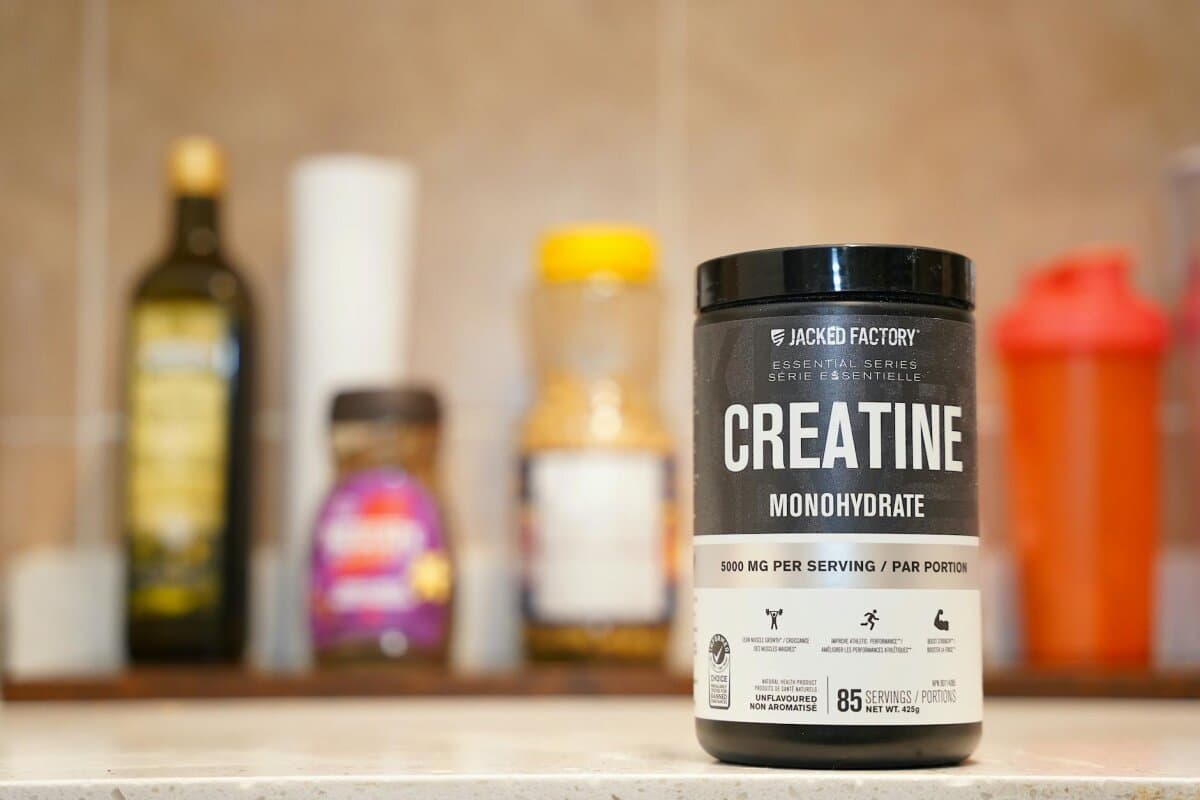
Creatine Monohydrate Guide: Dosage, Timing, and Safety
Creatine monohydrate is one of the most effective and well-researched supplements for strength, power, and muscle growth. This guide breaks down exactly how creatine works, how much to take, when to take it, and what the science says about long-term safety. Learn how to use creatine correctly for better performance and results.

Best Protein Powder 2026: Whey vs Isolate vs Plant
Protein powder continues to be a staple supplement for strength training and general fitness in 2026. This guide compares whey, whey isolate, and plant-based protein powders to help you choose the best option based on muscle growth, digestion, lifestyle, and dietary preferences.

Caffeine Tolerance: How to Reset It for Better Training
Caffeine is one of the most popular performance boosters in training, but daily use can quietly reduce its benefits. This article explains how caffeine tolerance develops and how it impacts strength, endurance, and focus. Learn proven strategies to reset caffeine tolerance and use it more effectively for long-term training progress.
Supplement Cycling Strategies to Avoid Workout Plateaus
Workout plateaus are often linked to overused supplements and rising tolerance. Supplement cycling is a smart strategy to restore effectiveness, protect recovery, and support long-term performance. Learn which supplements to cycle, which to keep consistent, and how to align them with your training goals.