How to Build a Minimal Supplement Stack on a Budget

How to Build a Minimal Supplement Stack on a Budget
Walk into any supplement store or scroll fitness social media for five minutes and it hits you fast. Pre-workouts with neon labels. Fat burners promising magic. Influencers stacking ten products like it’s normal. Confusing? Yeah. Expensive? Definitely.
Here’s the truth most people don’t want to say out loud: you don’t need most of that stuff. Not even close.
Supplements are exactly what the name implies. They supplement solid training, decent nutrition, and actual sleep. They don’t replace those things. And when money’s tight (which, let’s be honest, it often is), a minimalist, evidence-based approach isn’t just smarter it’s freeing.
Let’s break down how to build a minimal supplement stack that actually works, supports your training, and doesn’t wreck your bank account. No hype. No fluff. Just what matters.
What Is a Supplement Stack (and What It Isn’t)
A supplement stack is simply a small group of supplements taken together to support a specific goal like building muscle, improving strength, or boosting training energy.
Notice what I said there. Small group.
A real stack isn’t 12 different pills before breakfast. It’s a few well-chosen basics that fill gaps your diet or lifestyle can’t easily cover. That’s it.
And this part matters: supplements don’t build muscle on their own. They don’t burn fat by themselves. They don’t make up for skipped workouts or five hours of sleep. They work with your training, not instead of it.
Think about heavy compound lifts like the Barbell Full Squat, the Barbell Bench Press, or the Barbell Deadlift. Progress there comes from consistent effort, calories, and recovery. Supplements just help you do those things a little better.
Why More Supplements Don’t Mean Better Results
This is where most people get tripped up. They assume more products equals faster gains.
In reality, supplements follow the law of diminishing returns. The first few protein, creatine, maybe caffeine deliver most of the benefit. After that? Each new product gives you less and less for your money.
That’s why seasoned lifters often use fewer supplements than beginners. They’ve already learned the hard lesson. And trust me on this your wallet will thank you for learning it early.
The Core Principles of Building a Budget-Friendly Stack
Before we even talk about specific supplements, you need a filter. Otherwise, marketing will eat you alive.
Here are the principles that keep things simple and affordable.
- Choose supplements with strong, consistent research behind them
- Prioritize cost per serving, not flashy branding
- Match supplements to your real needs, not someone else’s routine
Evidence First, Marketing Last
If a supplement has been around for decades, studied endlessly, and still recommended by coaches? That’s a good sign.
If it’s brand-new, trademarked, and sounds like it came from a sci‑fi movie… be skeptical. Most budget-friendly supplements are boring by design. And boring usually means effective.
Consistency Beats Complexity
You know what works better than a complicated stack you forget to take? A simple one you use every day.
Taking creatine consistently for months will do more for your strength than cycling three trendy products inconsistently. Always.
The Foundational Supplements That Actually Work
This is the core. For most gym-goers especially beginners and intermediates these four cover nearly everything you need.
No filler. No nonsense.
Protein Powder: Affordable Muscle Support
Protein powder isn’t magic. It’s just food in a convenient form. But that convenience matters.
If you struggle to hit your daily protein intake especially on busy days a simple whey or plant-based protein can be a lifesaver. It supports muscle repair, growth, and recovery. Plain and simple.
You don’t need fancy blends or added enzymes. A basic whey concentrate or isolate works just fine.
- Recommended dose: Enough to help you reach ~0.7 1g of protein per pound of bodyweight daily
- Timing: Whenever it fits post-workout, between meals, or on the go
- Typical monthly cost: $25 40
And yes, you can build muscle without protein powder. But on a budget? It’s often cheaper than trying to get everything from meat alone.
Creatine Monohydrate: The Gold Standard for Strength
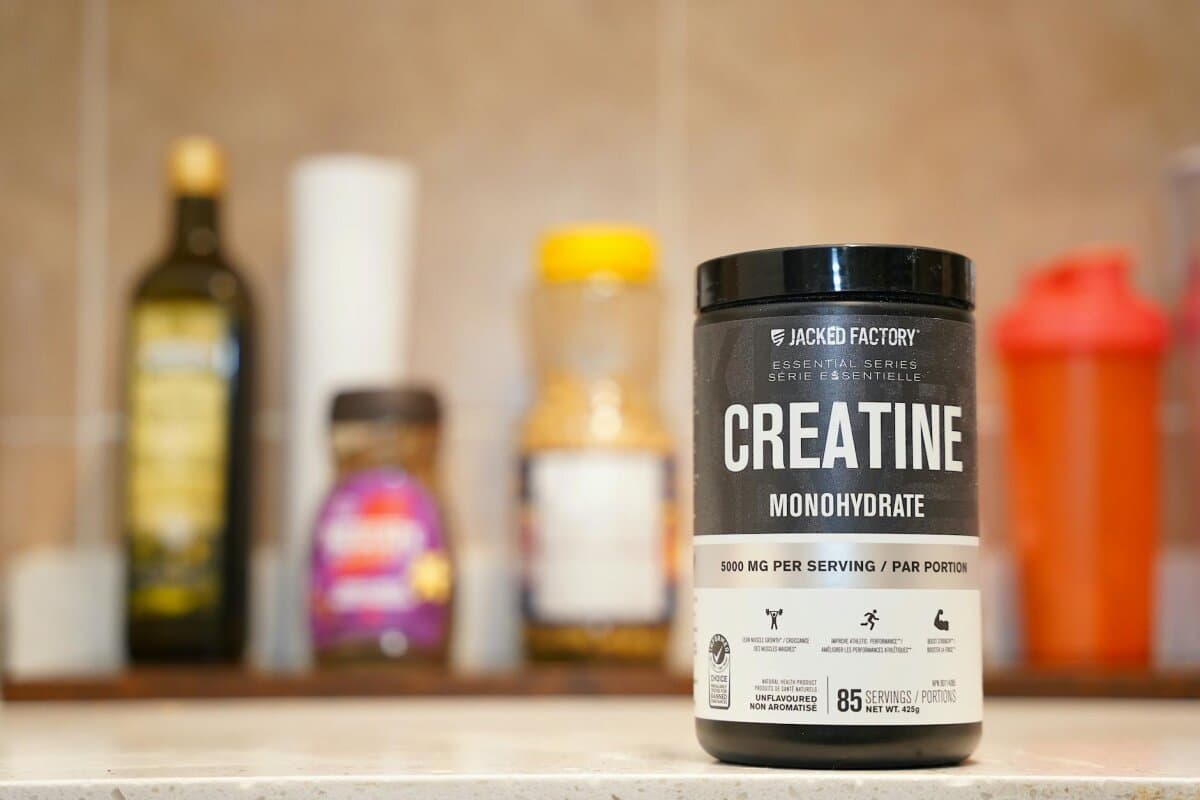
If there’s one supplement that punches way above its price, it’s creatine monohydrate.
Creatine helps your muscles produce energy during short, intense efforts think heavy sets, extra reps, and slightly better performance session after session. Over time, that adds up.
It’s been studied more than almost any supplement on the market. Safe. Effective. Cheap.
If you’re training hard whether that’s grinding out Pull-Ups or pushing heavier deadlifts creatine supports that effort.
- Recommended dose: 3 5g daily
- Timing: Anytime; consistency matters more than timing
- Typical monthly cost: $5 10
No loading phase required. No cycling needed. Just take it.
Caffeine: Performance and Focus on a Budget
Caffeine is one of the most effective performance enhancers available. Period.
It improves focus, reduces perceived effort, and can help you push harder in training. That’s why it’s a staple in almost every pre-workout.
Here’s the budget hack: you don’t need pre-workout.
Coffee. Caffeine pills. Even strong tea. Same effect, fraction of the cost.
- Recommended dose: 100 200mg pre-workout
- Timing: 30 60 minutes before training
- Typical monthly cost: $3 10
Just be smart. Don’t rely on it daily if your sleep is already struggling.
Multivitamin or Vitamin D: Covering Basic Health Gaps
This one’s about insurance.
If your diet isn’t perfect (whose is?), a basic multivitamin can help cover micronutrient gaps. Vitamin D, in particular, is worth considering especially if you don’t get much sun.
We’re not chasing superhuman health here. Just supporting the basics so your training doesn’t suffer.
- Recommended dose: As listed on the label
- Timing: With food
- Typical monthly cost: $5 15
Adjusting Your Minimal Stack Based on Your Fitness Goals
Different goals. Same foundation.
The beauty of a minimalist stack is that you rarely need to add more just adjust expectations.
Muscle Gain and Strength Training
If your focus is getting stronger and building muscle, protein and creatine do most of the heavy lifting. Pair that with solid training like progressing your squat, bench, and deadlift and you’re covered.
No need to chase muscle pumps in a bottle.
Fat Loss and Body Recomposition
Fat loss comes down to calories and consistency. Supplements don’t change that.
Protein helps preserve muscle while dieting. Caffeine can support training intensity when energy dips. That’s enough.
General Fitness and Longevity
If your goal is staying active, healthy, and strong long-term, keep it simple. Protein for muscle maintenance. Vitamin D or a multivitamin for basic health. Train regularly. Walk more.
That’s a winning combo.
Common Budget-Wasting Supplement Mistakes to Avoid
This is where a lot of money disappears.
Red Flags on Supplement Labels
- Proprietary blends that don’t list exact dosages
- Dozens of ingredients at tiny amounts
- Influencer-branded products with premium prices
- Promises that sound too good to be true
If you can’t tell how much of an ingredient you’re getting, assume it’s underdosed.
And remember if a supplement actually worked dramatically, everyone would already be using it.
How to Save Money When Buying Supplements
Being budget-conscious doesn’t mean buying junk. It means buying smart.
Simple Habits That Add Up to Big Savings
- Compare cost per serving, not total price
- Buy powders instead of capsules when possible
- Choose third-party tested products
- Buy in bulk if you know you’ll use it
And don’t be afraid of generic brands. Many use the same raw ingredients as big names just without the marketing markup.
Final Thoughts: Keep It Simple, Keep It Effective
You don’t need an expensive supplement stack to make progress. You never did.
A minimal stack protein, creatine, caffeine, and basic micronutrient support covers nearly everything most people need. The rest of your results come from training hard, eating enough, and recovering like it matters. Because it does.
Save your money for quality food, a gym membership you actually use, and time to recover. Stay consistent. Be patient.
That’s how real progress is built.
Frequently Asked Questions
Related Articles

Creatine Monohydrate Guide: Dosage, Timing, and Safety
Creatine monohydrate is one of the most effective and well-researched supplements for strength, power, and muscle growth. This guide breaks down exactly how creatine works, how much to take, when to take it, and what the science says about long-term safety. Learn how to use creatine correctly for better performance and results.
Best Protein Powder 2026: Whey vs Isolate vs Plant
Protein powder continues to be a staple supplement for strength training and general fitness in 2026. This guide compares whey, whey isolate, and plant-based protein powders to help you choose the best option based on muscle growth, digestion, lifestyle, and dietary preferences.

Caffeine Tolerance: How to Reset It for Better Training
Caffeine is one of the most popular performance boosters in training, but daily use can quietly reduce its benefits. This article explains how caffeine tolerance develops and how it impacts strength, endurance, and focus. Learn proven strategies to reset caffeine tolerance and use it more effectively for long-term training progress.
Supplement Cycling Strategies to Avoid Workout Plateaus
Workout plateaus are often linked to overused supplements and rising tolerance. Supplement cycling is a smart strategy to restore effectiveness, protect recovery, and support long-term performance. Learn which supplements to cycle, which to keep consistent, and how to align them with your training goals.