How to Reduce Body Fat Percentage Without Starving

How to Reduce Body Fat Percentage Without Starving
There’s a stubborn belief in the fitness world that lowering your body fat means constant hunger, drained workouts, and white-knuckling your way through the day. And honestly? Many people have lived that experience. Crash diets, aggressive calorie cuts, and endless cardio sessions can certainly move the scale but often at the cost of muscle mass, hormonal health, and long-term adherence.
But reducing body fat percentage is a different goal altogether. It’s about improving body composition, not just weighing less. And the good news is this: with the right strategy, you can lose fat without feeling deprived, exhausted, or trapped in a cycle of restriction and rebound. Let’s break down how that actually works, using evidence-based principles that prioritize sustainability.
Understanding Body Fat Percentage vs. Weight Loss
Why Losing Weight Isn’t the Same as Losing Fat
Body weight is a blunt tool. It reflects everything in your body fat mass, muscle, water, glycogen, even the food you ate yesterday. When you slash calories aggressively, weight often drops fast, but a significant portion of that loss comes from lean tissue and water, not body fat.
Body fat percentage, on the other hand, represents the proportion of your total weight that comes from fat tissue. Reducing this number requires either losing fat, gaining muscle, or ideally a combination of both. That’s why two people at the same body weight can look and perform completely differently.
How Muscle Mass Influences Body Fat Percentage
Muscle is metabolically active tissue. Maintaining or even slightly increasing muscle mass raises resting energy expenditure and improves insulin sensitivity. More importantly, it allows you to maintain strength, performance, and overall function while dieting.
This is where body recomposition comes into play. Especially for recreational gym-goers and intermediate trainees, it’s possible to lose fat while preserving lean mass if training, nutrition, and recovery are aligned. The scale might move slowly. But your waist, strength levels, and how your clothes fit often tell a much more encouraging story.
Create a Sustainable Caloric Deficit (Without Starving)
What a Healthy Caloric Deficit Actually Looks Like
Fat loss does require a caloric deficit. There’s no way around that. But the size of that deficit matters far more than most people realize. Research consistently shows that a modest deficit roughly 10 20% below maintenance is more effective for long-term fat loss than severe restriction.
This approach supports metabolic rate, preserves lean mass, and makes adherence far more realistic. You’re still fueling training sessions. You’re still recovering. And you’re far less likely to experience the compensatory drop in energy expenditure that often follows extreme dieting.
Signs You’re Eating Too Little
Chronic under-eating doesn’t always feel dramatic at first. But over time, it shows up in predictable ways:
- Persistent fatigue and declining workout performance
- Loss of strength despite consistent training
- Disrupted sleep and increased irritability
- Constant preoccupation with food
- Plateaued fat loss despite further calorie cuts
If several of these sound familiar, more restriction is rarely the answer. Often, restoring intake slightly while tightening food quality and training structure moves progress forward again.
Optimize Nutrition for Fat Loss and Muscle Retention
Why Protein Is Non-Negotiable for Fat Loss
Adequate protein intake is one of the strongest predictors of successful fat loss without muscle loss. Intake in the range of 1.6 2.2 grams per kilogram of body weight is well supported in the literature for individuals dieting while training.
Protein supports muscle protein synthesis, increases satiety, and has a higher thermic effect than carbohydrates or fats. Practically speaking, it helps you feel full while protecting the tissue you’ve worked hard to build.
Fiber, Micronutrients, and Satiety
Food quality matters not because of “clean eating” rules, but because fiber and micronutrient density directly influence hunger and adherence. Diets rich in vegetables, fruits, whole grains, and legumes tend to be more filling per calorie.
This allows you to maintain a caloric deficit without feeling deprived. It also supports gut health, glucose regulation, and overall metabolic function.
Avoiding the Trap of Overly Restrictive Diets
Eliminating entire macronutrients or food groups can work short term, but it often backfires. Balanced macronutrient distribution tailored to training demands and personal preference is far more sustainable.
Carbohydrates support training performance. Fats support hormonal health. Protein preserves lean mass. When all three are present in reasonable amounts, fat loss becomes far less psychologically taxing.
Train to Lose Fat, Not Muscle
The Role of Resistance Training in Fat Loss
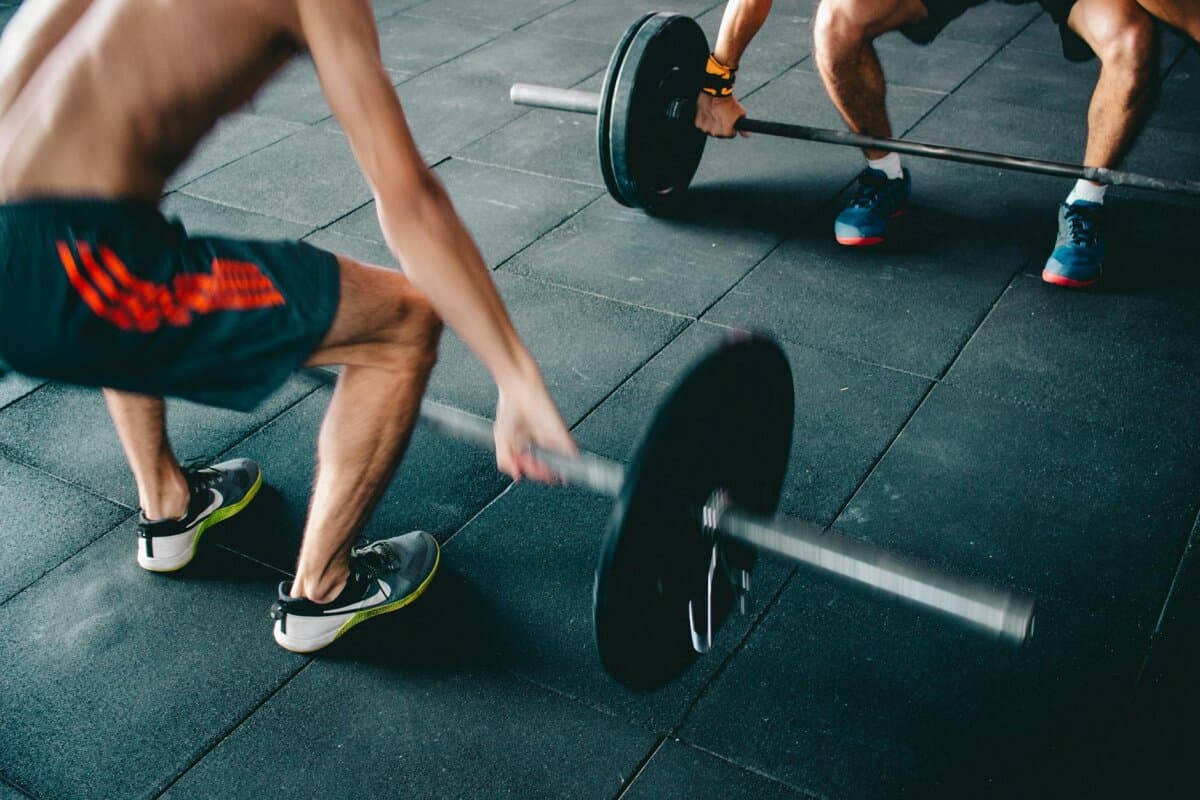
If your goal is to reduce body fat percentage, resistance training isn’t optional. It’s the primary signal that tells your body to hold onto muscle during a caloric deficit.
Compound movements that recruit large muscle groups increase total energy expenditure and stimulate muscle maintenance across the body. Exercises like the Barbell Full Squat, Barbell Deadlift, and Push-Up remain staples for a reason.
Effective Exercises for Body Recomposition
Multi-joint lifts provide the most return on investment during fat loss phases. They allow you to train hard without excessive volume and support strength retention.
Upper- and lower-body compounds, supplemented with targeted accessory work, tend to strike the right balance between stimulus and recovery. The goal isn’t to annihilate yourself it’s to maintain performance while gradually leaning out.
Sample Training Structures That Support Fat Loss
For most intermediate trainees, three to five resistance sessions per week work well. Full-body programs or upper/lower splits are particularly effective when calories are slightly reduced.
Consistency matters more than novelty here. Progression maintaining loads, reps, or total volume signals muscle preservation even when calories are lower.
Use Cardio, Sleep, and Stress Management Strategically
How Much Cardio Is Enough?
Cardiovascular exercise can support fat loss, but more is not always better. Moderate-intensity steady-state cardio such as Running or Treadmill Running adds caloric expenditure without significantly interfering with recovery.
High-intensity interval training has its place, but excessive use can increase fatigue and compromise resistance training quality. Two to three cardio sessions per week is sufficient for most people.
Sleep, Stress, and Hormonal Impact on Body Fat
Sleep deprivation and chronic stress elevate cortisol levels, impair insulin sensitivity, and disrupt appetite-regulating hormones like leptin and ghrelin. The result? Increased hunger, reduced recovery, and stubborn fat loss plateaus.
Seven to nine hours of quality sleep isn’t a luxury it’s part of the fat loss plan. Stress management strategies, whether that’s walking, structured downtime, or simply better schedule boundaries, directly support body composition outcomes.
Measure Progress Without Obsessing Over the Scale
Smarter Ways to Track Fat Loss Progress
The scale provides data, but it shouldn’t dictate decisions in isolation. Daily fluctuations often mask real progress, especially when training volume is high.
More useful metrics include:
- Trends in body fat percentage (measured consistently)
- Strength performance in key lifts
- Waist and hip circumference measurements
- Progress photos taken under similar conditions
Patience is part of the process. Sustainable fat loss rarely looks dramatic week to week but over months, the changes are unmistakable.
Sustainable Fat Loss Is Built, Not Starved
Reducing body fat percentage does not require chronic hunger or extreme dieting. In fact, those approaches often undermine the very outcomes people are chasing.
A modest caloric deficit, sufficient protein intake, resistance-focused training, strategic cardio, and proper recovery form the foundation of long-term success. When progress is measured thoughtfully and expectations are realistic, fat loss becomes something you build not something you endure.
Focus on performance. Protect your muscle. Eat enough to train and recover. Over time, body fat follows.
Frequently Asked Questions
Related Articles

Shredding Naturally: How Lean Is Realistically Achievable?
Social media often promotes shredded physiques that aren’t realistic for natural lifters. This article breaks down what “shredded” really means, the natural limits of leanness, and the health trade-offs involved. Learn how lean you can realistically get without drugs and how to set sustainable, evidence-based expectations.

Lean Muscle vs Scale Weight: What Should You Prioritize?
The bathroom scale doesn’t always reflect real fitness progress. This article breaks down the difference between lean muscle and scale weight, explains why the scale can be misleading, and shows you how to choose the right metric based on your goals. Learn how to track progress smarter and stay motivated long term.

Why You Look Softer at the Same Weight (And What It Means)
If you look softer at the same weight, the scale isn’t telling the full story. Changes in muscle mass, fat distribution, training intensity, and recovery can dramatically affect how your body looks without changing the number you see. This article explains why it happens and what to focus on instead of weight alone.
Cutting Calories vs Increasing Activity: What Works Better?
The debate between cutting calories and increasing activity is one of the most common questions in fat loss. While both play a role, science shows that a calorie deficit is the foundation of weight loss. This article breaks down the pros and cons of each approach and explains why combining diet and activity leads to the most sustainable results.