Shredding Safely: How Lean Is Too Lean for Health & Performance?

Shredding Safely: How Lean Is Too Lean for Health & Performance?
In modern fitness culture, getting shredded is often treated like the ultimate badge of discipline. Visible abs. Paper-thin skin. That dry, peeled look that dominates social media feeds and bodybuilding stages. And sure, extreme leanness can be impressive. But here’s the part that rarely gets discussed with the same enthusiasm: being very lean is not the same thing as being healthy.
There’s a meaningful difference between short-term, competition-level conditioning and a body composition you can actually live in. One supports peak aesthetics for a moment. The other supports hormones, performance, and long-term well-being. This article is about finding that line and knowing when you’re stepping too far past it.
So let’s talk honestly about body fat, physiology, and what happens when the pursuit of leanness starts working against you.
Why Body Fat Matters More Than You Think
Body fat isn’t just stored energy. It’s an active, metabolically dynamic tissue that plays a direct role in hormone production, immune defense, temperature regulation, and even brain function. Strip away too much of it, and multiple systems start to feel the strain.
This is where a lot of aggressive cutting plans miss the mark. They treat fat as something to eliminate at all costs, rather than something to manage intelligently.
Essential vs. Aesthetic Body Fat
There’s a baseline level of fat your body requires to function normally. This is referred to as essential fat. In men, that’s roughly 3 5%. In women, closer to 10 13%, due to reproductive and hormonal needs.
Anything above that falls into storage fat, which is what most fat loss efforts target. The problem? Aesthetic goals often push people dangerously close to essential fat levels, especially when timelines are aggressive and recovery is ignored.
Below a certain threshold, the body doesn’t negotiate. It adapts defensively.
Cultural Pressures and the Lean Ideal
In the U.S. fitness scene, leanness is often equated with discipline, health, and even moral virtue. The leaner you are, the assumption goes, the more “dialed in” you must be.
But Instagram conditioning is not year-round conditioning. Many of the physiques we admire are captured at peak moments after dehydration, glycogen manipulation, and weeks of discomfort. Without context, that visual standard becomes misleading, and sometimes harmful.
How Lean Is Too Lean? Evidence-Based Body Fat Thresholds
So where does the research land? While individual tolerance varies, studies consistently show that maintaining extremely low body fat comes with measurable risks.
For most men, body fat levels below 5 6% are difficult to sustain without hormonal suppression. For women, that line tends to appear below 12 14%. These ranges are not arbitrary they’re based on observed disruptions in endocrine and metabolic function.
Male vs. Female Physiological Differences
Women are not just smaller men, physiologically speaking. Adequate body fat is closely tied to estrogen production, menstrual function, and bone health. When body fat drops too low, menstrual irregularities or amenorrhea are common and that’s a red flag, not a badge of commitment.
Men, on the other hand, often experience suppressed testosterone, reduced libido, and impaired recovery at very low body fat levels. Strength may hold for a while. Hormones usually don’t.
Short-Term Peak vs. Long-Term Maintenance
There’s an important distinction here. Extreme leanness can be achieved safely for short periods under controlled conditions, such as physique competitions. Maintaining it long term is another story.
Most competitive bodybuilders plan deliberate post-show recovery phases for a reason. Staying stage-lean year-round is not a realistic or healthy goal for the vast majority of people.
The Hormonal and Metabolic Costs of Extreme Shredding
When calorie intake stays low for too long, the body responds by conserving energy. Hormones shift. Metabolism slows. This isn’t a failure of willpower it’s biology.
Prolonged energy deficiency affects nearly every major hormonal system, including testosterone, estrogen, thyroid hormones, and cortisol. Over time, these changes compound.
RED-S: More Than an Athlete’s Problem
Relative Energy Deficiency in Sport (RED-S) describes a state where energy intake is insufficient to support both training demands and basic physiological function. Despite the name, it’s not limited to elite athletes.
Recreational lifters, endurance enthusiasts, and even general fat-loss clients can fall into RED-S territory when aggressive dieting persists without adequate recovery.
Consequences may include:
- Reduced metabolic rate
- Decreased bone mineral density
- Cardiovascular strain
- Impaired reproductive function
Metabolic Adaptation and Hormone Suppression
As body fat and energy availability drop, the thyroid downshifts. Resting energy expenditure declines. Cortisol rises. Muscle protein synthesis becomes less efficient.
This is why fat loss often stalls at very low body fat levels, even with strict adherence. The body is prioritizing survival, not aesthetics.
Performance, Recovery, and Mental Health at Very Low Body Fat
Leanness doesn’t just affect how you look. It directly impacts how you train, recover, and think.
Training Performance and Injury Risk
Low glycogen availability reduces training intensity and volume tolerance. Recovery slows. Connective tissues become more vulnerable. Overuse injuries become more common.
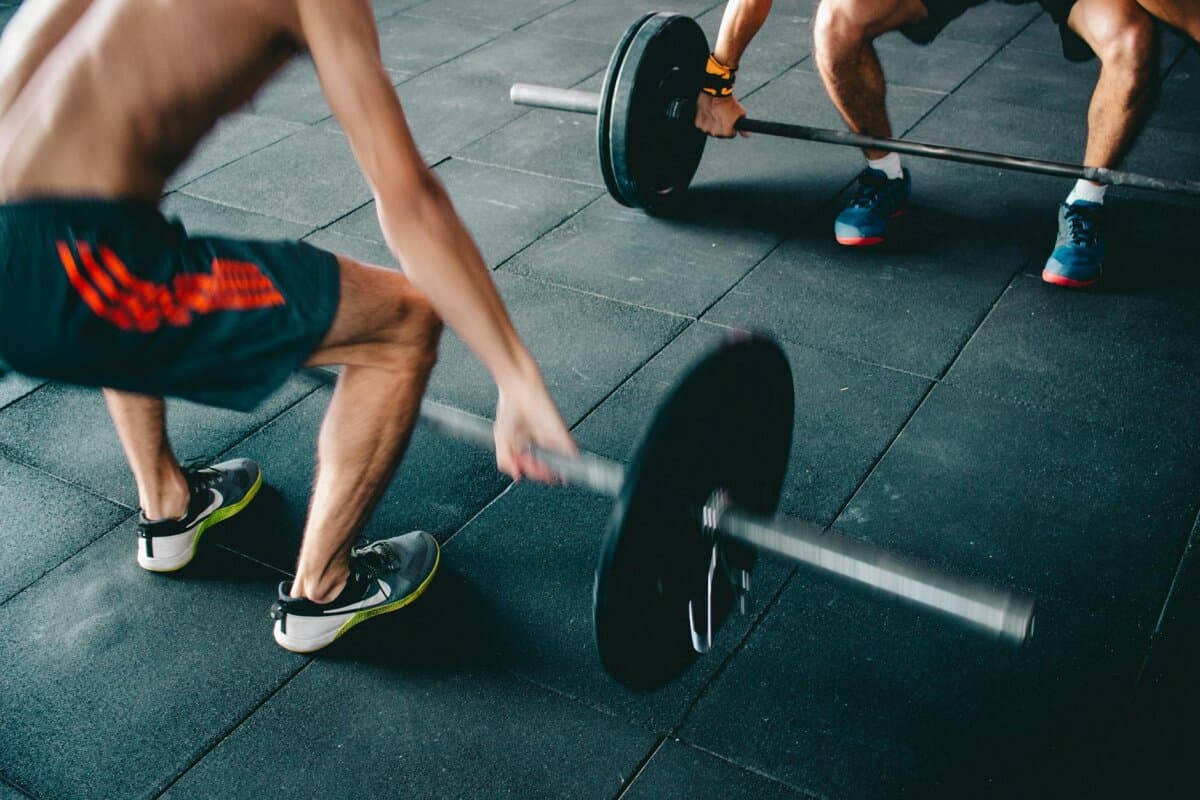
Heavy compound lifts like the Barbell Full Squat and Barbell Deadlift demand adequate energy availability. Without it, performance declines and so does the stimulus needed to retain lean mass.
The Mental Side of Shredding
Psychological effects are often underestimated. Prolonged cutting phases are associated with increased anxiety, irritability, food fixation, and rigid eating behaviors.
Cognitive performance can suffer as well. Decision-making, focus, and emotional regulation all depend on adequate fuel. When energy is scarce, the brain notices.
Training Smart While Cutting: Preserving Muscle and Health
If fat loss is the goal, resistance training isn’t optional it’s protective. The aim shifts from setting personal records to preserving neuromuscular efficiency and lean tissue.
Key Lifts for Muscle Retention
Compound movements provide the most return on investment during caloric restriction. Exercises like the Barbell Bench Press and Pull-Up help maintain strength and signal the body to hold onto muscle.
Load may decrease slightly. Intent should not.
Effective Fat Loss Training Splits
Upper/lower or full-body training splits often work well during cutting phases, balancing sufficient volume with manageable fatigue. The goal is consistency, not exhaustion.
Evidence-Based Strategies for Safer Fat Loss
Sustainable fat loss respects physiological limits. Faster is rarely better once health is factored in.
Diet Structure and Recovery Phases
Moderate caloric deficits generally 10 20% below maintenance reduce the risk of hormonal disruption. Adequate protein supports lean mass retention, while sufficient dietary fat supports endocrine function.
Planned maintenance phases are not setbacks. They are part of the process.
When Extreme Leanness May Be Appropriate
There are contexts where pushing body fat very low makes sense: physique competition, photo shoots, short-term performance peaks. Even then, it should be time-limited and followed by a structured recovery phase.
For general health and fitness? It’s rarely necessary.
Finding the Balance Between Lean and Healthy
Extreme leanness is not inherently virtuous, disciplined, or healthy. It is a physiological state with real costs some reversible, others less so.
The most impressive physique is one that supports strength, energy, mental clarity, and longevity. Fat loss should enhance your life, not narrow it.
Respect your biology. Set goals that account for performance and health, not just appearance. That balance is where real progress lives.
Frequently Asked Questions
Related Articles

Shredding Naturally: How Lean Is Realistically Achievable?
Social media often promotes shredded physiques that aren’t realistic for natural lifters. This article breaks down what “shredded” really means, the natural limits of leanness, and the health trade-offs involved. Learn how lean you can realistically get without drugs and how to set sustainable, evidence-based expectations.

Lean Muscle vs Scale Weight: What Should You Prioritize?
The bathroom scale doesn’t always reflect real fitness progress. This article breaks down the difference between lean muscle and scale weight, explains why the scale can be misleading, and shows you how to choose the right metric based on your goals. Learn how to track progress smarter and stay motivated long term.
Why You Look Softer at the Same Weight (And What It Means)
If you look softer at the same weight, the scale isn’t telling the full story. Changes in muscle mass, fat distribution, training intensity, and recovery can dramatically affect how your body looks without changing the number you see. This article explains why it happens and what to focus on instead of weight alone.
Cutting Calories vs Increasing Activity: What Works Better?
The debate between cutting calories and increasing activity is one of the most common questions in fat loss. While both play a role, science shows that a calorie deficit is the foundation of weight loss. This article breaks down the pros and cons of each approach and explains why combining diet and activity leads to the most sustainable results.