Six Pack Abs: Genetics, Body Fat, or Training?

Six Pack Abs: Genetics, Body Fat, or Training?
Visible abdominal muscles have become a cultural shorthand for fitness, discipline, and aesthetic achievement. Walk into almost any gym, scroll through social media, or glance at a fitness magazine, and the message is clear: six-pack abs are the gold standard. But here’s where confusion sets in. Some people seem to reveal abs with minimal effort, while others train hard for years and still struggle to see definition. So what actually determines whether your abs show?
The honest answer isn’t very glamorous. It’s not one thing. Genetics, body fat levels, and training all play roles, and they interact in ways that aren’t always obvious. Understanding those roles without myths or shortcuts can save you years of frustration and help you set goals that are realistic, evidence-based, and healthier in the long run.
The Role of Genetics in Six-Pack Abs
Genetics quietly shape nearly every physical trait we bring into the gym, and abdominal appearance is no exception. Before a single crunch or calorie deficit enters the picture, your genes have already determined the basic structure of your abs.
Rectus Abdominis Anatomy and Visual Appearance
The muscle responsible for the classic six-pack look is the rectus abdominis. It runs vertically along the front of the torso and is divided by tendinous intersections. The number, spacing, and symmetry of these intersections are genetically determined. This is why some people display a symmetrical six-pack, others show a four-pack, and some have uneven blocks even at very low body fat levels.
Training can make the rectus abdominis thicker and stronger, but it cannot change where those intersections sit. No exercise can “fix” asymmetry caused by muscle insertions. What you see is, to a large extent, the structure you were born with.
Genetic Limits vs Trainable Factors
Genetics also influence fat distribution. Some individuals tend to store fat preferentially in the lower abdomen, while others lose abdominal fat earlier during dieting. This partly explains why two people at the same measured body fat percentage can look very different in the mirror.
That said, genetics are not destiny. They set boundaries, not outcomes. You cannot choose your abdominal shape, but you can influence how lean you become and how well-developed the muscle underneath is.
Body Fat Percentage: The Primary Gatekeeper
If there is one variable that consistently predicts visible abs, it is body fat percentage. Study after study in exercise physiology and body composition research points to the same conclusion: abdominal muscles are usually present, but hidden.
Why Abs Are Hidden, Not Weak
Most healthy adults already have reasonably developed abdominal muscles from daily movement and compound training. Squats, deadlifts, loaded carries, and even posture all place demands on the core. The problem is rarely a lack of muscle. It’s the layer of subcutaneous fat covering it.
For most men, visible abs typically emerge around 8 12% body fat. For most women, the range is closer to 16 20%. These are averages, not rules. Genetics, sex hormones, and measurement methods all create variation. But the pattern is consistent: until body fat drops low enough, no amount of ab training will create clear separation.
The Myth of Spot Reduction
One of the most persistent myths in fitness is spot reduction the idea that training a specific area burns fat from that area. Despite its popularity, controlled research does not support it. Performing hundreds of sit-ups does not selectively reduce abdominal fat.
Fat loss occurs systemically through sustained energy deficits. The body decides where fat comes off first, not the exercise selection. Ab exercises strengthen muscle; they do not target fat loss in the midsection.
Nutrition and Energy Balance for Ab Visibility
When it comes to revealing abs, nutrition matters more than any single exercise. Long-term energy balance determines whether body fat decreases, stays the same, or increases.
Calorie Deficits and Fat Loss Research
Randomized controlled trials consistently show that fat loss is driven by caloric deficit, regardless of whether that deficit comes from diet, exercise, or both. Exercise supports the process by increasing energy expenditure and preserving lean mass, but it cannot override chronic overeating.
Adequate protein intake is particularly important during fat loss phases. Higher protein diets help preserve muscle tissue, including the rectus abdominis, while dieting. This matters because losing weight without maintaining muscle can leave you lighter, but not more defined.
Sustainable Dieting for Physique Goals
Aggressive restriction may produce short-term visual changes, but it often comes at a cost. Reduced training performance, poor recovery, hormonal disruption, and rebound weight gain are common outcomes of extreme dieting.
Sustainable progress tends to come from moderate deficits maintained over time. Consistency, not severity, is what reveals abs while allowing you to keep training productively.
Does Ab Training Matter?
Once body fat is sufficiently low, ab training starts to matter more. Direct core work can increase muscle thickness, improve separation, and enhance the visual appearance of the midsection.
Hypertrophy-Focused Ab Exercises
The rectus abdominis responds to progressive overload like any other skeletal muscle. Exercises that allow external resistance and controlled spinal flexion are particularly useful for hypertrophy. While many popular movements rely on bodyweight alone, adding load over time is often necessary for continued adaptation.
Movements that challenge the abs through anti-extension and rotation can also contribute to overall development. Exercises such as the Jack Plank, controlled rollouts, and resisted crunch variations increase tension across the abdominal wall.
Core Strength vs Aesthetics
Not all core training is designed for visible muscle growth. Isometric exercises build endurance and spinal stability, which are valuable for performance and injury prevention. Movements like the Side Bridge improve lateral core strength but contribute less to direct hypertrophy.
Both have a place. Strong abs support heavy lifting and daily movement. Visible abs require that strength to be paired with low body fat and sufficient muscle thickness.
Sex Differences, Hormones, and Stress
Sex-based physiological differences play a meaningful role in how easily abs become visible. These differences are not about effort or discipline; they are rooted in biology.
Hormonal Influences on Fat Distribution
Estrogen promotes fat storage in the hips, thighs, and lower abdomen. This pattern supports reproductive health but makes lower-abdominal definition more difficult for many women, even at relatively lean body compositions.
Men, on average, store more visceral and upper-body fat, which is often lost more readily during dieting. However, men also experience hormonal suppression when body fat drops too low, particularly reductions in testosterone.
Stress, Recovery, and Ab Definition
Chronic stress elevates cortisol, which can interfere with fat loss and recovery. Poor sleep, excessive training volume, and prolonged caloric restriction all contribute. In practice, this means that pushing harder is not always the solution. Sometimes, better recovery is.
Realistic Expectations and Health Considerations
Perhaps the most overlooked aspect of six-pack abs is whether maintaining them aligns with long-term health and quality of life.
The Cost of Staying Extremely Lean
Maintaining visible abs year-round often requires sustained low body fat levels that are difficult to support physiologically. Research associates chronic leanness with hormonal suppression, reduced metabolic rate, and impaired immune function.
For many people, visible abs are a temporary state rather than a permanent one. That does not diminish progress or discipline. A strong, lean core can exist without a constantly visible six-pack.
So, What Really Determines Six-Pack Abs?
Genetics set the framework. Body fat reveals or hides the abs. Training enhances what is already there. None of these factors work in isolation, and none can be ignored.
Evidence-based expectations matter. Understanding your own biology, lifestyle constraints, and priorities leads to better outcomes and fewer frustrations. Six-pack abs are not a moral achievement or a requirement for fitness. They are one possible outcome of specific choices, influenced by genetics and shaped by long-term habits.
Strong, healthy, and capable bodies come in many forms. Visible abs are just one of them.
Frequently Asked Questions
Related Articles

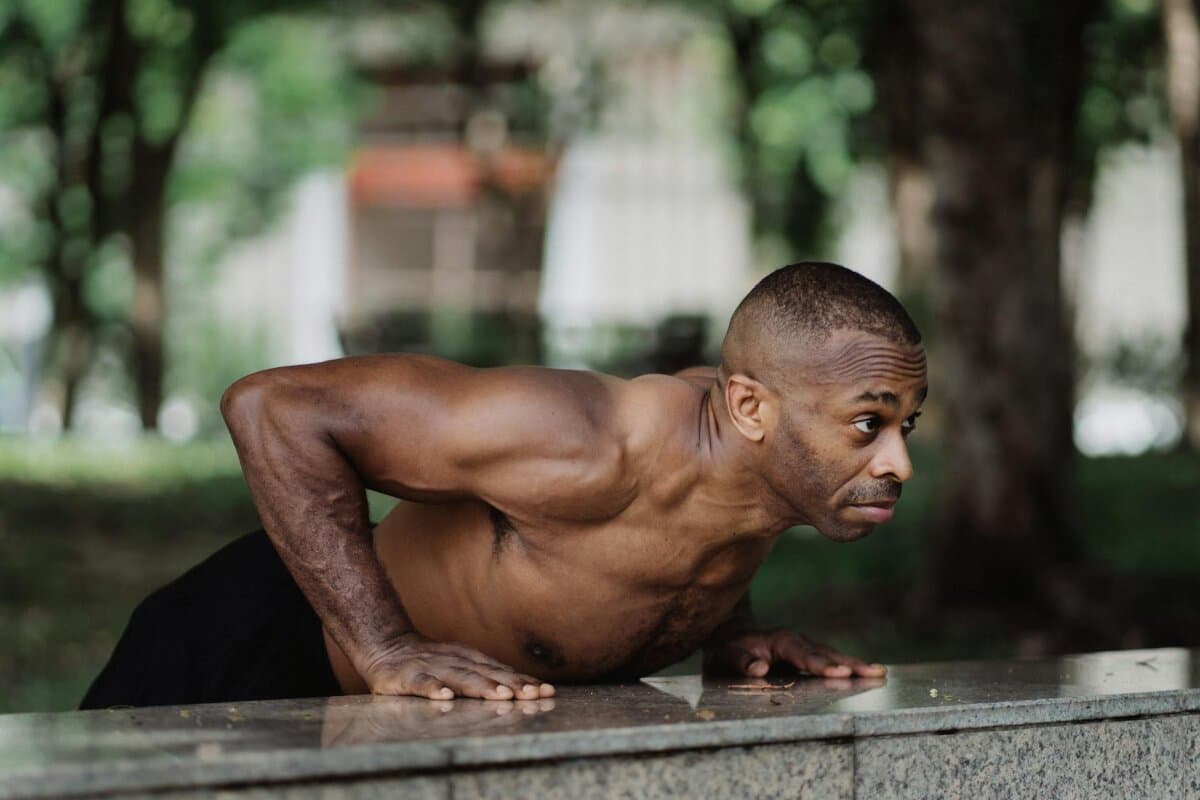
Shredding Naturally: How Lean Is Realistically Achievable?
Social media often promotes shredded physiques that aren’t realistic for natural lifters. This article breaks down what “shredded” really means, the natural limits of leanness, and the health trade-offs involved. Learn how lean you can realistically get without drugs and how to set sustainable, evidence-based expectations.
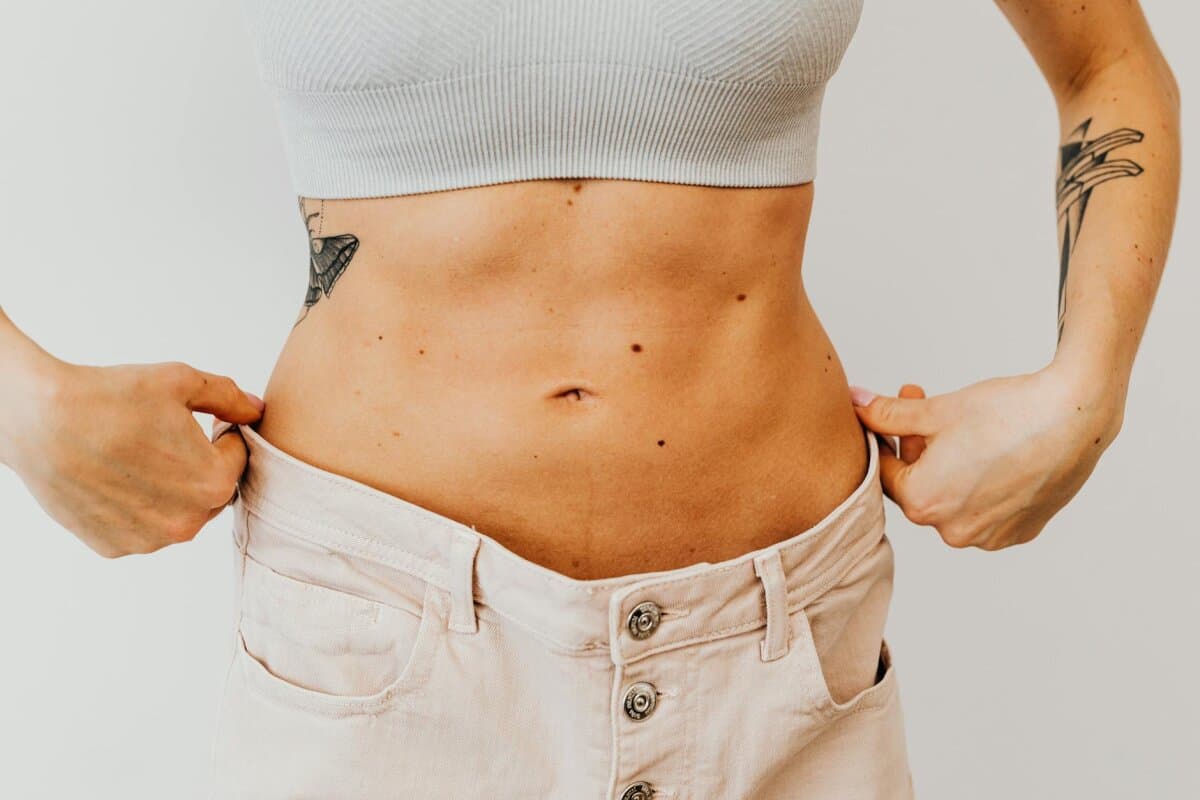
Lean Muscle vs Scale Weight: What Should You Prioritize?
The bathroom scale doesn’t always reflect real fitness progress. This article breaks down the difference between lean muscle and scale weight, explains why the scale can be misleading, and shows you how to choose the right metric based on your goals. Learn how to track progress smarter and stay motivated long term.
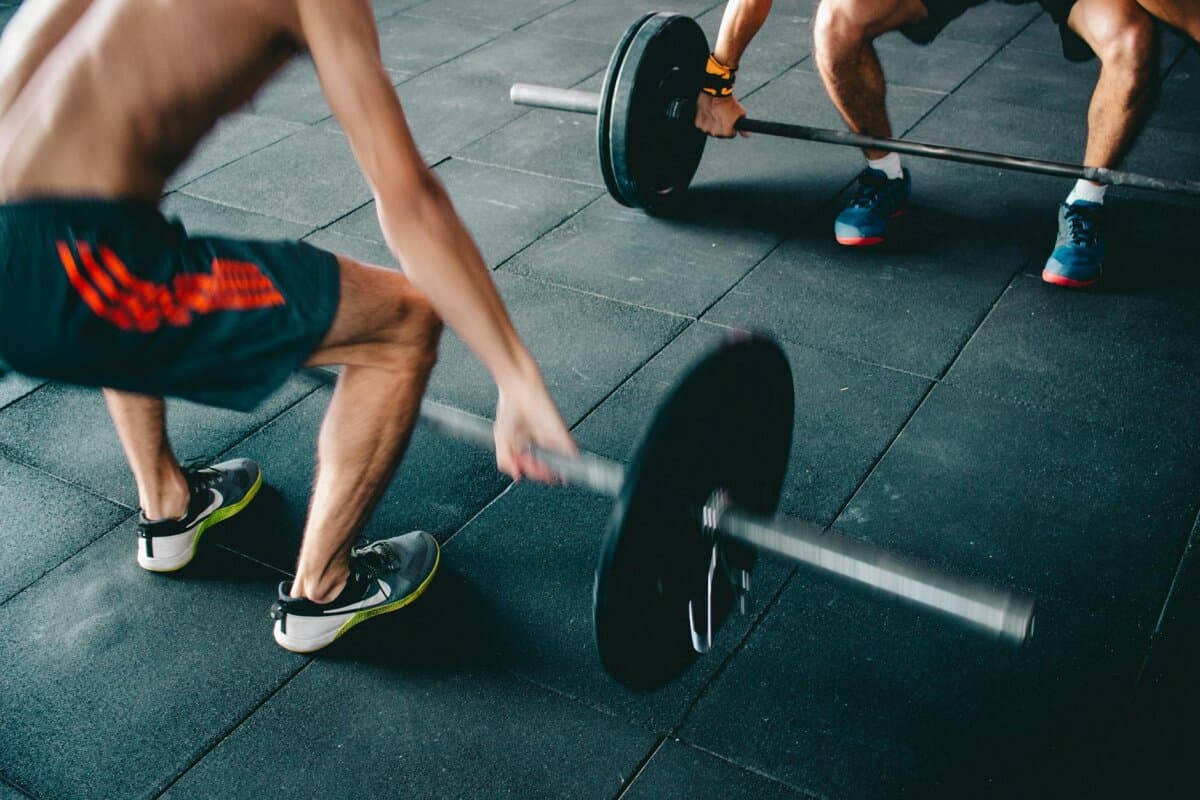
Why You Look Softer at the Same Weight (And What It Means)
If you look softer at the same weight, the scale isn’t telling the full story. Changes in muscle mass, fat distribution, training intensity, and recovery can dramatically affect how your body looks without changing the number you see. This article explains why it happens and what to focus on instead of weight alone.
Cutting Calories vs Increasing Activity: What Works Better?
The debate between cutting calories and increasing activity is one of the most common questions in fat loss. While both play a role, science shows that a calorie deficit is the foundation of weight loss. This article breaks down the pros and cons of each approach and explains why combining diet and activity leads to the most sustainable results.