Skinny Fat Transformation: What Actually Works

Skinny Fat Transformation: What Actually Works
You look fine in clothes. Maybe even lean. But take your shirt off and… yeah. Soft around the midsection. Little muscle definition. Strength that doesn’t quite match how “thin” you appear. Sound familiar?
That frustrating middle ground is what people usually mean when they say skinny fat. And trust me, you’re not broken. You’re also not alone. This is incredibly common, especially if you’ve spent years sitting at a desk, dieting on and off, and relying on cardio to “burn fat.”
Here’s the hard truth, though. Fixing a skinny fat physique doesn’t come from eating less or sweating more. It comes from changing your priorities. Building muscle. Eating enough to support it. And sticking with a plan long enough for your body to actually adapt.
Let’s talk about what actually works. No hype. No crash diets. Just real, sustainable progress.
What Does “Skinny Fat” Actually Mean?
Being skinny fat isn’t about your weight. It’s about your body composition.
Most skinny fat individuals fall into a “normal” BMI range. On paper, everything looks fine. But under the surface, there’s a higher-than-ideal body fat percentage and not enough lean muscle mass to give shape, strength, or metabolic support.
In other words, you’re not overweight. You’re under-muscled.
Common signs?
- A soft stomach even at a low scale weight
- Little visible muscle definition in arms, shoulders, or legs
- Weak performance on basic lifts
- Fatigue from dieting or excessive cardio
- Weight that fluctuates easily with small diet changes
And this is where most people get stuck. They assume the solution is to lose more weight. But that’s usually the exact opposite of what needs to happen.
Why BMI and the Scale Don’t Tell the Full Story
The scale only tells you how heavy you are. It doesn’t tell you what you’re made of.
You can lose five pounds and look worse if that weight comes from muscle. You can also stay the same weight and look dramatically better if you replace fat with lean tissue. That’s why body recomposition matters so much for skinny fat individuals.
Chasing a lower number on the scale often leads to more softness, not less. Frustrating, right?
Why Dieting and Excessive Cardio Make Skinny Fat Worse
This is where things usually go sideways.
Most skinny fat people respond to frustration by eating less and doing more cardio. Longer runs. More HIIT. Fewer carbs. Smaller portions. And for a while, the scale might even cooperate.
But visually? Strength-wise? Energy levels?
Not great.
That’s because chronic calorie restriction without resistance training sends a very clear signal to your body: muscle is expensive, get rid of it.
The Under-Eating Trap
When calories stay too low for too long, especially with high activity, your body adapts. Metabolism slows. Hormones shift. Recovery suffers.
You burn fewer calories at rest. You feel colder. Hungrier. Weaker. And yes, you lose muscle along with fat.
So you end up lighter, but softer. Smaller, but not leaner. That’s the under-eating trap in action.
Cardio vs Strength for Body Composition
Cardio isn’t bad. Let’s get that out of the way.
But cardio alone doesn’t tell your body to hold onto muscle. Strength training does.
Endless cardio paired with low calories is great at making you efficient. Not muscular. And efficiency is the enemy of recomposition.
Weight loss doesn’t automatically mean fat loss. And fat loss without muscle preservation just digs the hole deeper.
Resistance Training: The Foundation of a Skinny Fat Transformation
If there’s one non-negotiable for fixing skinny fat, this is it.
You need to lift weights. Progressively. Consistently. For months, not weeks.
Resistance training gives your body a reason to build and maintain lean mass. More muscle improves how you look, how you move, and how many calories you burn at rest. It changes everything.
And no, you won’t “accidentally get bulky.” That fear needs to go.
The focus should be on progressive overload. Adding reps. Adding weight. Improving control. Doing a little more than last time.
Not fancy. Just effective.
Key Exercises That Deliver the Most Results
You don’t need 20 different movements per session. You need the big basics done well.
- Barbell Full Squat Builds legs, glutes, and core. Brutally effective.
- Barbell Deadlift Trains the entire posterior chain and teaches full-body tension.
- Barbell Bench Press Develops chest, shoulders, and triceps.
- Pull-Up Upper-back strength, arm development, and relative strength.
- Jack Plank Core stability that actually carries over to lifting.
These lifts recruit a lot of muscle at once. That’s exactly what a skinny fat body needs.
Recommended Training Splits for Skinny Fat Individuals
You don’t need to train every day.
For most people, 3 4 days per week is plenty. Full-body routines or simple upper/lower splits work extremely well. The key is repeating movements often enough to improve them.
Consistency beats variety. Every time.
How to Eat for Body Recomposition (Not Just Fat Loss)
This part trips people up.
To lose fat and gain muscle at the same time, you need enough fuel to train hard and recover, but not so much that fat gain runs wild. It’s a balance. And it’s very different from aggressive dieting.
Most skinny fat individuals actually need to eat more than they think. Especially protein.
Food is not the enemy here. Under-eating is.
Protein Targets and Meal Timing
Protein is your insurance policy against muscle loss.
A solid target for most people is around 0.7 1 gram of protein per pound of lean body mass per day. Spread across meals. Nothing fancy.
Training days matter more than perfect timing. Eat enough to support performance. If your workouts feel flat, your diet probably is too.
Body Recomposition vs Traditional Fat Loss
Traditional fat loss focuses on the scale. Body recomposition focuses on the mirror, strength, and measurements.
Progress may feel slower. Sometimes the scale barely moves. But your waist tightens. Your shoulders fill out. Your lifts climb.
That’s the trade-off. And it’s worth it.
Common Mistakes That Stall Skinny Fat Progress
This is where a lot of good intentions go wrong.
- Program hopping every few weeks
- Avoiding heavy weights out of fear
- Training hard but recovering poorly
- Ignoring daily movement outside the gym
Sound familiar?
Why More Isn’t Always Better
More workouts. More cardio. More restriction.
None of that helps if your body can’t recover. Muscle is built between sessions, not during them. Sleep, food, and stress management matter just as much as training volume.
Sometimes doing less, better, is the breakthrough.
Lifestyle Factors That Influence Body Recomposition
You can’t out-train poor sleep or chronic stress.
Seven to eight hours of quality sleep supports muscle growth, hormone balance, and appetite regulation. Stress management keeps cortisol from working against your goals.
And don’t underestimate NEAT. Walking more. Standing more. Just moving through the day. It adds up.
What you do outside the gym counts. A lot.
Final Thoughts: What Actually Works for Skinny Fat Transformation
Fixing skinny fat isn’t about grinding harder. It’s about training smarter.
Lift weights. Progress slowly. Eat enough protein. Stop chasing extreme deficits. And give the process time.
Real transformation takes months. Sometimes longer. But when you commit to building muscle instead of just shrinking yourself, everything changes.
Be patient. Stay consistent. And trust the work.
Frequently Asked Questions
Related Articles

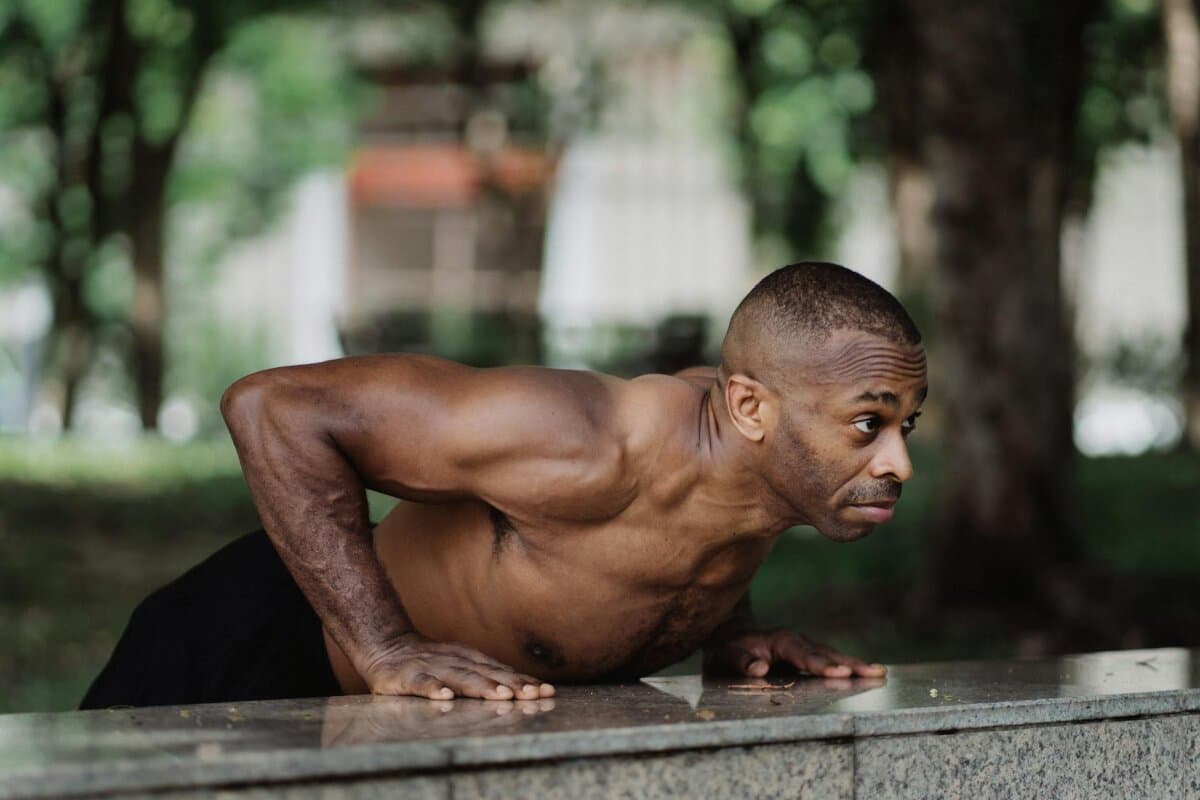
Shredding Naturally: How Lean Is Realistically Achievable?
Social media often promotes shredded physiques that aren’t realistic for natural lifters. This article breaks down what “shredded” really means, the natural limits of leanness, and the health trade-offs involved. Learn how lean you can realistically get without drugs and how to set sustainable, evidence-based expectations.
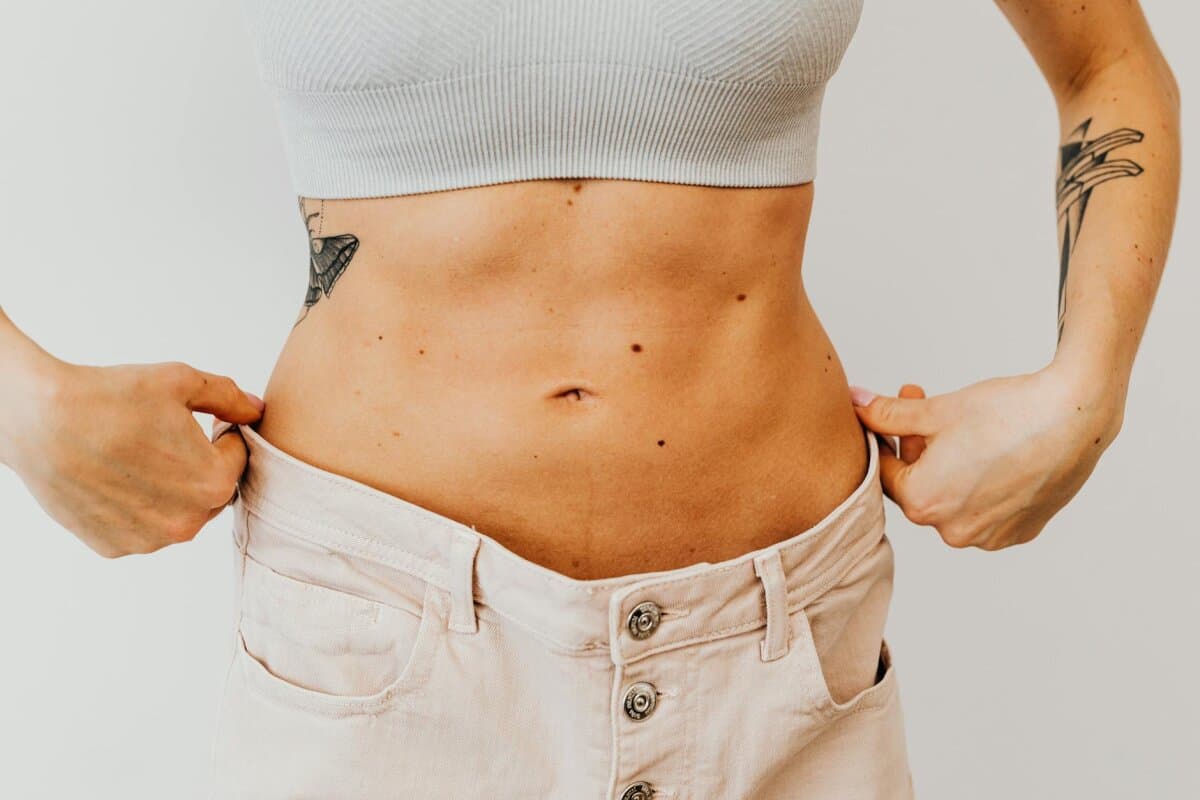
Lean Muscle vs Scale Weight: What Should You Prioritize?
The bathroom scale doesn’t always reflect real fitness progress. This article breaks down the difference between lean muscle and scale weight, explains why the scale can be misleading, and shows you how to choose the right metric based on your goals. Learn how to track progress smarter and stay motivated long term.
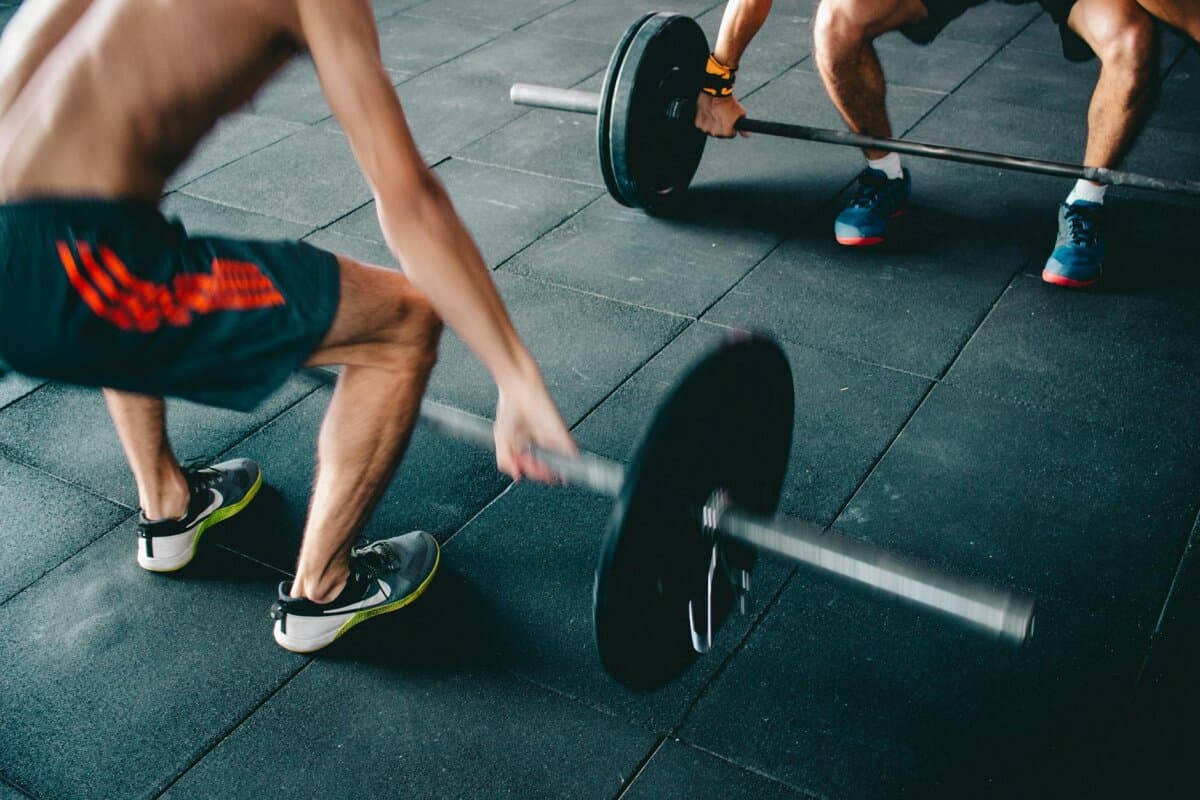
Why You Look Softer at the Same Weight (And What It Means)
If you look softer at the same weight, the scale isn’t telling the full story. Changes in muscle mass, fat distribution, training intensity, and recovery can dramatically affect how your body looks without changing the number you see. This article explains why it happens and what to focus on instead of weight alone.
Cutting Calories vs Increasing Activity: What Works Better?
The debate between cutting calories and increasing activity is one of the most common questions in fat loss. While both play a role, science shows that a calorie deficit is the foundation of weight loss. This article breaks down the pros and cons of each approach and explains why combining diet and activity leads to the most sustainable results.