Advanced Recovery Protocols: Supplements and Strategies

Advanced Recovery Protocols: Supplements and Strategies
There’s a point in training where progress doesn’t stall because you’re not working hard enough. It stalls because you can’t recover from how hard you’re working. If you’ve been lifting seriously for years, pushing volume, intensity, or hybrid training styles, you’ve probably felt this firsthand. You’re disciplined. Your program is solid. But your body feels… flat. Heavy. Unmotivated.
That’s not laziness. That’s recovery becoming the bottleneck.
At an advanced level, recovery isn’t just about taking a day off or waiting for soreness to fade. It’s a system. Muscles, nervous system, hormones, connective tissue, sleep, stress all interacting, all either helping you adapt or quietly holding you back. Let’s break down what advanced recovery actually looks like, which supplements are worth your time, and how to build protocols that let you train hard consistently. Not just survive the week.
What Recovery Really Means at an Advanced Level
Beginners can get away with almost anything. Miss sleep, eat inconsistently, train hard every session and still make progress. Advanced lifters don’t have that luxury. The more stress you can impose, the more intentional recovery needs to be.
True recovery includes several overlapping layers:
- Muscular repair from mechanical tension and eccentric damage
- Central nervous system (CNS) regulation
- Hormonal balance, especially cortisol management
- Connective tissue health tendons and ligaments adapt slower than muscle
- Mental readiness and motivation to train hard again
And here’s the thing most people miss. Soreness is just one signal. Sometimes you’re not sore at all but performance is dropping, bar speed feels slow, and your usual weights feel glued to the floor.
Muscle vs. Nervous System Fatigue
Muscle fatigue is local. You feel it in the tissue. CNS fatigue is global. It shows up as poor coordination, reduced explosiveness, crappy sleep, low motivation, and that “everything feels heavy” sensation.
Heavy compound lifts, high-intensity intervals, and frequent training near failure hit the nervous system hard. You might recover muscle tissue in 48 72 hours, but your CNS can lag behind if stress keeps stacking.
That’s why advanced recovery protocols focus just as much on sleep quality, stress regulation, and parasympathetic activation as they do on protein shakes.
Training Stress From Heavy Compound Lifts
Think about movements like the Barbell Full Squat. Massive load. High coordination demand. Full-body tension. These lifts don’t just tax quads and glutes they demand a lot from your nervous system.
Stack those sessions week after week without adequate recovery support, and eventually performance dips. Not because you’re weak. Because your system is overwhelmed.
Evidence-Based Supplements for Advanced Recovery
Supplements won’t save bad sleep or chaotic training. But when the fundamentals are in place, the right ones can meaningfully support recovery pathways.
Core Recovery Supplements Every Advanced Lifter Should Understand
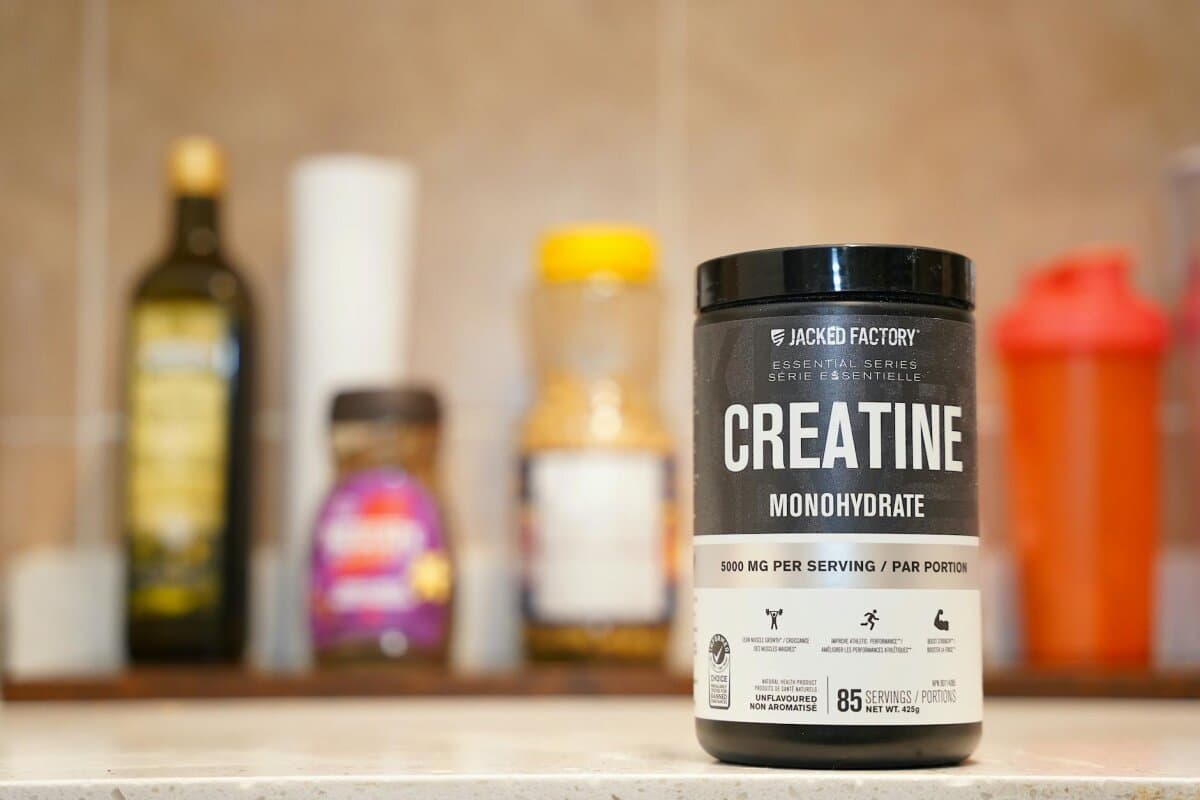
Creatine isn’t just a strength supplement. It supports cellular energy availability, improves repeated high-intensity output, and may even help with cognitive fatigue. Five grams daily. No cycling needed. Simple.
Omega-3 fatty acids (EPA and DHA) help modulate inflammation and support joint health. This matters when volume is high and connective tissue is under constant stress. Think long-term joint insurance.
Magnesium plays a role in muscle relaxation, nerve signaling, and sleep quality. Many lifters are deficient without realizing it, especially during high-stress phases.
Collagen, especially when paired with vitamin C, supports tendon and ligament health. It’s not flashy. But if you’ve ever dealt with nagging elbow, knee, or Achilles issues, you already know how valuable this can be.
Sleep-Focused Supplements and Nighttime Recovery
Recovery happens when you’re asleep. Period.
Glycine (3 5 grams before bed) can improve sleep onset and quality. Many athletes report deeper sleep and better next-day readiness.
Magnesium glycinate or threonate are popular pre-bed options for calming the nervous system. Not sedating. Just… grounding.
Adaptogens like ashwagandha may help reduce stress perception and cortisol in some individuals. Not magic. But potentially useful during high-volume blocks or life stress.
What Supplements Cannot Replace
They can’t replace sleep. They can’t override chronic under-eating. And they definitely can’t compensate for training like every session is a max-out competition.
Supplements support recovery. They don’t create it.
Supplement Timing, Dosing, and Recovery Phases
What you take matters. But when you take it matters more than most people think.
Post-Workout Recovery Windows
Post-training is about replenishment and calming the system down. Carbs help restore glycogen. Protein supports muscle repair. Creatine can be taken here simply for consistency.
Anti-inflammatory supplements don’t need to be slammed immediately post-workout. Some inflammation is part of adaptation. Timing matters.
Daily and Long-Term Recovery Support
Creatine, omega-3s, collagen these work through saturation and consistency. Miss a day? Not a big deal. Miss weeks? Different story.
Pre-bed supplementation is where many advanced lifters see the biggest recovery payoff. Better sleep equals better hormones, better CNS recovery, and better training sessions.
Central Nervous System Recovery for High-Intensity Training
If you train heavy, fast, or near failure often, CNS recovery deserves respect.
Signs of CNS fatigue include:
- Declining bar speed
- Loss of explosiveness
- Poor sleep despite being tired
- Irritability or low motivation
Lifestyle and Sleep Strategies for CNS Reset
Sleep is non-negotiable. Seven to nine hours. Dark room. Consistent schedule. Boring advice but brutally effective.
Parasympathetic activation matters too. Easy walks, breathing drills, low-intensity cardio like Treadmill Running in zone 2 all help shift your body out of fight-or-flight.
Trust me on this. Sometimes the most productive thing you can do for your next heavy session is an easy 30-minute walk.
Deload Weeks and Programmed Fatigue Management
Deloads aren’t weakness. They’re strategy.
Reducing volume or intensity every 4 8 weeks allows fatigue to dissipate while keeping movement patterns sharp. Advanced lifters who skip deloads often end up taking forced breaks due to injury or burnout.
Planned recovery beats unplanned layoffs. Every time.
Active Recovery Protocols That Improve Performance Without Adding Fatigue
Active recovery isn’t random fluff. Done right, it accelerates recovery without stealing resources from training.
Low-Intensity Movement for Circulation and Soreness Reduction
Zone 2 cardio increases blood flow, improves mitochondrial efficiency, and reduces soreness. It should feel almost too easy.
Walking, cycling, light jogging keep your heart rate conversational. You should finish feeling better than when you started.
Mobility and Tissue Quality Work
Mobility work, light stretching, and foam rolling won’t magically “fix” everything. But they can improve movement quality and reduce perceived stiffness.
The goal isn’t pain. It’s awareness. Better positions. Smoother reps.
Individualizing and Tracking Your Recovery Protocol
Advanced recovery is personal. What works for one athlete might be too much or not enough for another.
Data-Driven Recovery Decisions
Useful metrics include:
- Performance trends in key lifts
- Morning resting heart rate or HRV
- Sleep duration and quality
- Subjective fatigue and motivation
No single metric tells the full story. Patterns do.
Avoiding Overtraining and Long-Term Burnout
Recovery needs change with age, stress, and training phase. What worked at 25 may not work at 35. And that’s okay.
The goal isn’t to recover faster so you can suffer more. It’s to train hard, recover well, and keep progressing for years.
Building a Sustainable, High-Performance Recovery System
Recovery isn’t a luxury add-on. It’s a performance multiplier.
The best advanced lifters don’t chase every supplement or biohack. They build systems sleep, nutrition, smart supplementation, active recovery, and honest self-assessment.
Train hard. Recover harder. And remember: longevity is the real flex.
Frequently Asked Questions
Related Articles

Creatine Monohydrate Guide: Dosage, Timing, and Safety
Creatine monohydrate is one of the most effective and well-researched supplements for strength, power, and muscle growth. This guide breaks down exactly how creatine works, how much to take, when to take it, and what the science says about long-term safety. Learn how to use creatine correctly for better performance and results.
Best Protein Powder 2026: Whey vs Isolate vs Plant
Protein powder continues to be a staple supplement for strength training and general fitness in 2026. This guide compares whey, whey isolate, and plant-based protein powders to help you choose the best option based on muscle growth, digestion, lifestyle, and dietary preferences.

Caffeine Tolerance: How to Reset It for Better Training
Caffeine is one of the most popular performance boosters in training, but daily use can quietly reduce its benefits. This article explains how caffeine tolerance develops and how it impacts strength, endurance, and focus. Learn proven strategies to reset caffeine tolerance and use it more effectively for long-term training progress.
Supplement Cycling Strategies to Avoid Workout Plateaus
Workout plateaus are often linked to overused supplements and rising tolerance. Supplement cycling is a smart strategy to restore effectiveness, protect recovery, and support long-term performance. Learn which supplements to cycle, which to keep consistent, and how to align them with your training goals.