Supplement Cycling Strategies to Avoid Workout Plateaus
Supplement Cycling Strategies to Avoid Workout Plateaus
You’re training hard. Eating pretty well. Supplements are dialed in. And yet… progress stalls. Strength won’t budge. Energy feels flat. Pumps aren’t what they used to be. Sound familiar?
This is where a lot of gym-goers get frustrated. They add more scoops, chase stronger formulas, or double down on fat burners. But here’s the thing most people miss: supplements aren’t meant to be used at full blast forever. Your body adapts. Fast.
That’s where supplement cycling comes in. Not as a gimmick. As a smart, evidence-backed way to stay responsive, protect your health, and keep moving forward long term. Trust me on this it’s one of the most overlooked strategies in modern gym culture.
What Is Supplement Cycling and Why It Works
Supplement cycling is simple in theory, but powerful in practice. You use certain supplements for a planned period, then reduce or remove them for a short break. After that? You reintroduce them when your body is ready to respond again.
Think of it like turning the volume down so your system can reset. Then when you crank it back up, you actually feel the effects again.
How the Body Adapts to Repeated Supplement Use
Your nervous system is incredibly smart. Expose it to the same stimulus over and over especially stimulants and it adapts. Receptors downregulate. Hormonal responses blunt. What once felt explosive now feels… normal.
Caffeine is the classic example. Early on, a small dose hits hard. Weeks later? You need more just to feel baseline. That’s tolerance. And it doesn’t just affect energy it impacts focus, mood, sleep, and recovery too.
Why Plateaus Often Show Up in Strength and Energy First
Heavy lifts and intense conditioning demand a lot from your central nervous system. When that system is overstimulated for too long, output drops.
Suddenly your Barbell Full Squat feels heavier at the same weight. Your Barbell Bench Press stalls for weeks. Motivation dips. And mentally? You feel like you need supplements just to show up.
That’s not a training problem. That’s a recovery and cycling problem.
Supplements That Benefit Most From Cycling
Not all supplements are created equal. Some are nutritional. Others are performance amplifiers. It’s the second group that usually needs breaks.
Pre-Workouts, Caffeine, and Stimulant Tolerance
Pre-workouts are effective because they stimulate the nervous system. Caffeine, yohimbine, synephrine these compounds work fast. And they lose punch just as fast when overused.
Using high-stim pre-workouts daily is one of the quickest ways to hit a plateau. You feel wired but not powerful. Focus scatters. Sleep suffers. And recovery quietly tanks.
Cycling stimulants brings sensitivity back. Suddenly, moderate doses feel strong again. Energy becomes clean instead of jittery.
Fat Burners, Pump Products, and Performance Enhancers
Fat burners are especially stressful when run nonstop. They elevate heart rate, body temperature, and cortisol. Over time, your metabolism adapts and fat loss slows anyway.
Same goes for pump products and nitric oxide boosters. That skin-splitting feeling? It fades with constant use. Cycling helps restore responsiveness without chasing bigger doses.
If your conditioning work like circuits with Burpees or treadmill sprints feels flat even with supplements, that’s a red flag.
Supplements That Usually Do Not Require Cycling
Here’s where people often overcomplicate things. Some supplements don’t stimulate the nervous system at all. They simply support nutrition and recovery.
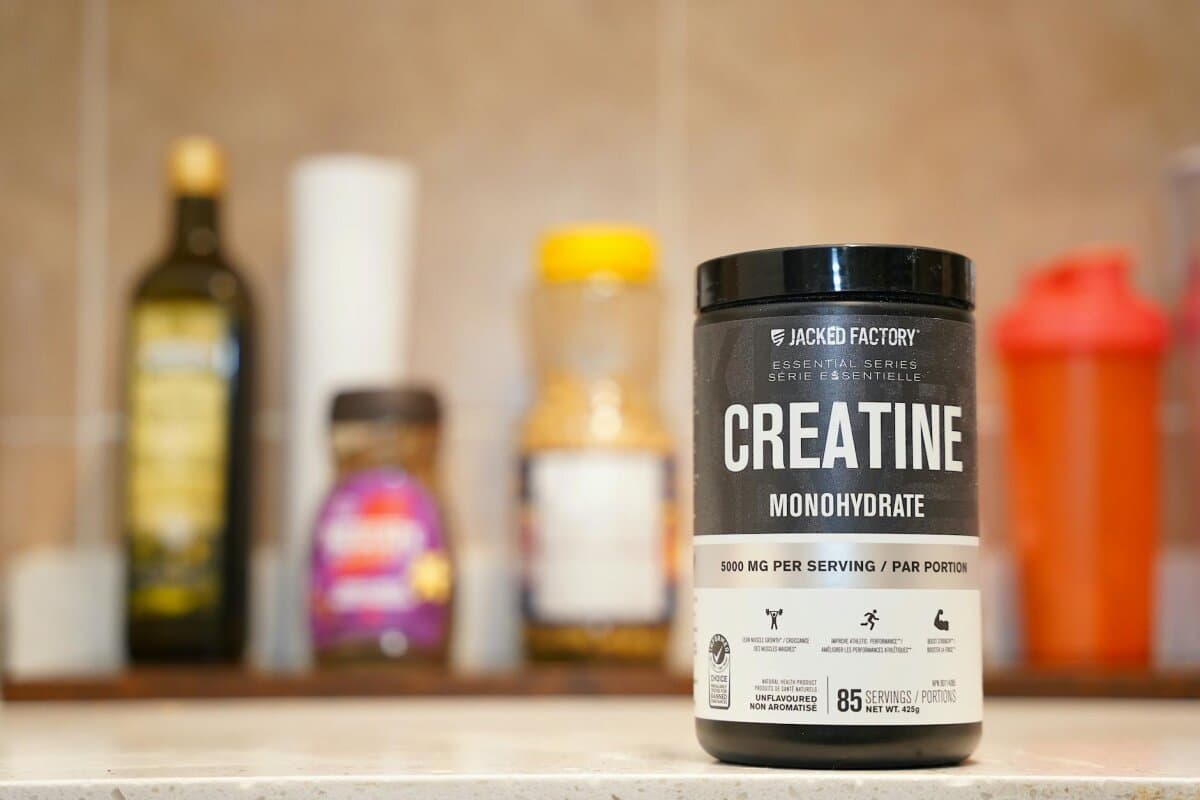
Creatine Cycling Myth Explained
Creatine monohydrate does not need to be cycled. Period.
It works by increasing phosphocreatine stores in muscle, helping you produce energy during high-intensity efforts like heavy sets of the Barbell Deadlift. There’s no receptor burnout here. No tolerance in the traditional sense.
Stopping creatine just means your levels slowly return to baseline. No rebound. No reset needed. Consistency is the goal.
Daily Nutrition-Based Supplements and Consistency
Protein powders, essential amino acids, electrolytes, multivitamins these are food extensions. They fill gaps. They don’t overstimulate anything.
If your diet needs them, keep them in year-round. Cycling these won’t magically improve results. Solid nutrition still wins.
Common Supplement Cycling Methods Explained
There’s more than one way to cycle. The best method depends on your goals, training style, and how aggressive your supplementation has been.
Time-Based Cycles: On and Off Periods
This is the most popular approach. You run a supplement for 6 8 weeks, then take 1 2 weeks off.
During the off period, sensitivity rebuilds. Sleep often improves. Appetite normalizes. When you return, the effects feel noticeable again.
Dose Cycling and Strategic Reduction
Instead of stopping completely, you reduce the dose. Half scoops. Lower caffeine days. Stimulant-free sessions mixed in.
This works well if you train frequently and still want some performance support without full dependence.
Goal-Based Cycling for Bulking and Cutting
Bulking? Emphasize pump products and recovery aids. Keep stimulants moderate.
Cutting? Use stimulants strategically, not daily. Fat burners cycle on and off as body fat drops.
Maintenance phases are perfect for backing off and letting your system breathe.
How to Align Supplement Cycling With Training and Recovery
This is where things really click. Supplements should support training not prop it up.
Matching Cycles to Training Blocks and Routines
Hypertrophy blocks pair well with pump-focused supplements. Strength blocks demand CNS support but not overload.
If your big lifts are progressing without max stimulation, you’re doing it right.
Deload Weeks and Nervous System Recovery
Deload weeks are the perfect time to pull stimulants. Volume drops. Intensity drops. Supplements follow.
This combo lets your nervous system recover fully. You come back sharper, not just rested.
Plateau Signals From Key Lifts and HIIT Performance
When explosive movements slow down or conditioning sessions feel harder than usual, pay attention.
Your body is asking for recovery not another scoop.
Safety, Health, and Long-Term Performance Considerations
Supplement cycling isn’t just about results. It’s about sustainability.
Warning Signs of Overuse and Poor Recovery
- Needing stimulants to feel normal
- Poor sleep despite being exhausted
- Elevated resting heart rate
- Irritability and low motivation
If these show up, it’s time to reassess. No supplement is worth burning out your system.
Using Supplement Cycling to Keep Progress Moving
Supplement cycling isn’t about doing less. It’s about doing things smarter.
Some supplements thrive on consistency. Others demand respect and restraint. When you align cycling with your training blocks, nutrition phases, and recovery needs, plateaus lose their grip.
Progress feels smoother. Energy becomes reliable. And supplements go back to being tools not crutches.
That’s how you train for years. Not just months.
Frequently Asked Questions
Related Articles

Creatine Monohydrate Guide: Dosage, Timing, and Safety
Creatine monohydrate is one of the most effective and well-researched supplements for strength, power, and muscle growth. This guide breaks down exactly how creatine works, how much to take, when to take it, and what the science says about long-term safety. Learn how to use creatine correctly for better performance and results.
Best Protein Powder 2026: Whey vs Isolate vs Plant
Protein powder continues to be a staple supplement for strength training and general fitness in 2026. This guide compares whey, whey isolate, and plant-based protein powders to help you choose the best option based on muscle growth, digestion, lifestyle, and dietary preferences.

Caffeine Tolerance: How to Reset It for Better Training
Caffeine is one of the most popular performance boosters in training, but daily use can quietly reduce its benefits. This article explains how caffeine tolerance develops and how it impacts strength, endurance, and focus. Learn proven strategies to reset caffeine tolerance and use it more effectively for long-term training progress.
Advanced Recovery Protocols Using Targeted Supplements
Advanced recovery is no longer about passive rest alone. This guide breaks down how targeted supplements support muscle repair, nervous system recovery, joint health, and sleep for experienced athletes training at high intensity. Learn how precise timing and evidence-based stacks can turn recovery into a true performance advantage.