Ashwagandha for Cortisol: Stress, Recovery, and Better Sleep
Stress. Recovery. Sleep. If any one of those is off, your training usually feels off too. Flat workouts. Lingering soreness. That wired-but-tired feeling at night when your head hits the pillow. A big part of that puzzle? Cortisol.
Cortisol gets a bad rap, but it’s not the enemy. It’s a survival hormone. The problem shows up when cortisol stays elevated day after day, especially for gym-goers juggling hard training, work pressure, and life stress. That’s where ashwagandha keeps coming up in fitness circles. Not as a magic pill. But as a tool.
Let’s break down how cortisol actually works, why athletes care so much about it, and where ashwagandha may fit when stress, recovery, and sleep all feel a little out of balance.
Understanding Cortisol and Why It Matters for Fitness
Cortisol is your body’s primary stress hormone, released by the adrenal glands. Its job is pretty simple on paper: help you respond to stress. It mobilizes energy, raises blood sugar, and keeps you alert when something demands your attention.
That’s great during a tough workout or a hard deadline. Short-term cortisol spikes are normal and even helpful. The issue is chronic elevation. When cortisol stays high for weeks or months, it starts interfering with the things lifters and athletes care about most.
Persistently elevated cortisol can:
- Slow muscle recovery and increase soreness
- Make fat loss harder by encouraging fat storage
- Suppress immune function (hello, constant colds)
- Disrupt sleep cycles, especially deep sleep
Acute vs. chronic matters here. A heavy squat session spikes cortisol. That’s normal. Living in a constant state of stress poor sleep, under-eating, overtraining, work stress stacked on top? That’s where cortisol stops being helpful.
High Cortisol Symptoms in Gym-Goers
High cortisol doesn’t always announce itself loudly. Sometimes it’s subtle. Sometimes it’s frustratingly vague.
Common signs fitness folks notice:
- Feeling sore longer than usual, even after lighter sessions
- Strength gains stalling despite consistent training
- Craving salty or sugary foods late at night
- Trouble falling asleep or waking up wired at 3 a.m.
- That constant “on edge” feeling, even on rest days
Sound familiar? You’re not alone. And no, the answer isn’t always just “train less.” Sometimes it’s about supporting your stress response better.
What Is Ashwagandha and Why Athletes Use It
Ashwagandha is an herb traditionally used in Ayurvedic medicine for centuries. In modern terms, it’s classified as an adaptogen a substance that helps the body adapt to stress.
That word gets tossed around a lot. But here’s the practical version: adaptogens don’t push you up like stimulants or knock you out like sedatives. They work more like regulators. Helping your system respond more appropriately to stress instead of constantly overreacting.
In U.S. fitness culture, ashwagandha has become popular because it sits at the intersection of stress management, recovery, and sleep. No jitters. No crash. Just support.
Athletes and gym-goers often turn to it when:
- Training volume is high
- Life stress is non-negotiable
- Sleep quality starts slipping
Adaptogens for Athletes: What Makes Ashwagandha Unique
Not all adaptogens feel the same. Some are more stimulating. Others are more calming. Ashwagandha tends to land in a balanced middle ground.
What makes it stand out for athletes is its research backing. Several human studies suggest it may lower cortisol levels and perceived stress, while also supporting strength gains and recovery when paired with resistance training.
That’s why you’ll often see it in recovery blends or standalone supplements marketed toward lifters, CrossFit athletes, and endurance folks alike.
How Ashwagandha Helps Regulate Cortisol Levels
To understand how ashwagandha works, we need to talk about the HPA axis. Don’t worry it’s simpler than it sounds.
The hypothalamic-pituitary-adrenal (HPA) axis is your body’s stress command center. When you perceive stress, this system signals cortisol release. The problem? Chronic stress can make the HPA axis overly sensitive.
Ashwagandha appears to support a healthier HPA axis response. Instead of blasting cortisol at every minor stressor, your body learns to dial things back when appropriate.
Research has shown reductions in cortisol levels and improvements in stress scores in people supplementing with standardized ashwagandha extracts. Not overnight. But over weeks of consistent use.
Ashwagandha for Stress Reduction Without Sedation
This is key. Ashwagandha doesn’t act like a sleep aid or anxiety medication. Most people don’t feel “drugged” or foggy.
Many describe the effect as subtle but noticeable. Less reactive. Easier to unwind after training. A calmer baseline during the day.
Trust me on this if you’re already tired from hard training, the last thing you want is something that makes you feel flat. Ashwagandha usually doesn’t do that.
Cortisol, Training Recovery, and Athletic Performance
Intense training raises cortisol. Period. Heavy lifts, high-volume sessions, and conditioning work all place stress on the body.
In the short term, that stress drives adaptation. But when recovery can’t keep up, cortisol stays elevated and recovery slows down.
High cortisol over time can:
- Increase muscle protein breakdown
- Delay strength and hypertrophy gains
- Increase perceived effort during workouts
- Raise overtraining risk
Ashwagandha may help by nudging cortisol back toward normal ranges, allowing recovery processes to do their job. Less lingering soreness. Better readiness for the next session.
Pairing Ashwagandha With Resistance Training and Active Recovery
Supplementation works best when the basics are handled. No exceptions.
Smart pairing looks like this:
- Hard resistance training sessions followed by proper nutrition
- Low-intensity recovery days with activities like walking or mobility work
- Occasional steady-state cardio, like easy Running, to help regulate stress
Ashwagandha isn’t a license to train harder without consequences. But it can support recovery when training stress is already high.
Ashwagandha, Cortisol, and Sleep Quality
Cortisol follows a daily rhythm. It should be higher in the morning to help you wake up, and lower at night to allow sleep.
Chronic stress flips that rhythm. Cortisol stays elevated at night, making it harder to fall asleep and stay asleep. Deep sleep suffers. REM sleep gets fragmented.
Several studies suggest ashwagandha may improve sleep onset and total sleep time, especially in stressed individuals. The mechanism likely ties back to cortisol regulation rather than sedation.
People often report falling asleep more easily and waking up feeling more refreshed. Not knocked out. Just… better rest.
Using Ashwagandha in a Sleep Optimization Routine
Timing matters. Many athletes take ashwagandha in the evening, about an hour before bed. Others split doses morning and night.
Combine it with simple habits:
- Dim lights in the evening
- Light stretching or breath work
- Consistent sleep and wake times
It’s not fancy. But it works.
Dosage, Forms, Timing, and Safety Considerations
Ashwagandha comes in several forms. The most common standardized extracts are KSM-66 and Sensoril.
Quick breakdown:
- KSM-66: Root-only extract, often used for stress and performance
- Sensoril: Root and leaf extract, slightly more calming for some
- Root powder: Traditional form, less standardized
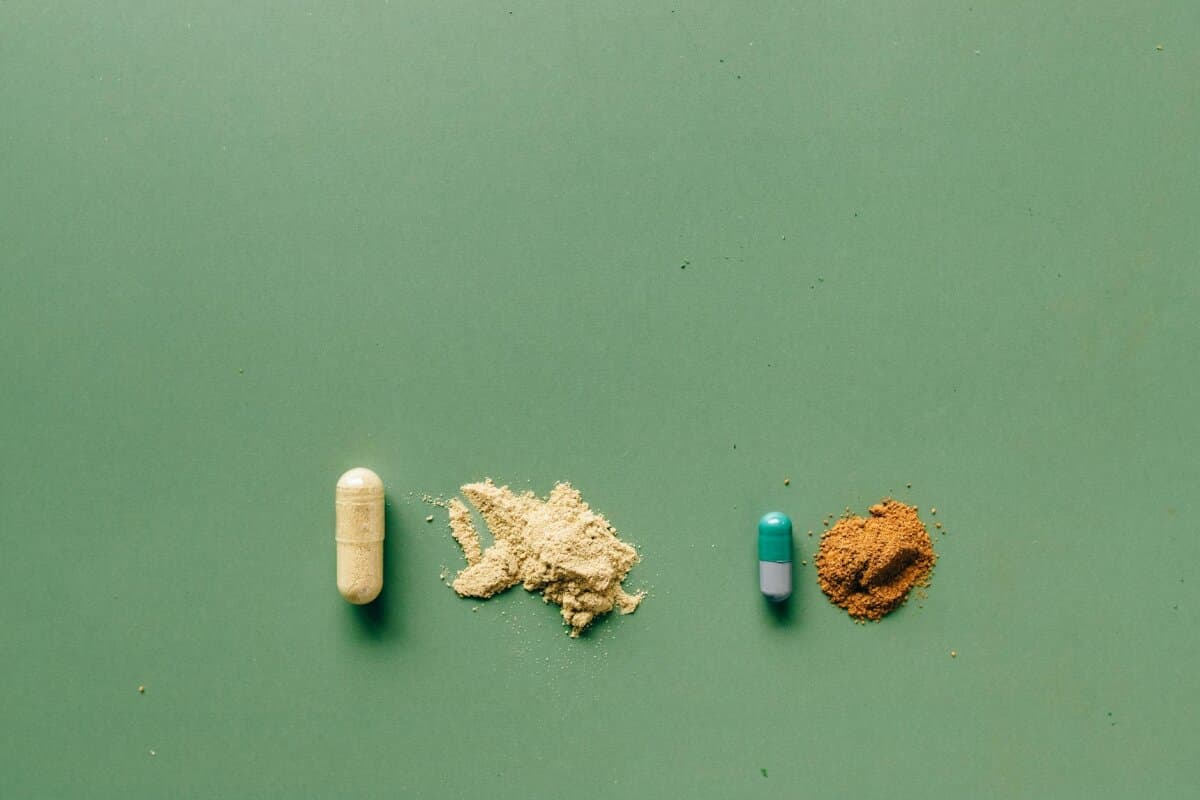
- Capsules: Most convenient and consistent dosing
Typical dosages range from 300 600 mg per day of a standardized extract. Some people go slightly higher, but more isn’t always better.
Ashwagandha is generally well-tolerated, but mild side effects like stomach discomfort can occur. Anyone pregnant, managing thyroid conditions, or taking medications should check with a healthcare professional first.
Who Benefits Most From Ashwagandha Supplementation
Ashwagandha tends to help people who:
- Train hard and recover poorly
- Deal with chronic work or life stress
- Struggle with sleep despite good habits
If stress isn’t an issue for you, the benefits may be minimal. And that’s okay.
Final Thoughts on Ashwagandha for Cortisol Management
Cortisol isn’t the villain. It’s a signal. When it stays elevated, it’s often telling you something in your training or lifestyle needs attention.
Ashwagandha may help by supporting healthier stress responses, improving recovery, and making sleep come a little easier. But it works best as part of a bigger picture.
Train smart. Eat enough. Move on rest days. Sleep consistently. Then, if stress still feels high, ashwagandha can be a helpful addition. Not magic. Just support. And sometimes, that’s exactly what your body needs.
Frequently Asked Questions
Related Articles

Creatine Monohydrate Guide: Dosage, Timing, and Safety
Creatine monohydrate is one of the most effective and well-researched supplements for strength, power, and muscle growth. This guide breaks down exactly how creatine works, how much to take, when to take it, and what the science says about long-term safety. Learn how to use creatine correctly for better performance and results.
Best Protein Powder 2026: Whey vs Isolate vs Plant
Protein powder continues to be a staple supplement for strength training and general fitness in 2026. This guide compares whey, whey isolate, and plant-based protein powders to help you choose the best option based on muscle growth, digestion, lifestyle, and dietary preferences.

Caffeine Tolerance: How to Reset It for Better Training
Caffeine is one of the most popular performance boosters in training, but daily use can quietly reduce its benefits. This article explains how caffeine tolerance develops and how it impacts strength, endurance, and focus. Learn proven strategies to reset caffeine tolerance and use it more effectively for long-term training progress.
Supplement Cycling Strategies to Avoid Workout Plateaus
Workout plateaus are often linked to overused supplements and rising tolerance. Supplement cycling is a smart strategy to restore effectiveness, protect recovery, and support long-term performance. Learn which supplements to cycle, which to keep consistent, and how to align them with your training goals.