Green Powders: Worth It or Just Marketing? Evidence Review

Green Powders: Worth It or Just Marketing? Evidence Review
You’ve seen them. Bright green tubs on gym counters. Influencers dumping neon powder into a shaker and calling it “insurance for your health.” And maybe you’ve wondered the same thing most lifters do at some point: Is this actually doing anything?
Green powder supplements have exploded in the fitness and wellness world. They promise better digestion, more energy, immune support, and a quick fix for not eating enough vegetables. Sounds great. Almost too great.
So let’s slow down. No hype. No fear-mongering. Just an honest, evidence-based look at what green powders are, what they can realistically do, and whether they deserve a spot next to your protein and creatine.
What Are Green Powders, Exactly?
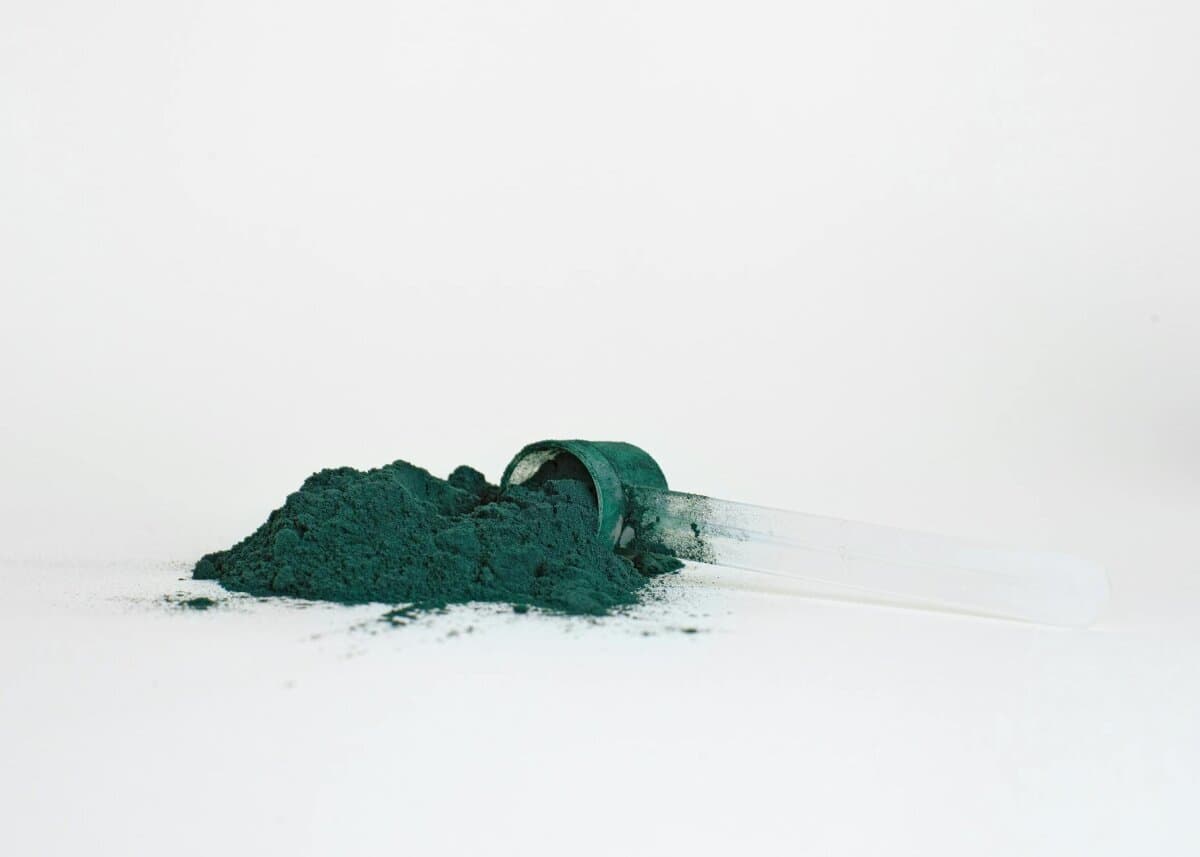
At their core, green powders are dietary supplements made from dried and powdered plant-based ingredients. They’re designed to supplement your diet, not replace meals, smoothies, or actual vegetables on your plate.
Most products combine dozens of ingredients into one scoop. That’s part of the appeal. Convenience. But it’s also where confusion creeps in.
Common Ingredients Found in Greens Powders
While formulas vary wildly, most green powder supplements include some mix of the following:
- Dried vegetables like spinach, kale, broccoli, and beetroot
- Grasses such as wheatgrass and barley grass
- Algae like spirulina and chlorella
- Fruit powders for antioxidants and flavor
- Probiotics and digestive enzymes
- Adaptogens like ashwagandha or rhodiola
On paper, it looks impressive. A whole farmer’s market in one scoop. But ingredients alone don’t tell the full story. Amounts matter. Processing matters. And so does what actually survives digestion.
How Green Powders Are Made
Most greens are created by dehydrating raw ingredients using heat or freeze-drying, then grinding them into fine powders. These powders are blended together and sometimes fortified with vitamins or minerals.
Drying helps preserve shelf life. But it can also reduce certain heat-sensitive nutrients, especially vitamin C and some phytonutrients. That doesn’t make green powders useless. It just means they’re different from fresh produce.
Claimed Benefits vs. What They Really Mean
If you’ve read a greens label lately, you know the buzzwords. Detox. Immunity. Energy. Alkalizing. It sounds scientific. But what do these claims actually translate to in real-world physiology?
Digestion, Gut Health, and Probiotics
Many green powders include probiotics, prebiotic fibers, or digestive enzymes. In theory, these can support gut health by improving microbial balance or reducing bloating.
Here’s the catch. Probiotic strains are highly specific. Dosage matters. And many greens powders don’t disclose how much of each strain you’re getting. Some include amounts far below what’s been shown to be effective in clinical studies.
Could they help digestion a bit? Sure, especially if your diet is low in fiber or fermented foods. But don’t expect miracles.
Micronutrients, Energy, and Daily Wellness
Greens powders often contain vitamins and minerals either from whole-food sources or added synthetically. If you’re deficient, correcting that can absolutely improve energy levels and overall well-being.
But that’s a big “if.” If you already eat a varied diet with fruits, vegetables, and enough calories, the impact may be subtle. Sometimes barely noticeable.
And that “energy boost” people talk about? Often it’s placebo, caffeine from added green tea, or just the satisfaction of doing something healthy. Which, honestly, still counts for something.
What Does the Research Actually Say?
This is where things get less exciting and more honest. There’s surprisingly little high-quality research on commercial green powder supplements as a category.
Most evidence is indirect. Studies on individual ingredients. Studies on fruits and vegetables. Studies on probiotics. Then brands connect the dots for you.
Bioavailability and Nutrient Absorption
Bioavailability refers to how much of a nutrient your body can actually absorb and use. Processing can reduce some nutrients, but it can also make others easier to digest by breaking down cell walls.
For example, powdered greens may provide minerals and certain antioxidants in a form that’s still absorbable. But they’re usually much lower in fiber than whole vegetables, which affects digestion, blood sugar control, and satiety.
So yes, nutrients are there. Just not in the same package nature designed.
Do Green Powders Improve Health Outcomes?
Short answer? There’s no strong evidence that green powders dramatically improve performance, recovery, or long-term health in people who already eat reasonably well.
Some small studies suggest modest improvements in antioxidant status or gut markers. But results are inconsistent, sample sizes are small, and many studies are funded by supplement companies.
That doesn’t mean green powders don’t work at all. It means their effects are likely supportive, not transformative.
Green Powders vs. Whole Vegetables
This comparison matters, because marketing often frames greens powders as a replacement for vegetables. They’re not.
They’re closer to a backup plan.
Fiber, Chewing, and Digestive Health
Whole vegetables provide fiber, bulk, and mechanical chewing. That combination slows digestion, feeds gut bacteria, and helps you feel full.
Green powders? Much lower fiber. Almost no chewing. Faster digestion.
If you rely on greens powders instead of vegetables, you miss out on one of the most powerful benefits of plant foods. Fiber. And most people already don’t get enough.
Practicality for Busy Lifestyles
This is where green powders shine. If you’re traveling, working long hours, or bouncing between training sessions, blending vegetables isn’t always realistic.
A scoop of greens in water takes 10 seconds. No knife. No fridge. No cleanup.
Is it better than eating broccoli? No. Is it better than eating nothing green all day? Absolutely.
Who Might Benefit and Who Should Be Careful
Green powders aren’t useless. But they’re not for everyone.
Athletes, Travelers, and Inconsistent Eaters
You might see real value if:
- You struggle to eat vegetables consistently
- You travel frequently or eat on the go
- You’re in a heavy training block with high nutrient demands
On the flip side, if your diet is already rich in fruits, vegetables, whole grains, and protein, green powders may offer diminishing returns.
There are also risks. Some products contain high doses of certain vitamins, which can add up fast if you’re also taking a multivitamin. Others use proprietary blends that hide underdosed ingredients behind flashy labels.
How to Choose a Quality Green Powder
If you decide to try one, choose carefully. Quality varies more than most people realize.
Label Transparency and Ingredient Dosing
Look for products that clearly list ingredient amounts. Be cautious with proprietary blends that lump everything together without telling you how much you’re getting.
Third-party testing is a big plus. Certifications like NSF or Informed Choice help ensure the product contains what it claims and nothing sketchy.
Marketing Red Flags to Watch For
- Claims about “detoxing” your liver or blood
- Promises of rapid fat loss or muscle gain
- Overly dramatic before-and-after testimonials
Green powders can support a healthy routine. They can’t replace sleep, training consistency, or actual food. Trust me on this.
So, Are Green Powders Worth It?
Here’s the grounded takeaway. Green powders aren’t magic. They’re not useless either.
If you view them as a convenience supplement a nutritional safety net for busy or inconsistent days they can make sense. If you expect them to replace vegetables or fix a poor diet, you’ll be disappointed.
Eat real food first. Train hard. Sleep. Then, if a scoop of greens helps you stay consistent with your health habits? That’s a win. Just keep your expectations realistic.
Frequently Asked Questions
Related Articles

Creatine Monohydrate Guide: Dosage, Timing, and Safety
Creatine monohydrate is one of the most effective and well-researched supplements for strength, power, and muscle growth. This guide breaks down exactly how creatine works, how much to take, when to take it, and what the science says about long-term safety. Learn how to use creatine correctly for better performance and results.
Best Protein Powder 2026: Whey vs Isolate vs Plant
Protein powder continues to be a staple supplement for strength training and general fitness in 2026. This guide compares whey, whey isolate, and plant-based protein powders to help you choose the best option based on muscle growth, digestion, lifestyle, and dietary preferences.

Caffeine Tolerance: How to Reset It for Better Training
Caffeine is one of the most popular performance boosters in training, but daily use can quietly reduce its benefits. This article explains how caffeine tolerance develops and how it impacts strength, endurance, and focus. Learn proven strategies to reset caffeine tolerance and use it more effectively for long-term training progress.
Supplement Cycling Strategies to Avoid Workout Plateaus
Workout plateaus are often linked to overused supplements and rising tolerance. Supplement cycling is a smart strategy to restore effectiveness, protect recovery, and support long-term performance. Learn which supplements to cycle, which to keep consistent, and how to align them with your training goals.