Home Workout vs Gym: Which Is Better for Beginners?

You finally decided to start working out. Nice. But then comes the next question. The one that trips up a lot of beginners.
Should you work out at home… or join a gym?
If you’re juggling work, school, family, or all three, this decision can feel bigger than it should. Add in remote work, fitness apps everywhere, and Instagram workouts popping up nonstop, and yeah it’s confusing. Totally normal.
Here’s the good news. Both home workouts and gym training can work really well for beginners. The difference isn’t about which one is “better” on paper. It’s about which one fits your life, your personality, and what will keep you showing up when motivation dips. Because it will. Trust me on this.
Let’s break it all down, beginner-style. No hype. No intimidation.
What Counts as a Home Workout vs a Gym Workout?
Before we compare anything, we need to clear something up. “Home workout” and “gym workout” don’t mean what they used to.
Home workouts aren’t just random push-ups in your living room anymore. And gyms aren’t only for bodybuilders slamming heavy weights.
Common Beginner Home Workout Examples
A home workout usually means training without a commercial gym. That could be in your bedroom, garage, backyard, or even a hotel room.
For beginners, home workouts often include:
- Bodyweight movements like squats, lunges, and planks
- Classic basics like Push-Up variations
- Light dumbbells or resistance bands
- Follow-along workouts from apps or YouTube
No fancy setup required. A yoga mat and some floor space go a long way. And yes, you can get strong this way. Don’t let anyone tell you otherwise.
Typical Beginner Gym Setups
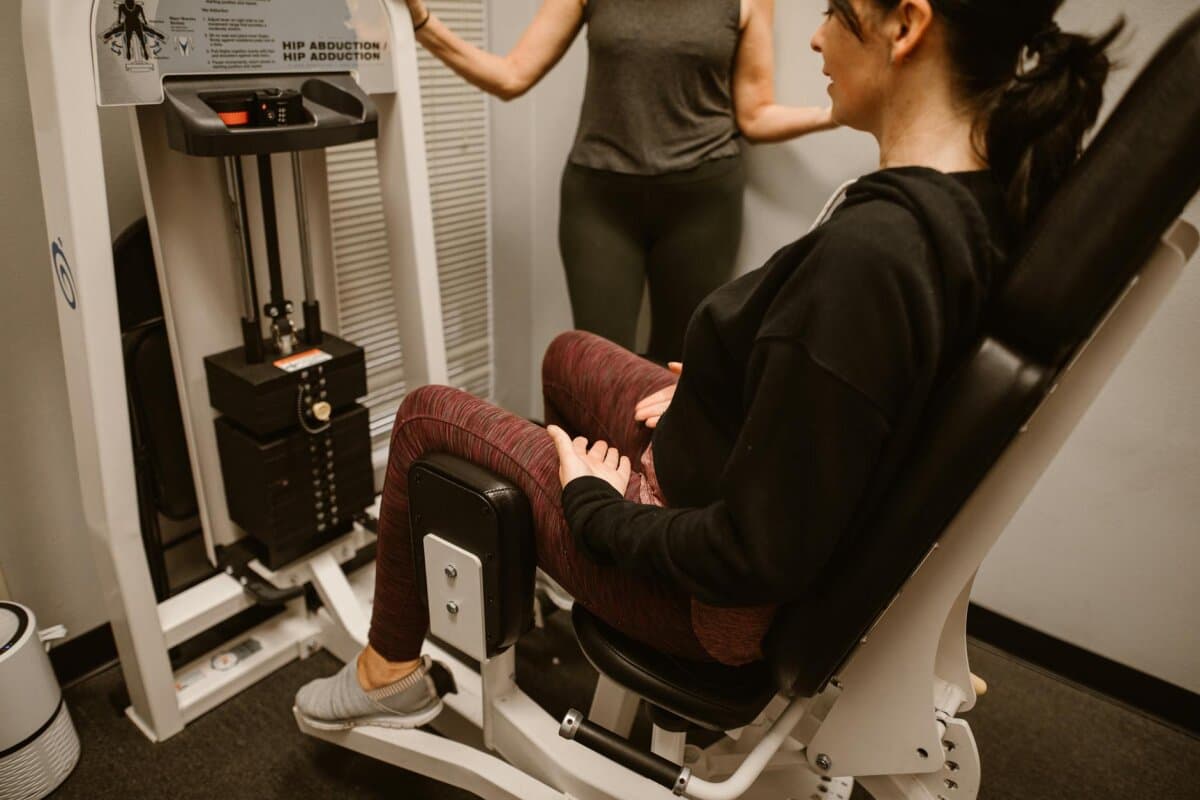
Gym workouts give you access to equipment most people don’t have at home. Machines, barbells, cables, cardio equipment the whole package.
Beginner gym training usually looks like:
- Using selectorized machines that guide your movement
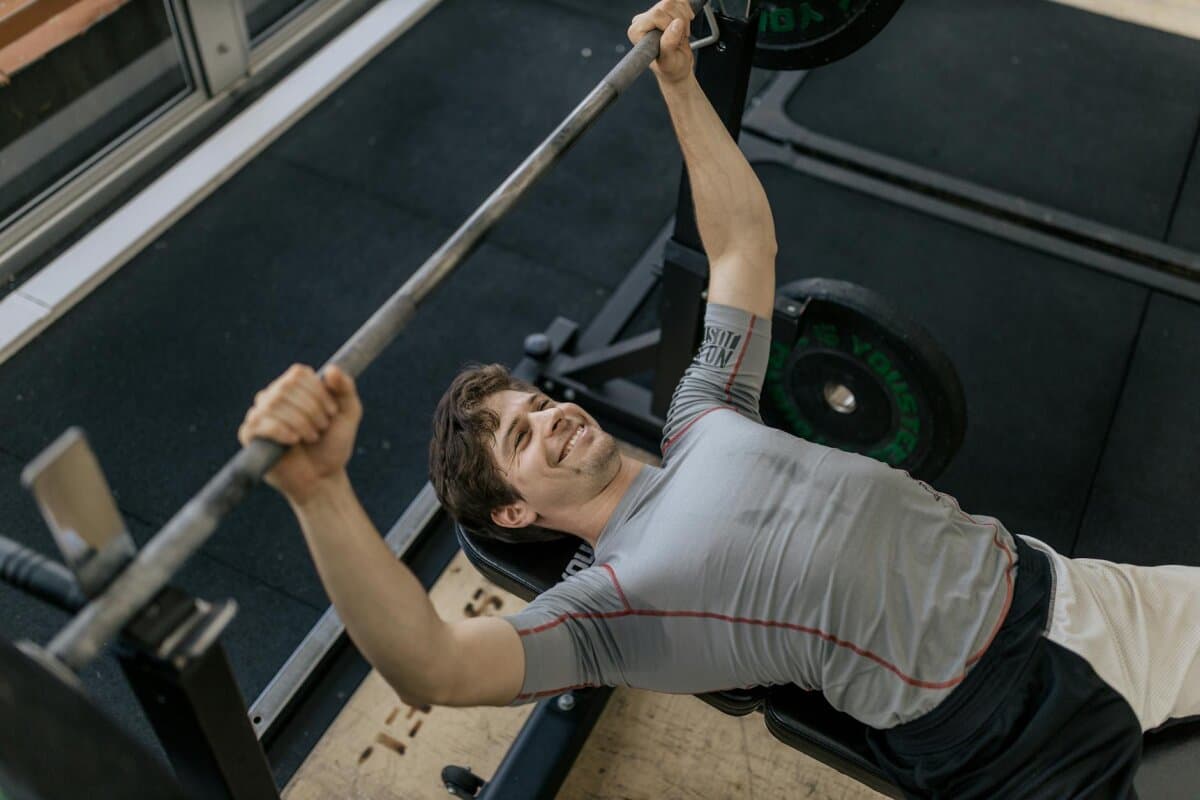
- Light free weights with controlled reps
- Cardio options like Treadmill Running or stationary bikes
- Group classes or beginner circuits
The key thing to understand? Both options can be structured. Both can build muscle, burn fat, and improve confidence. The setting doesn’t decide your results your consistency does.
Cost Comparison: Home Workouts vs Gym Memberships
Money matters. Especially when you’re just starting and not sure this whole fitness thing will stick.
So let’s talk numbers. Real ones.
Upfront vs Long-Term Fitness Costs
In the U.S., the average gym membership ranges from $30 to $70 per month. Some budget gyms go lower. Boutique gyms? Way higher. And that’s before:
- Sign-up fees
- Annual maintenance fees
- Parking or commute costs
Home workouts usually have lower upfront costs. Maybe:
- A mat ($20 $40)
- Basic dumbbells or bands ($30 $100)
- A fitness app subscription ($10 $20/month)
Once you buy the equipment, it’s yours. No monthly pressure. No guilt if you skip a week.
Which Option Fits a Beginner Budget?
If you’re unsure about committing long-term, starting fitness at home is often easier on the wallet. You can test the waters without feeling locked into a contract.
That said, some people actually save money with a gym. How? By going consistently and using everything weights, classes, showers, even stress relief after work.
Bottom line. The cheaper option is the one you’ll actually use.
Convenience and Consistency: Which Is Easier to Stick With?
This is where most beginners win or lose.
Not because of workout quality. But because of life.
Time Management for Busy Beginners
Home workouts are hard to beat for convenience. No commute. No waiting for machines. No packing a gym bag.
You can knock out a 20-minute workout between meetings. Or right after waking up. Or late at night in pajamas. Been there.
Gyms take more effort. Travel time. Fixed hours. Sometimes crowds. But for some people, that effort creates commitment. Once you’re there, you’re there.
Environment and Habit Building
Your environment shapes your habits more than motivation ever will.
At home, distractions are real. Laundry. Phones. Netflix whispering your name.
In a gym, the environment screams “workout mode.” Seeing other people train can push you to do just a little more than you planned.
Ask yourself this. Where are you more likely to press play and start?
Learning Curve and Safety for Fitness Beginners
This part matters more than most beginners realize.
Doing exercises wrong doesn’t just slow progress it can cause injuries that stop you altogether.
Beginner Safety at Home
Home workouts can be very safe, especially when they focus on bodyweight and controlled movements.
But. And this is important. You don’t have a coach watching your form.
That means beginners should:
- Start slow and prioritize technique over intensity
- Use mirrors or record short clips to check form
- Follow beginner-specific programs, not advanced influencer workouts
If something feels sharp or painful, stop. Discomfort is normal. Pain is not.
Beginner Safety in the Gym
Gyms offer some built-in safety advantages.
- Machines guide movement patterns
- Mirrors provide instant feedback
- Staff or trainers can answer questions
That said, ego lifting is a real thing. Beginners sometimes load too much weight because others are watching. Don’t fall into that trap.
Light weights done well beat heavy weights done poorly. Every time.
Motivation, Accountability, and Confidence
Let’s be honest. Motivation comes and goes.
What keeps you training is accountability and confidence.
Staying Motivated at Home
Home workouts require more self-discipline. No one is watching. No social pressure.
But they also offer privacy. Freedom. Zero judgment.
For beginners who feel intimidated or self-conscious, this can be huge. You can mess up. Take breaks. Learn at your own pace.
Pro tip? Schedule workouts like appointments. Same time. Same days. Make it non-negotiable.
Social Energy and Accountability at the Gym
Gyms bring people energy.
Classes, training partners, even familiar faces can create accountability without saying a word. You show up because others expect to see you.
Yes, gym intimidation is real. Everyone feels it at first. But here’s the secret most people are too focused on themselves to judge you.
Confidence grows fast when you realize you belong there too.
Progression, Results, and Beginner-Friendly Routines
Results don’t come from fancy workouts. They come from progression.
Doing a little more over time.
How Beginners Progress at Home
At home, progression usually means:
- More reps or sets
- Slower, more controlled tempo
- Harder variations of the same movement
For example, knee push-ups become full push-ups. Squats get deeper and smoother. Simple. Effective.
Consistency here builds a strong foundation.
How Beginners Progress in the Gym
Gyms make progression very clear.
You add five pounds. You add a set. You track numbers.
This structure is motivating for beginners who like measurable progress. It’s satisfying to see strength increase week by week.
Both paths work. The difference is how you prefer to measure success.
So, Is the Gym or a Home Workout Better for Beginners?
Here’s the honest answer.
Neither is better. And both are.
The best workout for beginners is the one you’ll stick with. The one that fits your schedule, your budget, and your comfort level.
You can start fitness at home and move to the gym later. Or join a gym and still do home workouts on busy days. It doesn’t have to be all or nothing.
Start simple. Stay consistent. Build confidence one workout at a time.
That’s how beginners become lifters. And lifters become strong.
Frequently Asked Questions
Related Articles
How to Optimize Lifting Technique With Biomechanics
Biomechanics offers a smarter way to improve lifting technique by understanding how your body moves under load. By applying principles like leverage, balance, and joint alignment, lifters can build strength more efficiently while reducing injury risk. This guide shows how to use biomechanics to refine form in major compound lifts.
Repetition Effort Method Explained for Hypertrophy and Strength
The repetition effort method is a proven training approach that uses moderate weights and high reps taken close to failure to stimulate muscle growth. Popular in both bodybuilding and strength training systems, it builds size, work capacity, and long-term strength. Learn how to program it effectively for hypertrophy-focused results.
Velocity Based Training: Auto-Regulate Like a Pro
Velocity based training is a data-driven approach that uses bar speed to auto-regulate load, volume, and intensity. Instead of guessing based on percentages, VBT helps lifters train according to real-time performance. Learn how to apply velocity metrics to build strength, manage fatigue, and progress smarter.
Neural Drive Enhancement for Explosive Strength Training
Explosive strength is driven as much by the nervous system as by muscle size. This article explains how neural drive influences power output and how targeted training methods can improve explosive performance. Learn how to program heavy lifts, speed work, and recovery for long-term strength gains.