Joint Support Stack for Lifters: What Actually Works Together

Joint Support Stack for Lifters: What Actually Works Together
You don’t really think about your joints when you’re new to lifting. You think about plates. PRs. Maybe how sore you’ll be tomorrow. But fast-forward a few years heavy squats, endless pressing, high-volume training weeks and suddenly your knees talk back. Your shoulders feel cranky. Elbows? Yeah… not thrilled either.
That’s usually when lifters start Googling joint supplements. And get overwhelmed. Glucosamine? Fish oil? Collagen? Turmeric shots? Everyone swears by something different.
Here’s the thing. Joint support doesn’t work well as a single magic pill. It works when you stack the right ingredients together, each covering a different piece of the joint health puzzle. Cartilage. Inflammation. Lubrication. Tendons. Ligaments.
Let’s break down what actually works together and how lifters can use a smart joint support stack to keep training hard for the long haul.
Why Lifters Need a Strategic Joint Support Stack
Lifting heavy isn’t just tough on muscles. Joints take a beating too. Especially when you’re squatting, pressing, and pulling week after week without much variation.
Think about it. Every rep of a heavy Barbell Full Squat loads your knees, hips, and ankles. Deadlifts hammer your hips and spine. Bench and overhead work grind away at shoulders and elbows. Do that long enough, and wear-and-tear adds up.
Common Joint Issues in Strength Training
Most lifters don’t get injured overnight. It’s usually a slow burn.
Achy knees after leg day. Shoulder irritation that shows up during pressing. Elbow pain that makes curls miserable. These aren’t just “getting older” problems they’re signs that cartilage, connective tissue, and inflammation aren’t being managed well.
And popping an NSAID every session? Not a great long-term plan. Trust me on this.
How Supplement Stacks Improve Coverage
This is where stacking matters. One supplement might help cartilage. Another controls inflammation. Another supports tendons and ligaments.
When you combine them, you’re not just masking pain you’re supporting joint structure and recovery from multiple angles. That’s the difference between short-term relief and long-term joint health.
The Foundation: Glucosamine and Chondroitin
If joint supplements had a base layer, this would be it.
Cartilage is the shock absorber inside your joints. It keeps bones gliding smoothly when you squat, press, and pull heavy weight. Over time, heavy loading can thin it out. That’s where glucosamine and chondroitin come in.
Glucosamine supports the building blocks of cartilage. Chondroitin helps cartilage retain water, keeping it springy instead of brittle. Together, they form a solid foundation for joint support.
Benefits for Knees, Hips, and Shoulders
Lifters usually notice the biggest difference in high-load joints. Knees during squats. Hips during deadlifts. Shoulders during pressing.
If you’re benching heavy with a Barbell Bench Press or grinding through high-volume leg days, cartilage support becomes pretty important. Especially if you’ve been training consistently for years.
What the Research Says for Lifters
Glucosamine and chondroitin aren’t fast-acting. And that’s where many lifters get impatient. These compounds work gradually, supporting joint structure over time.
They tend to be more helpful for older lifters, high-volume trainees, or anyone with a long training history. Not flashy. But effective when used consistently.
Enhancing the Stack: MSM for Inflammation and Recovery
MSM methylsulfonylmethane doesn’t get the hype it deserves. Which is a shame, because it pairs incredibly well with glucosamine.
MSM helps reduce inflammation and oxidative stress around joints. It also provides sulfur, which plays a role in collagen formation. Translation? Better recovery for joints and connective tissue.
MSM and Post-Workout Joint Soreness
Ever finish a brutal training block and feel joint soreness that’s different from muscle DOMS? That’s where MSM shines.
During intense phases high volume, heavy loading, or peaking cycles MSM can help calm down irritated joints so you can keep training instead of backing off every other week.
It doesn’t numb pain. It supports recovery. Big difference.
Omega-3 Fatty Acids: Controlling Chronic Joint Inflammation
If you lift heavy and don’t supplement omega-3s, you’re probably leaving recovery on the table.
EPA and DHA the active omega-3s found in fish oil help regulate inflammation. And lifting, especially repetitive heavy lifting, creates a lot of it.
Unlike random dietary fats, omega-3s actively shift your body toward a less inflammatory state. That matters when your shoulders and elbows get hit multiple times per week.
Omega-3s for Heavy Pressing and Pulling
Pressing movements are rough on joints. Bench. Overhead work. Dips. Pulling isn’t innocent either.
Omega-3s help keep joints moving smoothly under repetitive stress, especially during long training cycles where inflammation quietly builds up.
And yes, they pair well with cartilage-focused supplements. One reduces breakdown. The other supports structure.
Tendons, Ligaments, and Pain Management: Collagen and Curcumin
Here’s where many joint stacks fall short. Cartilage gets attention. Inflammation gets attention. Tendons and ligaments? Often forgotten.
But tendons transfer force. Ligaments stabilize joints. If they’re not healthy, heavy lifting feels rough no matter how strong your muscles are.
Collagen Support for Squats and Deadlifts
Collagen peptides provide amino acids that support tendon and ligament integrity. Pair them with vitamin C, and collagen synthesis improves.
This matters for big lifts like the Barbell Deadlift and squats, where connective tissue takes massive loads.
Many lifters notice less “tendon crankiness” after a few months of consistent collagen use. Subtle, but real.
Curcumin for Training Without Constant Joint Pain
Curcumin the active compound in turmeric is a powerful natural anti-inflammatory. And unlike NSAIDs, it doesn’t wreck your stomach when used properly.
For lifters dealing with persistent joint discomfort, curcumin can make training feel smoother. Less stiffness. Less background pain.
It’s not about masking injuries. It’s about managing inflammation so recovery can actually happen.
How to Build a Joint Support Stack for Your Training Style
There’s no one-size-fits-all stack. But patterns exist.
Powerlifters often benefit from a full stack: glucosamine, chondroitin, MSM, omega-3s, collagen, and curcumin. Bodybuilders might emphasize omega-3s and curcumin due to volume. CrossFit-style training? Connective tissue support becomes huge.
Timing matters less than consistency. Most of these supplements work over weeks, not days.
Supplements Plus Warm-Ups, Mobility, and Load Management
Let’s be clear. Supplements won’t fix terrible programming.
Smart warm-ups. Gradual load progression. Mobility work. Deloads when needed. These are non-negotiable.
Joint stacks work best when they support good training habits not replace them.
Final Thoughts on Joint Support for Lifters
Joint health is a long game. The goal isn’t just lifting heavy today it’s lifting well five, ten, twenty years from now.
The best joint support stacks cover multiple bases: cartilage structure, inflammation control, lubrication, and connective tissue strength. That’s where real results happen.
Pair smart supplementation with smart training, and you give your joints a fighting chance. And honestly? That’s one of the most underrated investments a lifter can make.
Frequently Asked Questions
Related Articles

Creatine Monohydrate Guide: Dosage, Timing, and Safety
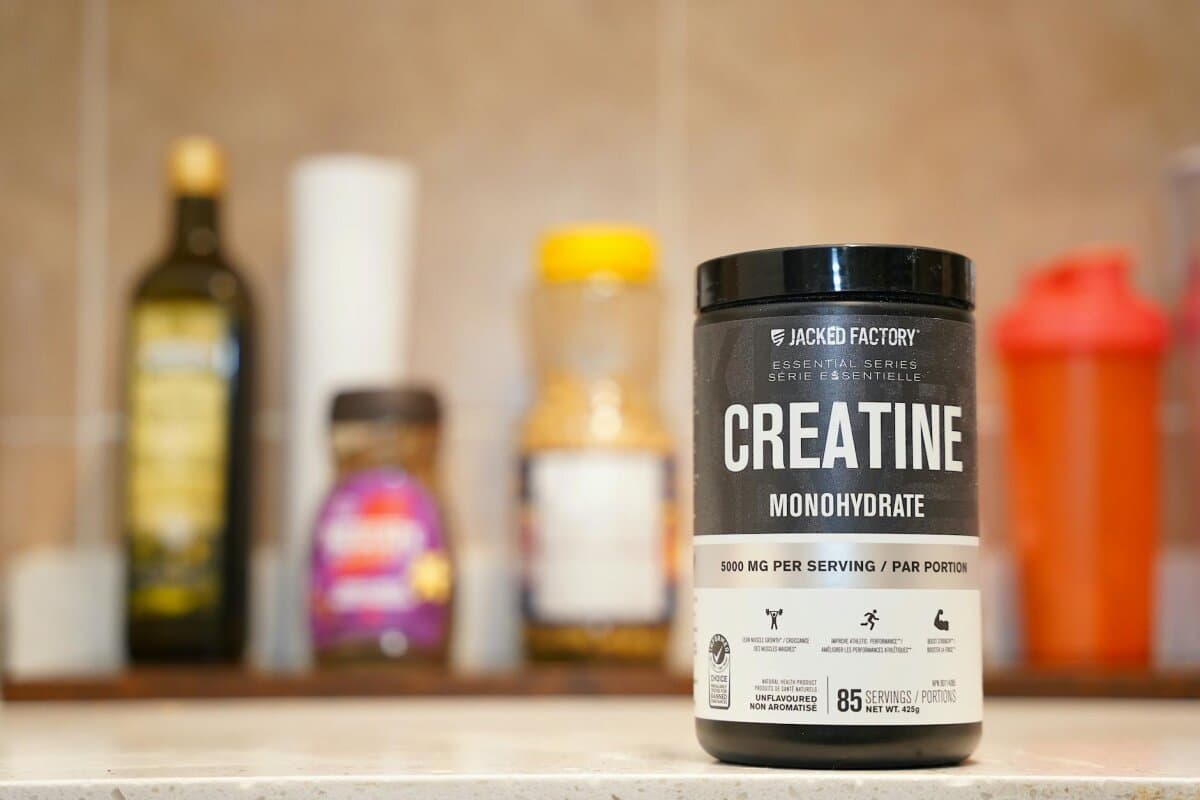
Creatine monohydrate is one of the most effective and well-researched supplements for strength, power, and muscle growth. This guide breaks down exactly how creatine works, how much to take, when to take it, and what the science says about long-term safety. Learn how to use creatine correctly for better performance and results.
Best Protein Powder 2026: Whey vs Isolate vs Plant
Protein powder continues to be a staple supplement for strength training and general fitness in 2026. This guide compares whey, whey isolate, and plant-based protein powders to help you choose the best option based on muscle growth, digestion, lifestyle, and dietary preferences.

Caffeine Tolerance: How to Reset It for Better Training
Caffeine is one of the most popular performance boosters in training, but daily use can quietly reduce its benefits. This article explains how caffeine tolerance develops and how it impacts strength, endurance, and focus. Learn proven strategies to reset caffeine tolerance and use it more effectively for long-term training progress.
Supplement Cycling Strategies to Avoid Workout Plateaus
Workout plateaus are often linked to overused supplements and rising tolerance. Supplement cycling is a smart strategy to restore effectiveness, protect recovery, and support long-term performance. Learn which supplements to cycle, which to keep consistent, and how to align them with your training goals.