Natural Estrogen Blockers: Do They Really Work?
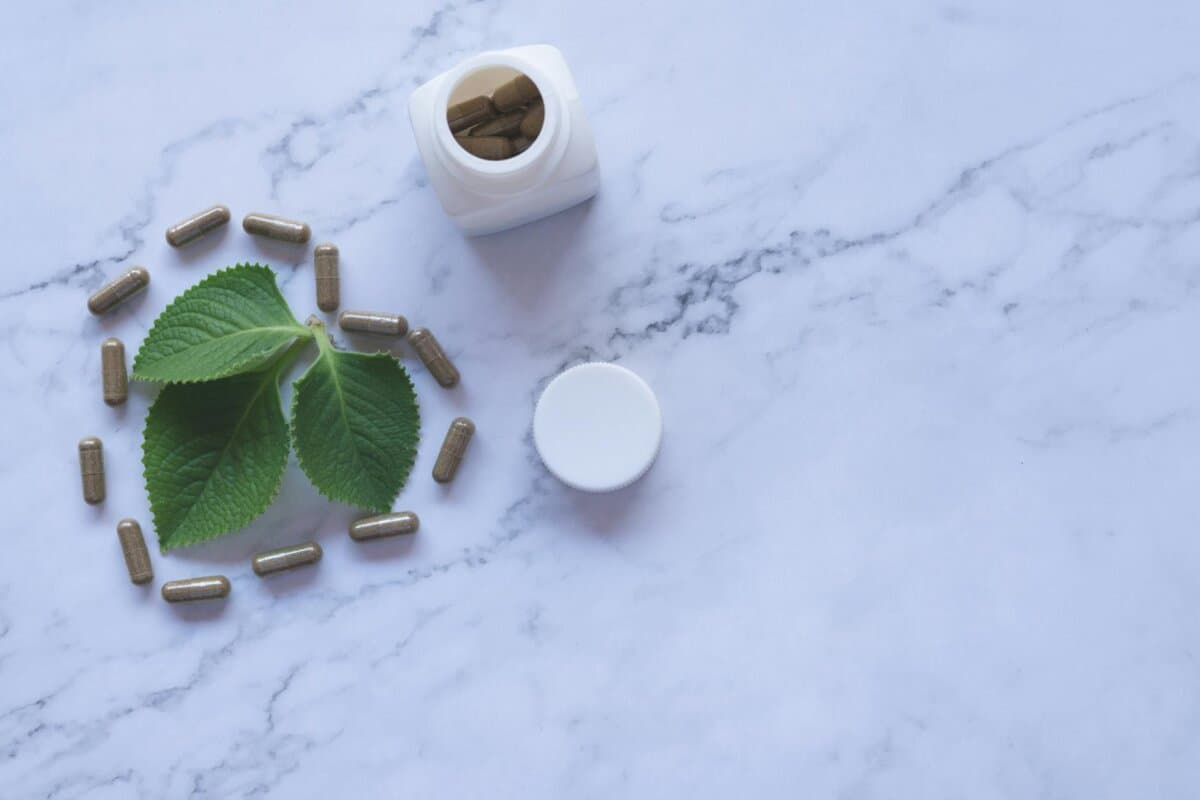
Natural Estrogen Blockers: Do They Really Work?
You’ve probably seen them. Lined up on supplement store shelves. Promising “estrogen control,” “leaner gains,” or “harder, drier muscle.” And if you’ve spent any real time in a gym especially in the U.S. you’ve heard the conversations. Guys blaming estrogen for stubborn fat. Lifters worried about water retention. Women wondering if hormone balance is holding them back.
So yeah, estrogen balance matters. But here’s the real question: do natural estrogen blockers actually do what they claim? Or are they just another shiny bottle riding the supplement hype wave?
Let’s slow it down. Strip away the marketing. And talk about what estrogen does, what these supplements really affect, and whether they deserve a spot in your fitness plan. Trust me on this context matters.
Understanding Estrogen and Its Role in the Body
First things first. Estrogen is not the enemy. Not for men. Not for women. It’s a critical hormone involved in way more than people realize.
Estrogen plays a role in muscle repair, joint health, bone density, mood, and even libido. It helps regulate how your body stores fat and how efficiently you recover from training. The problem isn’t estrogen itself it’s imbalance.
Estrogen in Men vs. Women
Women naturally have higher estrogen levels, and that’s by design. It supports reproductive health, bone strength, and overall hormonal rhythm. Too little estrogen in women? That’s a fast track to poor recovery, mood issues, and long-term bone problems.
Men produce estrogen too. Yep. Mostly through a process where testosterone gets converted into estrogen. In healthy amounts, this is totally normal and even beneficial. Issues show up when estrogen climbs too high relative to testosterone something that can happen with aging, excess body fat, stress, or poor lifestyle habits.
That’s usually when guys start noticing softer physiques, stubborn fat around the chest or waist, and lower drive in the gym.
Estrogen, Testosterone, and Body Fat
Here’s where fitness comes into play. Fat tissue isn’t just passive storage it’s hormonally active. The more body fat you carry, the more conversion of testosterone into estrogen occurs. This process is called aromatization.
And that’s why leaner lifters tend to have an easier time maintaining a favorable hormone balance. Heavy compound training helps too. Movements like the Barbell Full Squat and Barbell Deadlift recruit massive amounts of muscle, triggering hormonal responses that support strength and muscle retention.
Estrogen isn’t killing your gains. But excess body fat combined with poor training? That’s a different story.
What Are Estrogen Blockers and Aromatase Inhibitors?
“Estrogen blocker” is a broad term. And honestly, it gets abused in marketing.
In strict terms, estrogen blockers either reduce estrogen production, block estrogen receptors, or help the body metabolize estrogen more efficiently. How they do that and how powerfully varies a lot.
Prescription Estrogen Blockers vs. Natural Options
Pharmaceutical estrogen blockers (like clinical aromatase inhibitors) are potent drugs. They’re used in medical settings for conditions like estrogen-sensitive cancers or severe hormonal disorders. They can dramatically lower estrogen levels. And they come with real risks.
Natural estrogen blockers? Completely different category. These are dietary compounds, minerals, or plant-based extracts. They don’t shut down estrogen production. Instead, they may influence how estrogen is processed or how active certain estrogen metabolites are.
Big difference. And it’s where a lot of confusion starts.
How Aromatase Converts Testosterone to Estrogen
Aromatase is an enzyme. Its job is to convert testosterone into estrogen. This happens naturally in men and women, mostly in fat tissue.
Some natural compounds are believed to mildly inhibit aromatase activity or shift estrogen metabolism toward less potent forms. But “mild” is the key word here. We’re talking subtle effects, not drug-like results.
If you’re expecting a supplement to replicate pharmaceutical hormone manipulation… yeah, that’s not how biology works.
Popular Natural Estrogen Blockers: Ingredients and Claims
Walk into any supplement store and you’ll see the same ingredients pop up again and again. Let’s break down what they’re supposed to do and what that actually means.
DIM and Indole-3-Carbinol (I3C)
DIM (diindolylmethane) and I3C come from cruciferous vegetables like broccoli and cauliflower. They don’t block estrogen outright. Instead, they help the body metabolize estrogen into less aggressive forms.
That’s why DIM is often marketed toward men worried about estrogen dominance. The theory is that better estrogen metabolism equals a healthier testosterone-to-estrogen ratio.
In practice? Effects tend to be modest. Some people notice reduced water retention or slightly improved hormonal markers. Others feel nothing at all.
Minerals: Zinc and Magnesium
Zinc plays a role in testosterone production and may indirectly reduce aromatase activity when levels are deficient. Magnesium supports overall hormone function, sleep quality, and recovery.
But here’s the catch these minerals help most when you’re deficient. If your intake is already solid, mega-dosing won’t magically suppress estrogen.
Still, correcting deficiencies is low-hanging fruit. And many active people fall short without realizing it.
Calcium D-Glucarate and Resveratrol
Calcium D-glucarate supports estrogen detoxification in the liver and gut. It helps prevent reabsorption of estrogen after it’s been broken down. Subtle, but potentially useful.
Resveratrol the compound found in red wine has been studied for its antioxidant and anti-inflammatory properties. Some lab research suggests mild aromatase inhibition. Human results? Mixed at best.
None of these are magic bullets. They’re more like nudges in the right direction.
What Does the Science Actually Say?
This is where things get real. And where expectations usually need a reset.
Human Studies vs. Lab Research
A lot of estrogen-blocking claims are based on animal studies or in-vitro (test tube) research. Those studies are useful but they don’t always translate to meaningful effects in humans.
Human trials on natural estrogen blockers tend to show small changes in estrogen metabolism rather than large drops in estrogen levels. That’s not necessarily bad it’s just not dramatic.
In healthy, active individuals with normal hormone levels, supplements rarely move the needle much. In people with poor diets, high body fat, or micronutrient deficiencies? Slightly better odds.
Why Supplements Rarely Act Like Drugs
Drugs are designed to override biological systems. Supplements work within them.
Natural compounds are limited by absorption, dosage tolerance, and regulatory mechanisms in the body. That’s why you don’t see massive hormonal swings from over-the-counter products.
Which, honestly, is a good thing. Hormones aren’t something you want to aggressively manipulate without medical oversight.
Realistic Expectations for Fitness and Performance
So what can you actually expect?
Estrogen Blockers and Muscle-Building Goals
If you’re lean, training hard, sleeping well, and eating enough protein, natural estrogen blockers probably won’t transform your physique. At best, they might help fine-tune hormone balance.
Some lifters report feeling “drier” or less bloated. Others notice improved recovery. But dramatic muscle gains? That comes from progressive overload, not capsules.
The Role of Training and Body Fat Reduction
This part matters more than any supplement. Reducing excess body fat lowers aromatization naturally. Strength training, regular cardio, and even short bouts of HIIT can all support healthier hormone profiles.
Again, compound lifts matter. Heavy training sends a powerful signal to maintain muscle and hormonal balance. Supplements are supporting actors not the lead role.
Safety, Side Effects, and Smarter Natural Alternatives
Just because something is “natural” doesn’t mean it’s risk-free.
Who Should Not Use Estrogen Blockers
Women trying to conceive, teenagers, and anyone with diagnosed hormonal conditions should avoid estrogen-blocking supplements unless supervised by a healthcare professional.
Lowering estrogen too much can lead to joint pain, mood changes, low libido, and poor recovery. Balance is the goal. Not suppression.
Training, Nutrition, and Lifestyle Strategies That Work
Before reaching for supplements, dial in the basics:
- Lift heavy with good form
- Maintain a healthy body fat level
- Eat plenty of vegetables (especially cruciferous)
- Sleep like it’s part of your program because it is
- Manage stress. Seriously.
These strategies do more for hormone balance than any bottle ever will.
Do Natural Estrogen Blockers Really Work?
Here’s the honest answer. Natural estrogen blockers can support healthy estrogen metabolism. They can help correct deficiencies. And for some people, they make a noticeable though modest difference.
But they’re not pharmaceutical-grade estrogen killers. And they’re not a substitute for smart training, nutrition, and lifestyle habits.
If you’re considering them, go in with realistic expectations. Use them as tools, not shortcuts. And remember your best hormone optimization strategy is still showing up, lifting consistently, and taking care of your body.
Simple. Not easy. But it works.
Frequently Asked Questions
Related Articles
Creatine Monohydrate Guide: Dosage, Timing, and Safety
Creatine monohydrate is one of the most effective and well-researched supplements for strength, power, and muscle growth. This guide breaks down exactly how creatine works, how much to take, when to take it, and what the science says about long-term safety. Learn how to use creatine correctly for better performance and results.
Best Protein Powder 2026: Whey vs Isolate vs Plant
Protein powder continues to be a staple supplement for strength training and general fitness in 2026. This guide compares whey, whey isolate, and plant-based protein powders to help you choose the best option based on muscle growth, digestion, lifestyle, and dietary preferences.

Caffeine Tolerance: How to Reset It for Better Training
Caffeine is one of the most popular performance boosters in training, but daily use can quietly reduce its benefits. This article explains how caffeine tolerance develops and how it impacts strength, endurance, and focus. Learn proven strategies to reset caffeine tolerance and use it more effectively for long-term training progress.
Supplement Cycling Strategies to Avoid Workout Plateaus
Workout plateaus are often linked to overused supplements and rising tolerance. Supplement cycling is a smart strategy to restore effectiveness, protect recovery, and support long-term performance. Learn which supplements to cycle, which to keep consistent, and how to align them with your training goals.