Testosterone Optimization: Supplements vs Lifestyle Changes
Testosterone Optimization: Supplements vs Lifestyle Changes
Walk into any gym right now and you’ll hear it. Guys talking about low energy. Slow progress. Libido not quite what it used to be. And sooner or later, the word testosterone comes up.
It’s not paranoia. Testosterone concerns really are on the rise, especially among gym-goers and health-conscious men. Long work hours, poor sleep, chronic stress, too much sitting, and yeah… less-than-great diets. All of it adds up.
So what’s the move? Do you clean up your lifestyle? Or grab one of those flashy “test boosters” promising insane gains in 30 days?
This article isn’t about hype. It’s about understanding what actually moves the needle. Lifestyle changes versus supplements. What works, what helps a little, and what’s mostly marketing. Trust me on this getting this right saves you time, money, and a lot of frustration.
What Testosterone Is and Why It Matters
Testosterone is the primary male sex hormone. But calling it a “sex hormone” almost undersells it.
It plays a massive role in muscle growth, strength development, fat metabolism, red blood cell production, bone density, mood, confidence, motivation, and libido. When testosterone levels are healthy, training feels better. Recovery is smoother. Life, honestly, just feels more on.
Testosterone is produced mainly in the testes, regulated by signals from the brain (the hypothalamus and pituitary). It naturally fluctuates throughout the day higher in the morning, lower at night. And yes, levels do gradually decline with age. That part is normal.
What’s not so normal? Seeing low testosterone symptoms in guys in their 20s and 30s. That’s where lifestyle enters the conversation. Chronic sleep deprivation, high stress, excess body fat, low physical activity, and nutrient-poor diets all send the same signal to your body: this isn’t a great environment to produce hormones.
Normal Testosterone Levels and Symptoms of Low T
Most labs define “normal” total testosterone somewhere between 300 1000 ng/dL. Big range, right? And here’s the catch being in range doesn’t always mean you feel great.
Common low testosterone symptoms include:
- Low energy and constant fatigue
- Difficulty building or maintaining muscle
- Increased body fat
- Low libido or sexual performance issues
- Poor mood, irritability, or brain fog
Numbers matter. But how you feel, recover, and perform matters too.
Lifestyle Factors That Naturally Optimize Testosterone
If there’s one thing to tattoo on your brain, it’s this: lifestyle factors drive testosterone more reliably than any over-the-counter supplement.
No capsule can undo bad sleep, chronic stress, and inconsistent training. It just doesn’t work that way.
Strength Training and Testosterone: What Actually Works
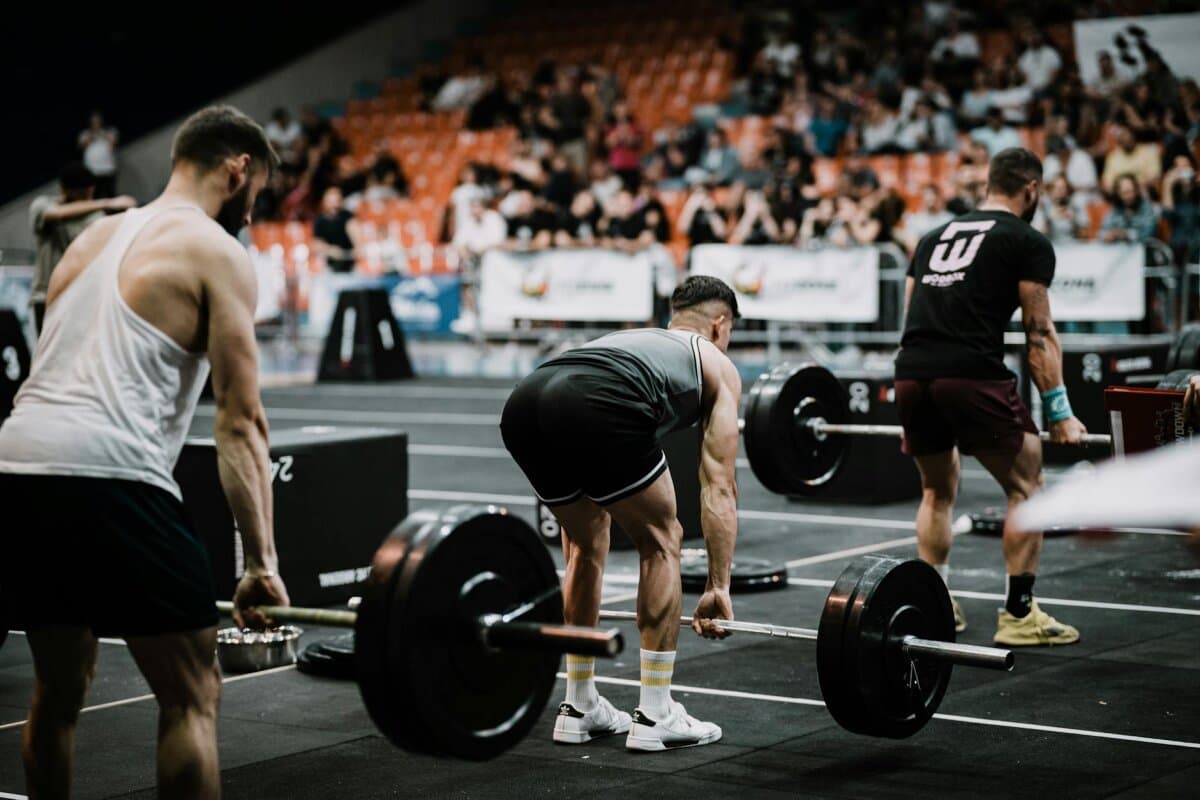
Resistance training is one of the most powerful natural tools for supporting healthy testosterone levels. Especially when you focus on heavy, compound movements.
Exercises that recruit a lot of muscle mass create higher mechanical tension and a stronger hormonal response. Think:
Now, let’s be clear. Lifting doesn’t permanently spike testosterone to insane levels. The increases are mostly acute during and after training. But over time, consistent strength training improves body composition, insulin sensitivity, and muscle mass. All of that supports a healthier hormonal environment.
Train hard. Recover well. Repeat.
Sleep, Stress, and Recovery: The Hidden Hormonal Levers
If sleep were a supplement, it would be banned for being too effective.
Testosterone is largely produced during deep sleep. Cut your sleep short, and levels drop. Studies show that even one week of sleeping 5 hours per night can significantly reduce testosterone in healthy men.
Then there’s stress. Chronic stress raises cortisol, and cortisol directly interferes with testosterone production. Ever notice how progress stalls during chaotic periods of life? That’s not coincidence.
Simple things help more than you think:
- 7 9 hours of sleep in a dark, cool room
- Consistent training schedules
- Walking, breath work, or light recovery days
Boring? Maybe. Effective? Absolutely.
Testosterone Supplements: Evidence vs Marketing
This is where things get messy.
Testosterone supplements are everywhere. Big claims. Bigger promises. And very mixed results.
Here’s the key distinction most ads ignore: supplements don’t boost testosterone beyond your natural capacity. At best, they help correct deficiencies or reduce factors that suppress production.
That’s not nothing. But it’s not magic either.
Common Supplements Explained (Zinc, Magnesium, Vitamin D, Ashwagandha, D-Aspartic Acid)
Zinc: Essential for testosterone production. If you’re deficient, supplementing can help normalize levels. If you’re not deficient? Don’t expect miracles.
Magnesium: Supports sleep quality, muscle function, and stress regulation. Indirect benefits matter here. Better sleep often equals better testosterone.
Vitamin D: Acts more like a hormone than a vitamin. Low vitamin D is strongly associated with low testosterone, especially in people who get little sun exposure.
Ashwagandha: An adaptogen that may reduce stress and cortisol. Some studies show modest testosterone increases, mainly in stressed or infertile men.
D-Aspartic Acid: Popular in boosters. Research is mixed. May help men with clinically low testosterone but often shows no benefit in trained, healthy lifters.
See the pattern? Supplements help when there’s a problem to fix. Not when everything’s already dialed in.
Supplements vs Lifestyle: Which Is More Effective?
Short answer? Lifestyle wins. Almost every time.
Lifestyle changes sleep, training, nutrition, stress management create a systemic improvement. They affect testosterone, insulin sensitivity, inflammation, cardiovascular health, and mental performance all at once.
Supplements are narrower. They target specific pathways. Useful, yes. But limited.
There’s also the sustainability factor. You can’t out-supplement chronic sleep deprivation. You can’t fix high stress with a capsule. And no product beats years of consistent lifting and decent nutrition.
Supplements are cheaper short-term. Lifestyle habits pay off for decades.
Common Myths and Misconceptions About Testosterone Boosting
Let’s clear some stuff up.
Myth #1: Test boosters work like steroids.
They don’t. Not even close. Over-the-counter supplements cannot raise testosterone to supraphysiological levels.
Myth #2: You’ll feel results in a week.
Hormones don’t work on influencer timelines. Changes take weeks or months, especially naturally.
Myth #3: More is better.
Megadosing zinc or vitamin D won’t turn you into a superhero. It’ll just stress your system.
Natural testosterone optimization is about restoring balance, not hacking biology.
A Practical Step-by-Step Framework to Optimize Testosterone Naturally
If you want a clear plan, here it is. No fluff.
- Fix sleep first. Aim for consistent 7 9 hours. Same bedtime. Same wake time.
- Train with intent. Focus on compound lifts 3 4 times per week. Progress gradually.
- Eat enough. Severe calorie restriction tanks hormones. Include protein, carbs, and healthy fats.
- Manage stress. You don’t need to meditate for an hour. Just don’t live in fight-or-flight.
- Test, then supplement. Blood work helps identify real deficiencies.
Who benefits most from supplements? Men with poor sleep history, high stress, low sun exposure, restrictive diets, or confirmed nutrient deficiencies.
Who probably won’t notice much? Well-trained lifters already doing most things right.
Final Thoughts: Build the Foundation Before Buying the Bottle
Testosterone optimization isn’t about shortcuts. It’s about foundations.
Lifestyle habits sleep, training, nutrition, recovery are the base of hormonal health. Supplements sit on top of that base. Not the other way around.
If you’re tired, stalled, or frustrated, don’t reach for the bottle first. Look at your schedule. Your sleep. Your stress. Your training consistency.
Dial those in, and testosterone often follows. Simple. Not easy. But worth it.
Frequently Asked Questions
Related Articles
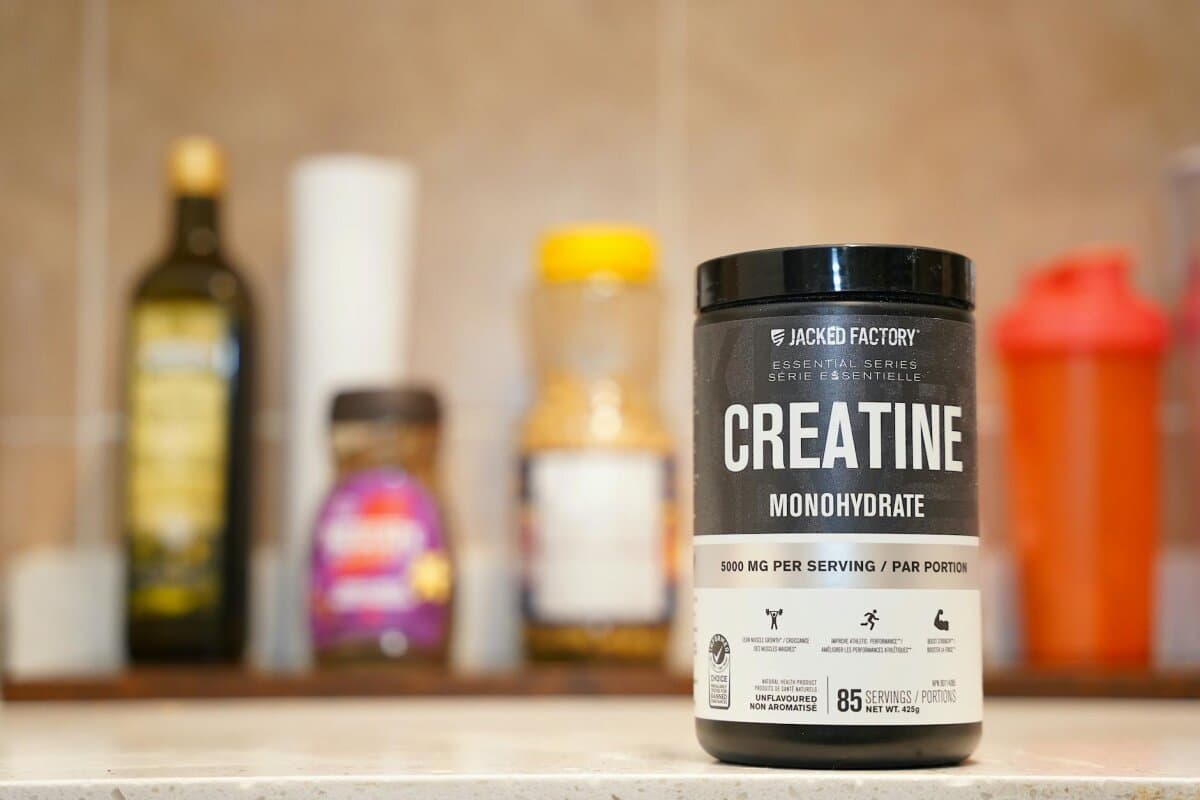
Creatine Monohydrate Guide: Dosage, Timing, and Safety
Creatine monohydrate is one of the most effective and well-researched supplements for strength, power, and muscle growth. This guide breaks down exactly how creatine works, how much to take, when to take it, and what the science says about long-term safety. Learn how to use creatine correctly for better performance and results.
Best Protein Powder 2026: Whey vs Isolate vs Plant
Protein powder continues to be a staple supplement for strength training and general fitness in 2026. This guide compares whey, whey isolate, and plant-based protein powders to help you choose the best option based on muscle growth, digestion, lifestyle, and dietary preferences.

Caffeine Tolerance: How to Reset It for Better Training
Caffeine is one of the most popular performance boosters in training, but daily use can quietly reduce its benefits. This article explains how caffeine tolerance develops and how it impacts strength, endurance, and focus. Learn proven strategies to reset caffeine tolerance and use it more effectively for long-term training progress.
Supplement Cycling Strategies to Avoid Workout Plateaus
Workout plateaus are often linked to overused supplements and rising tolerance. Supplement cycling is a smart strategy to restore effectiveness, protect recovery, and support long-term performance. Learn which supplements to cycle, which to keep consistent, and how to align them with your training goals.