Advanced Recovery Protocols Using Targeted Supplements
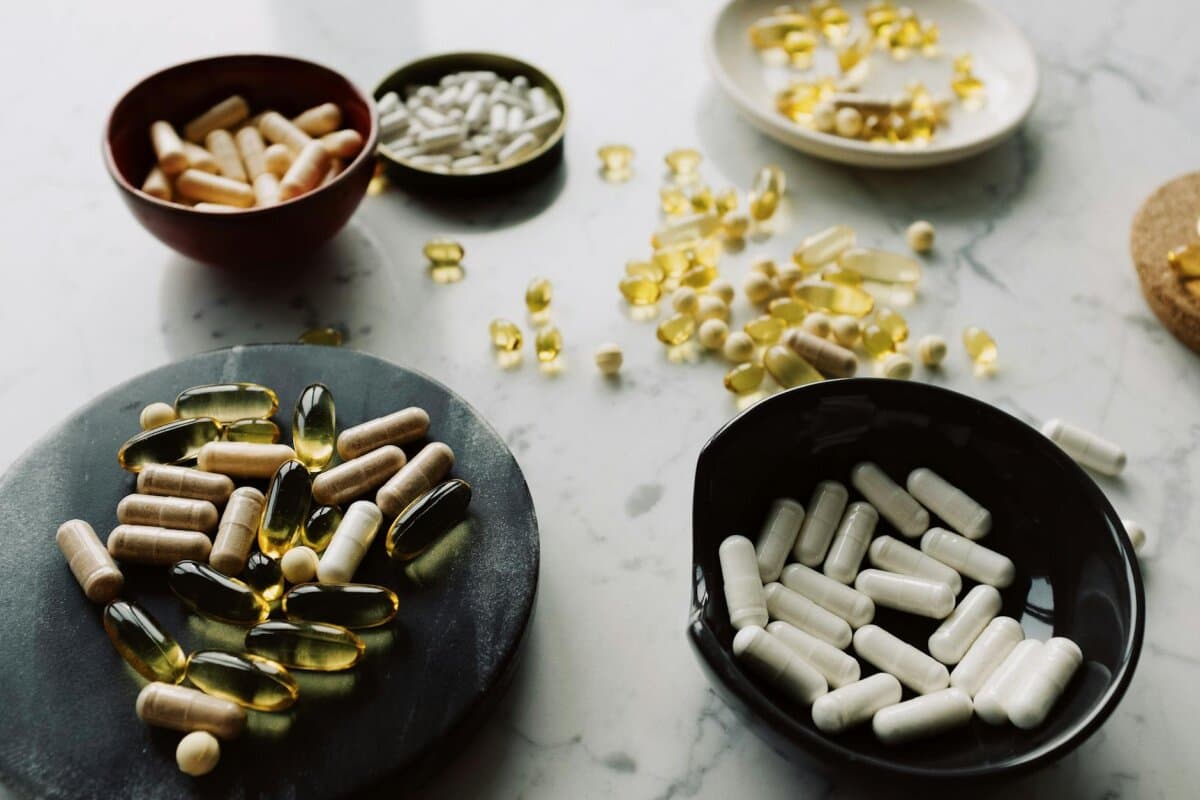
Advanced Recovery Protocols Using Targeted Supplements
Recovery used to be the boring part. Train hard, go home, eat some protein, sleep, repeat. But if you’re lifting heavy, pushing volume, or stacking tough sessions week after week, you already know that formula stops working pretty fast.
At the advanced level, recovery isn’t passive. It’s strategic. It’s planned. And honestly? It’s a performance multiplier.
When you’re grinding through heavy compound lifts like the Barbell Deadlift, pressing hard on the Barbell Bench Press, or living in a high-volume squat cycle with movements like the Barbell Full Squat, recovery becomes the difference between progress and plateau.
This is where targeted supplementation comes in. Not random pills. Not megadosing everything on the shelf. But precision support for the exact systems your training beats up. Muscles. Joints. Nervous system. Sleep. Hormones.
Let’s break it down. Coach-to-athlete style.
What Recovery Really Means for Advanced Athletes
Recovery isn’t just about muscle soreness. That’s the surface-level stuff. For experienced lifters, recovery is a multi-layered process happening 24/7.
First, there’s muscle repair and remodeling. Heavy mechanical tension creates microtrauma. That’s good. But only if your body has the raw materials to rebuild stronger tissue.
Then there’s the central nervous system (CNS). Heavy triples, near-max sets, long sessions… they drain neural drive. Ever feel flat even when your muscles don’t feel sore? That’s CNS fatigue talking.
Inflammation is another piece. Some inflammation is necessary for adaptation. Too much, and recovery stalls. The goal isn’t to nuke inflammation it’s to manage it.
And finally, hormonal balance and sleep quality. If sleep is off, testosterone dips, cortisol creeps up, and everything slows down. Simple as that.
Why Traditional Rest Alone Is No Longer Enough
Rest days matter. Sleep matters. But once training volume and intensity pass a certain threshold, rest alone can’t keep up.
Busy schedules, life stress, and frequent training mean you’re often recovering just enough to survive the next session. Not thrive. Targeted recovery strategies help close that gap.
Targeted Supplements vs. General Recovery Supplements
Here’s the problem with most “recovery supplements.” They try to do everything. And end up doing very little.
General supplements think basic multivitamins or generic post-workout blends offer broad coverage. That’s fine for beginners. Advanced athletes need more precision.
Targeted supplements are different. Each one supports a specific recovery pathway:
- Muscle protein synthesis
- Cortisol regulation
- Joint lubrication and connective tissue repair
- Mitochondrial and cellular recovery
Instead of hoping one product fixes everything, you build a protocol that matches your training stress.
Matching Supplements to Specific Recovery Demands
High-volume hypertrophy block? You’ll prioritize amino acids and anti-inflammatory support.
Heavy strength phase with lots of doubles and triples? CNS recovery and sleep support jump to the top.
This is where advanced athletes win. You stop guessing. You start matching inputs to outputs.
Key Categories of Recovery Supplements Explained
Let’s walk through the major supplement categories that actually move the needle for recovery.
Amino Acids and Muscle Protein Synthesis
Protein is the foundation. You know that. But targeted amino acids can fine-tune recovery.
Essential amino acids (EAAs), leucine, and glycine directly support muscle protein synthesis and tissue repair. Glycine, in particular, pulls double duty supporting collagen formation and improving sleep quality.
This becomes especially valuable after high-volume leg days or long hypertrophy sessions when muscle breakdown is high.
Adaptogens and Nervous System Recovery
Adaptogens help your body adapt. Simple concept. Big impact.
Compounds like ashwagandha and rhodiola support stress resilience and cortisol control. That matters when training stress piles on top of life stress.
If you’ve ever felt wired but tired after intense training blocks, adaptogens can help smooth out that nervous system rollercoaster.
Anti-Inflammatory and Joint-Support Compounds
Joints and connective tissue recover slower than muscle. Ignore them, and they remind you. Loudly.
Omega-3 fatty acids, curcumin, and collagen peptides support joint health without completely shutting down the inflammatory signals needed for adaptation.
This is huge for lifters running heavy squats, deadlifts, and pressing cycles back-to-back.
Micronutrients, Electrolytes, and Cellular Repair
Magnesium, zinc, sodium, potassium boring names, massive impact.
These micronutrients regulate muscle contraction, nerve signaling, hydration, and energy production. Deficiencies don’t just hurt recovery. They crush performance.
HIIT sessions, long workouts, and heavy sweating increase the need for proper electrolyte balance.
Supplement Timing Strategies That Maximize Recovery
What you take matters. When you take it matters more than most people realize.
Intra-workout supplementation like EAAs or electrolytes helps manage fatigue and maintain performance during long or intense sessions.
Post-workout is prime time for muscle repair. Protein, creatine, and carbs work synergistically here to replenish glycogen and kick-start recovery.
Pre-bed supplementation is underrated. This is when growth hormone pulses and tissue repair peaks.
Why Timing Matters for Absorption and Effectiveness
Some supplements compete for absorption. Others work best when insulin is elevated. And sleep-support compounds? They’re wasted if taken mid-day.
Dialing in timing turns decent supplements into powerful tools.
Evidence-Backed Supplements Every Advanced Athlete Should Know
Let’s talk specifics. No hype. Just what consistently shows up in both research and real-world results.
Creatine isn’t just for strength. It improves cellular hydration, ATP regeneration, and even cognitive resilience under fatigue.
Omega-3s support joint health, reduce excessive inflammation, and may improve muscle protein synthesis sensitivity.
Magnesium glycinate and glycine are sleep MVPs. Deeper sleep equals better recovery. Period.
Curcumin and tart cherry extract help manage soreness and soft tissue stress without blunting adaptation.
Collagen peptides, especially when paired with vitamin C, support tendons and ligaments critical for longevity.
How These Supplements Support High-Intensity Training Cycles
During demanding phases think heavy pulls, aggressive volume, or conditioning blocks these supplements keep recovery from becoming the bottleneck.
Not magic. Just smart support.
Advanced Stacking, Cycling, and Safety Considerations
Stacking is where things get interesting. And where mistakes happen.
A recovery stack should match your training style. Powerbuilders prioritize joint and CNS support. Hypertrophy-focused athletes lean into muscle repair and inflammation control. Conditioning athletes need electrolytes and mitochondrial support.
Cycling matters too. Adaptogens, anti-inflammatories, and even sleep aids can lose effectiveness if used nonstop.
And quality? Non-negotiable. Third-party testing, transparent labels, and conservative dosing protect your health and your progress.
Building a Sustainable Long-Term Recovery Protocol
The goal isn’t to take more supplements. It’s to need fewer deloads, fewer injuries, and fewer setbacks.
Think long game. Your future joints will thank you.
Optimizing Recovery as a Competitive Advantage
At the advanced level, everyone trains hard. Not everyone recovers smart.
Targeted supplementation lets you support the exact systems your training stresses the most muscles, joints, nervous system, and sleep.
When recovery improves, performance follows. Strength climbs. Volume becomes sustainable. Longevity stops being an afterthought.
Train hard, yes. But recover like it actually matters. Because it does.
Frequently Asked Questions
Related Articles

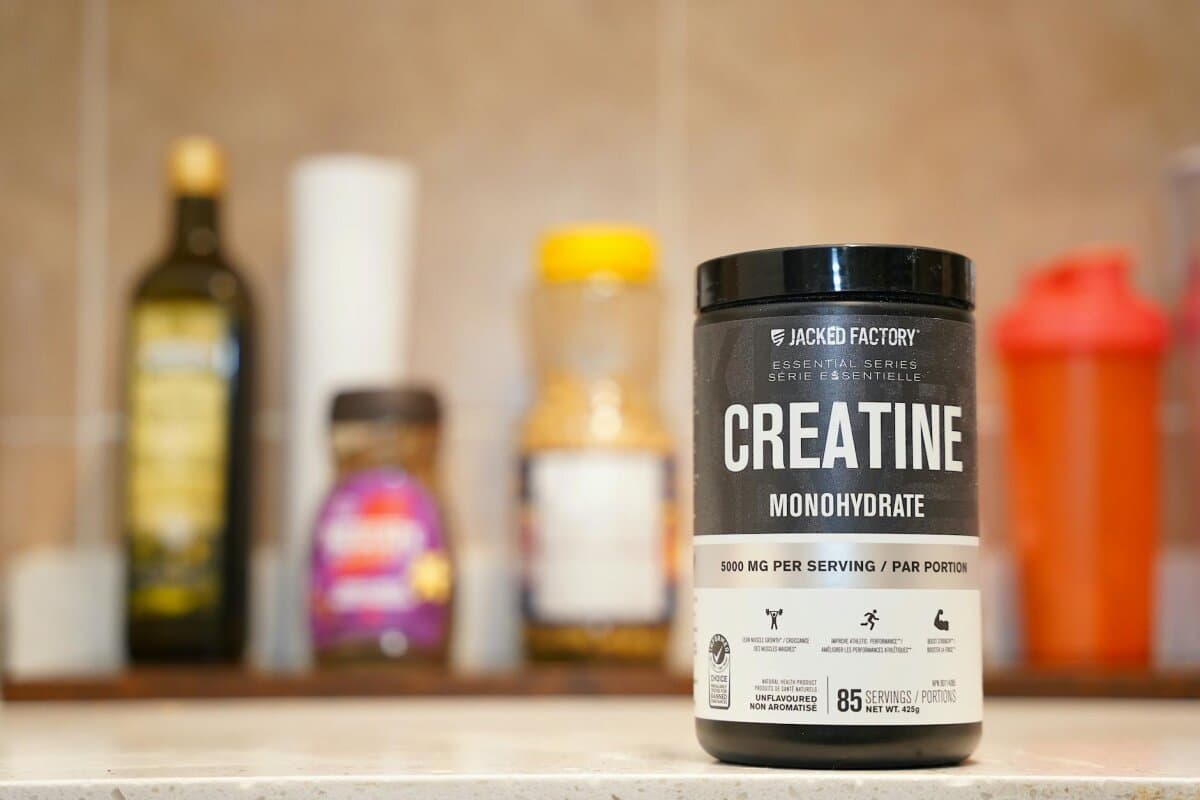
Creatine Monohydrate Guide: Dosage, Timing, and Safety
Creatine monohydrate is one of the most effective and well-researched supplements for strength, power, and muscle growth. This guide breaks down exactly how creatine works, how much to take, when to take it, and what the science says about long-term safety. Learn how to use creatine correctly for better performance and results.
Best Protein Powder 2026: Whey vs Isolate vs Plant
Protein powder continues to be a staple supplement for strength training and general fitness in 2026. This guide compares whey, whey isolate, and plant-based protein powders to help you choose the best option based on muscle growth, digestion, lifestyle, and dietary preferences.

Caffeine Tolerance: How to Reset It for Better Training
Caffeine is one of the most popular performance boosters in training, but daily use can quietly reduce its benefits. This article explains how caffeine tolerance develops and how it impacts strength, endurance, and focus. Learn proven strategies to reset caffeine tolerance and use it more effectively for long-term training progress.
Supplement Cycling Strategies to Avoid Workout Plateaus
Workout plateaus are often linked to overused supplements and rising tolerance. Supplement cycling is a smart strategy to restore effectiveness, protect recovery, and support long-term performance. Learn which supplements to cycle, which to keep consistent, and how to align them with your training goals.