Beginner Workout Tips That Actually Make a Difference

Beginner Workout Tips That Actually Make a Difference
Starting a workout routine sounds simple. Then reality hits.
You Google “how to start working out” and suddenly you’re buried under conflicting advice. Train every day. No, only three times a week. Lift heavy. Actually, don’t lift heavy yet. Do cardio first. Skip cardio entirely. It’s a lot. And for beginners, it’s exhausting before you even break a sweat.
Here’s the good news. You don’t need complicated programs, fancy supplements, or influencer-level motivation to make progress. What you do need are a few fundamentals that actually work in the real world. The kind that help you stay consistent, avoid injuries, and feel stronger week by week.
This guide is exactly that. Beginner-friendly. No jargon overload. Just practical workout tips that make a real difference especially when you’re just getting started.
Why Consistency Matters More Than Intensity
This might be the most important tip on the list. And it’s not very sexy.
Consistency beats intensity. Every time.
Most beginners think progress comes from crushing workouts sweat dripping, muscles shaking, barely walking out of the gym. But those all-out sessions usually lead to one of three things: extreme soreness, burnout, or a minor injury that quietly kills momentum.
Showing up regularly, even when the workout feels “easy,” is what actually builds fitness. Trust me on this.
What Consistency Looks Like for Beginners
Consistency doesn’t mean training every day. It means creating a schedule you can repeat without dread.
For most beginners, that looks like:
- Working out 2 3 times per week
- Sessions lasting 30 60 minutes
- Leaving the workout feeling challenged, not destroyed
Some weeks you’ll feel energized and strong. Other weeks? Not so much. And that’s normal. The win is still showing up, even if you dial things back a little.
Consistency also builds confidence. The gym stops feeling intimidating. Movements feel more natural. Your body adapts. Quietly. Steadily.
Common Beginner Mistake: Doing Too Much Too Soon
This one shows up all the time.
You feel motivated, so you jump into a five-day plan, add extra cardio, and push every set to exhaustion. For a week or two, it feels amazing. Then soreness lingers. Sleep suffers. Motivation dips. And suddenly workouts feel like a chore.
That’s not lack of willpower. That’s poor pacing.
Start smaller than you think you need. You can always add more later. But it’s hard to rebuild consistency once burnout sets in.
Master Proper Form Before Adding Weight
If consistency is the foundation, proper form is the structure.
Good form keeps you safe, helps you target the right muscles, and makes every rep more effective. Bad form? That’s how beginners stall progress or end up nursing cranky shoulders and sore lower backs.
And no, perfect form doesn’t mean robotic movement. It means controlled, intentional reps that feel stable and strong.
Foundational Exercises Every Beginner Should Learn
You don’t need dozens of exercises. You need a few solid movement patterns.
Focus on mastering these basics:
- Squat pattern bodyweight squat variations teach lower-body control
- Push exercises like the Push-Up build chest, shoulders, and core strength
- Pull rows or assisted pulls help posture and back strength
- Core stability planks and bracing drills teach you to control your torso
- Basic cardio walking or Treadmill Running builds endurance without beating you up
These movements show up everywhere. Learn them well, and everything else becomes easier later.
Bodyweight and light resistance are your friends here. They give you room to learn without rushing the process.
How to Know If Your Form Is Correct
This is where beginners get stuck. “Am I doing this right?”
A few simple checks help:
- Can you control the movement without rushing?
- Do you feel the target muscles working, not just joint strain?
- Can you breathe steadily throughout the set?
Mirrors help. Filming yourself helps even more. And if something feels sharp or painful (not just challenging), stop and reassess. Good form feels solid, not sketchy.
Basic Workout Terms Every Beginner Should Understand
Fitness gets confusing fast when the language feels foreign.
Understanding a few basic terms clears up a lot of anxiety and helps you follow programs safely.
Reps, Sets, and Rest Explained Simply
Let’s break it down.
- Reps (repetitions): how many times you perform an exercise in a row
- Sets: groups of reps (for example, 3 sets of 10 reps)
- Rest: the break between sets, usually 60 120 seconds for beginners
If a workout says “3 x 10,” it means three sets of ten reps, resting between each set. Simple once you see it.
What Progressive Overload Means for Beginners
This sounds intimidating, but it’s not.
Progressive overload just means gradually asking your body to do a little more over time.
That can look like:
- Adding a few reps
- Using slightly heavier weight
- Improving form or control
- Reducing rest time
You don’t need to change everything at once. One small improvement is enough. That’s how progress stays sustainable.
Start With a Simple, Beginner-Friendly Workout Routine
The best routine isn’t the most advanced one. It’s the one you’ll actually follow.
Beginners thrive on simplicity. Fewer decisions. Clear structure. Enough recovery to feel good between sessions.
Beginner Full-Body vs. Split Routines
Full-body workouts are a great starting point.
Training your whole body 2 3 times per week allows you to practice movements often without overwhelming volume. You recover faster, and missed sessions don’t derail everything.
Simple split routines (like upper/lower body) can also work if you enjoy slightly longer weeks. But keep it basic. No need for five different leg days.
Whichever you choose, the goal is consistency not perfection.
Gym vs. At-Home Workouts for Beginners
Both work. Really.
The gym offers more equipment and variety, which some people love. At-home workouts remove barriers no commute, no gym anxiety, no waiting for machines.
If getting to the gym feels like a hurdle, start at home. You can build strength with bodyweight exercises and a few dumbbells. Confidence follows quickly.
You can always transition later. Fitness isn’t locked to one location.
Recovery and Nutrition Basics That Support Your Workouts
This part gets overlooked. A lot.
Training breaks your body down slightly. Recovery is where adaptation happens. Skip recovery, and progress stalls.
Why Recovery Is Part of Training
Muscles grow and strengthen when you rest, not while you’re lifting.
Prioritize:
- Sleep: 7 9 hours whenever possible
- Rest days: at least one or two per week
- Hydration: dehydration kills performance fast
If you feel constantly sore, exhausted, or unmotivated, that’s feedback. Listen to it.
Simple Nutrition Tips for Fitness Beginners
You don’t need a strict diet to see results.
Focus on fundamentals:
- Eat enough protein at most meals
- Include fruits and vegetables regularly
- Don’t fear carbs they fuel workouts
- Drink water throughout the day
Consistency matters more than perfection here too. One balanced meal won’t change everything. But repeated habits will.
Track Progress Beyond the Scale
The scale is a terrible storyteller.
Weight fluctuates daily based on water, food, stress, and sleep. Beginners who rely only on the scale often miss real progress happening right in front of them.
Easy Ways Beginners Can Track Progress
Try these instead:
- Strength gains (more reps or weight)
- Improved endurance or shorter rest times
- Better movement quality and control
- How clothes fit
- Energy levels and confidence
Write things down. Use a notes app. Keep it simple. Seeing progress on paper builds motivation when enthusiasm dips.
Final Thoughts: Keep It Simple and Stay Consistent
Fitness doesn’t need to be extreme to be effective.
Focus on showing up. Learn proper form. Train with intention. Recover well. Eat like an adult most of the time. That’s it.
Ignore trends that promise instant results. They fade fast. Fundamentals stick.
Be patient with yourself. Progress feels slow at first, then suddenly it’s obvious. And once momentum builds, staying consistent gets easier than quitting.
You don’t need to do everything. You just need to do a few things over and over again.
Frequently Asked Questions
Related Articles
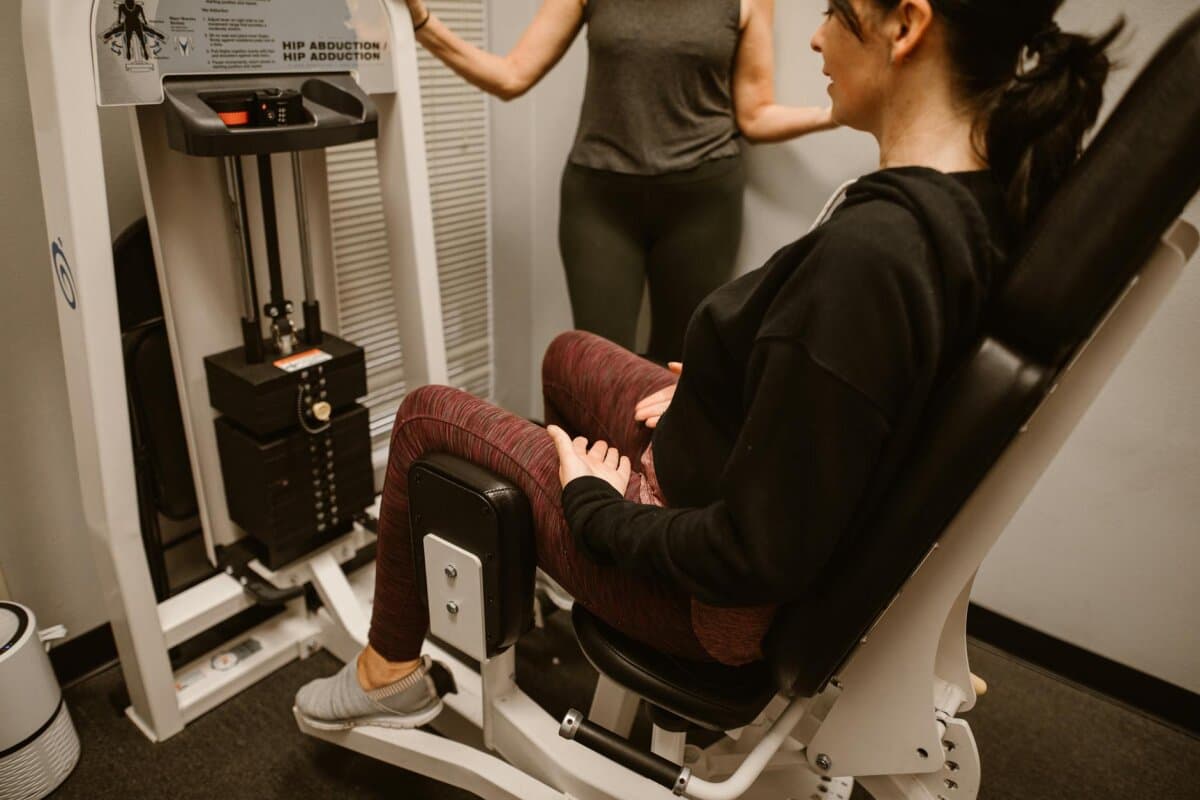
How to Optimize Lifting Technique With Biomechanics
Biomechanics offers a smarter way to improve lifting technique by understanding how your body moves under load. By applying principles like leverage, balance, and joint alignment, lifters can build strength more efficiently while reducing injury risk. This guide shows how to use biomechanics to refine form in major compound lifts.

Repetition Effort Method Explained for Hypertrophy and Strength
The repetition effort method is a proven training approach that uses moderate weights and high reps taken close to failure to stimulate muscle growth. Popular in both bodybuilding and strength training systems, it builds size, work capacity, and long-term strength. Learn how to program it effectively for hypertrophy-focused results.
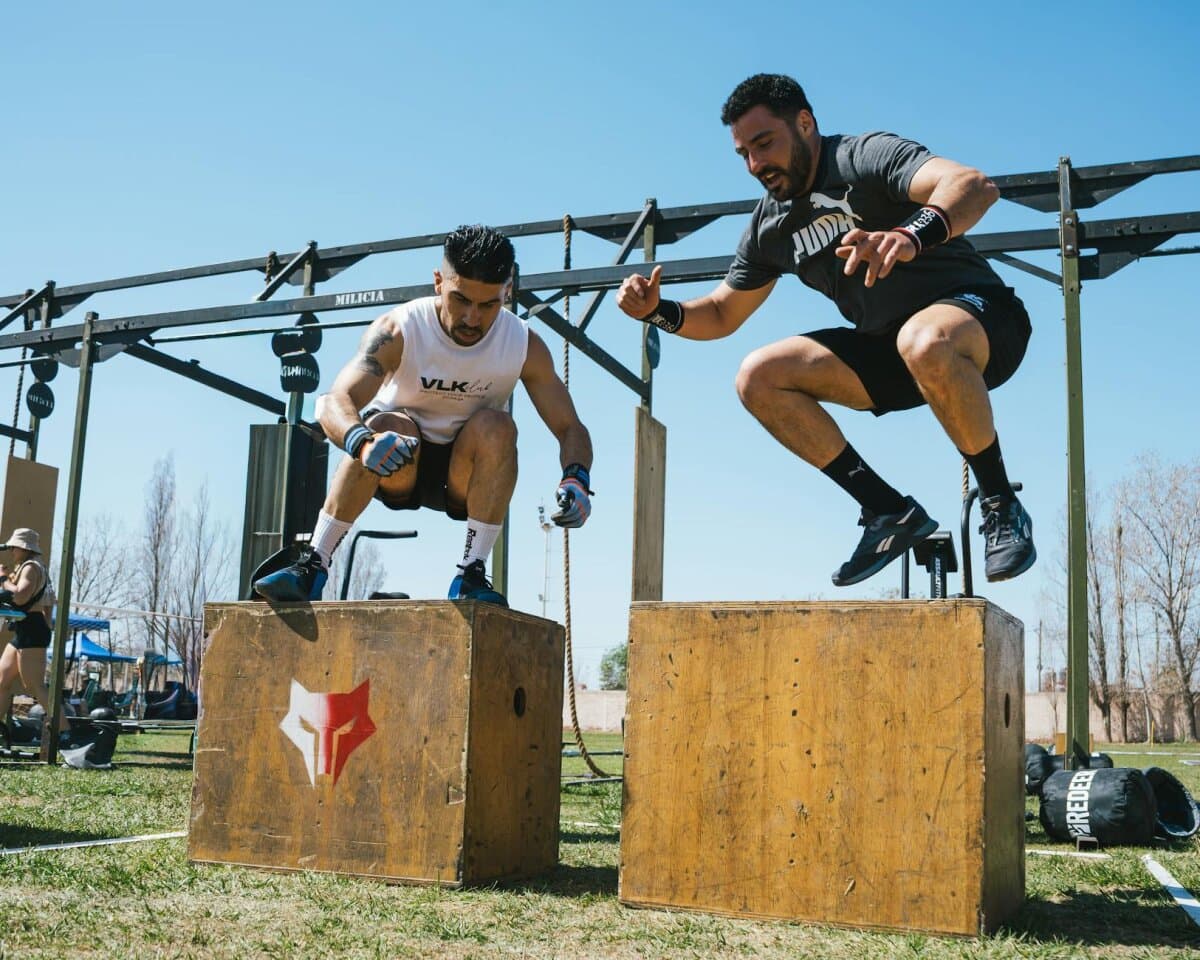
Velocity Based Training: Auto-Regulate Like a Pro
Velocity based training is a data-driven approach that uses bar speed to auto-regulate load, volume, and intensity. Instead of guessing based on percentages, VBT helps lifters train according to real-time performance. Learn how to apply velocity metrics to build strength, manage fatigue, and progress smarter.
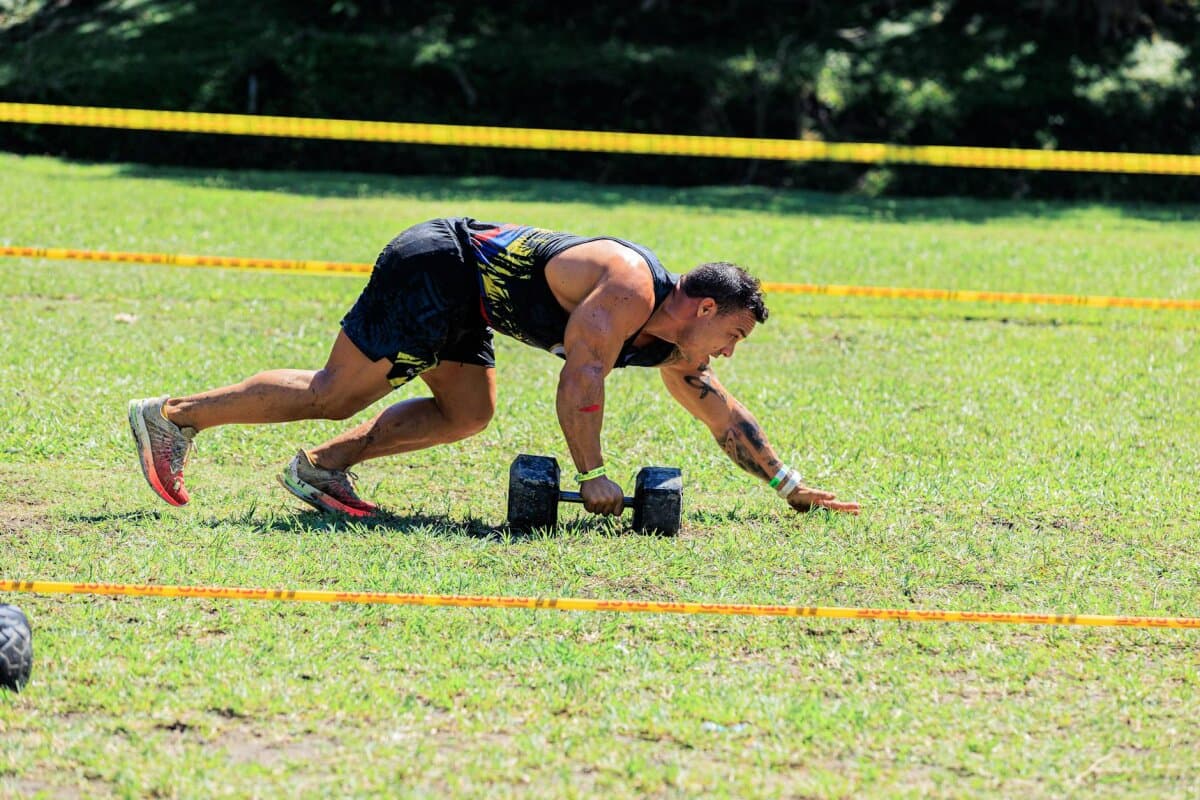
Neural Drive Enhancement for Explosive Strength Training
Explosive strength is driven as much by the nervous system as by muscle size. This article explains how neural drive influences power output and how targeted training methods can improve explosive performance. Learn how to program heavy lifts, speed work, and recovery for long-term strength gains.