Progressive Overload Made Simple for Beginners

Progressive Overload Made Simple for Beginners
You’re showing up. You’re sweating. Maybe you’re even sore the next day. And yet… nothing seems to change. No visible muscle. No real strength gains. Just the same weights, the same reps, week after week.
If that sounds familiar, you’re not lazy or broken. You’re just missing one simple principle. Progressive overload.
Here’s the good news. Progressive overload isn’t complicated. It doesn’t mean lifting crazy-heavy weights or training like a pro bodybuilder. And no, it doesn’t require a spreadsheet obsession either. It’s just a smart, gradual way to challenge your body so it has a reason to adapt.
Let’s break it down. No fluff. No bro science. Just the basics that actually work.
What Is Progressive Overload?
At its core, progressive overload means this: you slowly make your workouts a little harder over time.
That’s it. Nothing mystical.
Your body is incredibly good at adapting. Lift the same weight for the same reps long enough, and eventually it says, “Cool, I’ve got this.” Once that happens, progress stalls. Muscle growth slows. Strength levels off. Motivation dips.
Progressive overload is how you stay one step ahead of that adaptation.
Progressive Overload in Simple Terms
Think of it like this. If you always carry the same grocery bags from your car, they never feel lighter. But if you slowly add more weight to the bags over time, your arms and grip get stronger.
The gym works the same way.
You apply a stress (lifting, pushing, pulling). Your body recovers. Then it adapts by getting stronger or building muscle so the next time feels easier. Progressive overload is simply increasing that stress gradually so your body keeps adapting.
Do the exact same workout forever? Your body has no reason to change.
Why Progressive Overload Is Essential for Results
If you care about results and let’s be honest, that’s why most of us train progressive overload isn’t optional. It’s the engine behind almost every fitness goal.
Muscle growth? Comes from repeatedly challenging muscle fibers beyond what they’re used to.
Strength gains? Same deal. Your nervous system and muscles adapt to heavier or more demanding work.
Better performance? Yep. Whether it’s more reps, better control, or less rest, progression drives improvement.
What Happens If You Don’t Progress?
This is where a lot of beginners get stuck.
You might feel tired after workouts. You might even feel accomplished. But if nothing is changing over weeks or months, you’re spinning your wheels.
No progression usually leads to:
- Plateaus that last way too long
- Frustration and boredom
- That creeping thought of “Is this even working?”
Progressive overload gives your training direction. It turns random workouts into a plan.
The 5 Simple Ways to Apply Progressive Overload
Here’s where people tend to overthink things. You don’t need to use all five methods at once. In fact, you shouldn’t.
Pick one. Stick with it. Then move on when needed.
1. Increase the Weight
This is the most obvious method, and yes, it works. Adding a small amount of weight over time forces your muscles to work harder.
But here’s the beginner mistake jumping too fast.
If you’re doing a Barbell Bench Press with good form for all your reps, adding 5 pounds next week is plenty. You don’t need to chase big jumps.
2. Add More Reps
Not ready to increase weight? No problem. Add reps instead.
If you’re aiming for 8 12 reps and you hit 12 clean reps on every set, that’s your green light. Next session, you can either add weight or reset back to 8 reps with a slightly heavier load.
Using Weight and Reps as a Beginner
This combo is gold for beginners.
Example:
- Week 1: 3 sets of 8 reps
- Week 2: 3 sets of 9 10 reps
- Week 3: 3 sets of 11 12 reps
- Week 4: Increase weight, drop back to 8 reps
Simple. Predictable. Effective.
3. Increase Sets or Total Volume
Another option is doing more total work.
Going from 2 sets to 3 sets of an exercise increases the challenge without changing the weight. This works well for bodyweight movements like the Push-Up.
4. Slow Down the Tempo
Ever tried lowering a weight slowly? It burns. Fast.
Slowing the eccentric (lowering) part of a rep increases time under tension. That’s a sneaky but effective way to progress without adding load.
5. Increase Training Frequency
Once recovery is solid, adding an extra training day can be a form of overload.
For example, moving from two full-body workouts per week to three without increasing intensity can spark new progress.
Other Easy Progression Methods Most Beginners Miss
Here’s the thing. Progression isn’t always about more weight.
Better control. Cleaner form. Shorter rest periods. Even improved confidence under the bar all count.
And trust me on this: mastering the basics pays off way more than chasing numbers early on.
How Beginners Should Use Progressive Overload Safely
This is where patience matters.
Your goal isn’t to progress every single workout forever. That’s unrealistic. Some weeks you’ll push forward. Other weeks you’ll maintain. Both are fine.
Start conservatively. Focus on learning proper form first. A clean rep with control beats sloppy weight every time.
As a general rule, beginners can aim to progress every 1 2 weeks on most lifts. If you feel beat up, sore, or exhausted all the time, you’re probably pushing too hard.
Recovery matters. Sleep. Rest days. Eating enough. They’re part of the process.
Examples Using Common Beginner Exercises
Let’s make this real.
Push-Ups: Start with 3 sets of 6 8 reps. Over time, build up to 12 15 reps. Then slow the tempo or add a weighted backpack.
Squats: If you’re barbell squatting, using a Barbell Full Squat, increase reps first before adding weight. Your joints will thank you.
Pulling Movements: On machines like the Reverse Grip Machine Lat Pulldown, add 5 10 pounds only after you can control every rep.
Slow progress done consistently beats fast progress that leads to injury.
Common Beginner Mistakes and How to Track Progress
Let’s call these out, because almost everyone makes them.
- Adding weight too fast
- Changing reps, sets, and exercises all at once
- Not writing anything down
Progressive overload only works if you know what you did last time. Memory isn’t reliable. Especially after leg day.
Simple Tracking Methods That Actually Work
You don’t need fancy tech.
- A small notebook
- Notes app on your phone
- A basic workout app
Track the exercise, weight, reps, and sets. That’s enough.
Rep ranges are especially helpful. If your goal is 8 12 reps, let performance guide progression instead of ego.
Progressive Overload for Different Fitness Goals
Not all progression looks the same. Your goal matters.
Strength-focused? Prioritize adding weight while keeping reps lower and form tight.
Muscle growth? Use moderate weights, higher reps, and focus on volume and control.
General fitness or home workouts? Progress reps, tempo, or difficulty on bodyweight moves. Even small changes count.
Matching Progressive Overload to Your Goal
The principle stays the same. Only the method changes.
Ask yourself: “How can I make this just a little harder than last time?” Answer that honestly, and you’re on the right path.
Keep It Simple and Stay Consistent
Progressive overload isn’t flashy. It’s not trendy. And it definitely isn’t complicated.
But it works. Every time.
You don’t need perfect workouts. You don’t need to train like an athlete. You just need small, consistent improvements stacked over time.
Be patient. Track your work. Respect recovery. And remember getting stronger is a long game.
Show up. Do a little more than last time. Repeat.
Frequently Asked Questions
Related Articles
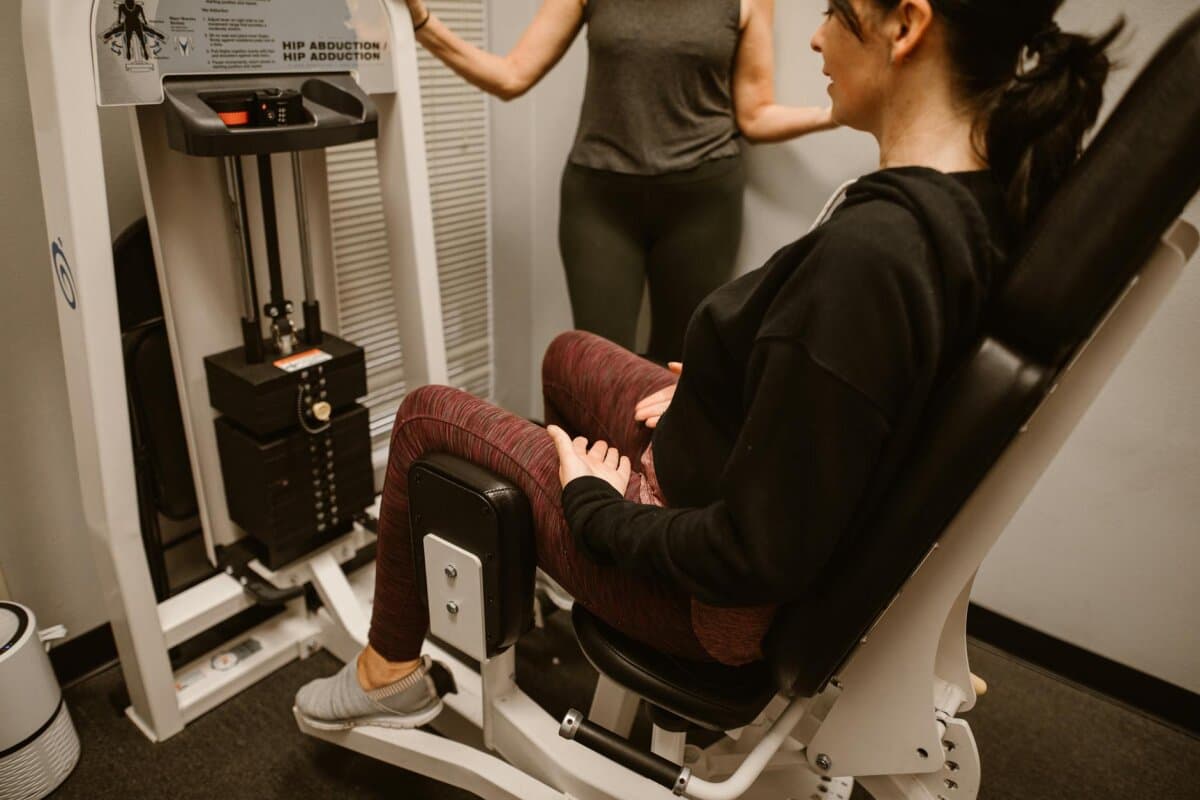
How to Optimize Lifting Technique With Biomechanics
Biomechanics offers a smarter way to improve lifting technique by understanding how your body moves under load. By applying principles like leverage, balance, and joint alignment, lifters can build strength more efficiently while reducing injury risk. This guide shows how to use biomechanics to refine form in major compound lifts.
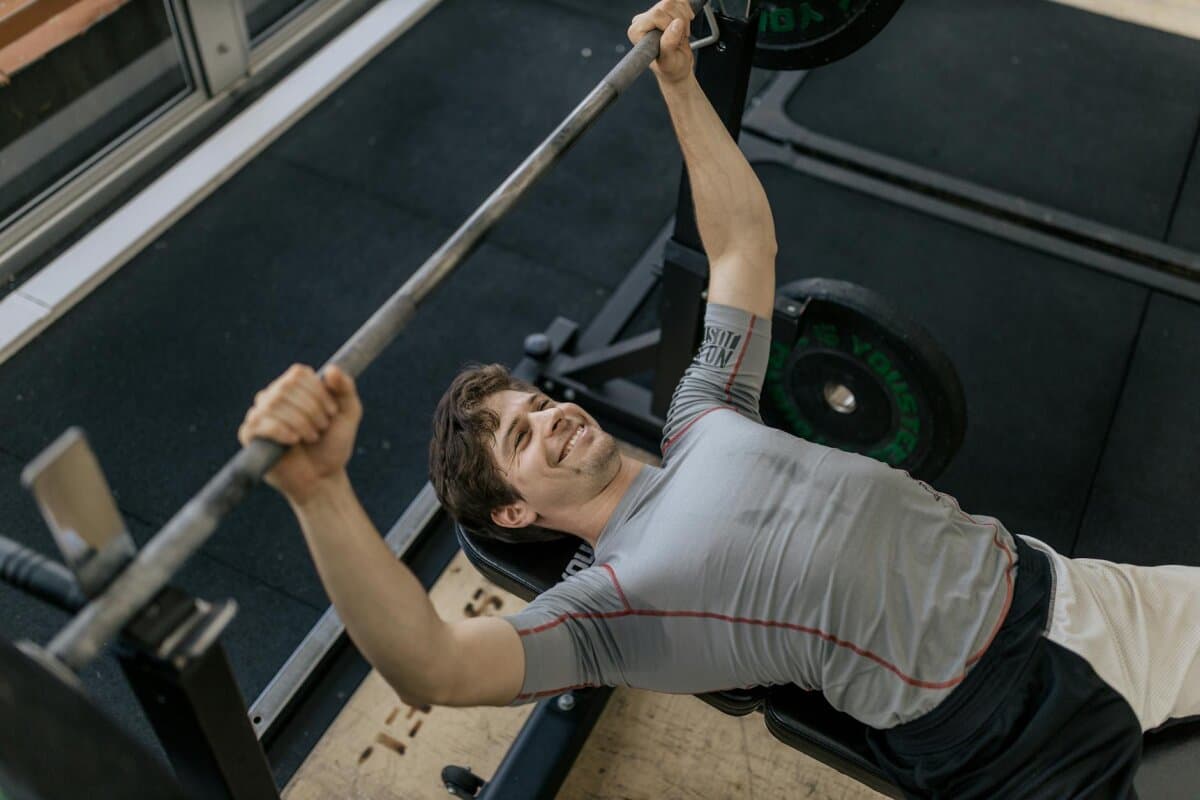
Repetition Effort Method Explained for Hypertrophy and Strength
The repetition effort method is a proven training approach that uses moderate weights and high reps taken close to failure to stimulate muscle growth. Popular in both bodybuilding and strength training systems, it builds size, work capacity, and long-term strength. Learn how to program it effectively for hypertrophy-focused results.
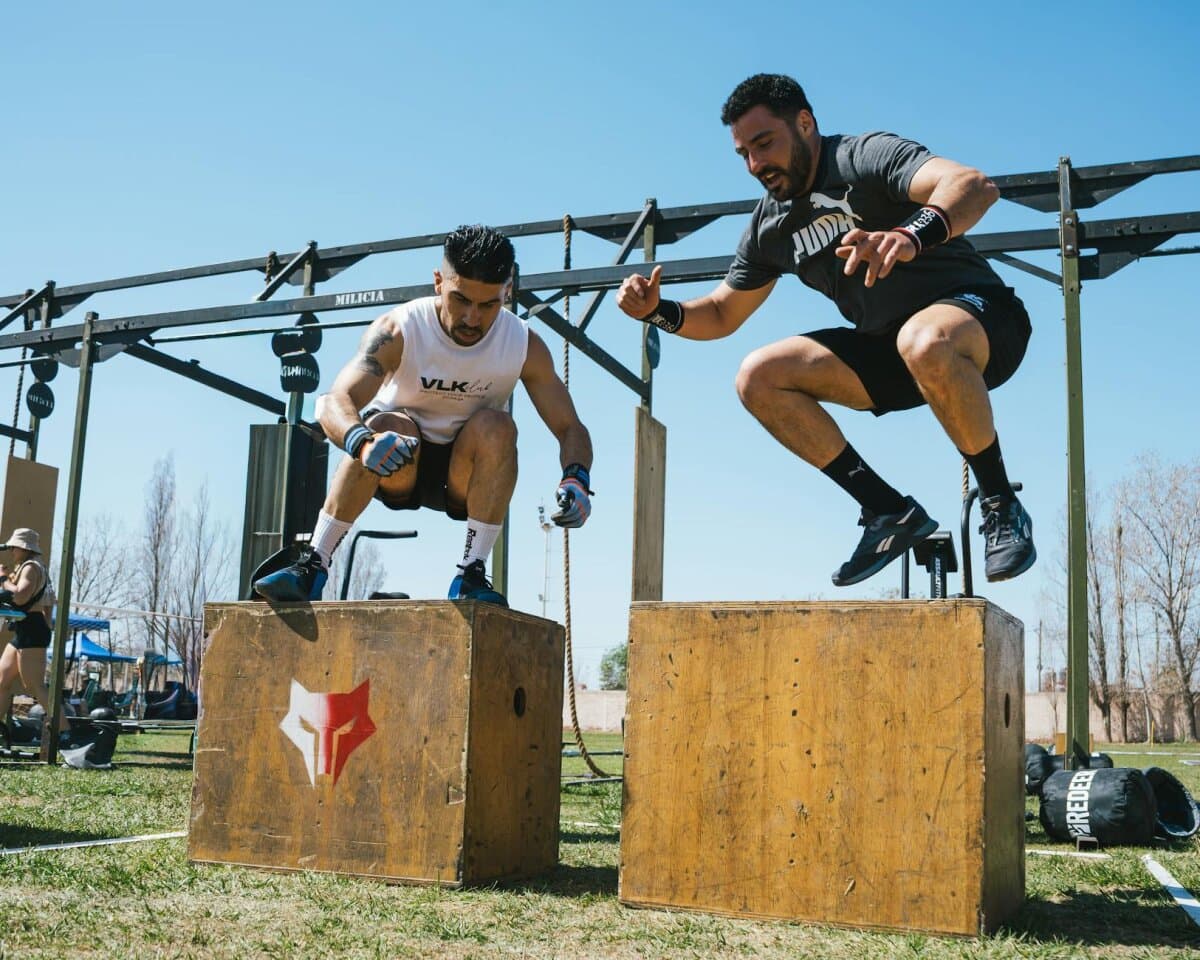
Velocity Based Training: Auto-Regulate Like a Pro
Velocity based training is a data-driven approach that uses bar speed to auto-regulate load, volume, and intensity. Instead of guessing based on percentages, VBT helps lifters train according to real-time performance. Learn how to apply velocity metrics to build strength, manage fatigue, and progress smarter.
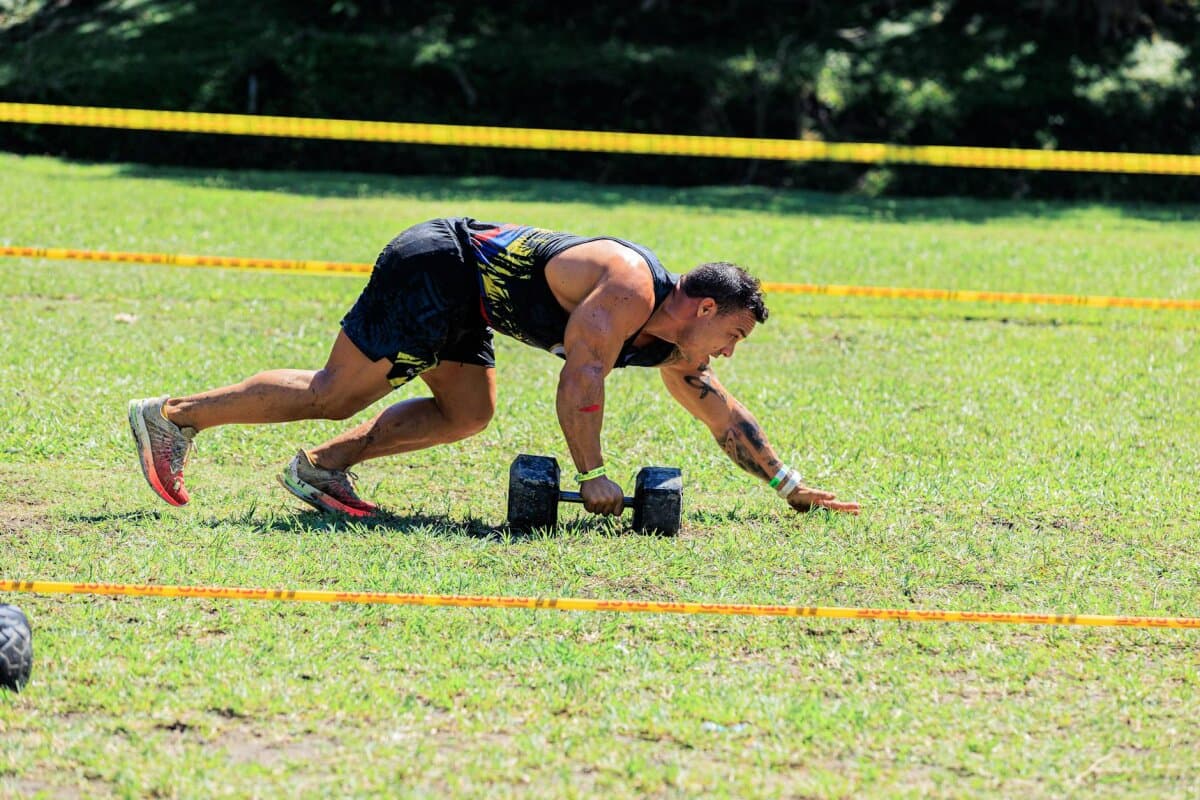
Neural Drive Enhancement for Explosive Strength Training
Explosive strength is driven as much by the nervous system as by muscle size. This article explains how neural drive influences power output and how targeted training methods can improve explosive performance. Learn how to program heavy lifts, speed work, and recovery for long-term strength gains.