Workout Frequency Explained: How Often Should You Train?

You walk into the gym or roll out your mat at home and the question hits you again. Am I training enough? Or worse, am I doing too much? Scroll social media and you’ll see one coach swearing by six days a week, another preaching three short sessions, and someone else claiming daily workouts changed their life. Confusing, right?
Workout frequency is one of the most common sticking points in fitness. And honestly, it makes sense. We’re all busy. Recovery matters. And nobody wants to waste time spinning their wheels. So let’s slow this down and break it apart no hype, no extremes. Just clear, science-backed guidance you can actually use.
By the end, you’ll know how often you should train based on your goals, experience level, and real-life schedule. Trust me on this it’s simpler than you think.
What Is Workout Frequency? The Basics Explained
At its core, workout frequency is about how often you train. Usually measured per week. But there’s a little more nuance than just counting gym days.
There are two ways people talk about frequency:
- Training frequency: how many workout sessions you do each week
- Muscle group frequency: how often each muscle is trained per week
For example, you might train four days a week. Sounds solid. But if you only hit legs once and upper body three times, your muscle-specific frequency isn’t balanced.
This matters because muscles don’t grow during workouts. They grow during recovery. Frequency helps determine how often you stimulate that growth and how well you recover between sessions.
Workout Frequency vs. Volume and Intensity
This is where people get tripped up.
Volume is how much work you do (sets × reps × weight). Intensity is how hard that work feels or how heavy the load is. Frequency is how often that work shows up during the week.
Train more days? You often need less volume per session. Train fewer days? Each workout usually gets longer or heavier. It’s a balancing act. Push all three too high and recovery takes a hit. And yeah… your progress stalls.
How Workout Frequency, Recovery, and Progress Are Connected
Every workout creates stress. That’s not a bad thing it’s how your body adapts. But adaptation only happens if you give it time and fuel to recover.
When you lift weights, you create tiny disruptions in muscle fibers. During rest especially sleep your body repairs those fibers and builds them back a little stronger. That’s the magic.
Train again too soon and you interrupt that process. Wait too long and the signal fades. Frequency helps you hit that sweet spot.
Rest days aren’t lazy days. They’re productive days. Stronger muscles, healthier joints, better motivation it all depends on recovery.
Why More Isn’t Always Better
More workouts don’t automatically mean more results. Anyone who’s trained through constant soreness knows this feeling.
Overdoing frequency can lead to:
- Persistent muscle soreness that never quite goes away
- Decreasing strength instead of progress
- Poor sleep and low motivation
- That heavy, burned-out feeling before you even warm up
On the flip side, training too infrequently can leave gains on the table. Long gaps between sessions mean you’re relearning movements instead of building on them.
The goal? Stimulate. Recover. Repeat.
How Your Fitness Goals Determine How Often You Should Train
This is the part everyone skips and shouldn’t. Your ideal workout frequency depends heavily on what you’re actually training for.
Let’s break it down.
Strength and Muscle Growth Frequency
If building muscle or strength is your goal, most research points to training each muscle group 2 3 times per week.
That might mean squatting twice weekly with something like a Barbell Full Squat, pressing once or twice with a Barbell Bench Press, and pulling regularly through movements like the Pull-Up.
Heavier, more taxing lifts like the Barbell Deadlift often thrive with slightly lower frequency. Once or twice per week is plenty for most people. Your lower back will thank you.
The key isn’t crushing yourself every session. It’s consistent exposure with quality reps.
Fat Loss and General Health Frequency
Fat loss is more flexible. Total activity matters more than perfect structure.
Strength training 2 4 days per week works great. Cardio? You can usually do that more often, especially at lower intensities.
Something like Treadmill Running or brisk walking can be done most days because recovery demands are lower. You’re improving cardiovascular health without beating up your joints.
For general health, even 2 3 well-planned workouts per week can make a massive difference. Seriously.
Beginner, Intermediate, and Advanced Workout Frequency Guidelines
Your training age how long you’ve been lifting consistently matters more than your calendar age.
As experience increases, your ability to recover improves. Technique gets cleaner. Muscles adapt faster. That allows for higher frequency.
Beginner Workout Frequency Examples
If you’re new (or returning after a long break), start simple.
- 2 3 strength sessions per week
- Full-body workouts
- At least one rest day between lifting days
A three-day full-body routine is gold here. You practice movements often, recover well, and build a solid foundation without burning out.
Intermediate and Advanced Training Schedules
With more experience, frequency can climb.
- Intermediate: 3 5 days per week
- Advanced: 4 6 days per week (sometimes more, with smart programming)
This often means split routines where each muscle group still gets trained 2 3 times weekly but spread across more sessions.
More days doesn’t mean harder days. It means better distribution.
Full-Body vs. Split Routines: How Frequency Changes
This is where workout structure and frequency intersect.
Full-body routines train most major muscles every session. Frequency per muscle is high, but volume per session is lower.
Split routines divide muscles across days. Each session feels more focused, but muscles are trained less often per workout.
Neither is better. They’re just tools.
Choosing the Right Split for Your Schedule
If you can only train three days a week? Full-body makes a lot of sense.
Four days? An upper/lower split balances frequency and recovery nicely.
Five or six days and love the gym? Push-pull-legs can work great as long as sleep and nutrition are dialed in.
The best split is the one you can stick to consistently. Missed workouts kill progress faster than imperfect programming.
Signs You’re Training Too Often (or Not Enough)
Your body gives feedback. You just have to listen.
Signs you might be training too often:
- Constant soreness or joint aches
- Strength going down instead of up
- Trouble sleeping
- Dreading workouts you used to enjoy
Signs frequency may be too low:
- Stalled progress for weeks
- Feeling rusty every session
- Lack of conditioning or work capacity
How Lifestyle Factors Affect Optimal Frequency
Here’s the real-world stuff people ignore.
Poor sleep, high stress, long work hours, and getting older all reduce recovery capacity. That doesn’t mean you can’t train hard. It means you may need fewer sessions or smarter ones.
If life is chaotic, three focused workouts can outperform six half-hearted ones. Every time.
Finding the Right Workout Frequency for You
There’s no single number that works for everyone. And that’s actually good news.
Start with a frequency you can recover from. Build consistency. Then adjust. Add a day if progress is solid and energy is high. Pull back if fatigue creeps in.
Results don’t come from doing the most. They come from doing the right amount, week after week. Train hard. Rest well. Repeat. You’ve got this.
Frequently Asked Questions
Related Articles
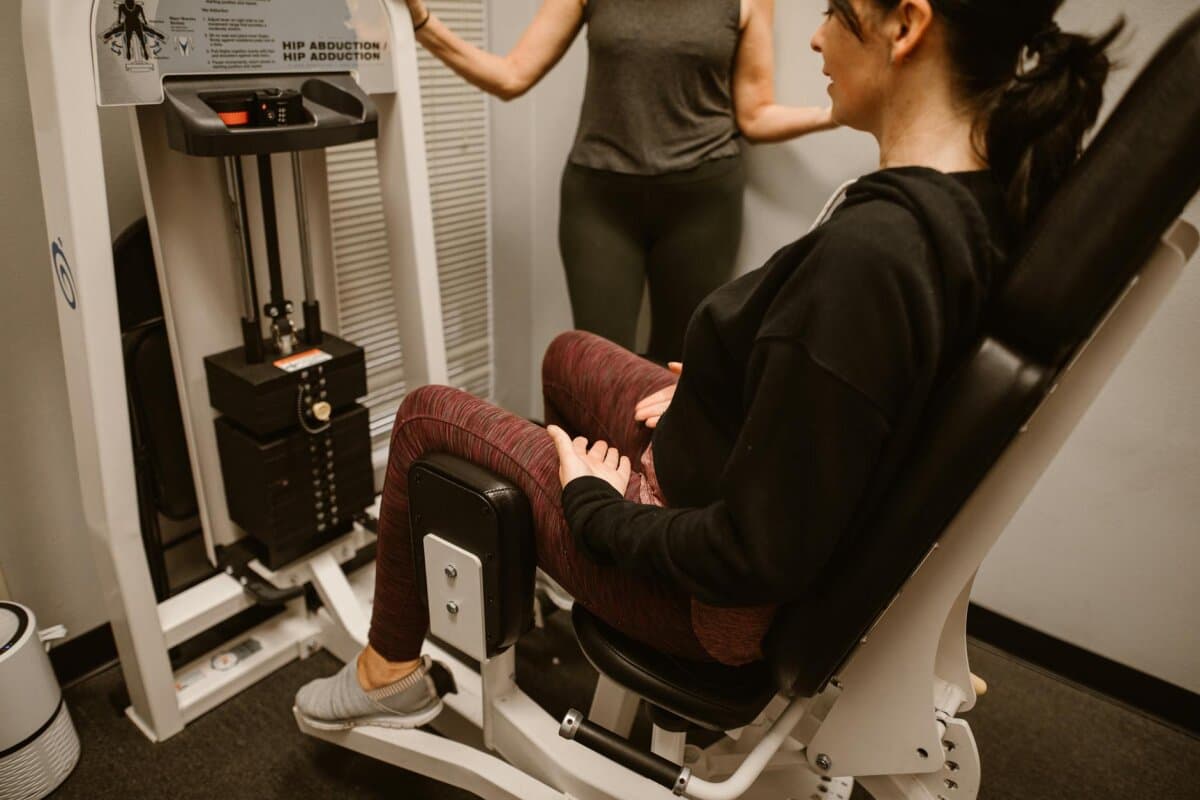
How to Optimize Lifting Technique With Biomechanics
Biomechanics offers a smarter way to improve lifting technique by understanding how your body moves under load. By applying principles like leverage, balance, and joint alignment, lifters can build strength more efficiently while reducing injury risk. This guide shows how to use biomechanics to refine form in major compound lifts.

Repetition Effort Method Explained for Hypertrophy and Strength
The repetition effort method is a proven training approach that uses moderate weights and high reps taken close to failure to stimulate muscle growth. Popular in both bodybuilding and strength training systems, it builds size, work capacity, and long-term strength. Learn how to program it effectively for hypertrophy-focused results.
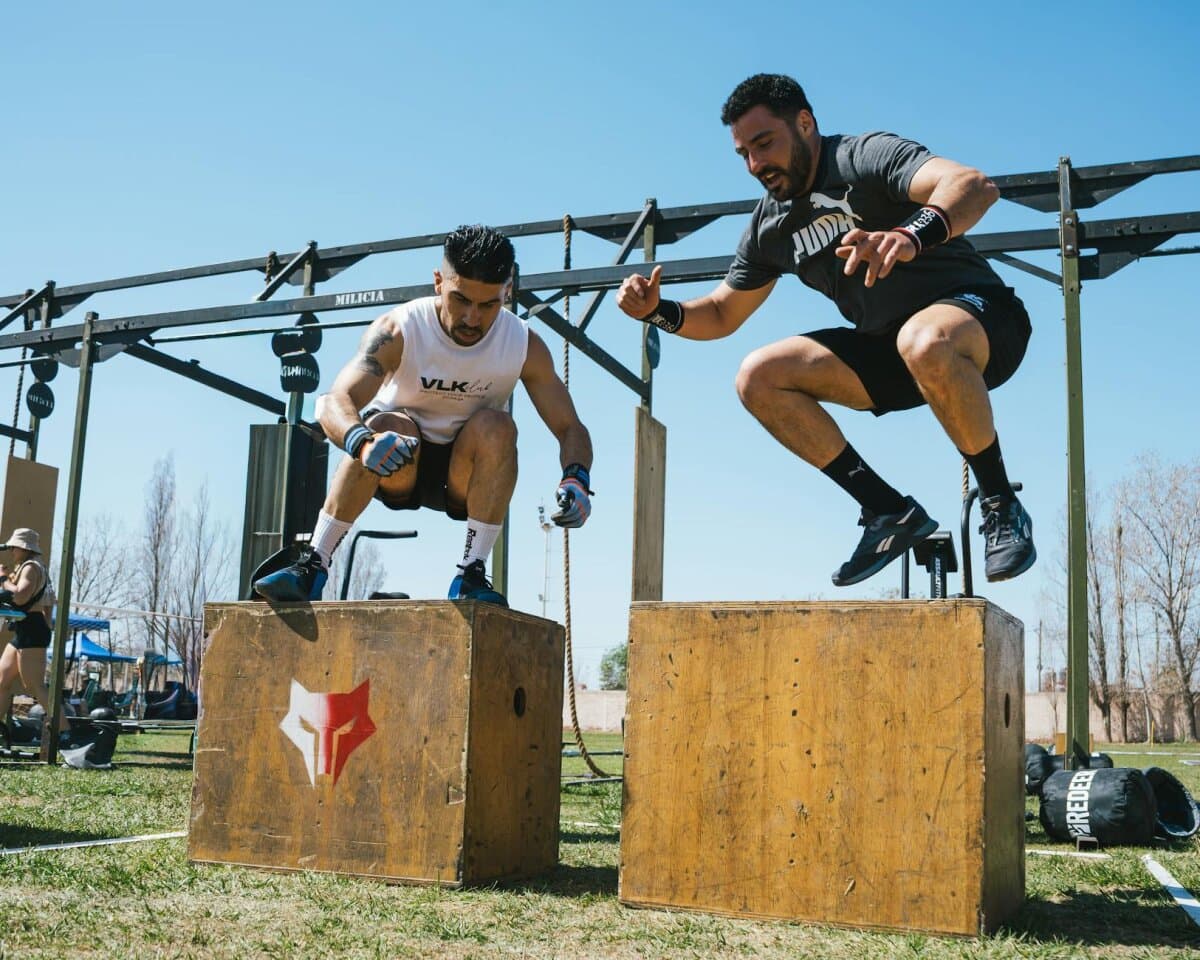
Velocity Based Training: Auto-Regulate Like a Pro
Velocity based training is a data-driven approach that uses bar speed to auto-regulate load, volume, and intensity. Instead of guessing based on percentages, VBT helps lifters train according to real-time performance. Learn how to apply velocity metrics to build strength, manage fatigue, and progress smarter.
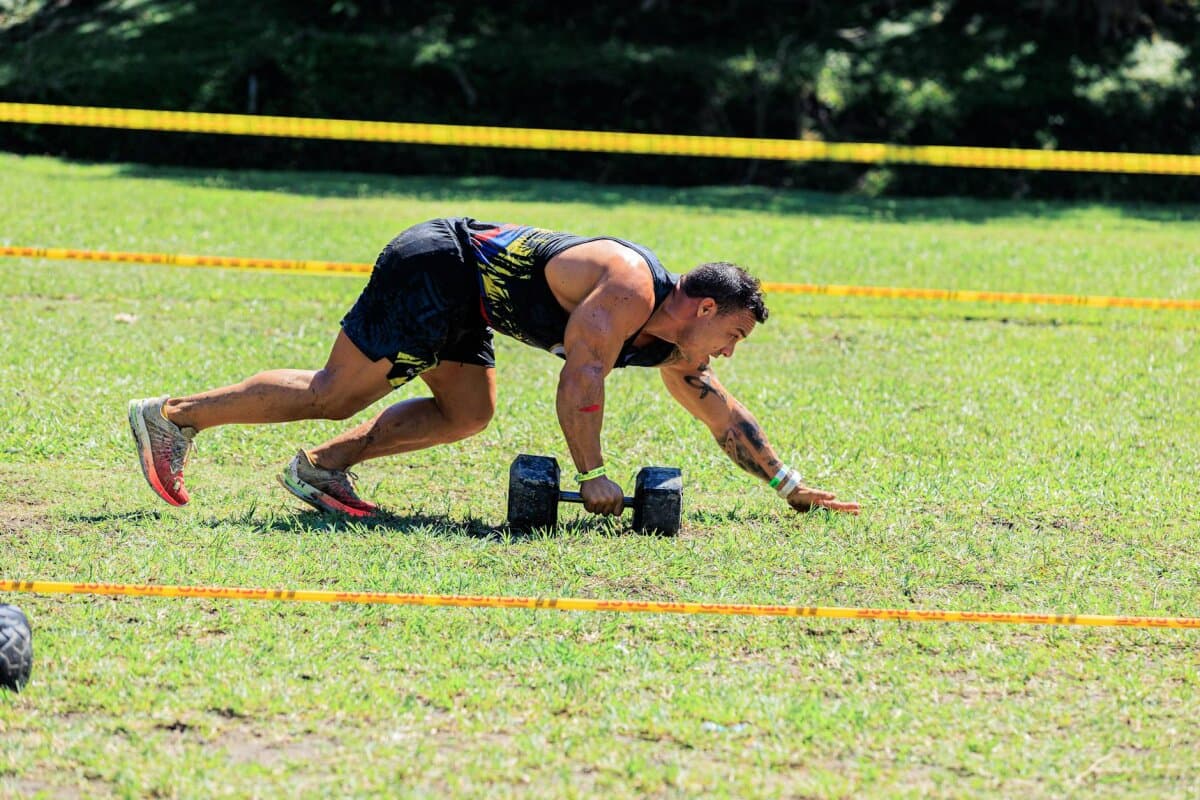
Neural Drive Enhancement for Explosive Strength Training
Explosive strength is driven as much by the nervous system as by muscle size. This article explains how neural drive influences power output and how targeted training methods can improve explosive performance. Learn how to program heavy lifts, speed work, and recovery for long-term strength gains.