Citrulline Malate Dosage for Pumps, Performance, and Timing
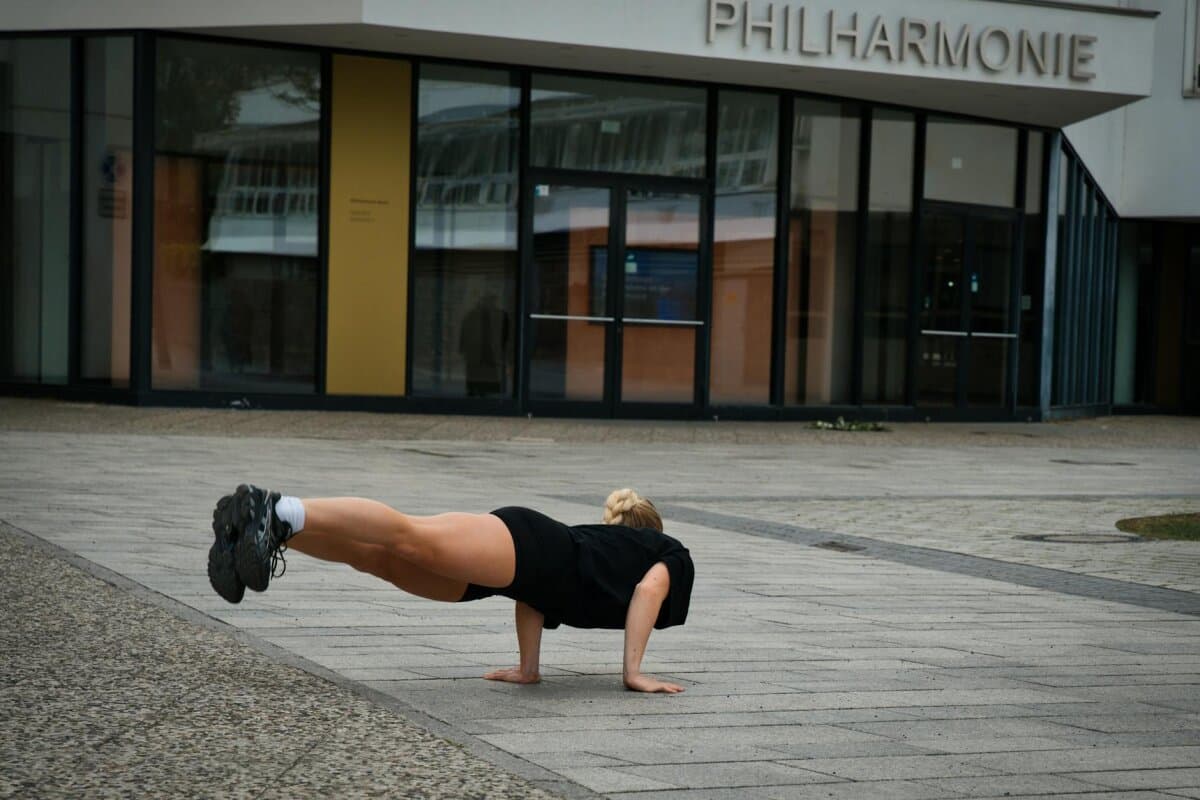
You’ve probably seen Citrulline Malate listed near the top of just about every pre-workout label. And yeah, there’s a reason for that. Lifters want better pumps, more reps before failure, and solid performance without feeling like their heart is about to jump out of their chest.
But here’s the thing. Most people either underdose it, mistime it, or have no idea what it’s actually doing once it’s in their system. Then they wonder why the “pump” feels… underwhelming.
So let’s clear it up. How much Citrulline Malate do you really need? When should you take it? And does it actually help you push harder in the gym, or is it just a feel-good supplement?
Trust me, this one’s worth getting right.
What Is Citrulline Malate and How Does It Work?
Citrulline Malate is a compound made from two parts: L-citrulline, a non-essential amino acid, and malic acid, an organic acid involved in energy production.
On its own, L-citrulline already has some impressive benefits. But when it’s bonded with malate, you get a supplement that supports blood flow and training endurance. That’s why it shows up so often in pump-focused and non-stimulant pre-workouts.
At a basic level, Citrulline Malate helps your body produce more nitric oxide. More nitric oxide means wider blood vessels. Wider blood vessels mean better circulation. And better circulation means your muscles get more oxygen, nutrients, and water while you’re training.
That’s where the pump comes from. And yes it’s more than just a cosmetic thing.
L-Citrulline, Arginine, and Nitric Oxide Explained
Here’s a quick breakdown without the biochemistry headache.
L-citrulline gets converted into L-arginine in your kidneys. Arginine is the direct precursor to nitric oxide, which tells your blood vessels to relax and expand.
Now, you might be thinking, “Why not just take arginine?” Fair question. The problem is arginine doesn’t absorb very well when taken orally. A lot of it gets broken down before it can do its job.
Citrulline bypasses that issue. It raises arginine levels more effectively and keeps nitric oxide elevated longer. That’s why Citrulline Malate has largely replaced arginine in modern pre-workout formulas.
Why Malic Acid Is Added to Citrulline
Malic acid isn’t there just to sound scientific.
It plays a role in the Krebs cycle, which is how your body produces ATP basically your muscular energy currency. While malate isn’t a stimulant, it may help reduce the feeling of fatigue during longer or higher-volume sessions.
In the real world? That can mean squeezing out an extra rep. Or not feeling completely gassed halfway through leg day. Small edge. But those add up.
Citrulline Malate Dosage for Muscle Pumps
Let’s talk pumps. The reason most people buy this stuff in the first place.
A muscle pump happens when blood and fluid rush into the working muscle faster than it can escape. The muscle swells, tightens, and gets that full, stretched feeling everyone loves in the mirror.
But here’s the catch. You don’t get that effect from sprinkle-level dosing.
Best Dose Range for Maximum Pumps
Most research and a lot of real-world gym experience points to a sweet spot of 6 8 grams of Citrulline Malate taken before training.
At this dose, nitric oxide production is high enough to noticeably improve blood flow. Pumps feel fuller. Veins show up faster. Muscles stay engorged longer between sets.
Lower doses, like 3 4 grams, may still do something. Especially if you’re new to supplements. But for experienced lifters? That amount often feels like a warm-up, not the main event.
One thing to watch: some products list “Citrulline Malate 2:1.” That means only about two-thirds of the weight is actual L-citrulline. So if the label says 6 grams, you’re really getting closer to 4 grams of citrulline. Keep that in mind.
Exercises Where Pump Effects Are Most Noticeable
You’ll feel Citrulline Malate during almost any workout, but pumps really shine during higher-rep or isolation-heavy training.
Think arm days where every curl makes your sleeves tighter. Exercises like the Dumbbell Incline Alternate Hammer Curl are pump magnets. Blood flow increases fast, and the muscle stays swollen set after set.
Leg training is another big one. High-rep sets on the leg press or deep squats can create that skin-splitting quad pump that makes walking interesting afterward.
Compound lifts benefit too, especially when volume is high. A chest session built around the Barbell Bench Press feels very different when blood flow is dialed in.
Performance Benefits: Endurance, Volume, and Fatigue
Pumps are fun. But performance is what actually drives progress.
Citrulline Malate’s real value shows up when workouts start to drag. Long sessions. Short rest periods. High total reps.
By improving circulation and oxygen delivery, it may help delay muscular fatigue. Not eliminate it but push it back just enough to matter.
Citrulline Malate for High-Volume Hypertrophy Training
If you train with a hypertrophy focus moderate weights, lots of sets, controlled rest this supplement fits perfectly.
Better blood flow means better nutrient delivery during the workout itself. That can translate to more total reps across the session and less of that burning, acidic shutdown feeling in later sets.
Leg days are a great example. High-volume squats like the Barbell Full Squat demand a lot from your cardiovascular and muscular systems. Citrulline Malate won’t make them easy. But it can help you maintain output longer before form and power drop off.
Does Citrulline Malate Increase Strength?
This one gets misunderstood.
Citrulline Malate is not a direct strength booster like creatine. You’re probably not adding 20 pounds to your one-rep max because you took it.
What it can do is support strength indirectly. More reps at a given weight. Better bar speed late in the workout. Less performance drop-off across sets.
Over time, those small advantages support strength gains. Especially when combined with smart programming and recovery.
Best Timing: When to Take Citrulline Malate
Dosage matters. Timing matters too.
Citrulline Malate isn’t something you take mid-set and feel instantly. Your body needs time to convert citrulline into arginine and raise nitric oxide levels.
Pre-Workout Timing for Peak Effects
The sweet spot for most lifters is 30 60 minutes before training.
This window allows blood arginine levels to rise so nitric oxide production peaks during your actual workout not while you’re still driving to the gym.
If you train early in the morning, taking it right after waking up usually works fine. For afternoon or evening sessions, plan ahead so it kicks in around your first working sets.
Can You Take Citrulline Malate on Rest Days?
You can, but you don’t have to.
Citrulline Malate isn’t like creatine, where saturation over time is the main goal. It works well as a single-dose, pre-workout supplement.
Some athletes take smaller doses on rest days to support blood flow or recovery, but the performance benefits are most noticeable when you’re actually training.
If budget matters, save it for workout days.
Beginner vs. Advanced Dosing and Supplement Stacks
Not everyone needs the same amount. Training age, body size, and workout style all play a role.
And then there’s stacking where Citrulline Malate really shines.
Is 3 4 Grams Enough for Beginners?
For newer lifters or people just starting with pre-workouts, 3 4 grams can be a reasonable entry point.
You’ll likely notice mild pumps and slightly better endurance, especially if you weren’t using any nitric oxide supplements before.
But as training intensity increases, most people outgrow that dose quickly. Experienced lifters usually land in the 6 8 gram range for noticeable effects.
Best Citrulline Malate Stacks for Performance
Citrulline Malate plays well with others.
It stacks nicely with creatine for strength and power, beta-alanine for muscular endurance, and even caffeine if you want a stim-based pre-workout.
That said, one of its biggest advantages is that it works without stimulants. No jitters. No elevated heart rate. No lying awake at midnight replaying your workout.
That makes it perfect for late-night training or anyone sensitive to caffeine.
Safety, Side Effects, and Common Questions
Citrulline Malate is generally well tolerated.
The most common side effect is mild digestive discomfort, usually when doses exceed 8 grams or are taken on an empty stomach. Splitting the dose or taking it with food often solves the issue.
Unlike stimulants, it doesn’t spike heart rate or blood pressure in healthy individuals. That’s why it’s so popular in non-stimulant pre-workouts.
If you have underlying medical conditions or are on blood pressure medication, it’s smart to check with a healthcare professional first. Better safe than sorry.
Final Thoughts on Citrulline Malate Dosage and Timing
Citrulline Malate isn’t magic. But when it’s dosed and timed correctly, it’s one of the most reliable supplements for improving pumps and supporting workout performance.
For most lifters, 6 8 grams taken 30 60 minutes before training hits the sweet spot. You’ll get better blood flow, improved endurance, and that full, satisfying pump without relying on heavy stimulants.
Dial it in based on how you train, how you feel, and what you actually need. Because when your pre-workout works with your training instead of against it? That’s when progress really shows.
Frequently Asked Questions
Related Articles

Creatine Monohydrate Guide: Dosage, Timing, and Safety
Creatine monohydrate is one of the most effective and well-researched supplements for strength, power, and muscle growth. This guide breaks down exactly how creatine works, how much to take, when to take it, and what the science says about long-term safety. Learn how to use creatine correctly for better performance and results.
Best Protein Powder 2026: Whey vs Isolate vs Plant
Protein powder continues to be a staple supplement for strength training and general fitness in 2026. This guide compares whey, whey isolate, and plant-based protein powders to help you choose the best option based on muscle growth, digestion, lifestyle, and dietary preferences.

Caffeine Tolerance: How to Reset It for Better Training
Caffeine is one of the most popular performance boosters in training, but daily use can quietly reduce its benefits. This article explains how caffeine tolerance develops and how it impacts strength, endurance, and focus. Learn proven strategies to reset caffeine tolerance and use it more effectively for long-term training progress.
Supplement Cycling Strategies to Avoid Workout Plateaus
Workout plateaus are often linked to overused supplements and rising tolerance. Supplement cycling is a smart strategy to restore effectiveness, protect recovery, and support long-term performance. Learn which supplements to cycle, which to keep consistent, and how to align them with your training goals.